User login
Doug Brunk is a San Diego-based award-winning reporter who began covering health care in 1991. Before joining the company, he wrote for the health sciences division of Columbia University and was an associate editor at Contemporary Long Term Care magazine when it won a Jesse H. Neal Award. His work has been syndicated by the Los Angeles Times and he is the author of two books related to the University of Kentucky Wildcats men's basketball program. Doug has a master’s degree in magazine journalism from the S.I. Newhouse School of Public Communications at Syracuse University. Follow him on Twitter @dougbrunk.
Medicine grapples with physician suicide
One day in 1986, a medical school classmate handed Dr. Robert P. Bright a gun that she intended to use to kill herself. She asked him to hold on to it for her and to keep quiet about her sense of hopelessness.
“She didn’t want anybody in the medical school to know; it was all hidden and hush-hushed,” recalled Dr. Bright, who is now a psychiatrist at the Mayo Clinic, Scottsdale, Ariz. “I was trying to juggle that with the issue of safety.”
He honored his classmate’s request for confidentiality, but he sought advice from the medical school dean about what to do. Before long, his classmate sought help from a psychiatrist and got better with medication and psychotherapy. “It turned out well, thank goodness,” Dr. Bright said.
Similar stories of despair among medical students and physicians don’t always end well. The American Foundation for Suicide Prevention estimates that 300-400 U.S. physicians commit suicide each year, about one per day. Suicide deaths are 250%-400% higher among female physicians, compared with women in other professions, and 70% higher among male physicians, compared with men in other professions. Major depression is a common risk factor, along with bipolar disorder and substance abuse.
Depression and other mood disorders may be underrecognized and inadequately treated in physicians because they may be reluctant to seek treatment, may attempt to diagnose and treat themselves, or may seek and receive “VIP treatment” from health care providers, according to a review article coauthored by Dr. Bright (Current Psych. 2011;10:16-30).
“Physicians struggling with these things are very much in the closet about it,” he said. “It’s a sad reflection on the stigma that’s still in our country that people can’t come forth and say, ‘I’m struggling with depression or anxiety.’ ”
Researchers led by Dr. Katherine J. Gold at the University of Michigan used data from the National Violent Death Reporting System to evaluate suicide among physicians and found that job stressors “may impact physician identity and be a particular risk factor for which more attention is warranted” (Gen. Hosp. Psychiatry 2013;35:45-9).
Work dissatisfaction sent Dr. Pamela Wible into a tailspin early in her career. In 2004 she found herself in a suicidal state for about 6 weeks, “I stayed at home, crying myself into my pillow and I never sought help from my colleagues,” recalled Dr. Wible, a family physician in Eugene, Ore., who currently leads training sessions in medical student and physician suicide prevention. “I was not depressed before entering the medical profession, but [I had developed] constant thoughts of ‘Can I just disappear? What’s the easiest way to do this?’ I got to a place of complete surrender but I didn’t have the gun. I didn’t have the stockpile of pills. I didn’t have a follow-through on the plan.”

Instead of taking her own life, she “had an epiphany” and changed the way she practiced medicine. She said that owning her own clinic empowered her to “become the doctor I had originally described on my personal statement when I entered medical school.”
According to Dr. Charles F. Reynolds III, a psychiatrist at the University of Pittsburgh, reluctance to seek treatment can also be driven by concerns about the amount of time that treatment could take.
“As physicians, we often don’t appropriately take care of ourselves when it comes to issues like depression,” said Dr. Reynolds, who also directs the National Institute of Mental Health–sponsored Center of Excellence in the Prevention and Treatment of Late Life Mood Disorders. “We may still see it as a character weakness rather than as a medical illness that can be diagnosed and appropriately treated. Concerns about privacy also figure into the concerns of some physicians as well.”
Practicing in a rural area or small community can also be an obstacle to treatment, not only because of limited access to psychiatrists, but because the “patient” may be the only physician in town.
“As much as there’s stigma for everybody being voluntarily or involuntarily admitted [for suicidal ideation], it’s a little different when you’re a provider within the hospital where you’re seeking care,” Dr. Bright noted.
He said that if he had the opportunity to counsel physicians experiencing suicidal thoughts, he would “remind them of the medical nature of depression, that the brain is just another organ and the organ is not making chemicals just like the pancreas doesn’t make insulin in diabetes,” he said. “I’d also encourage them to get the treatment that they need. I would encourage compassion for themselves that they would give to anybody else in the same situation.”
He said that he would advise them to find a mental health provider “that they trust with confidentiality, and to reach out to other people for support. I would also let them know about the physician assistance programs that are available. There’s one through Vanderbilt (the Vanderbilt Center for Professional Health) and several others that specialize in working with physicians who are struggling with mental health or substance abuse or disruptive behavior.”
Dr. Reynolds’ core message to distressed physicians is that “you’re a better doctor for your patients, and a better father or mother for your family, if you’re taking good care of yourself,” he said. “It’s hard for you to take care of your patients if you’re not also taking care of yourself, if you’re burning out. Get help. Treatment works.”
Dr. Christine Moutier, chief medical officer of the American Foundation for Suicide Prevention, added that troubled physicians “should feel no shame for the fact that they’re in distress. Any of us can get there through a whole variety of different pathways that life presents. There’s science and data to support this experience as commonplace and having underpinnings that are of no fault to anyone. That’s the reality.”

Dr. Wible, who has lost several colleagues and physician friends to suicide, said that she hopes for a more transparent discussion of the topic by the medical profession. She presented on the topic at the 2014 annual scientific assembly of the American Academy of Family Physicians.
“The talk before mine was on Ebola, and every seat was taken” in the 900-seat room. When it came time for her presentation, “I maybe had 100 people in the room. Now, are physicians more likely to die from Ebola or from suicide? We are in a state of denial. If we don’t talk about suicide, we will continue to lose one or two medical students or doctors every day. The sooner we talk about this and connect with each other outside of a PowerPoint presentation, the sooner we’re going to solve this.”
After a physician in a large clinical department at the University of Pittsburgh took his own life several years ago, the chair of that department invited Dr. Reynolds to speak with his staff. The meeting “was primarily educational in nature, so we talked about the topic, to try to destigmatize and to educate people about the need for appropriate help-seeking,” recalled Dr. Reynolds, who is a former president of the American College of Psychiatrists. “If the leadership of a medical institution appropriately sanctions help-seeking behavior and treatment of mental disorders like depression, that’s going to make it okay for people to reach out and seek help rather than pushing it under the rug, so to speak. If the leadership says ‘this is a key thing and we don’t think you can function adequately as a medical student or as a physician if you’re not taking appropriate care of yourself,’ that helps to shift the culture.”
The ripple effect of that kind of message from health care administrators can’t be underestimated, said Dr. Moutier, who helped launch a suicide and depression awareness program at the University of California, San Diego (Acad. Med. 2012;87:320-6). She encouraged health care leaders to stage periodic grand rounds and lectures for their medical staff about physician well-being, burnout, and the risk of suicide. “If the leader is uncomfortable talking about these things, that’s a sign they should get a little education for themselves about [these topics],” she said.

Dr. Reynolds noted that certain state medical licensure boards including those for Arkansas and Pennsylvania have incorporated destigmatizing language into relicensure exams. “Some of them previously would ask questions such as whether the applicants had a history of a mental disorder like depression,” he said. “What you’re beginning to see now increasingly is that the state medical board will ask more generic questions, like ‘Do you have any conditions that would interfere with the practice of your specialty in medicine?’ This is a good thing.”
He said that he is optimistic about future of physician well-being, noting that the University of Pittsburgh and other medical schools have incorporated wellness principles into first-year curriculum. “We underscore the importance of students becoming sensitive to one another, learning how to recognize depression in each other and creating a culture in which students can encourage each other to engage in appropriate help-seeking,” Dr. Reynolds explained. “I think we are witnessing a shift in the culture of institutional medicine as we bring along new generations of physicians who are better educated about mental disorders and their treatment and issues related to suicide as we reach out to students, make counseling services available to them, educate them about these issues. That supports a cultural shift that gradually erodes the issue of stigma that has so long plagued appropriate help-seeking in medical institutions.”
Still, Dr. Wible said that she worries about the disaffected colleagues who reach out to her almost every day. “Just yesterday I got an e-mail from a physician in Oklahoma who told me they just lost three physicians to suicide in 1 month who were on probation with the medical board,” she said. “These are not defective physicians. These people need to be helped.”
Dr. Wible said that she favors holding periodic panel discussions on the topics of depression and physician suicide for medical students and physicians alike. “Let other physicians who’ve been depressed and suicidal sit in front of the room on the first week of medical school, or in a hospital once in a while, mandatory, where you listen to other well-respected physicians say, ‘yeah. I cried myself to sleep after I lost this patient,’ or ‘I had suicidal thoughts during a malpractice case.’ There are lots of reasons why physicians could be sad. They need to start talking about it publicly. Other medical students and physicians would then feel comfortable to raise their hands in the audience and say, ‘I felt the same way.’ ”
Suggested resources for help
American Foundation for Suicide Prevention (www.afsp.org/).
24-hour crisis line: 1-800-273-TALK (8255).
In 2008 the AFSP released a documentary about the problem of physician depression and suicide titled “Struggling in Silence,” which aired on public television stations nationwide and is available on DVD for $24.99.
Center for Patient and Professional Advocacy (www.mc.vanderbilt.edu/centers/cppa/index.php)
Depression and Bipolar Support Alliance (www.dbsalliance.org).
Federation of State Physician Health Programs Inc. (www.fsphp.org).
Vanderbilt Center for Professional Health (www.mc.vanderbilt.edu/cph).
The Mayo Clinic Program on Physician Well-Being (http://www.mayo.edu/research/centers-programs/physician-well-being-program/overview).
ePhysicianHealth.com, a program of the Ontario Medical Association (http://php.oma.org/ePhysicianHealth.html)
The Academic Medicine Handbook: A Guide to Achievement and Fulfillment for Academic Faculty, New York: Springer, 2013 (http://www.springer.com/medicine/internal/book/978-1-4614-5692-6)
dbrunk@frontlinemedcom.com
On Twitter @dougbrunk
As a specialist in physician health, I shout out that we can never have too many articles on this heartbreaking tragedy that claims so many lives each year - and leaves so many devastated people in its wake.

|
| Dr. Michael F. Myers |
It is sobering and frightening that despite the excellent institutional and systemic changes outlined by Dr. Reynolds and Dr. Moutier and the moving first-hand testimonials of Dr. Bright and Dr. Wible, despairing doctors continue to die by their own hands. The loss of so many intelligent, highly trained, and compassionate caregivers is mind-numbing and unconscionable. We cannot afford to let down our guard.
As part of my research for a book in progress "When Physicians Kill Themselves: The Voices of Those They Leave Behind," I have been interviewing the family members and medical colleagues of doctors who have died by suicide.
One theme that is ascendant is how commonly the ailing physician has fallen through the cracks. Initially, he may not recognize or accept that he is burned out, depressed, or abusing alcohol and other drugs. When she does begin to understand what her symptoms suggest, the internalized stigma is so harsh and relentless that seeking help is out of the question. This drives self-medicating, but even when this does not occur and he consults a psychiatrist, punishing shame colors and works against forming a therapeutic alliance, accepting the diagnosis, keeping appointments, disclosing dangerous suicidality, adhering to medication, engaging in lifesaving psychotherapy and maintaining (or regaining) hope.
What makes matters worse is when the treating professional cuts corners (or enables self-defeating behaviors in the patient) and does not use the same judgment, monitoring, and vigilance that she uses with her nonphysician patients.
What I have found most disturbing in these narratives of my interviewees is how often their attempts to access their loved one's caregiver have fallen on deaf ears. This has to stop.
Dr. Wible says that she "had an epiphany" and changed the way she practiced medicine. It is our duty to reach out and help more physicians find their epiphany.
Dr. Michael F. Myers is professor of clinical psychiatry at SUNY Downstate Medical Center in Brooklyn, N.Y. He also is the coauthor (with Carla Fine) of "Touched by Suicide: Hope and Healing After Loss" and (with Dr. Glen O. Gabbard) of "The Physician as Patient: A Clinical Handbook for Mental Health Professionals."
As a specialist in physician health, I shout out that we can never have too many articles on this heartbreaking tragedy that claims so many lives each year - and leaves so many devastated people in its wake.
|
|
| Dr. Michael F. Myers |
It is sobering and frightening that despite the excellent institutional and systemic changes outlined by Dr. Reynolds and Dr. Moutier and the moving first-hand testimonials of Dr. Bright and Dr. Wible, despairing doctors continue to die by their own hands. The loss of so many intelligent, highly trained, and compassionate caregivers is mind-numbing and unconscionable. We cannot afford to let down our guard.
As part of my research for a book in progress "When Physicians Kill Themselves: The Voices of Those They Leave Behind," I have been interviewing the family members and medical colleagues of doctors who have died by suicide.
One theme that is ascendant is how commonly the ailing physician has fallen through the cracks. Initially, he may not recognize or accept that he is burned out, depressed, or abusing alcohol and other drugs. When she does begin to understand what her symptoms suggest, the internalized stigma is so harsh and relentless that seeking help is out of the question. This drives self-medicating, but even when this does not occur and he consults a psychiatrist, punishing shame colors and works against forming a therapeutic alliance, accepting the diagnosis, keeping appointments, disclosing dangerous suicidality, adhering to medication, engaging in lifesaving psychotherapy and maintaining (or regaining) hope.
What makes matters worse is when the treating professional cuts corners (or enables self-defeating behaviors in the patient) and does not use the same judgment, monitoring, and vigilance that she uses with her nonphysician patients.
What I have found most disturbing in these narratives of my interviewees is how often their attempts to access their loved one's caregiver have fallen on deaf ears. This has to stop.
Dr. Wible says that she "had an epiphany" and changed the way she practiced medicine. It is our duty to reach out and help more physicians find their epiphany.
Dr. Michael F. Myers is professor of clinical psychiatry at SUNY Downstate Medical Center in Brooklyn, N.Y. He also is the coauthor (with Carla Fine) of "Touched by Suicide: Hope and Healing After Loss" and (with Dr. Glen O. Gabbard) of "The Physician as Patient: A Clinical Handbook for Mental Health Professionals."
As a specialist in physician health, I shout out that we can never have too many articles on this heartbreaking tragedy that claims so many lives each year - and leaves so many devastated people in its wake.
|
|
| Dr. Michael F. Myers |
It is sobering and frightening that despite the excellent institutional and systemic changes outlined by Dr. Reynolds and Dr. Moutier and the moving first-hand testimonials of Dr. Bright and Dr. Wible, despairing doctors continue to die by their own hands. The loss of so many intelligent, highly trained, and compassionate caregivers is mind-numbing and unconscionable. We cannot afford to let down our guard.
As part of my research for a book in progress "When Physicians Kill Themselves: The Voices of Those They Leave Behind," I have been interviewing the family members and medical colleagues of doctors who have died by suicide.
One theme that is ascendant is how commonly the ailing physician has fallen through the cracks. Initially, he may not recognize or accept that he is burned out, depressed, or abusing alcohol and other drugs. When she does begin to understand what her symptoms suggest, the internalized stigma is so harsh and relentless that seeking help is out of the question. This drives self-medicating, but even when this does not occur and he consults a psychiatrist, punishing shame colors and works against forming a therapeutic alliance, accepting the diagnosis, keeping appointments, disclosing dangerous suicidality, adhering to medication, engaging in lifesaving psychotherapy and maintaining (or regaining) hope.
What makes matters worse is when the treating professional cuts corners (or enables self-defeating behaviors in the patient) and does not use the same judgment, monitoring, and vigilance that she uses with her nonphysician patients.
What I have found most disturbing in these narratives of my interviewees is how often their attempts to access their loved one's caregiver have fallen on deaf ears. This has to stop.
Dr. Wible says that she "had an epiphany" and changed the way she practiced medicine. It is our duty to reach out and help more physicians find their epiphany.
Dr. Michael F. Myers is professor of clinical psychiatry at SUNY Downstate Medical Center in Brooklyn, N.Y. He also is the coauthor (with Carla Fine) of "Touched by Suicide: Hope and Healing After Loss" and (with Dr. Glen O. Gabbard) of "The Physician as Patient: A Clinical Handbook for Mental Health Professionals."
One day in 1986, a medical school classmate handed Dr. Robert P. Bright a gun that she intended to use to kill herself. She asked him to hold on to it for her and to keep quiet about her sense of hopelessness.
“She didn’t want anybody in the medical school to know; it was all hidden and hush-hushed,” recalled Dr. Bright, who is now a psychiatrist at the Mayo Clinic, Scottsdale, Ariz. “I was trying to juggle that with the issue of safety.”
He honored his classmate’s request for confidentiality, but he sought advice from the medical school dean about what to do. Before long, his classmate sought help from a psychiatrist and got better with medication and psychotherapy. “It turned out well, thank goodness,” Dr. Bright said.
Similar stories of despair among medical students and physicians don’t always end well. The American Foundation for Suicide Prevention estimates that 300-400 U.S. physicians commit suicide each year, about one per day. Suicide deaths are 250%-400% higher among female physicians, compared with women in other professions, and 70% higher among male physicians, compared with men in other professions. Major depression is a common risk factor, along with bipolar disorder and substance abuse.
Depression and other mood disorders may be underrecognized and inadequately treated in physicians because they may be reluctant to seek treatment, may attempt to diagnose and treat themselves, or may seek and receive “VIP treatment” from health care providers, according to a review article coauthored by Dr. Bright (Current Psych. 2011;10:16-30).
“Physicians struggling with these things are very much in the closet about it,” he said. “It’s a sad reflection on the stigma that’s still in our country that people can’t come forth and say, ‘I’m struggling with depression or anxiety.’ ”
Researchers led by Dr. Katherine J. Gold at the University of Michigan used data from the National Violent Death Reporting System to evaluate suicide among physicians and found that job stressors “may impact physician identity and be a particular risk factor for which more attention is warranted” (Gen. Hosp. Psychiatry 2013;35:45-9).
Work dissatisfaction sent Dr. Pamela Wible into a tailspin early in her career. In 2004 she found herself in a suicidal state for about 6 weeks, “I stayed at home, crying myself into my pillow and I never sought help from my colleagues,” recalled Dr. Wible, a family physician in Eugene, Ore., who currently leads training sessions in medical student and physician suicide prevention. “I was not depressed before entering the medical profession, but [I had developed] constant thoughts of ‘Can I just disappear? What’s the easiest way to do this?’ I got to a place of complete surrender but I didn’t have the gun. I didn’t have the stockpile of pills. I didn’t have a follow-through on the plan.”
Instead of taking her own life, she “had an epiphany” and changed the way she practiced medicine. She said that owning her own clinic empowered her to “become the doctor I had originally described on my personal statement when I entered medical school.”
According to Dr. Charles F. Reynolds III, a psychiatrist at the University of Pittsburgh, reluctance to seek treatment can also be driven by concerns about the amount of time that treatment could take.
“As physicians, we often don’t appropriately take care of ourselves when it comes to issues like depression,” said Dr. Reynolds, who also directs the National Institute of Mental Health–sponsored Center of Excellence in the Prevention and Treatment of Late Life Mood Disorders. “We may still see it as a character weakness rather than as a medical illness that can be diagnosed and appropriately treated. Concerns about privacy also figure into the concerns of some physicians as well.”
Practicing in a rural area or small community can also be an obstacle to treatment, not only because of limited access to psychiatrists, but because the “patient” may be the only physician in town.
“As much as there’s stigma for everybody being voluntarily or involuntarily admitted [for suicidal ideation], it’s a little different when you’re a provider within the hospital where you’re seeking care,” Dr. Bright noted.
He said that if he had the opportunity to counsel physicians experiencing suicidal thoughts, he would “remind them of the medical nature of depression, that the brain is just another organ and the organ is not making chemicals just like the pancreas doesn’t make insulin in diabetes,” he said. “I’d also encourage them to get the treatment that they need. I would encourage compassion for themselves that they would give to anybody else in the same situation.”
He said that he would advise them to find a mental health provider “that they trust with confidentiality, and to reach out to other people for support. I would also let them know about the physician assistance programs that are available. There’s one through Vanderbilt (the Vanderbilt Center for Professional Health) and several others that specialize in working with physicians who are struggling with mental health or substance abuse or disruptive behavior.”
Dr. Reynolds’ core message to distressed physicians is that “you’re a better doctor for your patients, and a better father or mother for your family, if you’re taking good care of yourself,” he said. “It’s hard for you to take care of your patients if you’re not also taking care of yourself, if you’re burning out. Get help. Treatment works.”
Dr. Christine Moutier, chief medical officer of the American Foundation for Suicide Prevention, added that troubled physicians “should feel no shame for the fact that they’re in distress. Any of us can get there through a whole variety of different pathways that life presents. There’s science and data to support this experience as commonplace and having underpinnings that are of no fault to anyone. That’s the reality.”
Dr. Wible, who has lost several colleagues and physician friends to suicide, said that she hopes for a more transparent discussion of the topic by the medical profession. She presented on the topic at the 2014 annual scientific assembly of the American Academy of Family Physicians.
“The talk before mine was on Ebola, and every seat was taken” in the 900-seat room. When it came time for her presentation, “I maybe had 100 people in the room. Now, are physicians more likely to die from Ebola or from suicide? We are in a state of denial. If we don’t talk about suicide, we will continue to lose one or two medical students or doctors every day. The sooner we talk about this and connect with each other outside of a PowerPoint presentation, the sooner we’re going to solve this.”
After a physician in a large clinical department at the University of Pittsburgh took his own life several years ago, the chair of that department invited Dr. Reynolds to speak with his staff. The meeting “was primarily educational in nature, so we talked about the topic, to try to destigmatize and to educate people about the need for appropriate help-seeking,” recalled Dr. Reynolds, who is a former president of the American College of Psychiatrists. “If the leadership of a medical institution appropriately sanctions help-seeking behavior and treatment of mental disorders like depression, that’s going to make it okay for people to reach out and seek help rather than pushing it under the rug, so to speak. If the leadership says ‘this is a key thing and we don’t think you can function adequately as a medical student or as a physician if you’re not taking appropriate care of yourself,’ that helps to shift the culture.”
The ripple effect of that kind of message from health care administrators can’t be underestimated, said Dr. Moutier, who helped launch a suicide and depression awareness program at the University of California, San Diego (Acad. Med. 2012;87:320-6). She encouraged health care leaders to stage periodic grand rounds and lectures for their medical staff about physician well-being, burnout, and the risk of suicide. “If the leader is uncomfortable talking about these things, that’s a sign they should get a little education for themselves about [these topics],” she said.
Dr. Reynolds noted that certain state medical licensure boards including those for Arkansas and Pennsylvania have incorporated destigmatizing language into relicensure exams. “Some of them previously would ask questions such as whether the applicants had a history of a mental disorder like depression,” he said. “What you’re beginning to see now increasingly is that the state medical board will ask more generic questions, like ‘Do you have any conditions that would interfere with the practice of your specialty in medicine?’ This is a good thing.”
He said that he is optimistic about future of physician well-being, noting that the University of Pittsburgh and other medical schools have incorporated wellness principles into first-year curriculum. “We underscore the importance of students becoming sensitive to one another, learning how to recognize depression in each other and creating a culture in which students can encourage each other to engage in appropriate help-seeking,” Dr. Reynolds explained. “I think we are witnessing a shift in the culture of institutional medicine as we bring along new generations of physicians who are better educated about mental disorders and their treatment and issues related to suicide as we reach out to students, make counseling services available to them, educate them about these issues. That supports a cultural shift that gradually erodes the issue of stigma that has so long plagued appropriate help-seeking in medical institutions.”
Still, Dr. Wible said that she worries about the disaffected colleagues who reach out to her almost every day. “Just yesterday I got an e-mail from a physician in Oklahoma who told me they just lost three physicians to suicide in 1 month who were on probation with the medical board,” she said. “These are not defective physicians. These people need to be helped.”
Dr. Wible said that she favors holding periodic panel discussions on the topics of depression and physician suicide for medical students and physicians alike. “Let other physicians who’ve been depressed and suicidal sit in front of the room on the first week of medical school, or in a hospital once in a while, mandatory, where you listen to other well-respected physicians say, ‘yeah. I cried myself to sleep after I lost this patient,’ or ‘I had suicidal thoughts during a malpractice case.’ There are lots of reasons why physicians could be sad. They need to start talking about it publicly. Other medical students and physicians would then feel comfortable to raise their hands in the audience and say, ‘I felt the same way.’ ”
Suggested resources for help
American Foundation for Suicide Prevention (www.afsp.org/).
24-hour crisis line: 1-800-273-TALK (8255).
In 2008 the AFSP released a documentary about the problem of physician depression and suicide titled “Struggling in Silence,” which aired on public television stations nationwide and is available on DVD for $24.99.
Center for Patient and Professional Advocacy (www.mc.vanderbilt.edu/centers/cppa/index.php)
Depression and Bipolar Support Alliance (www.dbsalliance.org).
Federation of State Physician Health Programs Inc. (www.fsphp.org).
Vanderbilt Center for Professional Health (www.mc.vanderbilt.edu/cph).
The Mayo Clinic Program on Physician Well-Being (http://www.mayo.edu/research/centers-programs/physician-well-being-program/overview).
ePhysicianHealth.com, a program of the Ontario Medical Association (http://php.oma.org/ePhysicianHealth.html)
The Academic Medicine Handbook: A Guide to Achievement and Fulfillment for Academic Faculty, New York: Springer, 2013 (http://www.springer.com/medicine/internal/book/978-1-4614-5692-6)
dbrunk@frontlinemedcom.com
On Twitter @dougbrunk
One day in 1986, a medical school classmate handed Dr. Robert P. Bright a gun that she intended to use to kill herself. She asked him to hold on to it for her and to keep quiet about her sense of hopelessness.
“She didn’t want anybody in the medical school to know; it was all hidden and hush-hushed,” recalled Dr. Bright, who is now a psychiatrist at the Mayo Clinic, Scottsdale, Ariz. “I was trying to juggle that with the issue of safety.”
He honored his classmate’s request for confidentiality, but he sought advice from the medical school dean about what to do. Before long, his classmate sought help from a psychiatrist and got better with medication and psychotherapy. “It turned out well, thank goodness,” Dr. Bright said.
Similar stories of despair among medical students and physicians don’t always end well. The American Foundation for Suicide Prevention estimates that 300-400 U.S. physicians commit suicide each year, about one per day. Suicide deaths are 250%-400% higher among female physicians, compared with women in other professions, and 70% higher among male physicians, compared with men in other professions. Major depression is a common risk factor, along with bipolar disorder and substance abuse.
Depression and other mood disorders may be underrecognized and inadequately treated in physicians because they may be reluctant to seek treatment, may attempt to diagnose and treat themselves, or may seek and receive “VIP treatment” from health care providers, according to a review article coauthored by Dr. Bright (Current Psych. 2011;10:16-30).
“Physicians struggling with these things are very much in the closet about it,” he said. “It’s a sad reflection on the stigma that’s still in our country that people can’t come forth and say, ‘I’m struggling with depression or anxiety.’ ”
Researchers led by Dr. Katherine J. Gold at the University of Michigan used data from the National Violent Death Reporting System to evaluate suicide among physicians and found that job stressors “may impact physician identity and be a particular risk factor for which more attention is warranted” (Gen. Hosp. Psychiatry 2013;35:45-9).
Work dissatisfaction sent Dr. Pamela Wible into a tailspin early in her career. In 2004 she found herself in a suicidal state for about 6 weeks, “I stayed at home, crying myself into my pillow and I never sought help from my colleagues,” recalled Dr. Wible, a family physician in Eugene, Ore., who currently leads training sessions in medical student and physician suicide prevention. “I was not depressed before entering the medical profession, but [I had developed] constant thoughts of ‘Can I just disappear? What’s the easiest way to do this?’ I got to a place of complete surrender but I didn’t have the gun. I didn’t have the stockpile of pills. I didn’t have a follow-through on the plan.”
Instead of taking her own life, she “had an epiphany” and changed the way she practiced medicine. She said that owning her own clinic empowered her to “become the doctor I had originally described on my personal statement when I entered medical school.”
According to Dr. Charles F. Reynolds III, a psychiatrist at the University of Pittsburgh, reluctance to seek treatment can also be driven by concerns about the amount of time that treatment could take.
“As physicians, we often don’t appropriately take care of ourselves when it comes to issues like depression,” said Dr. Reynolds, who also directs the National Institute of Mental Health–sponsored Center of Excellence in the Prevention and Treatment of Late Life Mood Disorders. “We may still see it as a character weakness rather than as a medical illness that can be diagnosed and appropriately treated. Concerns about privacy also figure into the concerns of some physicians as well.”
Practicing in a rural area or small community can also be an obstacle to treatment, not only because of limited access to psychiatrists, but because the “patient” may be the only physician in town.
“As much as there’s stigma for everybody being voluntarily or involuntarily admitted [for suicidal ideation], it’s a little different when you’re a provider within the hospital where you’re seeking care,” Dr. Bright noted.
He said that if he had the opportunity to counsel physicians experiencing suicidal thoughts, he would “remind them of the medical nature of depression, that the brain is just another organ and the organ is not making chemicals just like the pancreas doesn’t make insulin in diabetes,” he said. “I’d also encourage them to get the treatment that they need. I would encourage compassion for themselves that they would give to anybody else in the same situation.”
He said that he would advise them to find a mental health provider “that they trust with confidentiality, and to reach out to other people for support. I would also let them know about the physician assistance programs that are available. There’s one through Vanderbilt (the Vanderbilt Center for Professional Health) and several others that specialize in working with physicians who are struggling with mental health or substance abuse or disruptive behavior.”
Dr. Reynolds’ core message to distressed physicians is that “you’re a better doctor for your patients, and a better father or mother for your family, if you’re taking good care of yourself,” he said. “It’s hard for you to take care of your patients if you’re not also taking care of yourself, if you’re burning out. Get help. Treatment works.”
Dr. Christine Moutier, chief medical officer of the American Foundation for Suicide Prevention, added that troubled physicians “should feel no shame for the fact that they’re in distress. Any of us can get there through a whole variety of different pathways that life presents. There’s science and data to support this experience as commonplace and having underpinnings that are of no fault to anyone. That’s the reality.”
Dr. Wible, who has lost several colleagues and physician friends to suicide, said that she hopes for a more transparent discussion of the topic by the medical profession. She presented on the topic at the 2014 annual scientific assembly of the American Academy of Family Physicians.
“The talk before mine was on Ebola, and every seat was taken” in the 900-seat room. When it came time for her presentation, “I maybe had 100 people in the room. Now, are physicians more likely to die from Ebola or from suicide? We are in a state of denial. If we don’t talk about suicide, we will continue to lose one or two medical students or doctors every day. The sooner we talk about this and connect with each other outside of a PowerPoint presentation, the sooner we’re going to solve this.”
After a physician in a large clinical department at the University of Pittsburgh took his own life several years ago, the chair of that department invited Dr. Reynolds to speak with his staff. The meeting “was primarily educational in nature, so we talked about the topic, to try to destigmatize and to educate people about the need for appropriate help-seeking,” recalled Dr. Reynolds, who is a former president of the American College of Psychiatrists. “If the leadership of a medical institution appropriately sanctions help-seeking behavior and treatment of mental disorders like depression, that’s going to make it okay for people to reach out and seek help rather than pushing it under the rug, so to speak. If the leadership says ‘this is a key thing and we don’t think you can function adequately as a medical student or as a physician if you’re not taking appropriate care of yourself,’ that helps to shift the culture.”
The ripple effect of that kind of message from health care administrators can’t be underestimated, said Dr. Moutier, who helped launch a suicide and depression awareness program at the University of California, San Diego (Acad. Med. 2012;87:320-6). She encouraged health care leaders to stage periodic grand rounds and lectures for their medical staff about physician well-being, burnout, and the risk of suicide. “If the leader is uncomfortable talking about these things, that’s a sign they should get a little education for themselves about [these topics],” she said.
Dr. Reynolds noted that certain state medical licensure boards including those for Arkansas and Pennsylvania have incorporated destigmatizing language into relicensure exams. “Some of them previously would ask questions such as whether the applicants had a history of a mental disorder like depression,” he said. “What you’re beginning to see now increasingly is that the state medical board will ask more generic questions, like ‘Do you have any conditions that would interfere with the practice of your specialty in medicine?’ This is a good thing.”
He said that he is optimistic about future of physician well-being, noting that the University of Pittsburgh and other medical schools have incorporated wellness principles into first-year curriculum. “We underscore the importance of students becoming sensitive to one another, learning how to recognize depression in each other and creating a culture in which students can encourage each other to engage in appropriate help-seeking,” Dr. Reynolds explained. “I think we are witnessing a shift in the culture of institutional medicine as we bring along new generations of physicians who are better educated about mental disorders and their treatment and issues related to suicide as we reach out to students, make counseling services available to them, educate them about these issues. That supports a cultural shift that gradually erodes the issue of stigma that has so long plagued appropriate help-seeking in medical institutions.”
Still, Dr. Wible said that she worries about the disaffected colleagues who reach out to her almost every day. “Just yesterday I got an e-mail from a physician in Oklahoma who told me they just lost three physicians to suicide in 1 month who were on probation with the medical board,” she said. “These are not defective physicians. These people need to be helped.”
Dr. Wible said that she favors holding periodic panel discussions on the topics of depression and physician suicide for medical students and physicians alike. “Let other physicians who’ve been depressed and suicidal sit in front of the room on the first week of medical school, or in a hospital once in a while, mandatory, where you listen to other well-respected physicians say, ‘yeah. I cried myself to sleep after I lost this patient,’ or ‘I had suicidal thoughts during a malpractice case.’ There are lots of reasons why physicians could be sad. They need to start talking about it publicly. Other medical students and physicians would then feel comfortable to raise their hands in the audience and say, ‘I felt the same way.’ ”
Suggested resources for help
American Foundation for Suicide Prevention (www.afsp.org/).
24-hour crisis line: 1-800-273-TALK (8255).
In 2008 the AFSP released a documentary about the problem of physician depression and suicide titled “Struggling in Silence,” which aired on public television stations nationwide and is available on DVD for $24.99.
Center for Patient and Professional Advocacy (www.mc.vanderbilt.edu/centers/cppa/index.php)
Depression and Bipolar Support Alliance (www.dbsalliance.org).
Federation of State Physician Health Programs Inc. (www.fsphp.org).
Vanderbilt Center for Professional Health (www.mc.vanderbilt.edu/cph).
The Mayo Clinic Program on Physician Well-Being (http://www.mayo.edu/research/centers-programs/physician-well-being-program/overview).
ePhysicianHealth.com, a program of the Ontario Medical Association (http://php.oma.org/ePhysicianHealth.html)
The Academic Medicine Handbook: A Guide to Achievement and Fulfillment for Academic Faculty, New York: Springer, 2013 (http://www.springer.com/medicine/internal/book/978-1-4614-5692-6)
dbrunk@frontlinemedcom.com
On Twitter @dougbrunk
Know the signs of tuberous sclerosis
LAS VEGAS – If a child presents with ash-leaf spots or small hypopigmented “confetti” lesions, think tuberous sclerosis, a neurocutaneous disorder that affects an estimated 1:6,000-10,000 infants and children.
“The neurologic impact of tuberous sclerosis is much higher than it is for neurofibromatosis,” Dr. Thomas K. Koch said at a pediatric update sponsored by the American Academy of Pediatrics California District 9. “These are children that may present to you early on with infantile spasms and/or may have severe psychomotor deficits and difficult seizures. We need to understand the needs of these children across the spectrum as well as what other organ systems can be involved with these kids.”
Dr. Koch, professor of pediatric neurology at the Medical University of South Carolina, Charleston, described tuberous sclerosis (TSC) as an autosomal dominant disorder with variable penetrance. It can affect multiple organs, including the brain, skin, eyes, heart, kidney, and lungs. It involves two different genes on two different chromosomes: the TSC 1 gene on 9q34 called hamartin and the TSC 2 gene on 16p13 called tuberin. “Hamartin and tuberin act together in the Golgi apparatus for regulation of cell division,” he explained. “This leads to the proclivity toward development of abnormal tissue [such as] hamartomas.”
The long-established classical clinical triad to make a diagnosis of TSC was the presence of a seizure disorder, mental retardation, and cutaneous findings, especially adenoma sebaceum. However, that clinical triad occurs in fewer than 50% of patients, Dr. Koch said. According to a 2000 National Institutes of Health consensus conference, definite TSC can be made by the presence of two major features or one major plus two minor features; probable TSC is defined as having one major feature plus one minor feature, while possible TSC is defined as having one major feature or two or more minor features (Arch. Neurol. 2000;57:662-5).
Major features of TSC include cutaneous lesions such as adenoma sebaceum, more than three hypomelanotic macules, shagreen patch, and periungual fibromas; cortical tubers, subependymal nodules, retinal hamartomas, heart rhabdomyomas, renal angiomyolipomas, and lung lymphangiomyomatosis. Minor features include bone cysts, confetti skin lesions, CNS white matter migration abnormalities, dental enamel pits, gingival fibromas, rectal polyps, multiple renal cysts, non-renal hamartomas, and a retinal achromic patch.
One common cutaneous manifestation of TSC is adenoma sebaceum, which usually develops at an age of 4-6 years and is located over the nose, cheeks, chin, and can include the forehead. Another cutaneous manifestation is a shagreen patch: a roughened, raised lesion with an orange-peel consistency almost always located over the lumbosacral region. Approximately 90% of cases have ash leaf spots whose visualization is enhanced by a Woods lamp. “This is one of the first cutaneous manifestations you will see,” Dr. Koch said. “Many of the cutaneous manifestations develop as a function of time. Subungual and periungual fibromas usually arise during adolescence.”
From a central nervous system standpoint, at least 80% of TSC cases have some form of a cognitive or mental disability. Epilepsy is seen in 80%-90% of cases. “If a child presents with infantile spasms, the first thing you have to think about is tuberous sclerosis, because if TSC presents in infancy, it will do so as infantile spasms,” he said.
Dr. Koch reported having no relevant financial disclosures.
On Twitter @dougbrunk
LAS VEGAS – If a child presents with ash-leaf spots or small hypopigmented “confetti” lesions, think tuberous sclerosis, a neurocutaneous disorder that affects an estimated 1:6,000-10,000 infants and children.
“The neurologic impact of tuberous sclerosis is much higher than it is for neurofibromatosis,” Dr. Thomas K. Koch said at a pediatric update sponsored by the American Academy of Pediatrics California District 9. “These are children that may present to you early on with infantile spasms and/or may have severe psychomotor deficits and difficult seizures. We need to understand the needs of these children across the spectrum as well as what other organ systems can be involved with these kids.”
Dr. Koch, professor of pediatric neurology at the Medical University of South Carolina, Charleston, described tuberous sclerosis (TSC) as an autosomal dominant disorder with variable penetrance. It can affect multiple organs, including the brain, skin, eyes, heart, kidney, and lungs. It involves two different genes on two different chromosomes: the TSC 1 gene on 9q34 called hamartin and the TSC 2 gene on 16p13 called tuberin. “Hamartin and tuberin act together in the Golgi apparatus for regulation of cell division,” he explained. “This leads to the proclivity toward development of abnormal tissue [such as] hamartomas.”
The long-established classical clinical triad to make a diagnosis of TSC was the presence of a seizure disorder, mental retardation, and cutaneous findings, especially adenoma sebaceum. However, that clinical triad occurs in fewer than 50% of patients, Dr. Koch said. According to a 2000 National Institutes of Health consensus conference, definite TSC can be made by the presence of two major features or one major plus two minor features; probable TSC is defined as having one major feature plus one minor feature, while possible TSC is defined as having one major feature or two or more minor features (Arch. Neurol. 2000;57:662-5).
Major features of TSC include cutaneous lesions such as adenoma sebaceum, more than three hypomelanotic macules, shagreen patch, and periungual fibromas; cortical tubers, subependymal nodules, retinal hamartomas, heart rhabdomyomas, renal angiomyolipomas, and lung lymphangiomyomatosis. Minor features include bone cysts, confetti skin lesions, CNS white matter migration abnormalities, dental enamel pits, gingival fibromas, rectal polyps, multiple renal cysts, non-renal hamartomas, and a retinal achromic patch.
One common cutaneous manifestation of TSC is adenoma sebaceum, which usually develops at an age of 4-6 years and is located over the nose, cheeks, chin, and can include the forehead. Another cutaneous manifestation is a shagreen patch: a roughened, raised lesion with an orange-peel consistency almost always located over the lumbosacral region. Approximately 90% of cases have ash leaf spots whose visualization is enhanced by a Woods lamp. “This is one of the first cutaneous manifestations you will see,” Dr. Koch said. “Many of the cutaneous manifestations develop as a function of time. Subungual and periungual fibromas usually arise during adolescence.”
From a central nervous system standpoint, at least 80% of TSC cases have some form of a cognitive or mental disability. Epilepsy is seen in 80%-90% of cases. “If a child presents with infantile spasms, the first thing you have to think about is tuberous sclerosis, because if TSC presents in infancy, it will do so as infantile spasms,” he said.
Dr. Koch reported having no relevant financial disclosures.
On Twitter @dougbrunk
LAS VEGAS – If a child presents with ash-leaf spots or small hypopigmented “confetti” lesions, think tuberous sclerosis, a neurocutaneous disorder that affects an estimated 1:6,000-10,000 infants and children.
“The neurologic impact of tuberous sclerosis is much higher than it is for neurofibromatosis,” Dr. Thomas K. Koch said at a pediatric update sponsored by the American Academy of Pediatrics California District 9. “These are children that may present to you early on with infantile spasms and/or may have severe psychomotor deficits and difficult seizures. We need to understand the needs of these children across the spectrum as well as what other organ systems can be involved with these kids.”
Dr. Koch, professor of pediatric neurology at the Medical University of South Carolina, Charleston, described tuberous sclerosis (TSC) as an autosomal dominant disorder with variable penetrance. It can affect multiple organs, including the brain, skin, eyes, heart, kidney, and lungs. It involves two different genes on two different chromosomes: the TSC 1 gene on 9q34 called hamartin and the TSC 2 gene on 16p13 called tuberin. “Hamartin and tuberin act together in the Golgi apparatus for regulation of cell division,” he explained. “This leads to the proclivity toward development of abnormal tissue [such as] hamartomas.”
The long-established classical clinical triad to make a diagnosis of TSC was the presence of a seizure disorder, mental retardation, and cutaneous findings, especially adenoma sebaceum. However, that clinical triad occurs in fewer than 50% of patients, Dr. Koch said. According to a 2000 National Institutes of Health consensus conference, definite TSC can be made by the presence of two major features or one major plus two minor features; probable TSC is defined as having one major feature plus one minor feature, while possible TSC is defined as having one major feature or two or more minor features (Arch. Neurol. 2000;57:662-5).
Major features of TSC include cutaneous lesions such as adenoma sebaceum, more than three hypomelanotic macules, shagreen patch, and periungual fibromas; cortical tubers, subependymal nodules, retinal hamartomas, heart rhabdomyomas, renal angiomyolipomas, and lung lymphangiomyomatosis. Minor features include bone cysts, confetti skin lesions, CNS white matter migration abnormalities, dental enamel pits, gingival fibromas, rectal polyps, multiple renal cysts, non-renal hamartomas, and a retinal achromic patch.
One common cutaneous manifestation of TSC is adenoma sebaceum, which usually develops at an age of 4-6 years and is located over the nose, cheeks, chin, and can include the forehead. Another cutaneous manifestation is a shagreen patch: a roughened, raised lesion with an orange-peel consistency almost always located over the lumbosacral region. Approximately 90% of cases have ash leaf spots whose visualization is enhanced by a Woods lamp. “This is one of the first cutaneous manifestations you will see,” Dr. Koch said. “Many of the cutaneous manifestations develop as a function of time. Subungual and periungual fibromas usually arise during adolescence.”
From a central nervous system standpoint, at least 80% of TSC cases have some form of a cognitive or mental disability. Epilepsy is seen in 80%-90% of cases. “If a child presents with infantile spasms, the first thing you have to think about is tuberous sclerosis, because if TSC presents in infancy, it will do so as infantile spasms,” he said.
Dr. Koch reported having no relevant financial disclosures.
On Twitter @dougbrunk
EXPERT ANALYSIS FROM PEDIATRIC UPDATE
So far, flu vaccine only 23% effective
So far this flu season, more than two-thirds of influenza A (H3N2) viruses differ from the components of the 2014-2015 influenza vaccine. In addition, the overall estimated effectiveness of the 2014-2015 influenza vaccine for preventing laboratory-confirmed influenza infection is only 23%.
Those are key findings from an analysis of 2,321 children and adults who presented to one of five study sites in the United States with acute respiratory illness between Nov. 10, 2014, and Jan. 2, 2015.

“Although influenza vaccines are the best tool for prevention of influenza currently available, more effective vaccines are needed,” wrote Brendan Flannery, Ph.D., of the influenza division at the CDC’s National Center for Immunization and Respiratory Disease, and his associates. The report is in the Jan. 16, 2015, issue of the CDC’s Morbidity and Mortality Weekly Report (MMWR 2015 Jan. 16;64:10-15). “Antiviral medications are an important adjunct in the treatment and control of influenza for the 2014-2015 season and should be used as recommended, regardless of patient vaccination status.”
Targeted groups for antiviral treatment include any patient with suspected or confirmed influenza who is hospitalized, has severe or progressive illness, or is at high risk for complications from influenza, even if the illness seems mild. “Persons at high risk include young children (especially those younger than age 2), pregnant women, persons with chronic medical conditions like asthma, diabetes, or heart disease, and adults aged 65 years and older,” the researchers wrote. “Ideally, antiviral treatment should be initiated within 48 hours of symptom onset, when treatment is most effective.”
Though spot shortages of Tamiflu and other antiviral drugs have been reported in the United States, the CDC investigators noted that it may be necessary for physicians and patients to contact more than one pharmacy to fill a prescription. Updates on the supply of antiviral drugs can be found here.
Dr. Flannery and his associates acknowledged certain limitations of their analysis, including the fact that future estimates could differ as more data become available and that the current estimates “are limited to the prevention of outpatient medical visits, rather than more severe illness outcomes, such as hospitalization or death.”
The researchers reported having no relevant financial conflicts.
On Twitter @dougbrunk
So far this flu season, more than two-thirds of influenza A (H3N2) viruses differ from the components of the 2014-2015 influenza vaccine. In addition, the overall estimated effectiveness of the 2014-2015 influenza vaccine for preventing laboratory-confirmed influenza infection is only 23%.
Those are key findings from an analysis of 2,321 children and adults who presented to one of five study sites in the United States with acute respiratory illness between Nov. 10, 2014, and Jan. 2, 2015.
“Although influenza vaccines are the best tool for prevention of influenza currently available, more effective vaccines are needed,” wrote Brendan Flannery, Ph.D., of the influenza division at the CDC’s National Center for Immunization and Respiratory Disease, and his associates. The report is in the Jan. 16, 2015, issue of the CDC’s Morbidity and Mortality Weekly Report (MMWR 2015 Jan. 16;64:10-15). “Antiviral medications are an important adjunct in the treatment and control of influenza for the 2014-2015 season and should be used as recommended, regardless of patient vaccination status.”
Targeted groups for antiviral treatment include any patient with suspected or confirmed influenza who is hospitalized, has severe or progressive illness, or is at high risk for complications from influenza, even if the illness seems mild. “Persons at high risk include young children (especially those younger than age 2), pregnant women, persons with chronic medical conditions like asthma, diabetes, or heart disease, and adults aged 65 years and older,” the researchers wrote. “Ideally, antiviral treatment should be initiated within 48 hours of symptom onset, when treatment is most effective.”
Though spot shortages of Tamiflu and other antiviral drugs have been reported in the United States, the CDC investigators noted that it may be necessary for physicians and patients to contact more than one pharmacy to fill a prescription. Updates on the supply of antiviral drugs can be found here.
Dr. Flannery and his associates acknowledged certain limitations of their analysis, including the fact that future estimates could differ as more data become available and that the current estimates “are limited to the prevention of outpatient medical visits, rather than more severe illness outcomes, such as hospitalization or death.”
The researchers reported having no relevant financial conflicts.
On Twitter @dougbrunk
So far this flu season, more than two-thirds of influenza A (H3N2) viruses differ from the components of the 2014-2015 influenza vaccine. In addition, the overall estimated effectiveness of the 2014-2015 influenza vaccine for preventing laboratory-confirmed influenza infection is only 23%.
Those are key findings from an analysis of 2,321 children and adults who presented to one of five study sites in the United States with acute respiratory illness between Nov. 10, 2014, and Jan. 2, 2015.
“Although influenza vaccines are the best tool for prevention of influenza currently available, more effective vaccines are needed,” wrote Brendan Flannery, Ph.D., of the influenza division at the CDC’s National Center for Immunization and Respiratory Disease, and his associates. The report is in the Jan. 16, 2015, issue of the CDC’s Morbidity and Mortality Weekly Report (MMWR 2015 Jan. 16;64:10-15). “Antiviral medications are an important adjunct in the treatment and control of influenza for the 2014-2015 season and should be used as recommended, regardless of patient vaccination status.”
Targeted groups for antiviral treatment include any patient with suspected or confirmed influenza who is hospitalized, has severe or progressive illness, or is at high risk for complications from influenza, even if the illness seems mild. “Persons at high risk include young children (especially those younger than age 2), pregnant women, persons with chronic medical conditions like asthma, diabetes, or heart disease, and adults aged 65 years and older,” the researchers wrote. “Ideally, antiviral treatment should be initiated within 48 hours of symptom onset, when treatment is most effective.”
Though spot shortages of Tamiflu and other antiviral drugs have been reported in the United States, the CDC investigators noted that it may be necessary for physicians and patients to contact more than one pharmacy to fill a prescription. Updates on the supply of antiviral drugs can be found here.
Dr. Flannery and his associates acknowledged certain limitations of their analysis, including the fact that future estimates could differ as more data become available and that the current estimates “are limited to the prevention of outpatient medical visits, rather than more severe illness outcomes, such as hospitalization or death.”
The researchers reported having no relevant financial conflicts.
On Twitter @dougbrunk
FROM MORBIDITY AND MORTALITY WEEKLY REPORT

Metabolic Syndrome Linked to Increased Risk for Most Endometrial Cancer Subtypes
Elderly women in the United States who have metabolic syndrome and its related factors face an increased risk of endometrial cancer, according to an analysis of Surveillance, Epidemiology and End Results (SEER)–Medicare data.
Researchers from the National Cancer Institute evaluated data from 16,323 women aged 65 years and older in the SEER database who were diagnosed with endometrial cancer from 1997 through 2007, as well as a sample of 100,751 Medicare enrollees (controls) who lived in the same SEER registry area as the cases. Endometrial cancer was found associated with metabolic syndrome (odds ratio, 1.39; 95% CI 1.32-1.47) and several component factors, reported Britton Trabert, Ph.D., and associates at the National Cancer Institute, Bethesda, Md.

Of the component factors of metabolic syndrome, being overweight conferred the greatest risk (OR, 1.95; 95% CI 1.80-2.11), followed by impaired fasting glucose (OR, 1.36; 95% CI 1.30-1.43), high blood pressure (OR, 1.31; 95% CI 1.25-1.36), and high triglycerides (OR, 1.13; 95% CI 1.08-1.18).
“Adjusting for overweight/obesity did not substantively attenuate risk estimates for the other metabolic component factors evaluated in the current study or in other study populations,” Dr. Trabert and her associates said (Canc. Epidem., Biomarkers and Prev. 2015 Jan. 13 [doi:10.1158/1055-9965.EPI-14-0923]).
The investigators also evaluated the associations with risk factors by subtype, including low grade (grade 1 and 2) endometrioid, high-grade (grade 3) endometrioid, adenocarcinoma, mucinous, serous, clear cell, carcinosarcoma, sarcoma, and “other” endometrial cancer subtypes. Metabolic syndrome was associated with increased risk for all endometrial cancer subtypes except for carcinosarcomas (OR, 1.14; 95% CI 0.94-1.38) and sarcomas (OR, 1.34; 95%CI 0.94-1.92).
“The results of this population-based study indicated that metabolic syndrome is a significant risk factor for endometrial cancer with consistent associations across endometrial cancer subtypes,” Dr. Trabert and her associates concluded.
Elderly women in the United States who have metabolic syndrome and its related factors face an increased risk of endometrial cancer, according to an analysis of Surveillance, Epidemiology and End Results (SEER)–Medicare data.
Researchers from the National Cancer Institute evaluated data from 16,323 women aged 65 years and older in the SEER database who were diagnosed with endometrial cancer from 1997 through 2007, as well as a sample of 100,751 Medicare enrollees (controls) who lived in the same SEER registry area as the cases. Endometrial cancer was found associated with metabolic syndrome (odds ratio, 1.39; 95% CI 1.32-1.47) and several component factors, reported Britton Trabert, Ph.D., and associates at the National Cancer Institute, Bethesda, Md.
Of the component factors of metabolic syndrome, being overweight conferred the greatest risk (OR, 1.95; 95% CI 1.80-2.11), followed by impaired fasting glucose (OR, 1.36; 95% CI 1.30-1.43), high blood pressure (OR, 1.31; 95% CI 1.25-1.36), and high triglycerides (OR, 1.13; 95% CI 1.08-1.18).
“Adjusting for overweight/obesity did not substantively attenuate risk estimates for the other metabolic component factors evaluated in the current study or in other study populations,” Dr. Trabert and her associates said (Canc. Epidem., Biomarkers and Prev. 2015 Jan. 13 [doi:10.1158/1055-9965.EPI-14-0923]).
The investigators also evaluated the associations with risk factors by subtype, including low grade (grade 1 and 2) endometrioid, high-grade (grade 3) endometrioid, adenocarcinoma, mucinous, serous, clear cell, carcinosarcoma, sarcoma, and “other” endometrial cancer subtypes. Metabolic syndrome was associated with increased risk for all endometrial cancer subtypes except for carcinosarcomas (OR, 1.14; 95% CI 0.94-1.38) and sarcomas (OR, 1.34; 95%CI 0.94-1.92).
“The results of this population-based study indicated that metabolic syndrome is a significant risk factor for endometrial cancer with consistent associations across endometrial cancer subtypes,” Dr. Trabert and her associates concluded.
Elderly women in the United States who have metabolic syndrome and its related factors face an increased risk of endometrial cancer, according to an analysis of Surveillance, Epidemiology and End Results (SEER)–Medicare data.
Researchers from the National Cancer Institute evaluated data from 16,323 women aged 65 years and older in the SEER database who were diagnosed with endometrial cancer from 1997 through 2007, as well as a sample of 100,751 Medicare enrollees (controls) who lived in the same SEER registry area as the cases. Endometrial cancer was found associated with metabolic syndrome (odds ratio, 1.39; 95% CI 1.32-1.47) and several component factors, reported Britton Trabert, Ph.D., and associates at the National Cancer Institute, Bethesda, Md.
Of the component factors of metabolic syndrome, being overweight conferred the greatest risk (OR, 1.95; 95% CI 1.80-2.11), followed by impaired fasting glucose (OR, 1.36; 95% CI 1.30-1.43), high blood pressure (OR, 1.31; 95% CI 1.25-1.36), and high triglycerides (OR, 1.13; 95% CI 1.08-1.18).
“Adjusting for overweight/obesity did not substantively attenuate risk estimates for the other metabolic component factors evaluated in the current study or in other study populations,” Dr. Trabert and her associates said (Canc. Epidem., Biomarkers and Prev. 2015 Jan. 13 [doi:10.1158/1055-9965.EPI-14-0923]).
The investigators also evaluated the associations with risk factors by subtype, including low grade (grade 1 and 2) endometrioid, high-grade (grade 3) endometrioid, adenocarcinoma, mucinous, serous, clear cell, carcinosarcoma, sarcoma, and “other” endometrial cancer subtypes. Metabolic syndrome was associated with increased risk for all endometrial cancer subtypes except for carcinosarcomas (OR, 1.14; 95% CI 0.94-1.38) and sarcomas (OR, 1.34; 95%CI 0.94-1.92).
“The results of this population-based study indicated that metabolic syndrome is a significant risk factor for endometrial cancer with consistent associations across endometrial cancer subtypes,” Dr. Trabert and her associates concluded.
FROM CANCER EPIDEMIOLOGY, BIOMARKERS, AND PREVENTION

Metabolic syndrome linked to increased risk for most endometrial cancer subtypes
Elderly women in the United States who have metabolic syndrome and its related factors face an increased risk of endometrial cancer, according to an analysis of Surveillance, Epidemiology and End Results (SEER)–Medicare data.
Researchers from the National Cancer Institute evaluated data from 16,323 women aged 65 years and older in the SEER database who were diagnosed with endometrial cancer from 1997 through 2007, as well as a sample of 100,751 Medicare enrollees (controls) who lived in the same SEER registry area as the cases. Endometrial cancer was found associated with metabolic syndrome (odds ratio, 1.39; 95% CI 1.32-1.47) and several component factors, reported Britton Trabert, Ph.D., and associates at the National Cancer Institute, Bethesda, Md.

Of the component factors of metabolic syndrome, being overweight conferred the greatest risk (OR, 1.95; 95% CI 1.80-2.11), followed by impaired fasting glucose (OR, 1.36; 95% CI 1.30-1.43), high blood pressure (OR, 1.31; 95% CI 1.25-1.36), and high triglycerides (OR, 1.13; 95% CI 1.08-1.18).
“Adjusting for overweight/obesity did not substantively attenuate risk estimates for the other metabolic component factors evaluated in the current study or in other study populations,” Dr. Trabert and her associates said (Canc. Epidem., Biomarkers and Prev. 2015 Jan. 13 [doi:10.1158/1055-9965.EPI-14-0923]).
The investigators also evaluated the associations with risk factors by subtype, including low grade (grade 1 and 2) endometrioid, high-grade (grade 3) endometrioid, adenocarcinoma, mucinous, serous, clear cell, carcinosarcoma, sarcoma, and “other” endometrial cancer subtypes. Metabolic syndrome was associated with increased risk for all endometrial cancer subtypes except for carcinosarcomas (OR, 1.14; 95% CI 0.94-1.38) and sarcomas (OR, 1.34; 95%CI 0.94-1.92).
“The results of this population-based study indicated that metabolic syndrome is a significant risk factor for endometrial cancer with consistent associations across endometrial cancer subtypes,” Dr. Trabert and her associates concluded.
On Twitter @dougbrunk
Elderly women in the United States who have metabolic syndrome and its related factors face an increased risk of endometrial cancer, according to an analysis of Surveillance, Epidemiology and End Results (SEER)–Medicare data.
Researchers from the National Cancer Institute evaluated data from 16,323 women aged 65 years and older in the SEER database who were diagnosed with endometrial cancer from 1997 through 2007, as well as a sample of 100,751 Medicare enrollees (controls) who lived in the same SEER registry area as the cases. Endometrial cancer was found associated with metabolic syndrome (odds ratio, 1.39; 95% CI 1.32-1.47) and several component factors, reported Britton Trabert, Ph.D., and associates at the National Cancer Institute, Bethesda, Md.
Of the component factors of metabolic syndrome, being overweight conferred the greatest risk (OR, 1.95; 95% CI 1.80-2.11), followed by impaired fasting glucose (OR, 1.36; 95% CI 1.30-1.43), high blood pressure (OR, 1.31; 95% CI 1.25-1.36), and high triglycerides (OR, 1.13; 95% CI 1.08-1.18).
“Adjusting for overweight/obesity did not substantively attenuate risk estimates for the other metabolic component factors evaluated in the current study or in other study populations,” Dr. Trabert and her associates said (Canc. Epidem., Biomarkers and Prev. 2015 Jan. 13 [doi:10.1158/1055-9965.EPI-14-0923]).
The investigators also evaluated the associations with risk factors by subtype, including low grade (grade 1 and 2) endometrioid, high-grade (grade 3) endometrioid, adenocarcinoma, mucinous, serous, clear cell, carcinosarcoma, sarcoma, and “other” endometrial cancer subtypes. Metabolic syndrome was associated with increased risk for all endometrial cancer subtypes except for carcinosarcomas (OR, 1.14; 95% CI 0.94-1.38) and sarcomas (OR, 1.34; 95%CI 0.94-1.92).
“The results of this population-based study indicated that metabolic syndrome is a significant risk factor for endometrial cancer with consistent associations across endometrial cancer subtypes,” Dr. Trabert and her associates concluded.
On Twitter @dougbrunk
Elderly women in the United States who have metabolic syndrome and its related factors face an increased risk of endometrial cancer, according to an analysis of Surveillance, Epidemiology and End Results (SEER)–Medicare data.
Researchers from the National Cancer Institute evaluated data from 16,323 women aged 65 years and older in the SEER database who were diagnosed with endometrial cancer from 1997 through 2007, as well as a sample of 100,751 Medicare enrollees (controls) who lived in the same SEER registry area as the cases. Endometrial cancer was found associated with metabolic syndrome (odds ratio, 1.39; 95% CI 1.32-1.47) and several component factors, reported Britton Trabert, Ph.D., and associates at the National Cancer Institute, Bethesda, Md.
Of the component factors of metabolic syndrome, being overweight conferred the greatest risk (OR, 1.95; 95% CI 1.80-2.11), followed by impaired fasting glucose (OR, 1.36; 95% CI 1.30-1.43), high blood pressure (OR, 1.31; 95% CI 1.25-1.36), and high triglycerides (OR, 1.13; 95% CI 1.08-1.18).
“Adjusting for overweight/obesity did not substantively attenuate risk estimates for the other metabolic component factors evaluated in the current study or in other study populations,” Dr. Trabert and her associates said (Canc. Epidem., Biomarkers and Prev. 2015 Jan. 13 [doi:10.1158/1055-9965.EPI-14-0923]).
The investigators also evaluated the associations with risk factors by subtype, including low grade (grade 1 and 2) endometrioid, high-grade (grade 3) endometrioid, adenocarcinoma, mucinous, serous, clear cell, carcinosarcoma, sarcoma, and “other” endometrial cancer subtypes. Metabolic syndrome was associated with increased risk for all endometrial cancer subtypes except for carcinosarcomas (OR, 1.14; 95% CI 0.94-1.38) and sarcomas (OR, 1.34; 95%CI 0.94-1.92).
“The results of this population-based study indicated that metabolic syndrome is a significant risk factor for endometrial cancer with consistent associations across endometrial cancer subtypes,” Dr. Trabert and her associates concluded.
On Twitter @dougbrunk
FROM CANCER EPIDEMIOLOGY, BIOMARKERS, AND PREVENTION
Key clinical point: Reducing the prevalence of metabolic syndrome may positively impact the incidence of endometrial cancer.
Major finding: Elderly women with metabolic syndrome face an increased risk of developing endometrial cancer (odds ratio, 1.39; 95% CI 1.32-1.47).
Data source: A case-control study within the SEER-Medicare database.
Disclosures: The study was supported by a grant from the NIH. The authors reported having no financial disclosures.

Study aims to determine prognostic factors for subset of thyroid cancer patients
CORONADO, CALIF. – In patients with radioactive iodine–refractory differentiated thyroid cancer, those with target lesions less than 1.5 cm in size appeared to derive less benefit from sorafenib in terms of progression-free survival, results from an international study showed.
In addition, papillary histology was a positive predictive factor and a predictive factor for benefit from sorafenib.
“Patients with radioactive iodine–refractory differentiated thyroid cancer have a poor prognosis, and there is a lack of effective treatments,” Dr. Martin Schlumberger said at the annual meeting of the American Thyroid Association. “The median survival for this subset is estimated to be 2.5-5 years.”
Sorafenib was approved by the Food and Drug Administration in November 2013 for the treatment of radioactive iodine–refractory differentiated thyroid cancer based on results from the randomized, controlled, double-blind phase III DECISION trial (Lancet 2014;384:319-28). Investigators found that the use of sorafenib extended median progression-free survival by 5 months, compared with placebo (10.8 vs 5.8 months; P < .0001). The purpose of the current analysis was to determine which demographic baseline or disease-related characteristics are prognostic for better outcomes in this patient population. To do so, Dr. Schlumberger of the department of nuclear medicine and endocrine oncology at Gustave Roussy, Villejuif, France, and his associates performed multivariate Cox proportional hazards models adjusted for treatment effect.
He reported findings from 417 patients. Of these, 210 were randomized to receive placebo and 207 were randomized to receive sorafenib. Variables found to be prognostic factors for progression-free survival in placebo patients, and in all patients when adjusted for sorafenib treatment, included papillary histology, lower targeted tumor size, baseline thyroglobulin less than 486 ng/mL, lower number of lesions, and residing in Asia vs. Europe and North America. Subgroup analyses of patients in the sorafenib arm revealed that the following baseline or disease-related variables were predictive of progression-free survival: papillary histology, tumor size of at least 1.5 cm, and having only lung metastases.
In a post-hoc exploratory analysis of progression-free survival by thyroid cancer symptoms among all 417 patients at study entry, the researchers found that both symptomatic and asymptomatic patients had improved progression-free survival following treatment with sorafenib.
On the basis of these findings, radioactive iodine–refractory differentiated thyroid cancer patients with no progressive disease and a tumor size of less than 1.5 cm “appear to have a good prognosis and may be candidates for a ‘watch and wait’ approach before initiating treatment with sorafenib,” Dr. Schlumberger concluded.
Dr. Schlumberger is an adviser to AstraZeneca, Bayer, Eisai, Exelixis, and Genzyme. He has also received research support from Genzyme and Bayer.
On Twitter @dougbrunk
CORONADO, CALIF. – In patients with radioactive iodine–refractory differentiated thyroid cancer, those with target lesions less than 1.5 cm in size appeared to derive less benefit from sorafenib in terms of progression-free survival, results from an international study showed.
In addition, papillary histology was a positive predictive factor and a predictive factor for benefit from sorafenib.
“Patients with radioactive iodine–refractory differentiated thyroid cancer have a poor prognosis, and there is a lack of effective treatments,” Dr. Martin Schlumberger said at the annual meeting of the American Thyroid Association. “The median survival for this subset is estimated to be 2.5-5 years.”
Sorafenib was approved by the Food and Drug Administration in November 2013 for the treatment of radioactive iodine–refractory differentiated thyroid cancer based on results from the randomized, controlled, double-blind phase III DECISION trial (Lancet 2014;384:319-28). Investigators found that the use of sorafenib extended median progression-free survival by 5 months, compared with placebo (10.8 vs 5.8 months; P < .0001). The purpose of the current analysis was to determine which demographic baseline or disease-related characteristics are prognostic for better outcomes in this patient population. To do so, Dr. Schlumberger of the department of nuclear medicine and endocrine oncology at Gustave Roussy, Villejuif, France, and his associates performed multivariate Cox proportional hazards models adjusted for treatment effect.
He reported findings from 417 patients. Of these, 210 were randomized to receive placebo and 207 were randomized to receive sorafenib. Variables found to be prognostic factors for progression-free survival in placebo patients, and in all patients when adjusted for sorafenib treatment, included papillary histology, lower targeted tumor size, baseline thyroglobulin less than 486 ng/mL, lower number of lesions, and residing in Asia vs. Europe and North America. Subgroup analyses of patients in the sorafenib arm revealed that the following baseline or disease-related variables were predictive of progression-free survival: papillary histology, tumor size of at least 1.5 cm, and having only lung metastases.
In a post-hoc exploratory analysis of progression-free survival by thyroid cancer symptoms among all 417 patients at study entry, the researchers found that both symptomatic and asymptomatic patients had improved progression-free survival following treatment with sorafenib.
On the basis of these findings, radioactive iodine–refractory differentiated thyroid cancer patients with no progressive disease and a tumor size of less than 1.5 cm “appear to have a good prognosis and may be candidates for a ‘watch and wait’ approach before initiating treatment with sorafenib,” Dr. Schlumberger concluded.
Dr. Schlumberger is an adviser to AstraZeneca, Bayer, Eisai, Exelixis, and Genzyme. He has also received research support from Genzyme and Bayer.
On Twitter @dougbrunk
CORONADO, CALIF. – In patients with radioactive iodine–refractory differentiated thyroid cancer, those with target lesions less than 1.5 cm in size appeared to derive less benefit from sorafenib in terms of progression-free survival, results from an international study showed.
In addition, papillary histology was a positive predictive factor and a predictive factor for benefit from sorafenib.
“Patients with radioactive iodine–refractory differentiated thyroid cancer have a poor prognosis, and there is a lack of effective treatments,” Dr. Martin Schlumberger said at the annual meeting of the American Thyroid Association. “The median survival for this subset is estimated to be 2.5-5 years.”
Sorafenib was approved by the Food and Drug Administration in November 2013 for the treatment of radioactive iodine–refractory differentiated thyroid cancer based on results from the randomized, controlled, double-blind phase III DECISION trial (Lancet 2014;384:319-28). Investigators found that the use of sorafenib extended median progression-free survival by 5 months, compared with placebo (10.8 vs 5.8 months; P < .0001). The purpose of the current analysis was to determine which demographic baseline or disease-related characteristics are prognostic for better outcomes in this patient population. To do so, Dr. Schlumberger of the department of nuclear medicine and endocrine oncology at Gustave Roussy, Villejuif, France, and his associates performed multivariate Cox proportional hazards models adjusted for treatment effect.
He reported findings from 417 patients. Of these, 210 were randomized to receive placebo and 207 were randomized to receive sorafenib. Variables found to be prognostic factors for progression-free survival in placebo patients, and in all patients when adjusted for sorafenib treatment, included papillary histology, lower targeted tumor size, baseline thyroglobulin less than 486 ng/mL, lower number of lesions, and residing in Asia vs. Europe and North America. Subgroup analyses of patients in the sorafenib arm revealed that the following baseline or disease-related variables were predictive of progression-free survival: papillary histology, tumor size of at least 1.5 cm, and having only lung metastases.
In a post-hoc exploratory analysis of progression-free survival by thyroid cancer symptoms among all 417 patients at study entry, the researchers found that both symptomatic and asymptomatic patients had improved progression-free survival following treatment with sorafenib.
On the basis of these findings, radioactive iodine–refractory differentiated thyroid cancer patients with no progressive disease and a tumor size of less than 1.5 cm “appear to have a good prognosis and may be candidates for a ‘watch and wait’ approach before initiating treatment with sorafenib,” Dr. Schlumberger concluded.
Dr. Schlumberger is an adviser to AstraZeneca, Bayer, Eisai, Exelixis, and Genzyme. He has also received research support from Genzyme and Bayer.
On Twitter @dougbrunk
AT THE ATA ANNUAL MEETING
Key clinical point: Radioactive iodine–refractory differentiated thyroid cancer patients with no progressive disease and a tumor size of less than 1.5 cm may be candidates for a “watch and wait” approach before initiating treatment with sorafenib.
Major finding: Baseline or disease-related variables found to be prognostic factors for progression-free survival in placebo patients and in all patients when adjusted for sorafenib treatment included papillary histology, lower targeted tumor size, baseline thyroglobulin less than 486 ng/mL, lower number of lesions, and residing in Asia versus Europe and North America.
Data source: An analysis of 417 patients from the randomized, controlled, double-blind, phase III DECISION trial.
Disclosures: Dr. Schlumberger is an adviser to AstraZeneca, Bayer, Eisai, Exelixis, and Genzyme. He has also received research support from Genzyme and Bayer.

Skin Markers of Nutritional Deficiency Are Not Uncommon
LAS VEGAS – Skin manifestations of nutritional deficiencies are likely underrecognized, according to Dr. James Treat.
“If you can recognize them, they’re incredibly satisfying and simple to treat,” he said at a pediatric update sponsored by the American Academy of Pediatrics California District 9. “You don’t have to prescribe medications; you simply have to replete in most cases.”
At-risk populations include children and adolescents on restrictive diets for conditions ranging from autism spectrum disorders to extreme or overdiagnosed food allergy, and eating disorders. “There are also kids with metabolic diseases and genetic defects that can lead to nutritional deficiencies,” said Dr. Treat, a pediatric dermatologist at Children’s Hospital of Philadelphia.
Widespread, “flaking paint” dermatitis is a common hallmark of nutritional deficiency. Clinical patterns of typical eczema include antecubital fossae, popliteal fossae, and affected areas of the neck. If only the cheeks are involved in teething, the culprit is most likely irritation from drooling. “I call it drool dermatitis,” Dr. Treat said. “Food allergy leading to skin irritation and breakdown of the skin on the face is not the typical pattern of what food allergy does. Food allergy usually leads to more of a type 1 hypersensitivity where you get urticarial lesions or you get waxing, redness, or swelling.”
Food allergies are more common in children with atopic dermatitis, but they may not be the root cause of the atopic dermatitis. Skin prick testing and IgE food testing have excellent negative predictive value but limited positive predictive value, yielding high false-positive rates. “This matters, because we see kids who are labeled allergic to many foods based on large screening panels,” Dr. Treat said. “Some of them may be false positives, and it is difficult to tell for sure without corroborating parental history.” In fact, children can occasionally develop Kwashiorkor (protein deficiency) from parents restricting what they eat based on allergy-testing results if they are not taught to eat a rounded diet that is nutritionally replete while still avoiding their allergens.
If a child presents with eroded and crusted plaques defined by a “heaped-up” border, think zinc deficiency. The plaques can appear in the diaper area but also in the acral and perioral areas, with relative sparing of the upper lip. He used the mnemonic “diaper” in listing clinical clues: diaper, irritability, acral location, photosensitivity, erosive and crusted appearance, and response to topicals that is poor.
The work-up should consist of measuring zinc and alkaline phosphatase levels in the children. If the child is breastfeeding, Dr. Treat recommended checking zinc levels in the breast. “If mom is missing a zinc transporter in her breast, she can actually have normal zinc levels but not get them into breast milk,” he explained. “You can also have a child who’s missing the zinc transporter in their own gut, or you can have kids who are drinking milk a bit early and some of the zinc-binding proteins in the milk bind the zinc so that it doesn’t get absorbed.” Conditions to consider on your differential include cystic fibrosis or fructose/sucrose malabsorption.
“Kids with severe atopic dermatitis may need a little extra zinc,” he said. “We don’t usually replete it by giving them zinc, but we make sure they’re using appropriate formula or breast milk or that they’re taking a multivitamin with a little zinc in it. Anytime you turn the skin over consistently, you often need a lot of zinc.” Mimickers of zinc deficiency include biotinidase deficiency, methylmalonic acidemia, propionic acidemia, maple syrup urine disease, citrullinemia, and ornithine transcarbamylase deficiency.
Dr. Treat reported having no relevant financial disclosures.
LAS VEGAS – Skin manifestations of nutritional deficiencies are likely underrecognized, according to Dr. James Treat.
“If you can recognize them, they’re incredibly satisfying and simple to treat,” he said at a pediatric update sponsored by the American Academy of Pediatrics California District 9. “You don’t have to prescribe medications; you simply have to replete in most cases.”
At-risk populations include children and adolescents on restrictive diets for conditions ranging from autism spectrum disorders to extreme or overdiagnosed food allergy, and eating disorders. “There are also kids with metabolic diseases and genetic defects that can lead to nutritional deficiencies,” said Dr. Treat, a pediatric dermatologist at Children’s Hospital of Philadelphia.
Widespread, “flaking paint” dermatitis is a common hallmark of nutritional deficiency. Clinical patterns of typical eczema include antecubital fossae, popliteal fossae, and affected areas of the neck. If only the cheeks are involved in teething, the culprit is most likely irritation from drooling. “I call it drool dermatitis,” Dr. Treat said. “Food allergy leading to skin irritation and breakdown of the skin on the face is not the typical pattern of what food allergy does. Food allergy usually leads to more of a type 1 hypersensitivity where you get urticarial lesions or you get waxing, redness, or swelling.”
Food allergies are more common in children with atopic dermatitis, but they may not be the root cause of the atopic dermatitis. Skin prick testing and IgE food testing have excellent negative predictive value but limited positive predictive value, yielding high false-positive rates. “This matters, because we see kids who are labeled allergic to many foods based on large screening panels,” Dr. Treat said. “Some of them may be false positives, and it is difficult to tell for sure without corroborating parental history.” In fact, children can occasionally develop Kwashiorkor (protein deficiency) from parents restricting what they eat based on allergy-testing results if they are not taught to eat a rounded diet that is nutritionally replete while still avoiding their allergens.
If a child presents with eroded and crusted plaques defined by a “heaped-up” border, think zinc deficiency. The plaques can appear in the diaper area but also in the acral and perioral areas, with relative sparing of the upper lip. He used the mnemonic “diaper” in listing clinical clues: diaper, irritability, acral location, photosensitivity, erosive and crusted appearance, and response to topicals that is poor.
The work-up should consist of measuring zinc and alkaline phosphatase levels in the children. If the child is breastfeeding, Dr. Treat recommended checking zinc levels in the breast. “If mom is missing a zinc transporter in her breast, she can actually have normal zinc levels but not get them into breast milk,” he explained. “You can also have a child who’s missing the zinc transporter in their own gut, or you can have kids who are drinking milk a bit early and some of the zinc-binding proteins in the milk bind the zinc so that it doesn’t get absorbed.” Conditions to consider on your differential include cystic fibrosis or fructose/sucrose malabsorption.
“Kids with severe atopic dermatitis may need a little extra zinc,” he said. “We don’t usually replete it by giving them zinc, but we make sure they’re using appropriate formula or breast milk or that they’re taking a multivitamin with a little zinc in it. Anytime you turn the skin over consistently, you often need a lot of zinc.” Mimickers of zinc deficiency include biotinidase deficiency, methylmalonic acidemia, propionic acidemia, maple syrup urine disease, citrullinemia, and ornithine transcarbamylase deficiency.
Dr. Treat reported having no relevant financial disclosures.
LAS VEGAS – Skin manifestations of nutritional deficiencies are likely underrecognized, according to Dr. James Treat.
“If you can recognize them, they’re incredibly satisfying and simple to treat,” he said at a pediatric update sponsored by the American Academy of Pediatrics California District 9. “You don’t have to prescribe medications; you simply have to replete in most cases.”
At-risk populations include children and adolescents on restrictive diets for conditions ranging from autism spectrum disorders to extreme or overdiagnosed food allergy, and eating disorders. “There are also kids with metabolic diseases and genetic defects that can lead to nutritional deficiencies,” said Dr. Treat, a pediatric dermatologist at Children’s Hospital of Philadelphia.
Widespread, “flaking paint” dermatitis is a common hallmark of nutritional deficiency. Clinical patterns of typical eczema include antecubital fossae, popliteal fossae, and affected areas of the neck. If only the cheeks are involved in teething, the culprit is most likely irritation from drooling. “I call it drool dermatitis,” Dr. Treat said. “Food allergy leading to skin irritation and breakdown of the skin on the face is not the typical pattern of what food allergy does. Food allergy usually leads to more of a type 1 hypersensitivity where you get urticarial lesions or you get waxing, redness, or swelling.”
Food allergies are more common in children with atopic dermatitis, but they may not be the root cause of the atopic dermatitis. Skin prick testing and IgE food testing have excellent negative predictive value but limited positive predictive value, yielding high false-positive rates. “This matters, because we see kids who are labeled allergic to many foods based on large screening panels,” Dr. Treat said. “Some of them may be false positives, and it is difficult to tell for sure without corroborating parental history.” In fact, children can occasionally develop Kwashiorkor (protein deficiency) from parents restricting what they eat based on allergy-testing results if they are not taught to eat a rounded diet that is nutritionally replete while still avoiding their allergens.
If a child presents with eroded and crusted plaques defined by a “heaped-up” border, think zinc deficiency. The plaques can appear in the diaper area but also in the acral and perioral areas, with relative sparing of the upper lip. He used the mnemonic “diaper” in listing clinical clues: diaper, irritability, acral location, photosensitivity, erosive and crusted appearance, and response to topicals that is poor.
The work-up should consist of measuring zinc and alkaline phosphatase levels in the children. If the child is breastfeeding, Dr. Treat recommended checking zinc levels in the breast. “If mom is missing a zinc transporter in her breast, she can actually have normal zinc levels but not get them into breast milk,” he explained. “You can also have a child who’s missing the zinc transporter in their own gut, or you can have kids who are drinking milk a bit early and some of the zinc-binding proteins in the milk bind the zinc so that it doesn’t get absorbed.” Conditions to consider on your differential include cystic fibrosis or fructose/sucrose malabsorption.
“Kids with severe atopic dermatitis may need a little extra zinc,” he said. “We don’t usually replete it by giving them zinc, but we make sure they’re using appropriate formula or breast milk or that they’re taking a multivitamin with a little zinc in it. Anytime you turn the skin over consistently, you often need a lot of zinc.” Mimickers of zinc deficiency include biotinidase deficiency, methylmalonic acidemia, propionic acidemia, maple syrup urine disease, citrullinemia, and ornithine transcarbamylase deficiency.
Dr. Treat reported having no relevant financial disclosures.
EXPERT ANALYSIS AT THE PEDIATRIC UPDATE
Skin markers of nutritional deficiency are not uncommon
LAS VEGAS – Skin manifestations of nutritional deficiencies are likely underrecognized, according to Dr. James Treat.
“If you can recognize them, they’re incredibly satisfying and simple to treat,” he said at a pediatric update sponsored by the American Academy of Pediatrics California District 9. “You don’t have to prescribe medications; you simply have to replete in most cases.”
At-risk populations include children and adolescents on restrictive diets for conditions ranging from autism spectrum disorders to extreme or overdiagnosed food allergy, and eating disorders. “There are also kids with metabolic diseases and genetic defects that can lead to nutritional deficiencies,” said Dr. Treat, a pediatric dermatologist at Children’s Hospital of Philadelphia.
Widespread, “flaking paint” dermatitis is a common hallmark of nutritional deficiency. Clinical patterns of typical eczema include antecubital fossae, popliteal fossae, and affected areas of the neck. If only the cheeks are involved in teething, the culprit is most likely irritation from drooling. “I call it drool dermatitis,” Dr. Treat said. “Food allergy leading to skin irritation and breakdown of the skin on the face is not the typical pattern of what food allergy does. Food allergy usually leads to more of a type 1 hypersensitivity where you get urticarial lesions or you get waxing, redness, or swelling.”
Food allergies are more common in children with atopic dermatitis, but they may not be the root cause of the atopic dermatitis. Skin prick testing and IgE food testing have excellent negative predictive value but limited positive predictive value, yielding high false-positive rates. “This matters, because we see kids who are labeled allergic to many foods based on large screening panels,” Dr. Treat said. “Some of them may be false positives, and it is difficult to tell for sure without corroborating parental history.” In fact, children can occasionally develop Kwashiorkor (protein deficiency) from parents restricting what they eat based on allergy-testing results if they are not taught to eat a rounded diet that is nutritionally replete while still avoiding their allergens.
If a child presents with eroded and crusted plaques defined by a “heaped-up” border, think zinc deficiency. The plaques can appear in the diaper area but also in the acral and perioral areas, with relative sparing of the upper lip. He used the mnemonic “diaper” in listing clinical clues: diaper, irritability, acral location, photosensitivity, erosive and crusted appearance, and response to topicals that is poor.
The work-up should consist of measuring zinc and alkaline phosphatase levels in the children. If the child is breastfeeding, Dr. Treat recommended checking zinc levels in the breast. “If mom is missing a zinc transporter in her breast, she can actually have normal zinc levels but not get them into breast milk,” he explained. “You can also have a child who’s missing the zinc transporter in their own gut, or you can have kids who are drinking milk a bit early and some of the zinc-binding proteins in the milk bind the zinc so that it doesn’t get absorbed.” Conditions to consider on your differential include cystic fibrosis or fructose/sucrose malabsorption.
“Kids with severe atopic dermatitis may need a little extra zinc,” he said. “We don’t usually replete it by giving them zinc, but we make sure they’re using appropriate formula or breast milk or that they’re taking a multivitamin with a little zinc in it. Anytime you turn the skin over consistently, you often need a lot of zinc.” Mimickers of zinc deficiency include biotinidase deficiency, methylmalonic acidemia, propionic acidemia, maple syrup urine disease, citrullinemia, and ornithine transcarbamylase deficiency.
Dr. Treat reported having no relevant financial disclosures.
On Twitter @dougbrunk
LAS VEGAS – Skin manifestations of nutritional deficiencies are likely underrecognized, according to Dr. James Treat.
“If you can recognize them, they’re incredibly satisfying and simple to treat,” he said at a pediatric update sponsored by the American Academy of Pediatrics California District 9. “You don’t have to prescribe medications; you simply have to replete in most cases.”
At-risk populations include children and adolescents on restrictive diets for conditions ranging from autism spectrum disorders to extreme or overdiagnosed food allergy, and eating disorders. “There are also kids with metabolic diseases and genetic defects that can lead to nutritional deficiencies,” said Dr. Treat, a pediatric dermatologist at Children’s Hospital of Philadelphia.
Widespread, “flaking paint” dermatitis is a common hallmark of nutritional deficiency. Clinical patterns of typical eczema include antecubital fossae, popliteal fossae, and affected areas of the neck. If only the cheeks are involved in teething, the culprit is most likely irritation from drooling. “I call it drool dermatitis,” Dr. Treat said. “Food allergy leading to skin irritation and breakdown of the skin on the face is not the typical pattern of what food allergy does. Food allergy usually leads to more of a type 1 hypersensitivity where you get urticarial lesions or you get waxing, redness, or swelling.”
Food allergies are more common in children with atopic dermatitis, but they may not be the root cause of the atopic dermatitis. Skin prick testing and IgE food testing have excellent negative predictive value but limited positive predictive value, yielding high false-positive rates. “This matters, because we see kids who are labeled allergic to many foods based on large screening panels,” Dr. Treat said. “Some of them may be false positives, and it is difficult to tell for sure without corroborating parental history.” In fact, children can occasionally develop Kwashiorkor (protein deficiency) from parents restricting what they eat based on allergy-testing results if they are not taught to eat a rounded diet that is nutritionally replete while still avoiding their allergens.
If a child presents with eroded and crusted plaques defined by a “heaped-up” border, think zinc deficiency. The plaques can appear in the diaper area but also in the acral and perioral areas, with relative sparing of the upper lip. He used the mnemonic “diaper” in listing clinical clues: diaper, irritability, acral location, photosensitivity, erosive and crusted appearance, and response to topicals that is poor.
The work-up should consist of measuring zinc and alkaline phosphatase levels in the children. If the child is breastfeeding, Dr. Treat recommended checking zinc levels in the breast. “If mom is missing a zinc transporter in her breast, she can actually have normal zinc levels but not get them into breast milk,” he explained. “You can also have a child who’s missing the zinc transporter in their own gut, or you can have kids who are drinking milk a bit early and some of the zinc-binding proteins in the milk bind the zinc so that it doesn’t get absorbed.” Conditions to consider on your differential include cystic fibrosis or fructose/sucrose malabsorption.
“Kids with severe atopic dermatitis may need a little extra zinc,” he said. “We don’t usually replete it by giving them zinc, but we make sure they’re using appropriate formula or breast milk or that they’re taking a multivitamin with a little zinc in it. Anytime you turn the skin over consistently, you often need a lot of zinc.” Mimickers of zinc deficiency include biotinidase deficiency, methylmalonic acidemia, propionic acidemia, maple syrup urine disease, citrullinemia, and ornithine transcarbamylase deficiency.
Dr. Treat reported having no relevant financial disclosures.
On Twitter @dougbrunk
LAS VEGAS – Skin manifestations of nutritional deficiencies are likely underrecognized, according to Dr. James Treat.
“If you can recognize them, they’re incredibly satisfying and simple to treat,” he said at a pediatric update sponsored by the American Academy of Pediatrics California District 9. “You don’t have to prescribe medications; you simply have to replete in most cases.”
At-risk populations include children and adolescents on restrictive diets for conditions ranging from autism spectrum disorders to extreme or overdiagnosed food allergy, and eating disorders. “There are also kids with metabolic diseases and genetic defects that can lead to nutritional deficiencies,” said Dr. Treat, a pediatric dermatologist at Children’s Hospital of Philadelphia.
Widespread, “flaking paint” dermatitis is a common hallmark of nutritional deficiency. Clinical patterns of typical eczema include antecubital fossae, popliteal fossae, and affected areas of the neck. If only the cheeks are involved in teething, the culprit is most likely irritation from drooling. “I call it drool dermatitis,” Dr. Treat said. “Food allergy leading to skin irritation and breakdown of the skin on the face is not the typical pattern of what food allergy does. Food allergy usually leads to more of a type 1 hypersensitivity where you get urticarial lesions or you get waxing, redness, or swelling.”
Food allergies are more common in children with atopic dermatitis, but they may not be the root cause of the atopic dermatitis. Skin prick testing and IgE food testing have excellent negative predictive value but limited positive predictive value, yielding high false-positive rates. “This matters, because we see kids who are labeled allergic to many foods based on large screening panels,” Dr. Treat said. “Some of them may be false positives, and it is difficult to tell for sure without corroborating parental history.” In fact, children can occasionally develop Kwashiorkor (protein deficiency) from parents restricting what they eat based on allergy-testing results if they are not taught to eat a rounded diet that is nutritionally replete while still avoiding their allergens.
If a child presents with eroded and crusted plaques defined by a “heaped-up” border, think zinc deficiency. The plaques can appear in the diaper area but also in the acral and perioral areas, with relative sparing of the upper lip. He used the mnemonic “diaper” in listing clinical clues: diaper, irritability, acral location, photosensitivity, erosive and crusted appearance, and response to topicals that is poor.
The work-up should consist of measuring zinc and alkaline phosphatase levels in the children. If the child is breastfeeding, Dr. Treat recommended checking zinc levels in the breast. “If mom is missing a zinc transporter in her breast, she can actually have normal zinc levels but not get them into breast milk,” he explained. “You can also have a child who’s missing the zinc transporter in their own gut, or you can have kids who are drinking milk a bit early and some of the zinc-binding proteins in the milk bind the zinc so that it doesn’t get absorbed.” Conditions to consider on your differential include cystic fibrosis or fructose/sucrose malabsorption.
“Kids with severe atopic dermatitis may need a little extra zinc,” he said. “We don’t usually replete it by giving them zinc, but we make sure they’re using appropriate formula or breast milk or that they’re taking a multivitamin with a little zinc in it. Anytime you turn the skin over consistently, you often need a lot of zinc.” Mimickers of zinc deficiency include biotinidase deficiency, methylmalonic acidemia, propionic acidemia, maple syrup urine disease, citrullinemia, and ornithine transcarbamylase deficiency.
Dr. Treat reported having no relevant financial disclosures.
On Twitter @dougbrunk
EXPERT ANALYSIS AT THE PEDIATRIC UPDATE
Skin injury after FEVAR less prevalent than expected
CORONADO, CALIF. – Skin injury following fenestrated endovascular aortic stent grafting is less prevalent than expected, results from a single-center retrospective study showed.
“Radiation-induced skin injury is a serious potential complication of fluoroscopically guided interventions,” Dr. Melissa L. Kirkwood said at the annual meeting of the Western Vascular Society. “These injuries are associated with a threshold radiation dose, above which the severity of injury increases with increasing dose. Instances of these injuries are mostly limited to case reports of coronary interventions, TIPS procedures, and neuroembolizations.”
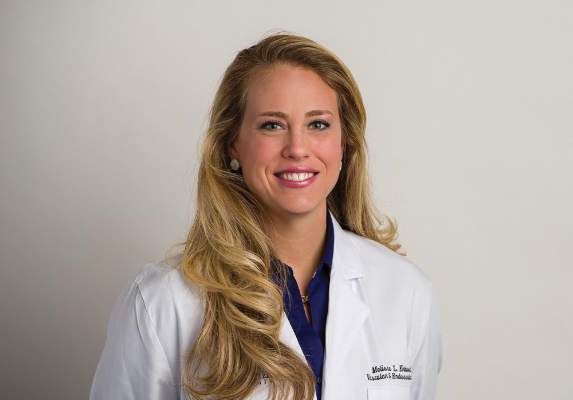
These radiation-induced skin lesions can be classified as prompt, early, mid-term, or late depending on when they present following the fluoroscopically guided intervention. “The National Cancer Institute has defined four grades of skin injury, with the most frequent being transient erythema, a prompt reaction within the first 24 hours occurring at skin doses as low as 2 Gy,” said Dr. Kirkwood of the division of vascular and endovascular surgery at the University of Texas Southwestern Medical Center, Dallas. “With increasing skin doses, more severe effects present themselves. Atrophy, ulceration, and necrosis are possibilities.”
She went on to note that fenestrated endovascular aneurysm repairs often require high doses of radiation, yet the prevalence of deterministic skin injury following these cases is unknown. In a recent study, Dr. Kirkwood and her associates retrospectively reviewed 61 complex fluoroscopically guided interventions that met substantial radiation dose level criteria (SRDL), which is defined by the National Council on Radiation and Protection Measurements as a reference air kerma (RAK) greater than or equal to 5 Gy (J. Vasc. Surg. 2014; 60[3]:742-8). “Despite mean peak skin doses as high as 6.5 Gy, ranging up to 18.5 Gy, we did not detect any skin injuries in this cohort,” Dr. Kirkwood said. “That study, however, was limited by its retrospective design. There was no postoperative protocol in place to ensure that a thorough skin exam was performed on each patient at every follow-up visit. Therefore, we hypothesized that a more thorough postoperative follow-up of patients would detect some skin injury following these cases.”
For the current study, she and her associates sought to examine the prevalence of deterministic effects after FEVAR as well as well as any patient characteristics that may predispose patients to skin injury.
In June 2013, the researchers implemented a new policy regarding the follow-up of FEVAR patients, which involved a full skin exam at postoperative week 2 and 4, and at 3 and 6 months, as well as questioning patients about any skin-related complaints. For the current study, they retrospectively reviewed all FEVARs over a 7-month period after the change in policy and highlighted all the cases that reached a RAK of 5 Gy or greater. The RAK was the dose metric used in this study. It is a measure of the radiation dose to air at the interventional reference point, which, on standard fluoroscopes, is 15 cm along the beam axis toward the focal spot from isocenter. Dr. Kirkwood characterized RAK as “the best real-time indicator of patient dose, because it roughly estimates the dose at the entry point on the patient’s skin.” Peak skin dose, a dose index, and simulated skin dose maps were calculated using customized software employing input data from fluoroscopic machine logs.
Of 317 cases performed, 22 met or exceeded a RAK of 5 Gy. Of these, 21 were FEVARs and one was an embolization. Most patients (91%) were male and their mean body mass index was 30 kg/m2. Comorbidities and risk factors for skin injury included smoking, diabetes, and the concomitant applications of chemotherapeutic agents.
Dr. Kirkwood reported that the average RAK for all FEVARs was 8 Gy, with a range of 5-11 Gy. Slightly more than half of patients (52%) had multiple fluoroscopically guided interventions within 6 months of their SRDL event. The average RAK for this subset of patients was 10 Gy (range of 5 to 15).
The mean peak skin dose for all FEVARs was 5 Gy (a range of 2 to 10 Gy), and the dose index was 0.69. The average peak skin dose for the subset of patients with multiple procedures was 7 Gy (a range of 3 to 9 Gy).
In terms of the follow-up, all 21 FEVAR patients were examined at the 1- or 2-week mark, 81% were examined at 1 month, 52% were examined at 3 months, and 62% were examined at 6 months. No radiation skin injuries were reported. “Based on the published data, we would expect to see all grades of skin injury, especially in the cohort of the 5-10 Gy,” Dr. Kirkwood said.
In the previous study, conducted prior to the new follow-up policy, the dose index for FEVARs was 0.78, “meaning that the peak skin dose that the patient received could be roughly estimated as 78% of the RAK dose displayed on the monitor,” Dr. Kirkwood explained. “In the current work, the dose index decreased to 60%. This suggests that surgeons in our group have now more appropriately and effectively employed strategies to decrease radiation dose to the patient. However, even when the best operating practice is employed, FEVARs still continue to require high radiation doses in order to complete. “
The present study demonstrated that deterministic skin injuries “are uncommon after FEVAR, even at high RAK levels and regardless of cumulative dose,” she concluded. “Even with more comprehensive patient follow-up, the fact that no skin injuries were reported suggests that skin injuries in this patient cohort are less prevalent than the published guidelines would predict.”
Dr. Kirkwood reported having no financial disclosures.
On Twitter @dougbrunk
The dramatic paradigm shift in vascular surgery in the last decade and a half, resulting in the increased and widespread application of catheter-based fluoroscopic interventions makes the topic of radiation injury timely for all of us. This report is a follow up of a study by the same group published in the Journal of Vascular Surgery in 2013 (58:715-21) in which they demonstrated that the use of a variety of radiation safety measures including increasing table height, utilizing collimation and angulation, decreasing magnification modes, and maintaining minimal patient-to-detector distance resulted in a 60% reduction in skin dose to their patients when measured as an index of peak skin dose to reference air kerma (PSD/RAK). Unfortunately, skin exposure remained high for FEVAR despite these measures, underscoring the fact that for very complex interventions, even with excellent radiation safety practices, the risk of skin injury remains a reality.
The fact that skin doses as high as 11 Gy did not result in any deterministic injuries is both reassuring and a little surprising. According to the Centers for Disease Control and Prevention, radiation doses of greater than 2 Gy but less than 15 Gy will usually result in erythema within 1-2 days, with a second period of erythema and edema at 2-5 weeks, occasionally resulting in desquamation at 6-7 weeks. Late changes can include mild skin atrophy and some hyperpigmentation. Although complete healing can usually be expected at these doses, squamous skin cancer can still occur, often more than a decade after exposure.
So why were no injuries seen? It may be that some were missed since follow-up examinations were not performed in 100% of their patients at any time interval, and it’s not stated whether exams were routinely performed in the first 1-2 days, when I would presume most patients were still hospitalized and the first stage of skin erythema is usually seen. Alternatively, it may be that the surrogate measure of either RAK or the index of PSD/RAK overestimated the true radiation skin dose, which seems highly likely, especially if the time of exposure in any one location was based less on the frequent changes in gantry angle and table position so commonly used in these procedures.
In our hospital, the Massachusetts Department of Public Health regulations require the patient and their physician be notified by letter when the estimated total absorbed radiation dose equals or exceeds 2 Gy. This is based on calculations by our physicist who reviews the details of any case in which the RAK measured equals or exceeds 2 Gy. Like the experiences of the authors, this most commonly occurs with lengthy and complex interventions. In our experience, we have never observed a significant skin injury presumably for the same reason – the exposure in any one location tends to be far less than the total calculated skin dose. Nevertheless, this study should not lull surgeons into a sense of complacency regarding the risk to the patient (and themselves and their staff). As our comfort and expertise with complex interventions increases, it is likely that radiation exposure will continue to increase, placing our patients at increased risk. Understanding the risk of radiation skin injury and how to minimize it is critical for any surgeon performing FEVAR and any other complex intervention utilizing fluoroscopic imaging.
Dr. Frank Pomposelli is an associate professor of surgery at Harvard Medical School; clinical chief, division of vascular surgery at the Beth Israel Deaconess Medical Center; and section chief, division of vascular surgery, New England Baptist Hospital, Boston. He is also an associate medical editor for Vascular Specialist.
The dramatic paradigm shift in vascular surgery in the last decade and a half, resulting in the increased and widespread application of catheter-based fluoroscopic interventions makes the topic of radiation injury timely for all of us. This report is a follow up of a study by the same group published in the Journal of Vascular Surgery in 2013 (58:715-21) in which they demonstrated that the use of a variety of radiation safety measures including increasing table height, utilizing collimation and angulation, decreasing magnification modes, and maintaining minimal patient-to-detector distance resulted in a 60% reduction in skin dose to their patients when measured as an index of peak skin dose to reference air kerma (PSD/RAK). Unfortunately, skin exposure remained high for FEVAR despite these measures, underscoring the fact that for very complex interventions, even with excellent radiation safety practices, the risk of skin injury remains a reality.
The fact that skin doses as high as 11 Gy did not result in any deterministic injuries is both reassuring and a little surprising. According to the Centers for Disease Control and Prevention, radiation doses of greater than 2 Gy but less than 15 Gy will usually result in erythema within 1-2 days, with a second period of erythema and edema at 2-5 weeks, occasionally resulting in desquamation at 6-7 weeks. Late changes can include mild skin atrophy and some hyperpigmentation. Although complete healing can usually be expected at these doses, squamous skin cancer can still occur, often more than a decade after exposure.
So why were no injuries seen? It may be that some were missed since follow-up examinations were not performed in 100% of their patients at any time interval, and it’s not stated whether exams were routinely performed in the first 1-2 days, when I would presume most patients were still hospitalized and the first stage of skin erythema is usually seen. Alternatively, it may be that the surrogate measure of either RAK or the index of PSD/RAK overestimated the true radiation skin dose, which seems highly likely, especially if the time of exposure in any one location was based less on the frequent changes in gantry angle and table position so commonly used in these procedures.
In our hospital, the Massachusetts Department of Public Health regulations require the patient and their physician be notified by letter when the estimated total absorbed radiation dose equals or exceeds 2 Gy. This is based on calculations by our physicist who reviews the details of any case in which the RAK measured equals or exceeds 2 Gy. Like the experiences of the authors, this most commonly occurs with lengthy and complex interventions. In our experience, we have never observed a significant skin injury presumably for the same reason – the exposure in any one location tends to be far less than the total calculated skin dose. Nevertheless, this study should not lull surgeons into a sense of complacency regarding the risk to the patient (and themselves and their staff). As our comfort and expertise with complex interventions increases, it is likely that radiation exposure will continue to increase, placing our patients at increased risk. Understanding the risk of radiation skin injury and how to minimize it is critical for any surgeon performing FEVAR and any other complex intervention utilizing fluoroscopic imaging.
Dr. Frank Pomposelli is an associate professor of surgery at Harvard Medical School; clinical chief, division of vascular surgery at the Beth Israel Deaconess Medical Center; and section chief, division of vascular surgery, New England Baptist Hospital, Boston. He is also an associate medical editor for Vascular Specialist.
The dramatic paradigm shift in vascular surgery in the last decade and a half, resulting in the increased and widespread application of catheter-based fluoroscopic interventions makes the topic of radiation injury timely for all of us. This report is a follow up of a study by the same group published in the Journal of Vascular Surgery in 2013 (58:715-21) in which they demonstrated that the use of a variety of radiation safety measures including increasing table height, utilizing collimation and angulation, decreasing magnification modes, and maintaining minimal patient-to-detector distance resulted in a 60% reduction in skin dose to their patients when measured as an index of peak skin dose to reference air kerma (PSD/RAK). Unfortunately, skin exposure remained high for FEVAR despite these measures, underscoring the fact that for very complex interventions, even with excellent radiation safety practices, the risk of skin injury remains a reality.
The fact that skin doses as high as 11 Gy did not result in any deterministic injuries is both reassuring and a little surprising. According to the Centers for Disease Control and Prevention, radiation doses of greater than 2 Gy but less than 15 Gy will usually result in erythema within 1-2 days, with a second period of erythema and edema at 2-5 weeks, occasionally resulting in desquamation at 6-7 weeks. Late changes can include mild skin atrophy and some hyperpigmentation. Although complete healing can usually be expected at these doses, squamous skin cancer can still occur, often more than a decade after exposure.
So why were no injuries seen? It may be that some were missed since follow-up examinations were not performed in 100% of their patients at any time interval, and it’s not stated whether exams were routinely performed in the first 1-2 days, when I would presume most patients were still hospitalized and the first stage of skin erythema is usually seen. Alternatively, it may be that the surrogate measure of either RAK or the index of PSD/RAK overestimated the true radiation skin dose, which seems highly likely, especially if the time of exposure in any one location was based less on the frequent changes in gantry angle and table position so commonly used in these procedures.
In our hospital, the Massachusetts Department of Public Health regulations require the patient and their physician be notified by letter when the estimated total absorbed radiation dose equals or exceeds 2 Gy. This is based on calculations by our physicist who reviews the details of any case in which the RAK measured equals or exceeds 2 Gy. Like the experiences of the authors, this most commonly occurs with lengthy and complex interventions. In our experience, we have never observed a significant skin injury presumably for the same reason – the exposure in any one location tends to be far less than the total calculated skin dose. Nevertheless, this study should not lull surgeons into a sense of complacency regarding the risk to the patient (and themselves and their staff). As our comfort and expertise with complex interventions increases, it is likely that radiation exposure will continue to increase, placing our patients at increased risk. Understanding the risk of radiation skin injury and how to minimize it is critical for any surgeon performing FEVAR and any other complex intervention utilizing fluoroscopic imaging.
Dr. Frank Pomposelli is an associate professor of surgery at Harvard Medical School; clinical chief, division of vascular surgery at the Beth Israel Deaconess Medical Center; and section chief, division of vascular surgery, New England Baptist Hospital, Boston. He is also an associate medical editor for Vascular Specialist.
CORONADO, CALIF. – Skin injury following fenestrated endovascular aortic stent grafting is less prevalent than expected, results from a single-center retrospective study showed.
“Radiation-induced skin injury is a serious potential complication of fluoroscopically guided interventions,” Dr. Melissa L. Kirkwood said at the annual meeting of the Western Vascular Society. “These injuries are associated with a threshold radiation dose, above which the severity of injury increases with increasing dose. Instances of these injuries are mostly limited to case reports of coronary interventions, TIPS procedures, and neuroembolizations.”
These radiation-induced skin lesions can be classified as prompt, early, mid-term, or late depending on when they present following the fluoroscopically guided intervention. “The National Cancer Institute has defined four grades of skin injury, with the most frequent being transient erythema, a prompt reaction within the first 24 hours occurring at skin doses as low as 2 Gy,” said Dr. Kirkwood of the division of vascular and endovascular surgery at the University of Texas Southwestern Medical Center, Dallas. “With increasing skin doses, more severe effects present themselves. Atrophy, ulceration, and necrosis are possibilities.”
She went on to note that fenestrated endovascular aneurysm repairs often require high doses of radiation, yet the prevalence of deterministic skin injury following these cases is unknown. In a recent study, Dr. Kirkwood and her associates retrospectively reviewed 61 complex fluoroscopically guided interventions that met substantial radiation dose level criteria (SRDL), which is defined by the National Council on Radiation and Protection Measurements as a reference air kerma (RAK) greater than or equal to 5 Gy (J. Vasc. Surg. 2014; 60[3]:742-8). “Despite mean peak skin doses as high as 6.5 Gy, ranging up to 18.5 Gy, we did not detect any skin injuries in this cohort,” Dr. Kirkwood said. “That study, however, was limited by its retrospective design. There was no postoperative protocol in place to ensure that a thorough skin exam was performed on each patient at every follow-up visit. Therefore, we hypothesized that a more thorough postoperative follow-up of patients would detect some skin injury following these cases.”
For the current study, she and her associates sought to examine the prevalence of deterministic effects after FEVAR as well as well as any patient characteristics that may predispose patients to skin injury.
In June 2013, the researchers implemented a new policy regarding the follow-up of FEVAR patients, which involved a full skin exam at postoperative week 2 and 4, and at 3 and 6 months, as well as questioning patients about any skin-related complaints. For the current study, they retrospectively reviewed all FEVARs over a 7-month period after the change in policy and highlighted all the cases that reached a RAK of 5 Gy or greater. The RAK was the dose metric used in this study. It is a measure of the radiation dose to air at the interventional reference point, which, on standard fluoroscopes, is 15 cm along the beam axis toward the focal spot from isocenter. Dr. Kirkwood characterized RAK as “the best real-time indicator of patient dose, because it roughly estimates the dose at the entry point on the patient’s skin.” Peak skin dose, a dose index, and simulated skin dose maps were calculated using customized software employing input data from fluoroscopic machine logs.
Of 317 cases performed, 22 met or exceeded a RAK of 5 Gy. Of these, 21 were FEVARs and one was an embolization. Most patients (91%) were male and their mean body mass index was 30 kg/m2. Comorbidities and risk factors for skin injury included smoking, diabetes, and the concomitant applications of chemotherapeutic agents.
Dr. Kirkwood reported that the average RAK for all FEVARs was 8 Gy, with a range of 5-11 Gy. Slightly more than half of patients (52%) had multiple fluoroscopically guided interventions within 6 months of their SRDL event. The average RAK for this subset of patients was 10 Gy (range of 5 to 15).
The mean peak skin dose for all FEVARs was 5 Gy (a range of 2 to 10 Gy), and the dose index was 0.69. The average peak skin dose for the subset of patients with multiple procedures was 7 Gy (a range of 3 to 9 Gy).
In terms of the follow-up, all 21 FEVAR patients were examined at the 1- or 2-week mark, 81% were examined at 1 month, 52% were examined at 3 months, and 62% were examined at 6 months. No radiation skin injuries were reported. “Based on the published data, we would expect to see all grades of skin injury, especially in the cohort of the 5-10 Gy,” Dr. Kirkwood said.
In the previous study, conducted prior to the new follow-up policy, the dose index for FEVARs was 0.78, “meaning that the peak skin dose that the patient received could be roughly estimated as 78% of the RAK dose displayed on the monitor,” Dr. Kirkwood explained. “In the current work, the dose index decreased to 60%. This suggests that surgeons in our group have now more appropriately and effectively employed strategies to decrease radiation dose to the patient. However, even when the best operating practice is employed, FEVARs still continue to require high radiation doses in order to complete. “
The present study demonstrated that deterministic skin injuries “are uncommon after FEVAR, even at high RAK levels and regardless of cumulative dose,” she concluded. “Even with more comprehensive patient follow-up, the fact that no skin injuries were reported suggests that skin injuries in this patient cohort are less prevalent than the published guidelines would predict.”
Dr. Kirkwood reported having no financial disclosures.
On Twitter @dougbrunk
CORONADO, CALIF. – Skin injury following fenestrated endovascular aortic stent grafting is less prevalent than expected, results from a single-center retrospective study showed.
“Radiation-induced skin injury is a serious potential complication of fluoroscopically guided interventions,” Dr. Melissa L. Kirkwood said at the annual meeting of the Western Vascular Society. “These injuries are associated with a threshold radiation dose, above which the severity of injury increases with increasing dose. Instances of these injuries are mostly limited to case reports of coronary interventions, TIPS procedures, and neuroembolizations.”
These radiation-induced skin lesions can be classified as prompt, early, mid-term, or late depending on when they present following the fluoroscopically guided intervention. “The National Cancer Institute has defined four grades of skin injury, with the most frequent being transient erythema, a prompt reaction within the first 24 hours occurring at skin doses as low as 2 Gy,” said Dr. Kirkwood of the division of vascular and endovascular surgery at the University of Texas Southwestern Medical Center, Dallas. “With increasing skin doses, more severe effects present themselves. Atrophy, ulceration, and necrosis are possibilities.”
She went on to note that fenestrated endovascular aneurysm repairs often require high doses of radiation, yet the prevalence of deterministic skin injury following these cases is unknown. In a recent study, Dr. Kirkwood and her associates retrospectively reviewed 61 complex fluoroscopically guided interventions that met substantial radiation dose level criteria (SRDL), which is defined by the National Council on Radiation and Protection Measurements as a reference air kerma (RAK) greater than or equal to 5 Gy (J. Vasc. Surg. 2014; 60[3]:742-8). “Despite mean peak skin doses as high as 6.5 Gy, ranging up to 18.5 Gy, we did not detect any skin injuries in this cohort,” Dr. Kirkwood said. “That study, however, was limited by its retrospective design. There was no postoperative protocol in place to ensure that a thorough skin exam was performed on each patient at every follow-up visit. Therefore, we hypothesized that a more thorough postoperative follow-up of patients would detect some skin injury following these cases.”
For the current study, she and her associates sought to examine the prevalence of deterministic effects after FEVAR as well as well as any patient characteristics that may predispose patients to skin injury.
In June 2013, the researchers implemented a new policy regarding the follow-up of FEVAR patients, which involved a full skin exam at postoperative week 2 and 4, and at 3 and 6 months, as well as questioning patients about any skin-related complaints. For the current study, they retrospectively reviewed all FEVARs over a 7-month period after the change in policy and highlighted all the cases that reached a RAK of 5 Gy or greater. The RAK was the dose metric used in this study. It is a measure of the radiation dose to air at the interventional reference point, which, on standard fluoroscopes, is 15 cm along the beam axis toward the focal spot from isocenter. Dr. Kirkwood characterized RAK as “the best real-time indicator of patient dose, because it roughly estimates the dose at the entry point on the patient’s skin.” Peak skin dose, a dose index, and simulated skin dose maps were calculated using customized software employing input data from fluoroscopic machine logs.
Of 317 cases performed, 22 met or exceeded a RAK of 5 Gy. Of these, 21 were FEVARs and one was an embolization. Most patients (91%) were male and their mean body mass index was 30 kg/m2. Comorbidities and risk factors for skin injury included smoking, diabetes, and the concomitant applications of chemotherapeutic agents.
Dr. Kirkwood reported that the average RAK for all FEVARs was 8 Gy, with a range of 5-11 Gy. Slightly more than half of patients (52%) had multiple fluoroscopically guided interventions within 6 months of their SRDL event. The average RAK for this subset of patients was 10 Gy (range of 5 to 15).
The mean peak skin dose for all FEVARs was 5 Gy (a range of 2 to 10 Gy), and the dose index was 0.69. The average peak skin dose for the subset of patients with multiple procedures was 7 Gy (a range of 3 to 9 Gy).
In terms of the follow-up, all 21 FEVAR patients were examined at the 1- or 2-week mark, 81% were examined at 1 month, 52% were examined at 3 months, and 62% were examined at 6 months. No radiation skin injuries were reported. “Based on the published data, we would expect to see all grades of skin injury, especially in the cohort of the 5-10 Gy,” Dr. Kirkwood said.
In the previous study, conducted prior to the new follow-up policy, the dose index for FEVARs was 0.78, “meaning that the peak skin dose that the patient received could be roughly estimated as 78% of the RAK dose displayed on the monitor,” Dr. Kirkwood explained. “In the current work, the dose index decreased to 60%. This suggests that surgeons in our group have now more appropriately and effectively employed strategies to decrease radiation dose to the patient. However, even when the best operating practice is employed, FEVARs still continue to require high radiation doses in order to complete. “
The present study demonstrated that deterministic skin injuries “are uncommon after FEVAR, even at high RAK levels and regardless of cumulative dose,” she concluded. “Even with more comprehensive patient follow-up, the fact that no skin injuries were reported suggests that skin injuries in this patient cohort are less prevalent than the published guidelines would predict.”
Dr. Kirkwood reported having no financial disclosures.
On Twitter @dougbrunk
AT THE WESTERN VASCULAR SOCIETY ANNUAL MEETING
Key clinical point: No skin injuries were found after fenestrated endovascular aortic stent grafts (FEVAR) cases that involved high radiation doses.
Major finding: Even though the average reference air kerma (RAK) for all FEVARs was 8 Gy, with a range of 5-11 Gy, no radiation skin injuries were reported.
Data source: An single-center analysis of 21 FEVARs over a 7-month period that reached a RAK of 5 Gy or greater.
Disclosures: Dr. Kirkwood reported having no financial disclosures.
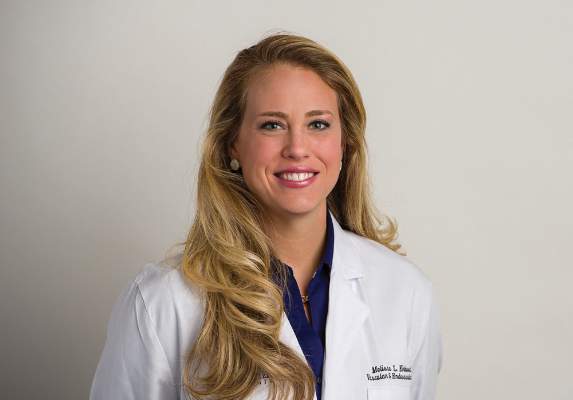
Stage, lymph node status should drive gastric cancer treatment decisions
Among patients who received gastrectomy with D2 lymph node dissection, both adjuvant chemotherapy and chemoradiotherapy were tolerated and equally effective in preventing relapse during seven years of follow-up. However, chemoradiotherapy appeared to benefit patients with node-positive disease or higher lymph node ratio and intestinal-type gastric cancer.
Those are key findings from the final report of the Adjuvant Chemoradiation in Stomach Tumors (ARTIST) trial, which set out to investigate whether adding radiotherapy to adjuvant chemotherapy improved disesase-free survival in patients with D2-resected gastric cancer (GC).
“These long-term results, together with the results from the ACTS-GC and the CLASSIC trials, provide additional support for adjuvant chemotherapy as a standard of care in patients with D2-resected GC,” Dr. Se Hoon Park of Samsung Medical Center and Sungkyunkwan University School of Medicine, Seoul, South Korea, and associates, wrote online in the Journal of Clinical Oncology (J. Clin. Onc. 2015 Jan. 5 [doi:10.1200/JCO.2014.58.3930]).
“However, it should be noted that there are subsets of patients who may benefit from the addition of radiotherapy to adjuvant chemotherapy, and the optimal adjuvant chemotherapy regimen has yet to be identified. Thus, adjuvant chemoradiotherapy in node-positive, D2-resected GC should be explored further within the framework of clinical trials.”
For the phase III trial, 458 patients with GC who received gastrectomy with D2 lymph node dissection were randomly assigned to either six cycles of adjuvant chemotherapy with capecitabine and cisplatin (XP) or to two cycles of XP followed by chemoradiation and then two additional cycles of (XPRT). Between November 2004 and April 2008, 228 were assigned to the XP arm and 230 to the XPRT arm (doi:10.1200/JCO.2014.58.3930). Full details of the trial design have been previously published(J. Clin. Ocol. 2012;30:268-73).During a median follow-up of 7 years, the probabilities of disease-free survival at 5 years were 73% in the XP arm and 75% in the XPRT arm, which translated into a hazard ratio of .740. The hazard ratio for overall survival was also similar between the two groups (HR, 1.130). Multivariable analysis revealed that the effect of the addition of radiotherapy on DFS and OS differed by Laurén classification (interactionPvalues of .04 and .03 for DFS and OS, respectively) and by lymph node ratio (interaction Pvalues of less than .01 for both DFS and OS).“Subgroup analyses were performed to identify patient populations who may benefit from chemoradiotherapy, and calculation of HRs and 95% CIs showed that the potential benefit from the addition of radiotherapy to adjuvant chemotherapy could not be excluded in patients with node-positive disease and intestinal-type GC,” the researchers noted. Among 396 patients with node-positive disease, 3-year DFS was significantly different (72% in the XP arm, compared with 76% in XPRT arm; P = .04). Similarly, in 163 patients with intestinal-type GC, 3-year DFS rates were 83% and 94% in the XP and XPRT arms, respectively (P = .01). There also was a trend toward improved DFS in patients with advanced stage.
“At the moment, in making treatment decisions for individual patients, we suggest that advanced stage, lymph node status, and the Lauren classification be the factors taken into account when chemoradiotherapy is being considered,” Dr. Park and associates concluded. “These questions are currently being addressed in our multicenter, larger, three-arm phase III ARTIST 2 trial, which aims to compare all of the current standards of care in the adjuvant setting of D2-resected, node-positive, stage II or III GC (chemotherapy with S-1 for 1 year vs. combination chemotherapy with S-1 and oxaliplatin [SOX] for 6months vs. chemoradiotherapy involving two cycles of SOX followed by S-1/radiotherapy and then four additional cycles of SOX). Issues raised by this ARTIST and other contemporary trials in the adjuvant setting of GC should hopefully be answered by ARTIST 2, where the hypothesis is that the addition of a platinum to S-1 and of radiotherapy to adjuvant chemotherapy will improve DFS. A total of 900 patients (i.e., 300/arm) will be registered onto the ARTIST 2 trial, and the stratification factors include stage, type of surgery, and the Laurén classification.”
On Twitter @dougbrunk
The investigators of the ARTIST trial who conducted this study in Korea are to be commended for their well-designed and well-executed clinical trial, and for building on the results of previous European, Japanese, and American trials, addressing the longstanding question of what constitutes effective adjuvant therapy for gastric cancer.
Park et al. conclude that the lymph node status and the Laurén classification should be taken into account when making decision about the management of patients with gastric cancer and suggest that adjuvant chemoradiotherapy seems beneficial in patients with node-positive or intestinal-type gastric cancers. This risk stratification, while based on subgroup analyses, is helpful in further refining our ability to manage patients after gastric resection. Clearly, not all patients will benefit from chemoradiotherapy, and it should not be applied in all cases. The results of the ARTIST trial move us one step forward toward the goal of better risk stratifying our patients and tailoring therapies to minimize overtreatment and better address the potential recurrence patterns.
One of the reassuring findings in the ARTIST trial was that the radiotherapy was well tolerated, with the most common adverse event requiring treatment modification being neutropenia, which was more common in the chemotherapy-alone group. Overall, the rates of grade 3 to 4 adverse events observed in ARTIST trial were low in both treatment groups. The authors concluded in the first publication that postoperative XP chemotherapy alone or with concurrent radiotherapy was feasible in patients with gastric cancer after D2 resection.
With continued progress in improving radiotherapy techniques, developing more effective systemic regimens, and identifying biomarkers of treatment response, the role of adjuvant chemoradiotherapy will likely become better defined. However, based on the current data from the decades of studies on adjuvant therapy for gastric cancer and particularly from the updated data from the ARTIST trial, the benefit of adjuvant chemoradiotherapy appears to outweigh the risks in patients with node-positive disease and intestinal-type histology. These pathologic factors should be taken into account when considering adjuvant therapy in fit patients after gastric resection. In addition, this article of the ARTIST trial clearly demonstrated a benefit of chemoradiotherapy in terms of locoregional control for the entire study population who underwent a D2 lymphadenectomy. While locoregional control did not translate into an overall survival benefit in the larger study population, the impact of adjuvant chemoradiotherapy on local control and survival may be more evident in patients who undergo surgery in non-Asian countries where surgical technique is not as highly refined.
Dr. Karyn A. Goodman is with Memorial Sloan Kettering Cancer Center, New York. This perspective is extracted from an editorial that appeared online in the Journal of Clinical Oncology on Jan. 5, 2015 (doi: 10.1200/JOC.2014.59.1941). Dr. Goodman disclosed that she holds an advisory and/or consulting role with Pfizer.
The investigators of the ARTIST trial who conducted this study in Korea are to be commended for their well-designed and well-executed clinical trial, and for building on the results of previous European, Japanese, and American trials, addressing the longstanding question of what constitutes effective adjuvant therapy for gastric cancer.
Park et al. conclude that the lymph node status and the Laurén classification should be taken into account when making decision about the management of patients with gastric cancer and suggest that adjuvant chemoradiotherapy seems beneficial in patients with node-positive or intestinal-type gastric cancers. This risk stratification, while based on subgroup analyses, is helpful in further refining our ability to manage patients after gastric resection. Clearly, not all patients will benefit from chemoradiotherapy, and it should not be applied in all cases. The results of the ARTIST trial move us one step forward toward the goal of better risk stratifying our patients and tailoring therapies to minimize overtreatment and better address the potential recurrence patterns.
One of the reassuring findings in the ARTIST trial was that the radiotherapy was well tolerated, with the most common adverse event requiring treatment modification being neutropenia, which was more common in the chemotherapy-alone group. Overall, the rates of grade 3 to 4 adverse events observed in ARTIST trial were low in both treatment groups. The authors concluded in the first publication that postoperative XP chemotherapy alone or with concurrent radiotherapy was feasible in patients with gastric cancer after D2 resection.
With continued progress in improving radiotherapy techniques, developing more effective systemic regimens, and identifying biomarkers of treatment response, the role of adjuvant chemoradiotherapy will likely become better defined. However, based on the current data from the decades of studies on adjuvant therapy for gastric cancer and particularly from the updated data from the ARTIST trial, the benefit of adjuvant chemoradiotherapy appears to outweigh the risks in patients with node-positive disease and intestinal-type histology. These pathologic factors should be taken into account when considering adjuvant therapy in fit patients after gastric resection. In addition, this article of the ARTIST trial clearly demonstrated a benefit of chemoradiotherapy in terms of locoregional control for the entire study population who underwent a D2 lymphadenectomy. While locoregional control did not translate into an overall survival benefit in the larger study population, the impact of adjuvant chemoradiotherapy on local control and survival may be more evident in patients who undergo surgery in non-Asian countries where surgical technique is not as highly refined.
Dr. Karyn A. Goodman is with Memorial Sloan Kettering Cancer Center, New York. This perspective is extracted from an editorial that appeared online in the Journal of Clinical Oncology on Jan. 5, 2015 (doi: 10.1200/JOC.2014.59.1941). Dr. Goodman disclosed that she holds an advisory and/or consulting role with Pfizer.
The investigators of the ARTIST trial who conducted this study in Korea are to be commended for their well-designed and well-executed clinical trial, and for building on the results of previous European, Japanese, and American trials, addressing the longstanding question of what constitutes effective adjuvant therapy for gastric cancer.
Park et al. conclude that the lymph node status and the Laurén classification should be taken into account when making decision about the management of patients with gastric cancer and suggest that adjuvant chemoradiotherapy seems beneficial in patients with node-positive or intestinal-type gastric cancers. This risk stratification, while based on subgroup analyses, is helpful in further refining our ability to manage patients after gastric resection. Clearly, not all patients will benefit from chemoradiotherapy, and it should not be applied in all cases. The results of the ARTIST trial move us one step forward toward the goal of better risk stratifying our patients and tailoring therapies to minimize overtreatment and better address the potential recurrence patterns.
One of the reassuring findings in the ARTIST trial was that the radiotherapy was well tolerated, with the most common adverse event requiring treatment modification being neutropenia, which was more common in the chemotherapy-alone group. Overall, the rates of grade 3 to 4 adverse events observed in ARTIST trial were low in both treatment groups. The authors concluded in the first publication that postoperative XP chemotherapy alone or with concurrent radiotherapy was feasible in patients with gastric cancer after D2 resection.
With continued progress in improving radiotherapy techniques, developing more effective systemic regimens, and identifying biomarkers of treatment response, the role of adjuvant chemoradiotherapy will likely become better defined. However, based on the current data from the decades of studies on adjuvant therapy for gastric cancer and particularly from the updated data from the ARTIST trial, the benefit of adjuvant chemoradiotherapy appears to outweigh the risks in patients with node-positive disease and intestinal-type histology. These pathologic factors should be taken into account when considering adjuvant therapy in fit patients after gastric resection. In addition, this article of the ARTIST trial clearly demonstrated a benefit of chemoradiotherapy in terms of locoregional control for the entire study population who underwent a D2 lymphadenectomy. While locoregional control did not translate into an overall survival benefit in the larger study population, the impact of adjuvant chemoradiotherapy on local control and survival may be more evident in patients who undergo surgery in non-Asian countries where surgical technique is not as highly refined.
Dr. Karyn A. Goodman is with Memorial Sloan Kettering Cancer Center, New York. This perspective is extracted from an editorial that appeared online in the Journal of Clinical Oncology on Jan. 5, 2015 (doi: 10.1200/JOC.2014.59.1941). Dr. Goodman disclosed that she holds an advisory and/or consulting role with Pfizer.
Among patients who received gastrectomy with D2 lymph node dissection, both adjuvant chemotherapy and chemoradiotherapy were tolerated and equally effective in preventing relapse during seven years of follow-up. However, chemoradiotherapy appeared to benefit patients with node-positive disease or higher lymph node ratio and intestinal-type gastric cancer.
Those are key findings from the final report of the Adjuvant Chemoradiation in Stomach Tumors (ARTIST) trial, which set out to investigate whether adding radiotherapy to adjuvant chemotherapy improved disesase-free survival in patients with D2-resected gastric cancer (GC).
“These long-term results, together with the results from the ACTS-GC and the CLASSIC trials, provide additional support for adjuvant chemotherapy as a standard of care in patients with D2-resected GC,” Dr. Se Hoon Park of Samsung Medical Center and Sungkyunkwan University School of Medicine, Seoul, South Korea, and associates, wrote online in the Journal of Clinical Oncology (J. Clin. Onc. 2015 Jan. 5 [doi:10.1200/JCO.2014.58.3930]).
“However, it should be noted that there are subsets of patients who may benefit from the addition of radiotherapy to adjuvant chemotherapy, and the optimal adjuvant chemotherapy regimen has yet to be identified. Thus, adjuvant chemoradiotherapy in node-positive, D2-resected GC should be explored further within the framework of clinical trials.”
For the phase III trial, 458 patients with GC who received gastrectomy with D2 lymph node dissection were randomly assigned to either six cycles of adjuvant chemotherapy with capecitabine and cisplatin (XP) or to two cycles of XP followed by chemoradiation and then two additional cycles of (XPRT). Between November 2004 and April 2008, 228 were assigned to the XP arm and 230 to the XPRT arm (doi:10.1200/JCO.2014.58.3930). Full details of the trial design have been previously published(J. Clin. Ocol. 2012;30:268-73).During a median follow-up of 7 years, the probabilities of disease-free survival at 5 years were 73% in the XP arm and 75% in the XPRT arm, which translated into a hazard ratio of .740. The hazard ratio for overall survival was also similar between the two groups (HR, 1.130). Multivariable analysis revealed that the effect of the addition of radiotherapy on DFS and OS differed by Laurén classification (interactionPvalues of .04 and .03 for DFS and OS, respectively) and by lymph node ratio (interaction Pvalues of less than .01 for both DFS and OS).“Subgroup analyses were performed to identify patient populations who may benefit from chemoradiotherapy, and calculation of HRs and 95% CIs showed that the potential benefit from the addition of radiotherapy to adjuvant chemotherapy could not be excluded in patients with node-positive disease and intestinal-type GC,” the researchers noted. Among 396 patients with node-positive disease, 3-year DFS was significantly different (72% in the XP arm, compared with 76% in XPRT arm; P = .04). Similarly, in 163 patients with intestinal-type GC, 3-year DFS rates were 83% and 94% in the XP and XPRT arms, respectively (P = .01). There also was a trend toward improved DFS in patients with advanced stage.
“At the moment, in making treatment decisions for individual patients, we suggest that advanced stage, lymph node status, and the Lauren classification be the factors taken into account when chemoradiotherapy is being considered,” Dr. Park and associates concluded. “These questions are currently being addressed in our multicenter, larger, three-arm phase III ARTIST 2 trial, which aims to compare all of the current standards of care in the adjuvant setting of D2-resected, node-positive, stage II or III GC (chemotherapy with S-1 for 1 year vs. combination chemotherapy with S-1 and oxaliplatin [SOX] for 6months vs. chemoradiotherapy involving two cycles of SOX followed by S-1/radiotherapy and then four additional cycles of SOX). Issues raised by this ARTIST and other contemporary trials in the adjuvant setting of GC should hopefully be answered by ARTIST 2, where the hypothesis is that the addition of a platinum to S-1 and of radiotherapy to adjuvant chemotherapy will improve DFS. A total of 900 patients (i.e., 300/arm) will be registered onto the ARTIST 2 trial, and the stratification factors include stage, type of surgery, and the Laurén classification.”
On Twitter @dougbrunk
Among patients who received gastrectomy with D2 lymph node dissection, both adjuvant chemotherapy and chemoradiotherapy were tolerated and equally effective in preventing relapse during seven years of follow-up. However, chemoradiotherapy appeared to benefit patients with node-positive disease or higher lymph node ratio and intestinal-type gastric cancer.
Those are key findings from the final report of the Adjuvant Chemoradiation in Stomach Tumors (ARTIST) trial, which set out to investigate whether adding radiotherapy to adjuvant chemotherapy improved disesase-free survival in patients with D2-resected gastric cancer (GC).
“These long-term results, together with the results from the ACTS-GC and the CLASSIC trials, provide additional support for adjuvant chemotherapy as a standard of care in patients with D2-resected GC,” Dr. Se Hoon Park of Samsung Medical Center and Sungkyunkwan University School of Medicine, Seoul, South Korea, and associates, wrote online in the Journal of Clinical Oncology (J. Clin. Onc. 2015 Jan. 5 [doi:10.1200/JCO.2014.58.3930]).
“However, it should be noted that there are subsets of patients who may benefit from the addition of radiotherapy to adjuvant chemotherapy, and the optimal adjuvant chemotherapy regimen has yet to be identified. Thus, adjuvant chemoradiotherapy in node-positive, D2-resected GC should be explored further within the framework of clinical trials.”
For the phase III trial, 458 patients with GC who received gastrectomy with D2 lymph node dissection were randomly assigned to either six cycles of adjuvant chemotherapy with capecitabine and cisplatin (XP) or to two cycles of XP followed by chemoradiation and then two additional cycles of (XPRT). Between November 2004 and April 2008, 228 were assigned to the XP arm and 230 to the XPRT arm (doi:10.1200/JCO.2014.58.3930). Full details of the trial design have been previously published(J. Clin. Ocol. 2012;30:268-73).During a median follow-up of 7 years, the probabilities of disease-free survival at 5 years were 73% in the XP arm and 75% in the XPRT arm, which translated into a hazard ratio of .740. The hazard ratio for overall survival was also similar between the two groups (HR, 1.130). Multivariable analysis revealed that the effect of the addition of radiotherapy on DFS and OS differed by Laurén classification (interactionPvalues of .04 and .03 for DFS and OS, respectively) and by lymph node ratio (interaction Pvalues of less than .01 for both DFS and OS).“Subgroup analyses were performed to identify patient populations who may benefit from chemoradiotherapy, and calculation of HRs and 95% CIs showed that the potential benefit from the addition of radiotherapy to adjuvant chemotherapy could not be excluded in patients with node-positive disease and intestinal-type GC,” the researchers noted. Among 396 patients with node-positive disease, 3-year DFS was significantly different (72% in the XP arm, compared with 76% in XPRT arm; P = .04). Similarly, in 163 patients with intestinal-type GC, 3-year DFS rates were 83% and 94% in the XP and XPRT arms, respectively (P = .01). There also was a trend toward improved DFS in patients with advanced stage.
“At the moment, in making treatment decisions for individual patients, we suggest that advanced stage, lymph node status, and the Lauren classification be the factors taken into account when chemoradiotherapy is being considered,” Dr. Park and associates concluded. “These questions are currently being addressed in our multicenter, larger, three-arm phase III ARTIST 2 trial, which aims to compare all of the current standards of care in the adjuvant setting of D2-resected, node-positive, stage II or III GC (chemotherapy with S-1 for 1 year vs. combination chemotherapy with S-1 and oxaliplatin [SOX] for 6months vs. chemoradiotherapy involving two cycles of SOX followed by S-1/radiotherapy and then four additional cycles of SOX). Issues raised by this ARTIST and other contemporary trials in the adjuvant setting of GC should hopefully be answered by ARTIST 2, where the hypothesis is that the addition of a platinum to S-1 and of radiotherapy to adjuvant chemotherapy will improve DFS. A total of 900 patients (i.e., 300/arm) will be registered onto the ARTIST 2 trial, and the stratification factors include stage, type of surgery, and the Laurén classification.”
On Twitter @dougbrunk
FROM THE JOURNAL OF CLINICAL ONCOLOGY
Key clinical point: Lymph node status and the Laurén classification should be taken into account in the management of patients with gastric cancer.
Major finding: The effect of the addition of radiotherapy on disease-free survival and overall survival differed by Laurén classification (interaction P values of .04 and .03 for DFS and OS, respectively) and by lymph node ratio (interaction P values of less than .01 for both DFS and OS).
Data source: Final results from the phase III ARTIST trial in which 458 patients with GC who received gastrectomy with D2 lymph node dissection were randomly assigned to either six cycles of adjuvant chemotherapy with capecitabine and cisplatin (XP) or to two cycles of XP followed by chemoradiation and then two additional cycles of (XPRT).
Disclosures: The researchers reported having no financial disclosures.