User login
Doug Brunk is a San Diego-based award-winning reporter who began covering health care in 1991. Before joining the company, he wrote for the health sciences division of Columbia University and was an associate editor at Contemporary Long Term Care magazine when it won a Jesse H. Neal Award. His work has been syndicated by the Los Angeles Times and he is the author of two books related to the University of Kentucky Wildcats men's basketball program. Doug has a master’s degree in magazine journalism from the S.I. Newhouse School of Public Communications at Syracuse University. Follow him on Twitter @dougbrunk.
Study: Twin delivery at 37 weeks minimizes infant mortality risk
SAN DIEGO – When it comes to reducing the risk of infant death and stillbirth in twin pregnancies, the ideal delivery date is somewhere around 37 weeks’ gestation.
That’s the key finding from a retrospective cohort study using national data that was presented by Dr. Jessica Page at the annual Pregnancy Meeting sponsored by the Society for Maternal-Fetal Medicine.
The study aimed to better characterize the optimal delivery timing in twin pregnancies by quantifying the risk of stillbirth during each week of gestation, along with the risk of infant death following delivery at each week between 32 and 40 weeks.

“There is an existing body of work examining this question in the obstetric literature and debate persists as to the ideal delivery timing,” Dr. Page of the department of obstetrics and gynecology at the University of Utah, Salt Lake City, said in an interview. “This is somewhat difficult to study given the low frequency of twin gestations and rarity of fetal and infant mortality.”
Using nationally linked birth and death certificate data involving 454,625 twin pregnancies from 2006 to 2008, the researchers determined the incidence of stillbirth (defined as fetal death after 20 weeks’ gestation) and infant death (defined as death within the first year of life) for each week of pregnancy from 32 weeks’ through 40 weeks’ and 6 days gestation. Pregnancies complicated by fetal anomalies were excluded from the analysis.
The researchers next estimated the risk associated with continued pregnancy by combining the stillbirth risk during the additional week of pregnancy with the risk of infant death following delivery at the conclusion of that week. This composite risk was compared to the infant death risk associated with delivery at the corresponding gestational age.
Dr. Page and her associates found that the risk of stillbirth increased between 37 and 38 weeks’ gestation (12.5 per 10,000 vs. 22.5 per 10,000, respectively; P less than .05) as well as between 39 and 40 weeks’ gestation. The risk of infant death following delivery gradually decreased as pregnancies approached term gestation with statistically significant decreases in mortality risk with each additional week of pregnancy from 32 through 36 weeks’ gestation.
The composite risk of stillbirth and infant death associated with an additional week of pregnancy had a significant increase from 37 to 38 weeks’ gestation (43.9 per 10,000 vs. 59.2 per 10,000; P less than .05). This rise in fetal/infant death risk continued through 40 weeks’ gestation with significant differences between both 38 and 39 weeks’ and 39 and 40 weeks’ gestation.
“We found that mortality risk was minimized at 37 weeks’ gestation,” Dr. Page said. “This finding corresponds with prior work regarding delivery timing for twins. We did observe a significantly increased risk of mortality following 38 weeks’ gestation due to increased stillbirth risk. However, since we could not control for chorionicity, we cannot make recommendations based solely on these data.”
The study’s main limitation is that chorionicity is not included in birth certificate data and so the researchers were unable to compare monochorionic versus dichorionic pregnancies.
“This is a very important risk factor in the management of twin pregnancies and additional work is needed in this regard,” Dr. Page said. “We additionally could not study specific neonatal morbidities, which also adds to the risk stratification regarding preterm delivery.”
Dr. Page reported having no relevant financial conflicts.
On Twitter @dougbrunk
SAN DIEGO – When it comes to reducing the risk of infant death and stillbirth in twin pregnancies, the ideal delivery date is somewhere around 37 weeks’ gestation.
That’s the key finding from a retrospective cohort study using national data that was presented by Dr. Jessica Page at the annual Pregnancy Meeting sponsored by the Society for Maternal-Fetal Medicine.
The study aimed to better characterize the optimal delivery timing in twin pregnancies by quantifying the risk of stillbirth during each week of gestation, along with the risk of infant death following delivery at each week between 32 and 40 weeks.
“There is an existing body of work examining this question in the obstetric literature and debate persists as to the ideal delivery timing,” Dr. Page of the department of obstetrics and gynecology at the University of Utah, Salt Lake City, said in an interview. “This is somewhat difficult to study given the low frequency of twin gestations and rarity of fetal and infant mortality.”
Using nationally linked birth and death certificate data involving 454,625 twin pregnancies from 2006 to 2008, the researchers determined the incidence of stillbirth (defined as fetal death after 20 weeks’ gestation) and infant death (defined as death within the first year of life) for each week of pregnancy from 32 weeks’ through 40 weeks’ and 6 days gestation. Pregnancies complicated by fetal anomalies were excluded from the analysis.
The researchers next estimated the risk associated with continued pregnancy by combining the stillbirth risk during the additional week of pregnancy with the risk of infant death following delivery at the conclusion of that week. This composite risk was compared to the infant death risk associated with delivery at the corresponding gestational age.
Dr. Page and her associates found that the risk of stillbirth increased between 37 and 38 weeks’ gestation (12.5 per 10,000 vs. 22.5 per 10,000, respectively; P less than .05) as well as between 39 and 40 weeks’ gestation. The risk of infant death following delivery gradually decreased as pregnancies approached term gestation with statistically significant decreases in mortality risk with each additional week of pregnancy from 32 through 36 weeks’ gestation.
The composite risk of stillbirth and infant death associated with an additional week of pregnancy had a significant increase from 37 to 38 weeks’ gestation (43.9 per 10,000 vs. 59.2 per 10,000; P less than .05). This rise in fetal/infant death risk continued through 40 weeks’ gestation with significant differences between both 38 and 39 weeks’ and 39 and 40 weeks’ gestation.
“We found that mortality risk was minimized at 37 weeks’ gestation,” Dr. Page said. “This finding corresponds with prior work regarding delivery timing for twins. We did observe a significantly increased risk of mortality following 38 weeks’ gestation due to increased stillbirth risk. However, since we could not control for chorionicity, we cannot make recommendations based solely on these data.”
The study’s main limitation is that chorionicity is not included in birth certificate data and so the researchers were unable to compare monochorionic versus dichorionic pregnancies.
“This is a very important risk factor in the management of twin pregnancies and additional work is needed in this regard,” Dr. Page said. “We additionally could not study specific neonatal morbidities, which also adds to the risk stratification regarding preterm delivery.”
Dr. Page reported having no relevant financial conflicts.
On Twitter @dougbrunk
SAN DIEGO – When it comes to reducing the risk of infant death and stillbirth in twin pregnancies, the ideal delivery date is somewhere around 37 weeks’ gestation.
That’s the key finding from a retrospective cohort study using national data that was presented by Dr. Jessica Page at the annual Pregnancy Meeting sponsored by the Society for Maternal-Fetal Medicine.
The study aimed to better characterize the optimal delivery timing in twin pregnancies by quantifying the risk of stillbirth during each week of gestation, along with the risk of infant death following delivery at each week between 32 and 40 weeks.
“There is an existing body of work examining this question in the obstetric literature and debate persists as to the ideal delivery timing,” Dr. Page of the department of obstetrics and gynecology at the University of Utah, Salt Lake City, said in an interview. “This is somewhat difficult to study given the low frequency of twin gestations and rarity of fetal and infant mortality.”
Using nationally linked birth and death certificate data involving 454,625 twin pregnancies from 2006 to 2008, the researchers determined the incidence of stillbirth (defined as fetal death after 20 weeks’ gestation) and infant death (defined as death within the first year of life) for each week of pregnancy from 32 weeks’ through 40 weeks’ and 6 days gestation. Pregnancies complicated by fetal anomalies were excluded from the analysis.
The researchers next estimated the risk associated with continued pregnancy by combining the stillbirth risk during the additional week of pregnancy with the risk of infant death following delivery at the conclusion of that week. This composite risk was compared to the infant death risk associated with delivery at the corresponding gestational age.
Dr. Page and her associates found that the risk of stillbirth increased between 37 and 38 weeks’ gestation (12.5 per 10,000 vs. 22.5 per 10,000, respectively; P less than .05) as well as between 39 and 40 weeks’ gestation. The risk of infant death following delivery gradually decreased as pregnancies approached term gestation with statistically significant decreases in mortality risk with each additional week of pregnancy from 32 through 36 weeks’ gestation.
The composite risk of stillbirth and infant death associated with an additional week of pregnancy had a significant increase from 37 to 38 weeks’ gestation (43.9 per 10,000 vs. 59.2 per 10,000; P less than .05). This rise in fetal/infant death risk continued through 40 weeks’ gestation with significant differences between both 38 and 39 weeks’ and 39 and 40 weeks’ gestation.
“We found that mortality risk was minimized at 37 weeks’ gestation,” Dr. Page said. “This finding corresponds with prior work regarding delivery timing for twins. We did observe a significantly increased risk of mortality following 38 weeks’ gestation due to increased stillbirth risk. However, since we could not control for chorionicity, we cannot make recommendations based solely on these data.”
The study’s main limitation is that chorionicity is not included in birth certificate data and so the researchers were unable to compare monochorionic versus dichorionic pregnancies.
“This is a very important risk factor in the management of twin pregnancies and additional work is needed in this regard,” Dr. Page said. “We additionally could not study specific neonatal morbidities, which also adds to the risk stratification regarding preterm delivery.”
Dr. Page reported having no relevant financial conflicts.
On Twitter @dougbrunk
AT THE PREGNANCY MEETING
Key clinical point: In twin pregnancies, infant death risk is increased following preterm deliveries prior to 36 weeks’ gestation and stillbirth risk begins to increase after 38 weeks’ gestation.
Major finding: The composite risk of stillbirth and infant death associated with an additional week of pregnancy increased significantly from 37 to 38 weeks’ gestation (43.9 per 10,000 vs. 59.2 per 10,000; P less than .05).
Data source: A retrospective cohort study of nationally linked birth and death certificate data involving 454,625 twin pregnancies from 2006 to 2008.
Disclosures: Dr. Page reported having no financial disclosures.

VIDEO: No consensus on diagnostic criteria for gestational diabetes
SAN DIEGO – A lack of consensus exists regarding optimal criteria for diagnosing gestational diabetes mellitus, noted Dr. Linda Barbour.
“The biggest question is, if we are to diagnose many more women and increase the prevalence [of gestational diabetes mellitus] by two- to threefold by diagnosing them and treating them, will we see improved outcomes?” asked Dr. Barbour, professor of medicine and obstetrics and gynecology at the University of Colorado, Aurora.
In an interview at the annual Pregnancy Meeting sponsored by the Society for Maternal-Fetal Medicine, Dr. Barbour discussed the challenges that have prevented a consensus from emerging.
She reported having no financial disclosures.
The video associated with this article is no longer available on this site. Please view all of our videos on the MDedge YouTube channel
On Twitter @dougbrunk
SAN DIEGO – A lack of consensus exists regarding optimal criteria for diagnosing gestational diabetes mellitus, noted Dr. Linda Barbour.
“The biggest question is, if we are to diagnose many more women and increase the prevalence [of gestational diabetes mellitus] by two- to threefold by diagnosing them and treating them, will we see improved outcomes?” asked Dr. Barbour, professor of medicine and obstetrics and gynecology at the University of Colorado, Aurora.
In an interview at the annual Pregnancy Meeting sponsored by the Society for Maternal-Fetal Medicine, Dr. Barbour discussed the challenges that have prevented a consensus from emerging.
She reported having no financial disclosures.
The video associated with this article is no longer available on this site. Please view all of our videos on the MDedge YouTube channel
On Twitter @dougbrunk
SAN DIEGO – A lack of consensus exists regarding optimal criteria for diagnosing gestational diabetes mellitus, noted Dr. Linda Barbour.
“The biggest question is, if we are to diagnose many more women and increase the prevalence [of gestational diabetes mellitus] by two- to threefold by diagnosing them and treating them, will we see improved outcomes?” asked Dr. Barbour, professor of medicine and obstetrics and gynecology at the University of Colorado, Aurora.
In an interview at the annual Pregnancy Meeting sponsored by the Society for Maternal-Fetal Medicine, Dr. Barbour discussed the challenges that have prevented a consensus from emerging.
She reported having no financial disclosures.
The video associated with this article is no longer available on this site. Please view all of our videos on the MDedge YouTube channel
On Twitter @dougbrunk
AT THE PREGNANCY MEETING

Study evaluates benefit of fetal growth ultrasound in detecting SGA
SAN DIEGO – Fetal growth ultrasound does not identify fetuses destined to be small for gestational age at birth, but it does identify fetuses with increased risk of significant morbidity and mortality in the postnatal period.
Those are key findings from a large retrospective study presented by Dr. Jacob C. Larkin at the annual Pregnancy Meeting sponsored by the Society for Maternal-Fetal Medicine.
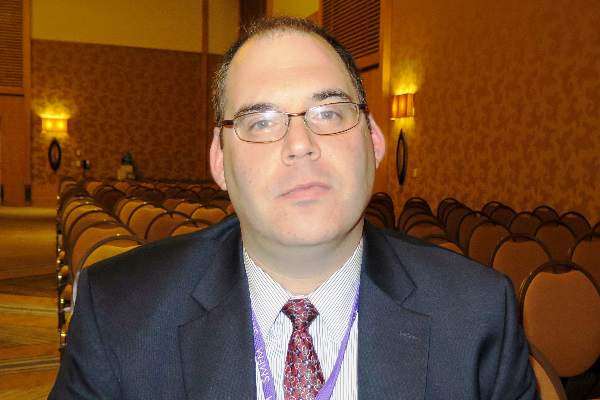
“Small for gestational age (SGA) newborns and fetuses are known to be at increased risk of stillbirth, neonatal morbidity and mortality, and adult disease,” Dr. Larkin said in an interview in advance of the meeting. “We show that ultrasound is not a good tool for identifying fetuses that are destined to be SGA at birth. However, for those babies that are SGA when they’re born (the smaller 10% of newborns) fetal growth ultrasound appears to be an effective tool for stratifying risk in the neonatal period.”
In a study led by Dr. Larkin of the division of maternal-fetal medicine in the department of obstetrics, gynecology, and reproductive sciences at the University of Pittsburgh, researchers retrospectively evaluated 125,069 nonanomalous singletons, delivered beyond 24 weeks at the university’s Magee-Womens Hospital between 1995 and 2011. Using Alexander’s nomogram, newborns were classified as appropriate for gestational age (AGA; weight at 10%-89% for GA) or SGA, which were categorized into three groups: no growth ultrasound (US) in third trimester; US in the third trimester but no diagnosis of fetal growth restriction (FGR); and diagnosed as FGR antenatally. An Apgar score of less than 4 at 5 minutes and neonatal mortality were adjusted for nulliparity, maternal education, tobacco use, race, marital status, and neonatal gender.
Of the 125,069 newborns evaluated, 10% (12,474) were SGA. Of these, 81% (10,140) did not have US after 24 weeks, a finding that surprised Dr. Larkin. Of those 2,334 SGA who had a growth US, 81% were not identified as FGR. Overall, only 3% (431) of SGA were detected antenatally as FGR. SGA newborns who were found to have an estimated fetal weight below the 10th percentile, and thus labeled as growth restricted, were at significantly increased risk of neonatal death (adjusted odds ratio, 15.39). On the other hand, newborns with birth weights below the 10th percentile who had an ultrasound before birth that found them to be appropriately grown were at no greater risk of neonatal death or low Apgar score than were newborns with normal birth weights (aOR, 1.19 and 1.34, respectively).
A key strength of the study, Dr. Larkin said, was its large sample size and the fact that US data was linked to neonatal outcomes. Limitations of the study include the absence of stillbirths in the cohort. “Also, the data used was not collected as part of a protocol, and all ultrasounds were obtained for clinical indications, which makes it difficult to compare outcomes in patient that had ultrasound and those that didn’t without bias,” he said.
Dr. Larkin reported having no relevant financial conflicts.
On Twitter @dougbrunk
SAN DIEGO – Fetal growth ultrasound does not identify fetuses destined to be small for gestational age at birth, but it does identify fetuses with increased risk of significant morbidity and mortality in the postnatal period.
Those are key findings from a large retrospective study presented by Dr. Jacob C. Larkin at the annual Pregnancy Meeting sponsored by the Society for Maternal-Fetal Medicine.
“Small for gestational age (SGA) newborns and fetuses are known to be at increased risk of stillbirth, neonatal morbidity and mortality, and adult disease,” Dr. Larkin said in an interview in advance of the meeting. “We show that ultrasound is not a good tool for identifying fetuses that are destined to be SGA at birth. However, for those babies that are SGA when they’re born (the smaller 10% of newborns) fetal growth ultrasound appears to be an effective tool for stratifying risk in the neonatal period.”
In a study led by Dr. Larkin of the division of maternal-fetal medicine in the department of obstetrics, gynecology, and reproductive sciences at the University of Pittsburgh, researchers retrospectively evaluated 125,069 nonanomalous singletons, delivered beyond 24 weeks at the university’s Magee-Womens Hospital between 1995 and 2011. Using Alexander’s nomogram, newborns were classified as appropriate for gestational age (AGA; weight at 10%-89% for GA) or SGA, which were categorized into three groups: no growth ultrasound (US) in third trimester; US in the third trimester but no diagnosis of fetal growth restriction (FGR); and diagnosed as FGR antenatally. An Apgar score of less than 4 at 5 minutes and neonatal mortality were adjusted for nulliparity, maternal education, tobacco use, race, marital status, and neonatal gender.
Of the 125,069 newborns evaluated, 10% (12,474) were SGA. Of these, 81% (10,140) did not have US after 24 weeks, a finding that surprised Dr. Larkin. Of those 2,334 SGA who had a growth US, 81% were not identified as FGR. Overall, only 3% (431) of SGA were detected antenatally as FGR. SGA newborns who were found to have an estimated fetal weight below the 10th percentile, and thus labeled as growth restricted, were at significantly increased risk of neonatal death (adjusted odds ratio, 15.39). On the other hand, newborns with birth weights below the 10th percentile who had an ultrasound before birth that found them to be appropriately grown were at no greater risk of neonatal death or low Apgar score than were newborns with normal birth weights (aOR, 1.19 and 1.34, respectively).
A key strength of the study, Dr. Larkin said, was its large sample size and the fact that US data was linked to neonatal outcomes. Limitations of the study include the absence of stillbirths in the cohort. “Also, the data used was not collected as part of a protocol, and all ultrasounds were obtained for clinical indications, which makes it difficult to compare outcomes in patient that had ultrasound and those that didn’t without bias,” he said.
Dr. Larkin reported having no relevant financial conflicts.
On Twitter @dougbrunk
SAN DIEGO – Fetal growth ultrasound does not identify fetuses destined to be small for gestational age at birth, but it does identify fetuses with increased risk of significant morbidity and mortality in the postnatal period.
Those are key findings from a large retrospective study presented by Dr. Jacob C. Larkin at the annual Pregnancy Meeting sponsored by the Society for Maternal-Fetal Medicine.
“Small for gestational age (SGA) newborns and fetuses are known to be at increased risk of stillbirth, neonatal morbidity and mortality, and adult disease,” Dr. Larkin said in an interview in advance of the meeting. “We show that ultrasound is not a good tool for identifying fetuses that are destined to be SGA at birth. However, for those babies that are SGA when they’re born (the smaller 10% of newborns) fetal growth ultrasound appears to be an effective tool for stratifying risk in the neonatal period.”
In a study led by Dr. Larkin of the division of maternal-fetal medicine in the department of obstetrics, gynecology, and reproductive sciences at the University of Pittsburgh, researchers retrospectively evaluated 125,069 nonanomalous singletons, delivered beyond 24 weeks at the university’s Magee-Womens Hospital between 1995 and 2011. Using Alexander’s nomogram, newborns were classified as appropriate for gestational age (AGA; weight at 10%-89% for GA) or SGA, which were categorized into three groups: no growth ultrasound (US) in third trimester; US in the third trimester but no diagnosis of fetal growth restriction (FGR); and diagnosed as FGR antenatally. An Apgar score of less than 4 at 5 minutes and neonatal mortality were adjusted for nulliparity, maternal education, tobacco use, race, marital status, and neonatal gender.
Of the 125,069 newborns evaluated, 10% (12,474) were SGA. Of these, 81% (10,140) did not have US after 24 weeks, a finding that surprised Dr. Larkin. Of those 2,334 SGA who had a growth US, 81% were not identified as FGR. Overall, only 3% (431) of SGA were detected antenatally as FGR. SGA newborns who were found to have an estimated fetal weight below the 10th percentile, and thus labeled as growth restricted, were at significantly increased risk of neonatal death (adjusted odds ratio, 15.39). On the other hand, newborns with birth weights below the 10th percentile who had an ultrasound before birth that found them to be appropriately grown were at no greater risk of neonatal death or low Apgar score than were newborns with normal birth weights (aOR, 1.19 and 1.34, respectively).
A key strength of the study, Dr. Larkin said, was its large sample size and the fact that US data was linked to neonatal outcomes. Limitations of the study include the absence of stillbirths in the cohort. “Also, the data used was not collected as part of a protocol, and all ultrasounds were obtained for clinical indications, which makes it difficult to compare outcomes in patient that had ultrasound and those that didn’t without bias,” he said.
Dr. Larkin reported having no relevant financial conflicts.
On Twitter @dougbrunk
AT THE PREGNANCY MEETING
Key clinical point: Fetal growth ultrasound does not identify fetuses destined to be small for gestational age (SGA) at birth, but it does identify fetuses with increased risk of significant morbidity and mortality in the postnatal period.
Major finding: SGA newborns who were found to have an estimated fetal weight below the 10th percentile were at significantly increased risk of neonatal death (adjusted odds ratio, 15.39).
Data source: A retrospective study of 125,069 nonanomalous singletons, delivered beyond 24 weeks at Magee-Womens Hospital in Pittsburgh between 1995 and 2011.
Disclosures: Dr. Larkin reported having no relevant financial conflicts.
Combo skin prep solution reduces cesarean SSIs in obese women
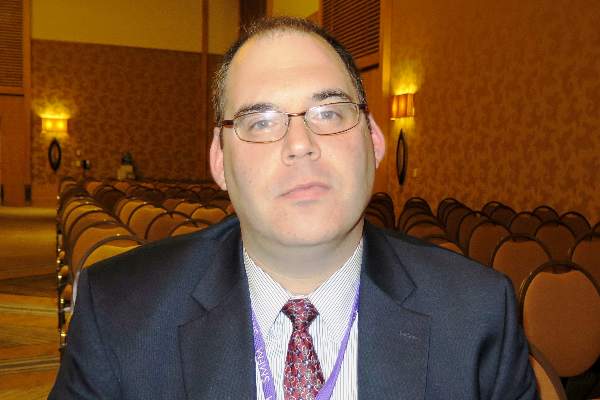
SAN DIEGO – The combination of povidone-iodine with chlorhexidine with alcohol reduced the rate of surgical site infections by 83% in obese women undergoing nonemergency cesarean deliveries, according to the results of a large randomized trial.
But among women with a lower body mass index (BMI < 40 kg/m2), there were no overall differences in surgical site infection (SSI) rates using either povidone-iodine with alcohol, chlorhexidine with alcohol, or a combination of both agents for the preparation of cesarean delivery.

“Body surface area is greater in this subset of patients, so the volume of prep solution could have played a role,” Dr. Ivan Ngai, one of the researchers, said in an interview. “Also, it’s known that the organism that colonizes skin in obese persons, compared with nonobese persons, is different, especially increased colonization by fungus. We think that’s why the prep combination played a role, because iodine is better against fungi than chlorhexidine.”
In what Dr. Ngai said is among the largest studies of its kind for cesarean deliveries, he and his associates randomized 1,404 women at greater than 37 weeks’ gestational age undergoing a nonemergent cesarean section between January 2013 and July 2014 to receive one of three preparations: povidone-iodine plus alcohol (povidone group); chlorhexidine plus alcohol (chlorhexidine group), or povidone-iodine plus alcohol and chlorhexidine plus alcohol (combination group).
The primary outcome was the rate of SSI within 30 days of the cesarean delivery. The researchers used univariate and multivariable regression models to determine whether specific prep groups and other clinical variables were independent predictors of SSI. They presented their findings at the annual Pregnancy Meeting sponsored by the Society for Maternal-Fetal Medicine.
The mean age of the study participants was 30 years old. Dr. Ngai reported that 457 women in the povidone group completed follow-up, compared with 454 in the chlorhexidine group and 454 patients in the combination group.
There were 60 (4.3%) SSIs, with no differences between skin prep groups in demographics, medical disorders, indications for cesarean, operative time, blood loss, or SSI rates. The SSI rate of 4.3% “was much lower than the 9%-14% usually reported in cesarean birth,” Dr. Ngai said. “We think it’s lower because we did not include cases of emergent cesarean delivery.”
Multivariable analysis revealed that increasing maternal BMI, excessive blood loss (greater than 1,000 mL), and preeclampsia were independent predictors of SSIs. Women in the combination group who had a BMI of 40 kg/m2 or greater had an 83% reduction in SSI (odds ratio, 0.17; P = .02).
While a formal cost analysis was not conducted, each surgical site infection averages about $3,500 extra health care dollars per event, said Dr. Ngai of the department of obstetrics and gynecology and women’s health at Albert Einstein College of Medicine, New York.
In the subgroup of patients with a BMI of 40 kg/m2 or greater, the researchers estimated that they would have to use combination prep on about 12 patients to prevent one SSI infection. This compared with using chlorhexidine prep alone on 21 patients to prevent one SSI infection.
“In a nonobese population, the difference between povidone-iodine or chlorhexidine or combination of the two with alcohol makes no difference in preventing SSI,” Dr. Ngai concluded. “But in the obese population, the combination of povidone-iodine with chlorhexidine with alcohol plays a significant role in reducing the SSI rate.”
The researchers reported having no relevant financial conflicts.
On Twitter @dougbrunk
SAN DIEGO – The combination of povidone-iodine with chlorhexidine with alcohol reduced the rate of surgical site infections by 83% in obese women undergoing nonemergency cesarean deliveries, according to the results of a large randomized trial.
But among women with a lower body mass index (BMI < 40 kg/m2), there were no overall differences in surgical site infection (SSI) rates using either povidone-iodine with alcohol, chlorhexidine with alcohol, or a combination of both agents for the preparation of cesarean delivery.
“Body surface area is greater in this subset of patients, so the volume of prep solution could have played a role,” Dr. Ivan Ngai, one of the researchers, said in an interview. “Also, it’s known that the organism that colonizes skin in obese persons, compared with nonobese persons, is different, especially increased colonization by fungus. We think that’s why the prep combination played a role, because iodine is better against fungi than chlorhexidine.”
In what Dr. Ngai said is among the largest studies of its kind for cesarean deliveries, he and his associates randomized 1,404 women at greater than 37 weeks’ gestational age undergoing a nonemergent cesarean section between January 2013 and July 2014 to receive one of three preparations: povidone-iodine plus alcohol (povidone group); chlorhexidine plus alcohol (chlorhexidine group), or povidone-iodine plus alcohol and chlorhexidine plus alcohol (combination group).
The primary outcome was the rate of SSI within 30 days of the cesarean delivery. The researchers used univariate and multivariable regression models to determine whether specific prep groups and other clinical variables were independent predictors of SSI. They presented their findings at the annual Pregnancy Meeting sponsored by the Society for Maternal-Fetal Medicine.
The mean age of the study participants was 30 years old. Dr. Ngai reported that 457 women in the povidone group completed follow-up, compared with 454 in the chlorhexidine group and 454 patients in the combination group.
There were 60 (4.3%) SSIs, with no differences between skin prep groups in demographics, medical disorders, indications for cesarean, operative time, blood loss, or SSI rates. The SSI rate of 4.3% “was much lower than the 9%-14% usually reported in cesarean birth,” Dr. Ngai said. “We think it’s lower because we did not include cases of emergent cesarean delivery.”
Multivariable analysis revealed that increasing maternal BMI, excessive blood loss (greater than 1,000 mL), and preeclampsia were independent predictors of SSIs. Women in the combination group who had a BMI of 40 kg/m2 or greater had an 83% reduction in SSI (odds ratio, 0.17; P = .02).
While a formal cost analysis was not conducted, each surgical site infection averages about $3,500 extra health care dollars per event, said Dr. Ngai of the department of obstetrics and gynecology and women’s health at Albert Einstein College of Medicine, New York.
In the subgroup of patients with a BMI of 40 kg/m2 or greater, the researchers estimated that they would have to use combination prep on about 12 patients to prevent one SSI infection. This compared with using chlorhexidine prep alone on 21 patients to prevent one SSI infection.
“In a nonobese population, the difference between povidone-iodine or chlorhexidine or combination of the two with alcohol makes no difference in preventing SSI,” Dr. Ngai concluded. “But in the obese population, the combination of povidone-iodine with chlorhexidine with alcohol plays a significant role in reducing the SSI rate.”
The researchers reported having no relevant financial conflicts.
On Twitter @dougbrunk
SAN DIEGO – The combination of povidone-iodine with chlorhexidine with alcohol reduced the rate of surgical site infections by 83% in obese women undergoing nonemergency cesarean deliveries, according to the results of a large randomized trial.
But among women with a lower body mass index (BMI < 40 kg/m2), there were no overall differences in surgical site infection (SSI) rates using either povidone-iodine with alcohol, chlorhexidine with alcohol, or a combination of both agents for the preparation of cesarean delivery.
“Body surface area is greater in this subset of patients, so the volume of prep solution could have played a role,” Dr. Ivan Ngai, one of the researchers, said in an interview. “Also, it’s known that the organism that colonizes skin in obese persons, compared with nonobese persons, is different, especially increased colonization by fungus. We think that’s why the prep combination played a role, because iodine is better against fungi than chlorhexidine.”
In what Dr. Ngai said is among the largest studies of its kind for cesarean deliveries, he and his associates randomized 1,404 women at greater than 37 weeks’ gestational age undergoing a nonemergent cesarean section between January 2013 and July 2014 to receive one of three preparations: povidone-iodine plus alcohol (povidone group); chlorhexidine plus alcohol (chlorhexidine group), or povidone-iodine plus alcohol and chlorhexidine plus alcohol (combination group).
The primary outcome was the rate of SSI within 30 days of the cesarean delivery. The researchers used univariate and multivariable regression models to determine whether specific prep groups and other clinical variables were independent predictors of SSI. They presented their findings at the annual Pregnancy Meeting sponsored by the Society for Maternal-Fetal Medicine.
The mean age of the study participants was 30 years old. Dr. Ngai reported that 457 women in the povidone group completed follow-up, compared with 454 in the chlorhexidine group and 454 patients in the combination group.
There were 60 (4.3%) SSIs, with no differences between skin prep groups in demographics, medical disorders, indications for cesarean, operative time, blood loss, or SSI rates. The SSI rate of 4.3% “was much lower than the 9%-14% usually reported in cesarean birth,” Dr. Ngai said. “We think it’s lower because we did not include cases of emergent cesarean delivery.”
Multivariable analysis revealed that increasing maternal BMI, excessive blood loss (greater than 1,000 mL), and preeclampsia were independent predictors of SSIs. Women in the combination group who had a BMI of 40 kg/m2 or greater had an 83% reduction in SSI (odds ratio, 0.17; P = .02).
While a formal cost analysis was not conducted, each surgical site infection averages about $3,500 extra health care dollars per event, said Dr. Ngai of the department of obstetrics and gynecology and women’s health at Albert Einstein College of Medicine, New York.
In the subgroup of patients with a BMI of 40 kg/m2 or greater, the researchers estimated that they would have to use combination prep on about 12 patients to prevent one SSI infection. This compared with using chlorhexidine prep alone on 21 patients to prevent one SSI infection.
“In a nonobese population, the difference between povidone-iodine or chlorhexidine or combination of the two with alcohol makes no difference in preventing SSI,” Dr. Ngai concluded. “But in the obese population, the combination of povidone-iodine with chlorhexidine with alcohol plays a significant role in reducing the SSI rate.”
The researchers reported having no relevant financial conflicts.
On Twitter @dougbrunk
AT THE PREGNANCY MEETING
Key clinical point: The combination of povidone-iodine with chlorhexidine plus alcohol plays a significant role in reducing the rate of surgical site infections for the preparation of cesarean delivery in women with a BMI of 40 kg/m2or greater. The association was not observed in women with a lower body mass index.
Major finding: Women who received a combination of povidone-iodine with chlorhexidine plus alcohol and who had a BMI of 40 kg/m2 or greater had an 83% reduction in surgical site infections.
Data source: A randomized, controlled trial of 1,404 pregnant women undergoing nonemergent cesarean section between January 2013 and July 2014.
Disclosures:The researchers reported having no financial disclosures.

Labor induction with oral misoprostol comparable to Foley catheter
SAN DIEGO – In women with an unfavorable cervix at term, induction of labor with oral misoprostol was comparable to the Foley catheter in terms of effectiveness and safety, results from a multicenter Dutch study demonstrated.
Between 20% and 30% of pregnant women are induced in Western countries, and around 10% in the developing world, Dr. Mieke L.G. ten Eikelder said at the annual Pregnancy Meeting sponsored by the Society for Maternal-Fetal Medicine.
“When cervical ripening is necessary, the safest method is still unclear. Current guidelines suggest prostaglandin E analogues and [note that] the Foley catheter is a reasonable and effective alternative.”

In 2011, researchers published results from the PROBAAT trial, which found that induction with a Foley catheter was just as effective as prostaglandins, with less neonatal and maternal morbidity (Lancet 2011;378:2095-2103). For the current noninferiority trial, known as PROBAAT-II, the researchers set out to study the safety and effectiveness of labor induction using oral misoprostol, compared with transcervical catheter in term pregnant women with an unfavorable cervix.
Between July 2012 and October 2013, Dr. ten Eikelder of the department of obstetrics and gynecology at Leiden University Medical Center, the Netherlands, and her associates in 28 other Dutch hospitals, enrolled 1,845 women with a term singleton pregnancy in cephalic presentation, intact membranes, an unfavorable cervix, without prior cesarean section.
The researchers randomly assigned 924 women to 50 mcg oral misoprostol administered every 4 hours (for a maximum of three times in a 24-hour period) and 921 women to 30 mL Foley catheter. The primary outcome was a composite of asphyxia (an arterial umbilical cord pH of 7.05 or lower, and/or a 5-minute Apgar score of less than 7) and/or postpartum hemorrhage (greater than or equal to 1,000 mL). Secondary outcomes were maternal and neonatal morbidity and time from intervention to birth. Analyses were done by intention to treat.
The primary composite outcome occurred in 12% of patients in both the oral misoprostol and Foley catheter groups, for a risk ratio of 1.1, Dr. ten Eikelder reported. Spontaneous vaginal delivery did not differ between the two groups (70% vs. 70%; relative risk 0.99), nor did the rates of delivery by cesarean section (17% vs. 20%; RR 0.84) or by vaginal instrument (14% vs. 10%; RR 1.4).
However, cesarean section for failure to progress occurred less frequently in the oral misoprostol group, compared with the Foley catheter group (6% vs. 11%, RR 0.58). The time from the start of induction to delivery was comparable between the two groups and there were no cases of serious maternal or neonatal morbidity.
“In women with an unfavorable cervix at term, induction of labor with oral misoprostol and Foley catheter are comparable in terms of safety and effectiveness,” Dr. ten Eikelder said.
The study was funded by Fonds NutsOhra, a Dutch health research and development organization. Dr. ten Eikelder reported that she and the other researchers had no relevant financial disclosures.
On Twitter @dougbrunk
SAN DIEGO – In women with an unfavorable cervix at term, induction of labor with oral misoprostol was comparable to the Foley catheter in terms of effectiveness and safety, results from a multicenter Dutch study demonstrated.
Between 20% and 30% of pregnant women are induced in Western countries, and around 10% in the developing world, Dr. Mieke L.G. ten Eikelder said at the annual Pregnancy Meeting sponsored by the Society for Maternal-Fetal Medicine.
“When cervical ripening is necessary, the safest method is still unclear. Current guidelines suggest prostaglandin E analogues and [note that] the Foley catheter is a reasonable and effective alternative.”
In 2011, researchers published results from the PROBAAT trial, which found that induction with a Foley catheter was just as effective as prostaglandins, with less neonatal and maternal morbidity (Lancet 2011;378:2095-2103). For the current noninferiority trial, known as PROBAAT-II, the researchers set out to study the safety and effectiveness of labor induction using oral misoprostol, compared with transcervical catheter in term pregnant women with an unfavorable cervix.
Between July 2012 and October 2013, Dr. ten Eikelder of the department of obstetrics and gynecology at Leiden University Medical Center, the Netherlands, and her associates in 28 other Dutch hospitals, enrolled 1,845 women with a term singleton pregnancy in cephalic presentation, intact membranes, an unfavorable cervix, without prior cesarean section.
The researchers randomly assigned 924 women to 50 mcg oral misoprostol administered every 4 hours (for a maximum of three times in a 24-hour period) and 921 women to 30 mL Foley catheter. The primary outcome was a composite of asphyxia (an arterial umbilical cord pH of 7.05 or lower, and/or a 5-minute Apgar score of less than 7) and/or postpartum hemorrhage (greater than or equal to 1,000 mL). Secondary outcomes were maternal and neonatal morbidity and time from intervention to birth. Analyses were done by intention to treat.
The primary composite outcome occurred in 12% of patients in both the oral misoprostol and Foley catheter groups, for a risk ratio of 1.1, Dr. ten Eikelder reported. Spontaneous vaginal delivery did not differ between the two groups (70% vs. 70%; relative risk 0.99), nor did the rates of delivery by cesarean section (17% vs. 20%; RR 0.84) or by vaginal instrument (14% vs. 10%; RR 1.4).
However, cesarean section for failure to progress occurred less frequently in the oral misoprostol group, compared with the Foley catheter group (6% vs. 11%, RR 0.58). The time from the start of induction to delivery was comparable between the two groups and there were no cases of serious maternal or neonatal morbidity.
“In women with an unfavorable cervix at term, induction of labor with oral misoprostol and Foley catheter are comparable in terms of safety and effectiveness,” Dr. ten Eikelder said.
The study was funded by Fonds NutsOhra, a Dutch health research and development organization. Dr. ten Eikelder reported that she and the other researchers had no relevant financial disclosures.
On Twitter @dougbrunk
SAN DIEGO – In women with an unfavorable cervix at term, induction of labor with oral misoprostol was comparable to the Foley catheter in terms of effectiveness and safety, results from a multicenter Dutch study demonstrated.
Between 20% and 30% of pregnant women are induced in Western countries, and around 10% in the developing world, Dr. Mieke L.G. ten Eikelder said at the annual Pregnancy Meeting sponsored by the Society for Maternal-Fetal Medicine.
“When cervical ripening is necessary, the safest method is still unclear. Current guidelines suggest prostaglandin E analogues and [note that] the Foley catheter is a reasonable and effective alternative.”
In 2011, researchers published results from the PROBAAT trial, which found that induction with a Foley catheter was just as effective as prostaglandins, with less neonatal and maternal morbidity (Lancet 2011;378:2095-2103). For the current noninferiority trial, known as PROBAAT-II, the researchers set out to study the safety and effectiveness of labor induction using oral misoprostol, compared with transcervical catheter in term pregnant women with an unfavorable cervix.
Between July 2012 and October 2013, Dr. ten Eikelder of the department of obstetrics and gynecology at Leiden University Medical Center, the Netherlands, and her associates in 28 other Dutch hospitals, enrolled 1,845 women with a term singleton pregnancy in cephalic presentation, intact membranes, an unfavorable cervix, without prior cesarean section.
The researchers randomly assigned 924 women to 50 mcg oral misoprostol administered every 4 hours (for a maximum of three times in a 24-hour period) and 921 women to 30 mL Foley catheter. The primary outcome was a composite of asphyxia (an arterial umbilical cord pH of 7.05 or lower, and/or a 5-minute Apgar score of less than 7) and/or postpartum hemorrhage (greater than or equal to 1,000 mL). Secondary outcomes were maternal and neonatal morbidity and time from intervention to birth. Analyses were done by intention to treat.
The primary composite outcome occurred in 12% of patients in both the oral misoprostol and Foley catheter groups, for a risk ratio of 1.1, Dr. ten Eikelder reported. Spontaneous vaginal delivery did not differ between the two groups (70% vs. 70%; relative risk 0.99), nor did the rates of delivery by cesarean section (17% vs. 20%; RR 0.84) or by vaginal instrument (14% vs. 10%; RR 1.4).
However, cesarean section for failure to progress occurred less frequently in the oral misoprostol group, compared with the Foley catheter group (6% vs. 11%, RR 0.58). The time from the start of induction to delivery was comparable between the two groups and there were no cases of serious maternal or neonatal morbidity.
“In women with an unfavorable cervix at term, induction of labor with oral misoprostol and Foley catheter are comparable in terms of safety and effectiveness,” Dr. ten Eikelder said.
The study was funded by Fonds NutsOhra, a Dutch health research and development organization. Dr. ten Eikelder reported that she and the other researchers had no relevant financial disclosures.
On Twitter @dougbrunk
AT THE PREGNANCY MEETING
Key clinical point: Oral misoprostol was not inferior to Foley catheter for labor induction in women with an unfavorable cervix at term.
Major finding: The primary outcome (a composite of asphyxia and/or postpartum hemorrhage) occurred in 12% of patients in both the oral misoprostol and Foley catheter groups, for a risk ratio of 1.1.
Data source: A noninferiority study of 1845 women conducted at 29 hospitals in the Netherlands.
Disclosures: The study was funded by Fonds NutsOhra, a Dutch health research and development organization. Dr. ten Eikelder said that she and the other researchers had no relevant financial disclosures.
Half of patients elect head and neck surgery before meeting surgeon
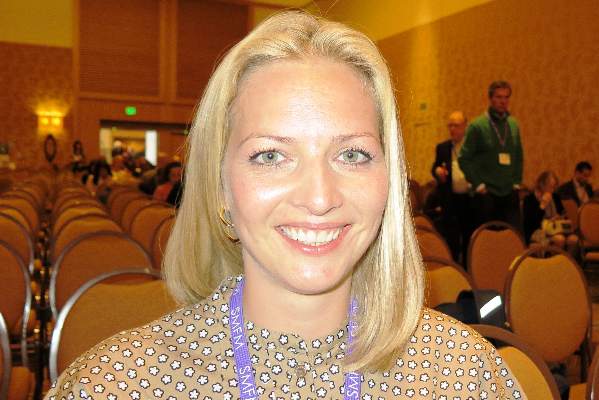
CORONADO, CALIF. – About half of patients decide to undergo head and neck surgery even before meeting their surgeon, and concerns about cost of the procedure weigh heavily on their minds, results from a pilot study demonstrated.
In an effort to determine which factors influence patient decision making about elective surgery in otolaryngology, lead study author Dr. Maya G. Sardesai and her associates surveyed 48 consecutive adults who underwent head and neck surgery performed by one of six surgeons at Harborview Medical Center, Seattle, between March and September 2014.

The effort “rose from an observation in her clinical practice that, despite similar degrees of disease burden and similar counseling, patients sometimes show widely divergent degrees of enthusiasm for elective procedures,” Dr. Sardesai of the department of otolaryngology-head and neck surgery at the medical center said at the Triological Society’s Combined Sections Meeting. “This prompted the question: What information influences decision making in this setting?”
Current guidelines emphasize discussing the risks and benefits of surgery in the informed consent process, she continued, “but some studies of decision making in this setting have suggested that other factors might also influence decisions, such as family advice, social perception, and cost. There’s limited data in the otolaryngology literature about this, even though there’s a preponderance of quality-of-life surgery with low but potentially significant risks.”
With input from patients and surgeons, the researchers created a 35-question survey and administered it in the surgeon’s office, with questions that centered around the timing of the procedure, advice of others, sources of information, and their approach to decision making. More than half of patients (56%) were undergoing tonsillectomy, followed by a nasal procedure (48%), palate procedure (44%), midline glossectomy (35%), hyoid suspension (4%), genioglossus advancement (4%), laryngeal procedure (2%), and other (6%). (The numbers exceeded 100% because some patients underwent more than one procedure.)
Nearly half of subjects (49%) reported making their decision to pursue surgery even before their surgical consultation or meeting their surgeon. The researchers then divided the cohort into patients who had decided to pursue surgery before or after meeting their surgeon. Among those who made the decision before meeting the surgeon, 64% rated information they received from their primary care provider as very important, while 100% rated information they received from the surgeon as very important. These percentages were similar among patients who made the decision after meeting the surgeon (43% and 96%, respectively).
Patients who made their decision to pursue surgery after meeting their surgeon also were more likely to weigh information received from the Internet as more important, compared with patients who made their decision before meeting their surgeon (38% vs. 20%). “This difference was not statistically significant,” Dr. Sardesai said at the meeting, which was jointly sponsored by the Triological Society and the American College of Surgeons. “All patients felt that Internet information seemed important.”
Patients in both groups weighed concerns about symptoms as very important (in the range of 83%), which rated “highly if not more than concerns about the risks with or without surgery (70%).” Finally, she and her associates found that 49% of patients in both groups considered the cost of medical bills as very important, “which is an interesting finding, because our current consent process doesn’t include much discussion about monetary costs of treatment.”
Overall, the findings suggest that otolaryngologists and head and neck surgeons should reach out to referring providers “to ensure that they are well informed about the indications, benefits, limitation, and risks of head and neck surgeries,” Dr. Sardesai concluded. “This may also enhance opportunities for shared and collaborative decision making. If decisions are being made prior to consultation, it begs the question about whether there are potential surgery candidates who defer surgical consultation altogether, and thus may be missing opportunities for better care. As otolaryngologists, we should also take an active role in providing and curating information from the Internet, since this is currently likely an increasingly important source of information for patients.”
She acknowledged certain limitations of the study, including its small sample size and the potential for recall bias. In addition, the survey “was administered in a surgeon’s office, which might bias patients to overemphasize the role of the surgeon,” she said. “Our future plans are to administer an enhanced version of the survey to broader [practice settings] to better understand these differences.”
Dr. Sardesai reported having no relevant financial conflicts.
On Twitter @dougbrunk
CORONADO, CALIF. – About half of patients decide to undergo head and neck surgery even before meeting their surgeon, and concerns about cost of the procedure weigh heavily on their minds, results from a pilot study demonstrated.
In an effort to determine which factors influence patient decision making about elective surgery in otolaryngology, lead study author Dr. Maya G. Sardesai and her associates surveyed 48 consecutive adults who underwent head and neck surgery performed by one of six surgeons at Harborview Medical Center, Seattle, between March and September 2014.
The effort “rose from an observation in her clinical practice that, despite similar degrees of disease burden and similar counseling, patients sometimes show widely divergent degrees of enthusiasm for elective procedures,” Dr. Sardesai of the department of otolaryngology-head and neck surgery at the medical center said at the Triological Society’s Combined Sections Meeting. “This prompted the question: What information influences decision making in this setting?”
Current guidelines emphasize discussing the risks and benefits of surgery in the informed consent process, she continued, “but some studies of decision making in this setting have suggested that other factors might also influence decisions, such as family advice, social perception, and cost. There’s limited data in the otolaryngology literature about this, even though there’s a preponderance of quality-of-life surgery with low but potentially significant risks.”
With input from patients and surgeons, the researchers created a 35-question survey and administered it in the surgeon’s office, with questions that centered around the timing of the procedure, advice of others, sources of information, and their approach to decision making. More than half of patients (56%) were undergoing tonsillectomy, followed by a nasal procedure (48%), palate procedure (44%), midline glossectomy (35%), hyoid suspension (4%), genioglossus advancement (4%), laryngeal procedure (2%), and other (6%). (The numbers exceeded 100% because some patients underwent more than one procedure.)
Nearly half of subjects (49%) reported making their decision to pursue surgery even before their surgical consultation or meeting their surgeon. The researchers then divided the cohort into patients who had decided to pursue surgery before or after meeting their surgeon. Among those who made the decision before meeting the surgeon, 64% rated information they received from their primary care provider as very important, while 100% rated information they received from the surgeon as very important. These percentages were similar among patients who made the decision after meeting the surgeon (43% and 96%, respectively).
Patients who made their decision to pursue surgery after meeting their surgeon also were more likely to weigh information received from the Internet as more important, compared with patients who made their decision before meeting their surgeon (38% vs. 20%). “This difference was not statistically significant,” Dr. Sardesai said at the meeting, which was jointly sponsored by the Triological Society and the American College of Surgeons. “All patients felt that Internet information seemed important.”
Patients in both groups weighed concerns about symptoms as very important (in the range of 83%), which rated “highly if not more than concerns about the risks with or without surgery (70%).” Finally, she and her associates found that 49% of patients in both groups considered the cost of medical bills as very important, “which is an interesting finding, because our current consent process doesn’t include much discussion about monetary costs of treatment.”
Overall, the findings suggest that otolaryngologists and head and neck surgeons should reach out to referring providers “to ensure that they are well informed about the indications, benefits, limitation, and risks of head and neck surgeries,” Dr. Sardesai concluded. “This may also enhance opportunities for shared and collaborative decision making. If decisions are being made prior to consultation, it begs the question about whether there are potential surgery candidates who defer surgical consultation altogether, and thus may be missing opportunities for better care. As otolaryngologists, we should also take an active role in providing and curating information from the Internet, since this is currently likely an increasingly important source of information for patients.”
She acknowledged certain limitations of the study, including its small sample size and the potential for recall bias. In addition, the survey “was administered in a surgeon’s office, which might bias patients to overemphasize the role of the surgeon,” she said. “Our future plans are to administer an enhanced version of the survey to broader [practice settings] to better understand these differences.”
Dr. Sardesai reported having no relevant financial conflicts.
On Twitter @dougbrunk
CORONADO, CALIF. – About half of patients decide to undergo head and neck surgery even before meeting their surgeon, and concerns about cost of the procedure weigh heavily on their minds, results from a pilot study demonstrated.
In an effort to determine which factors influence patient decision making about elective surgery in otolaryngology, lead study author Dr. Maya G. Sardesai and her associates surveyed 48 consecutive adults who underwent head and neck surgery performed by one of six surgeons at Harborview Medical Center, Seattle, between March and September 2014.
The effort “rose from an observation in her clinical practice that, despite similar degrees of disease burden and similar counseling, patients sometimes show widely divergent degrees of enthusiasm for elective procedures,” Dr. Sardesai of the department of otolaryngology-head and neck surgery at the medical center said at the Triological Society’s Combined Sections Meeting. “This prompted the question: What information influences decision making in this setting?”
Current guidelines emphasize discussing the risks and benefits of surgery in the informed consent process, she continued, “but some studies of decision making in this setting have suggested that other factors might also influence decisions, such as family advice, social perception, and cost. There’s limited data in the otolaryngology literature about this, even though there’s a preponderance of quality-of-life surgery with low but potentially significant risks.”
With input from patients and surgeons, the researchers created a 35-question survey and administered it in the surgeon’s office, with questions that centered around the timing of the procedure, advice of others, sources of information, and their approach to decision making. More than half of patients (56%) were undergoing tonsillectomy, followed by a nasal procedure (48%), palate procedure (44%), midline glossectomy (35%), hyoid suspension (4%), genioglossus advancement (4%), laryngeal procedure (2%), and other (6%). (The numbers exceeded 100% because some patients underwent more than one procedure.)
Nearly half of subjects (49%) reported making their decision to pursue surgery even before their surgical consultation or meeting their surgeon. The researchers then divided the cohort into patients who had decided to pursue surgery before or after meeting their surgeon. Among those who made the decision before meeting the surgeon, 64% rated information they received from their primary care provider as very important, while 100% rated information they received from the surgeon as very important. These percentages were similar among patients who made the decision after meeting the surgeon (43% and 96%, respectively).
Patients who made their decision to pursue surgery after meeting their surgeon also were more likely to weigh information received from the Internet as more important, compared with patients who made their decision before meeting their surgeon (38% vs. 20%). “This difference was not statistically significant,” Dr. Sardesai said at the meeting, which was jointly sponsored by the Triological Society and the American College of Surgeons. “All patients felt that Internet information seemed important.”
Patients in both groups weighed concerns about symptoms as very important (in the range of 83%), which rated “highly if not more than concerns about the risks with or without surgery (70%).” Finally, she and her associates found that 49% of patients in both groups considered the cost of medical bills as very important, “which is an interesting finding, because our current consent process doesn’t include much discussion about monetary costs of treatment.”
Overall, the findings suggest that otolaryngologists and head and neck surgeons should reach out to referring providers “to ensure that they are well informed about the indications, benefits, limitation, and risks of head and neck surgeries,” Dr. Sardesai concluded. “This may also enhance opportunities for shared and collaborative decision making. If decisions are being made prior to consultation, it begs the question about whether there are potential surgery candidates who defer surgical consultation altogether, and thus may be missing opportunities for better care. As otolaryngologists, we should also take an active role in providing and curating information from the Internet, since this is currently likely an increasingly important source of information for patients.”
She acknowledged certain limitations of the study, including its small sample size and the potential for recall bias. In addition, the survey “was administered in a surgeon’s office, which might bias patients to overemphasize the role of the surgeon,” she said. “Our future plans are to administer an enhanced version of the survey to broader [practice settings] to better understand these differences.”
Dr. Sardesai reported having no relevant financial conflicts.
On Twitter @dougbrunk
AT THE COMBINED SECTIONS WINTER MEETING
Key clinical point: Otolaryngologists and head and neck surgeons should ensure that primary and referring providers are well educated about elective head and neck procedures.
Major finding: Nearly half of patients opted for elective head and neck surgery even before meeting their surgeon.
Data source: A survey of 48 consecutive adults who underwent elective head and neck surgery between March and September 2014.
Disclosures: Dr. Sardesai reported having no financial disclosures.
NMBAs not linked to longer LOS after pediatric tracheostomy
CORONADO, CALIF. – The use of neuromuscular blockade agents in pediatric patients after tracheostomy was not an independent predictor of longer hospital length of stay, results from a 3-year, single-center study suggest. Factors which portended a longer length of stay including having a longer preoperative length of stay and being cared for in the neonatal intensive care unit.
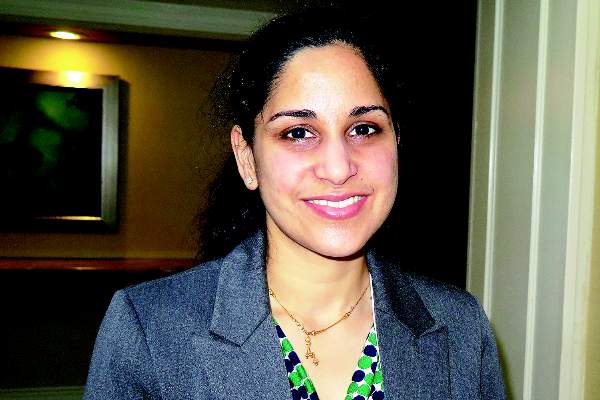
“Across the country there are widespread initiatives to improve quality of care,” study coauthor Eric Bauer said at the Triological Society’s Combined Sections Meeting.
“Tracheostomy has been identified as a contributor to prolonged length of stay. Additionally, it’s a procedure associated with increased rates of pediatric otolaryngology infections and major adverse events including accidental decannulation. However, the factors which increase prolonged hospital stay have not been determined.”

Mr. Bauer, a fourth-year medical student at the Ohio State University, Columbus, noted that some published studies in the medical literature that focus on the use of neuromuscular blockade agents (NMBAs) following pediatric single-stage laryngeal or tracheal reconstruction suggest that these medications may prolong hospital stay and increase complication risk. “Therefore, the goal of our study was to determine if the use of NMBAs in pediatric patients following tracheostomy is associated with a prolonged length of stay,” he said at the meeting jointly sponsored by the Triological Society and the American College of Surgeons..
Mr. Bauer and his fellow researchers performed a retrospective chart review from 2010 to 2013 for all tracheostomies performed and cared for in the neonatal and pediatric intensive care units of Nationwide Children’s Hospital, Columbus. In all, 114 patients were included, 26 of whom received neuromuscular blockade agents in the postoperative period. Patients cared for in the cardiothoracic ICU were excluded from the analysis.
After collecting demographic, clinical, and 30-day outcome characteristics for all patients, the researchers observed no significant differences between those who received NMBAs and those who did not with respect to patient median age, gender, and baseline medical condition differences. “Patients who received NMBAs did have more cardiac illness (50% vs. 22% among those who did not receive NMBAs; P = .005), while patients who did not receive NMBAs had more neurologic disease (81% vs. 54%; P = .006),” Mr. Bauer said. “Overall, it was a medically complex patient group with a vast array of illnesses.”
Upper-airway obstruction was the most common indication for surgery, followed by cardiopulmonary and neurologic conditions. The researchers found that patients who did not receive NMBAs had more neurologic indications for tracheostomy, compared with their counterparts who did receive the agents (38% vs. 8%; P = .003), while patients who ultimately received NMBA had more cardiopulmonary indications for surgery (54% vs. 18%; P< .001).
In an analysis of preoperative factors, patients who ultimately received NMBA, compared with those who did not, had longer preoperative length of stay (LOS) (28-93 days vs. 59-224 days; P = .002), more respiratory failure 3 days prior to surgery (96% vs. 74%; P = .014), and prolonged intubation periods prior to surgery (0-24 days vs. 6-45 days; P = .009). However, location of care (NICU vs. PICU) was similar throughout. In addition, the physiologic status on the day of surgery as indicated by the Pediatric Risk of Mortality score was similar in both groups.
Mr. Bauer went on to report that preoperative interventions including 30-day use of glucocorticoids, inotropes, and aminoglycosides were similar between the two groups, as was the use of blood transfusions 48 hours prior to surgery. As for postoperative sedation, opioid use and pediatric daily dosing was similar between groups. However, the rate of dexmedetomidine use was twice as high in patients who ultimately received NMBAs, compared with those who did not (46% vs. 26%; P = .026).
In terms of outcomes, the rate of pressure ulcers, pneumonia, urinary tract infections, and other complications did not differ between the two groups, while the rate of mortality at the time of data collection was also similar (12% among those who received NMBAs and 15% among those who did not). This “mirrors the national average of 13%-20%,” Mr. Bauer said. “In addition, there were no mortalities related to the procedure itself.”
On univariate analysis, postoperative LOS was a median of 10 days longer in patients who received NMBAs, compared with those who did not (23 vs. 33 days, respectively; P = .043). After multivariate analysis, however, that association was no longer significant (P = .91). Multivariable analysis also found that patients with traumatic indications for tracheostomy placement had a 44% shorter LOS (P = .002), while those with upper-airway obstruction indications for tracheostomy placement had a 27% shorter LOS (P = .02). A similar association was observed in patients who tolerated oral nutrition prior to surgery, as compared with enteral nutrition (a 48% reduction in LOS; P< .001).
Factors which portended a longer postoperative LOS were preoperative lengths of stay that lasted 10 days or more (P less than .001) and being cared for in the neonatal vs. the pediatric ICU (P = .002).
“The use of paralytic agents in this complex cohort was not an independent predictor of longer LOS,” Mr. Bauer concluded. “Instead, factors such as preoperative LOS along with [certain] indications ultimately affected the LOS. Finally, the ideal sedative protocol following tracheostomy has not been determined and requires additional investigation.”
Mr. Bauer reported that neither he nor his associates had relevant financial conflicts to disclose.
On Twitter @dougbrunk
CORONADO, CALIF. – The use of neuromuscular blockade agents in pediatric patients after tracheostomy was not an independent predictor of longer hospital length of stay, results from a 3-year, single-center study suggest. Factors which portended a longer length of stay including having a longer preoperative length of stay and being cared for in the neonatal intensive care unit.
“Across the country there are widespread initiatives to improve quality of care,” study coauthor Eric Bauer said at the Triological Society’s Combined Sections Meeting.
“Tracheostomy has been identified as a contributor to prolonged length of stay. Additionally, it’s a procedure associated with increased rates of pediatric otolaryngology infections and major adverse events including accidental decannulation. However, the factors which increase prolonged hospital stay have not been determined.”
Mr. Bauer, a fourth-year medical student at the Ohio State University, Columbus, noted that some published studies in the medical literature that focus on the use of neuromuscular blockade agents (NMBAs) following pediatric single-stage laryngeal or tracheal reconstruction suggest that these medications may prolong hospital stay and increase complication risk. “Therefore, the goal of our study was to determine if the use of NMBAs in pediatric patients following tracheostomy is associated with a prolonged length of stay,” he said at the meeting jointly sponsored by the Triological Society and the American College of Surgeons..
Mr. Bauer and his fellow researchers performed a retrospective chart review from 2010 to 2013 for all tracheostomies performed and cared for in the neonatal and pediatric intensive care units of Nationwide Children’s Hospital, Columbus. In all, 114 patients were included, 26 of whom received neuromuscular blockade agents in the postoperative period. Patients cared for in the cardiothoracic ICU were excluded from the analysis.
After collecting demographic, clinical, and 30-day outcome characteristics for all patients, the researchers observed no significant differences between those who received NMBAs and those who did not with respect to patient median age, gender, and baseline medical condition differences. “Patients who received NMBAs did have more cardiac illness (50% vs. 22% among those who did not receive NMBAs; P = .005), while patients who did not receive NMBAs had more neurologic disease (81% vs. 54%; P = .006),” Mr. Bauer said. “Overall, it was a medically complex patient group with a vast array of illnesses.”
Upper-airway obstruction was the most common indication for surgery, followed by cardiopulmonary and neurologic conditions. The researchers found that patients who did not receive NMBAs had more neurologic indications for tracheostomy, compared with their counterparts who did receive the agents (38% vs. 8%; P = .003), while patients who ultimately received NMBA had more cardiopulmonary indications for surgery (54% vs. 18%; P< .001).
In an analysis of preoperative factors, patients who ultimately received NMBA, compared with those who did not, had longer preoperative length of stay (LOS) (28-93 days vs. 59-224 days; P = .002), more respiratory failure 3 days prior to surgery (96% vs. 74%; P = .014), and prolonged intubation periods prior to surgery (0-24 days vs. 6-45 days; P = .009). However, location of care (NICU vs. PICU) was similar throughout. In addition, the physiologic status on the day of surgery as indicated by the Pediatric Risk of Mortality score was similar in both groups.
Mr. Bauer went on to report that preoperative interventions including 30-day use of glucocorticoids, inotropes, and aminoglycosides were similar between the two groups, as was the use of blood transfusions 48 hours prior to surgery. As for postoperative sedation, opioid use and pediatric daily dosing was similar between groups. However, the rate of dexmedetomidine use was twice as high in patients who ultimately received NMBAs, compared with those who did not (46% vs. 26%; P = .026).
In terms of outcomes, the rate of pressure ulcers, pneumonia, urinary tract infections, and other complications did not differ between the two groups, while the rate of mortality at the time of data collection was also similar (12% among those who received NMBAs and 15% among those who did not). This “mirrors the national average of 13%-20%,” Mr. Bauer said. “In addition, there were no mortalities related to the procedure itself.”
On univariate analysis, postoperative LOS was a median of 10 days longer in patients who received NMBAs, compared with those who did not (23 vs. 33 days, respectively; P = .043). After multivariate analysis, however, that association was no longer significant (P = .91). Multivariable analysis also found that patients with traumatic indications for tracheostomy placement had a 44% shorter LOS (P = .002), while those with upper-airway obstruction indications for tracheostomy placement had a 27% shorter LOS (P = .02). A similar association was observed in patients who tolerated oral nutrition prior to surgery, as compared with enteral nutrition (a 48% reduction in LOS; P< .001).
Factors which portended a longer postoperative LOS were preoperative lengths of stay that lasted 10 days or more (P less than .001) and being cared for in the neonatal vs. the pediatric ICU (P = .002).
“The use of paralytic agents in this complex cohort was not an independent predictor of longer LOS,” Mr. Bauer concluded. “Instead, factors such as preoperative LOS along with [certain] indications ultimately affected the LOS. Finally, the ideal sedative protocol following tracheostomy has not been determined and requires additional investigation.”
Mr. Bauer reported that neither he nor his associates had relevant financial conflicts to disclose.
On Twitter @dougbrunk
CORONADO, CALIF. – The use of neuromuscular blockade agents in pediatric patients after tracheostomy was not an independent predictor of longer hospital length of stay, results from a 3-year, single-center study suggest. Factors which portended a longer length of stay including having a longer preoperative length of stay and being cared for in the neonatal intensive care unit.
“Across the country there are widespread initiatives to improve quality of care,” study coauthor Eric Bauer said at the Triological Society’s Combined Sections Meeting.
“Tracheostomy has been identified as a contributor to prolonged length of stay. Additionally, it’s a procedure associated with increased rates of pediatric otolaryngology infections and major adverse events including accidental decannulation. However, the factors which increase prolonged hospital stay have not been determined.”
Mr. Bauer, a fourth-year medical student at the Ohio State University, Columbus, noted that some published studies in the medical literature that focus on the use of neuromuscular blockade agents (NMBAs) following pediatric single-stage laryngeal or tracheal reconstruction suggest that these medications may prolong hospital stay and increase complication risk. “Therefore, the goal of our study was to determine if the use of NMBAs in pediatric patients following tracheostomy is associated with a prolonged length of stay,” he said at the meeting jointly sponsored by the Triological Society and the American College of Surgeons..
Mr. Bauer and his fellow researchers performed a retrospective chart review from 2010 to 2013 for all tracheostomies performed and cared for in the neonatal and pediatric intensive care units of Nationwide Children’s Hospital, Columbus. In all, 114 patients were included, 26 of whom received neuromuscular blockade agents in the postoperative period. Patients cared for in the cardiothoracic ICU were excluded from the analysis.
After collecting demographic, clinical, and 30-day outcome characteristics for all patients, the researchers observed no significant differences between those who received NMBAs and those who did not with respect to patient median age, gender, and baseline medical condition differences. “Patients who received NMBAs did have more cardiac illness (50% vs. 22% among those who did not receive NMBAs; P = .005), while patients who did not receive NMBAs had more neurologic disease (81% vs. 54%; P = .006),” Mr. Bauer said. “Overall, it was a medically complex patient group with a vast array of illnesses.”
Upper-airway obstruction was the most common indication for surgery, followed by cardiopulmonary and neurologic conditions. The researchers found that patients who did not receive NMBAs had more neurologic indications for tracheostomy, compared with their counterparts who did receive the agents (38% vs. 8%; P = .003), while patients who ultimately received NMBA had more cardiopulmonary indications for surgery (54% vs. 18%; P< .001).
In an analysis of preoperative factors, patients who ultimately received NMBA, compared with those who did not, had longer preoperative length of stay (LOS) (28-93 days vs. 59-224 days; P = .002), more respiratory failure 3 days prior to surgery (96% vs. 74%; P = .014), and prolonged intubation periods prior to surgery (0-24 days vs. 6-45 days; P = .009). However, location of care (NICU vs. PICU) was similar throughout. In addition, the physiologic status on the day of surgery as indicated by the Pediatric Risk of Mortality score was similar in both groups.
Mr. Bauer went on to report that preoperative interventions including 30-day use of glucocorticoids, inotropes, and aminoglycosides were similar between the two groups, as was the use of blood transfusions 48 hours prior to surgery. As for postoperative sedation, opioid use and pediatric daily dosing was similar between groups. However, the rate of dexmedetomidine use was twice as high in patients who ultimately received NMBAs, compared with those who did not (46% vs. 26%; P = .026).
In terms of outcomes, the rate of pressure ulcers, pneumonia, urinary tract infections, and other complications did not differ between the two groups, while the rate of mortality at the time of data collection was also similar (12% among those who received NMBAs and 15% among those who did not). This “mirrors the national average of 13%-20%,” Mr. Bauer said. “In addition, there were no mortalities related to the procedure itself.”
On univariate analysis, postoperative LOS was a median of 10 days longer in patients who received NMBAs, compared with those who did not (23 vs. 33 days, respectively; P = .043). After multivariate analysis, however, that association was no longer significant (P = .91). Multivariable analysis also found that patients with traumatic indications for tracheostomy placement had a 44% shorter LOS (P = .002), while those with upper-airway obstruction indications for tracheostomy placement had a 27% shorter LOS (P = .02). A similar association was observed in patients who tolerated oral nutrition prior to surgery, as compared with enteral nutrition (a 48% reduction in LOS; P< .001).
Factors which portended a longer postoperative LOS were preoperative lengths of stay that lasted 10 days or more (P less than .001) and being cared for in the neonatal vs. the pediatric ICU (P = .002).
“The use of paralytic agents in this complex cohort was not an independent predictor of longer LOS,” Mr. Bauer concluded. “Instead, factors such as preoperative LOS along with [certain] indications ultimately affected the LOS. Finally, the ideal sedative protocol following tracheostomy has not been determined and requires additional investigation.”
Mr. Bauer reported that neither he nor his associates had relevant financial conflicts to disclose.
On Twitter @dougbrunk
AT THE COMBINED SECTIONS WINTER MEETING
Key clinical point: The use of paralytic agents in pediatric patients after undergoing tracheostomy was not an independent predictor of longer postoperative hospital length of stay.
Major finding: Patients who ultimately received neuromuscular blockade agents, compared with those who did not, had longer preoperative LOS (28-93 days vs. 59-224 days; P = .002) and more respiratory failure three days prior to surgery (96% vs. 74%; P = .014).
Data source: A retrospective chart review of 114 tracheostomies performed and cared for in the neonatal and pediatric intensive care units of Nationwide Children’s Hospital from 2010 to 2013.
Disclosures: Mr. Bauer reported that neither he nor his associates had relevant financial conflicts to disclose.

Analysis examines glossectomy as solo treatment for sleep apnea
CORONADO, CALIF. – Results from a new meta-analysis suggest that glossectomy significantly improves sleep outcomes when performed as part of a multi-level surgery for adults with obstructive sleep apnea.
However, “there is insufficient evidence to analyze the role of glossectomy as a stand-alone procedure for the treatment of sleep apnea,” lead study author Dr. Alexander W. Murphey said in an interview in advance of The Triological Society’s Combined Sections meeting, where the work was presented. “The lack of available data for glossectomy as a single treatment was disappointing, and points to the need for further studies in this population.”

Glossectomy for OSA was first reported in 1991 as a salvage surgery after uvulopalatopharyngoplasty, said Dr. Murphey, who is completing a clinical research fellowship in the department of otolaryngology-head and neck surgery at Medical University of South Carolina, Charleston, under the mentoring of Dr. Marion B. Gillespie and Dr. Shaun A. Nguyen. Since that time, “many modifications have been made regarding technique and instrumentation with recent focus on minimally invasive techniques aimed at maximizing tissue reduction while limiting the inherent morbidity associated with glossectomy,” he said. “The aim of our study was to review and analyze all of the available literature on partial glossectomy for OSA in one study. Overall, there is a significant lack of research into glossectomy, and what literature is available include small, case-series that analyze glossectomy as part of complex, multi-level surgeries. This study represents the first large scale meta-analysis on the role of glossectomy, and attempts to determine the role of glossectomy both as part of multi-level surgery, and as a single, stand-alone sleep apnea treatment.”
Dr. Murphey used the PubMed-NCBI literature database to identify studies with 10 or more patients and reported preoperative and postoperative apnea-hypopnea index (AHI) scores. The primary endpoint was change in AHI while secondary endpoints included predefined surgical success rates, and changes in additional reported sleep outcomes such as Epworth Sleep Scores (ESS), Lowest Oxygen Saturation (LSAT), and snoring visual analog scale (VAS). The researchers reported results from 15 articles with 442 patients treated with three glossectomy techniques (midline glossectomy, lingualplasty, and submucosal minimally invasive lingual excision (SMILE). In pooled analyses that compared baseline vs. post-surgery, investigators observed significant reductions in AHI (from 48 to 20); ESS (from 12 to 5), and VAS (from 9 to 3; all with a P of less than .0001). In addition, they observed a significant increase in LSAT (from 77% to 84%; P less than .0001), according to the findings, presented at the meeting, which was jointly sponsored by the Triological Society and the American College of Surgeons.
Surgical success, which was defined as an AHI less than 20 and a greater than 50% reduction in AHI, was achieved in 56% of cases, while complications occurred in 18% of patients. Only 24 patients (5%) were treated with glossectomy as sole therapy for OSA. Among these 24 patients, significant reductions occurred in AHI (from 42 to 25; P=.0345) and ESS (from 12 to 7; P less than .0001).
Dr. Murphey acknowledged certain limitations of the analysis, including “a lack of quality research involving glossectomy, with the majority of available published data drawn from small, case-series without control arms,” he said. “Additionally, studies varied in surgical approach, inclusion criteria, and accompanying procedures in multi-level treatment. This makes it extremely difficult to truly compare treatments.”
The researchers reported having no relevant financial conflicts.
On Twitter @dougbrunk
CORONADO, CALIF. – Results from a new meta-analysis suggest that glossectomy significantly improves sleep outcomes when performed as part of a multi-level surgery for adults with obstructive sleep apnea.
However, “there is insufficient evidence to analyze the role of glossectomy as a stand-alone procedure for the treatment of sleep apnea,” lead study author Dr. Alexander W. Murphey said in an interview in advance of The Triological Society’s Combined Sections meeting, where the work was presented. “The lack of available data for glossectomy as a single treatment was disappointing, and points to the need for further studies in this population.”
Glossectomy for OSA was first reported in 1991 as a salvage surgery after uvulopalatopharyngoplasty, said Dr. Murphey, who is completing a clinical research fellowship in the department of otolaryngology-head and neck surgery at Medical University of South Carolina, Charleston, under the mentoring of Dr. Marion B. Gillespie and Dr. Shaun A. Nguyen. Since that time, “many modifications have been made regarding technique and instrumentation with recent focus on minimally invasive techniques aimed at maximizing tissue reduction while limiting the inherent morbidity associated with glossectomy,” he said. “The aim of our study was to review and analyze all of the available literature on partial glossectomy for OSA in one study. Overall, there is a significant lack of research into glossectomy, and what literature is available include small, case-series that analyze glossectomy as part of complex, multi-level surgeries. This study represents the first large scale meta-analysis on the role of glossectomy, and attempts to determine the role of glossectomy both as part of multi-level surgery, and as a single, stand-alone sleep apnea treatment.”
Dr. Murphey used the PubMed-NCBI literature database to identify studies with 10 or more patients and reported preoperative and postoperative apnea-hypopnea index (AHI) scores. The primary endpoint was change in AHI while secondary endpoints included predefined surgical success rates, and changes in additional reported sleep outcomes such as Epworth Sleep Scores (ESS), Lowest Oxygen Saturation (LSAT), and snoring visual analog scale (VAS). The researchers reported results from 15 articles with 442 patients treated with three glossectomy techniques (midline glossectomy, lingualplasty, and submucosal minimally invasive lingual excision (SMILE). In pooled analyses that compared baseline vs. post-surgery, investigators observed significant reductions in AHI (from 48 to 20); ESS (from 12 to 5), and VAS (from 9 to 3; all with a P of less than .0001). In addition, they observed a significant increase in LSAT (from 77% to 84%; P less than .0001), according to the findings, presented at the meeting, which was jointly sponsored by the Triological Society and the American College of Surgeons.
Surgical success, which was defined as an AHI less than 20 and a greater than 50% reduction in AHI, was achieved in 56% of cases, while complications occurred in 18% of patients. Only 24 patients (5%) were treated with glossectomy as sole therapy for OSA. Among these 24 patients, significant reductions occurred in AHI (from 42 to 25; P=.0345) and ESS (from 12 to 7; P less than .0001).
Dr. Murphey acknowledged certain limitations of the analysis, including “a lack of quality research involving glossectomy, with the majority of available published data drawn from small, case-series without control arms,” he said. “Additionally, studies varied in surgical approach, inclusion criteria, and accompanying procedures in multi-level treatment. This makes it extremely difficult to truly compare treatments.”
The researchers reported having no relevant financial conflicts.
On Twitter @dougbrunk
CORONADO, CALIF. – Results from a new meta-analysis suggest that glossectomy significantly improves sleep outcomes when performed as part of a multi-level surgery for adults with obstructive sleep apnea.
However, “there is insufficient evidence to analyze the role of glossectomy as a stand-alone procedure for the treatment of sleep apnea,” lead study author Dr. Alexander W. Murphey said in an interview in advance of The Triological Society’s Combined Sections meeting, where the work was presented. “The lack of available data for glossectomy as a single treatment was disappointing, and points to the need for further studies in this population.”
Glossectomy for OSA was first reported in 1991 as a salvage surgery after uvulopalatopharyngoplasty, said Dr. Murphey, who is completing a clinical research fellowship in the department of otolaryngology-head and neck surgery at Medical University of South Carolina, Charleston, under the mentoring of Dr. Marion B. Gillespie and Dr. Shaun A. Nguyen. Since that time, “many modifications have been made regarding technique and instrumentation with recent focus on minimally invasive techniques aimed at maximizing tissue reduction while limiting the inherent morbidity associated with glossectomy,” he said. “The aim of our study was to review and analyze all of the available literature on partial glossectomy for OSA in one study. Overall, there is a significant lack of research into glossectomy, and what literature is available include small, case-series that analyze glossectomy as part of complex, multi-level surgeries. This study represents the first large scale meta-analysis on the role of glossectomy, and attempts to determine the role of glossectomy both as part of multi-level surgery, and as a single, stand-alone sleep apnea treatment.”
Dr. Murphey used the PubMed-NCBI literature database to identify studies with 10 or more patients and reported preoperative and postoperative apnea-hypopnea index (AHI) scores. The primary endpoint was change in AHI while secondary endpoints included predefined surgical success rates, and changes in additional reported sleep outcomes such as Epworth Sleep Scores (ESS), Lowest Oxygen Saturation (LSAT), and snoring visual analog scale (VAS). The researchers reported results from 15 articles with 442 patients treated with three glossectomy techniques (midline glossectomy, lingualplasty, and submucosal minimally invasive lingual excision (SMILE). In pooled analyses that compared baseline vs. post-surgery, investigators observed significant reductions in AHI (from 48 to 20); ESS (from 12 to 5), and VAS (from 9 to 3; all with a P of less than .0001). In addition, they observed a significant increase in LSAT (from 77% to 84%; P less than .0001), according to the findings, presented at the meeting, which was jointly sponsored by the Triological Society and the American College of Surgeons.
Surgical success, which was defined as an AHI less than 20 and a greater than 50% reduction in AHI, was achieved in 56% of cases, while complications occurred in 18% of patients. Only 24 patients (5%) were treated with glossectomy as sole therapy for OSA. Among these 24 patients, significant reductions occurred in AHI (from 42 to 25; P=.0345) and ESS (from 12 to 7; P less than .0001).
Dr. Murphey acknowledged certain limitations of the analysis, including “a lack of quality research involving glossectomy, with the majority of available published data drawn from small, case-series without control arms,” he said. “Additionally, studies varied in surgical approach, inclusion criteria, and accompanying procedures in multi-level treatment. This makes it extremely difficult to truly compare treatments.”
The researchers reported having no relevant financial conflicts.
On Twitter @dougbrunk
AT THE COMBINED SECTIONS WINTER MEETING
Key clinical point: Among adults with obstructive sleep apnea, glossectomy significantly improved sleep outcomes when performed as part of a multi-level surgery, though evidence is sparse.
Major finding: There are no available data on the role of glossectomy as a stand-alone procedure for the treatment of OSA.
Data source: A meta-analysis of 15 articles concerning 442 patients treated with three glossectomy techniques (midline glossectomy, lingualplasty, and submucosal minimally invasive lingual excision.
Disclosures: The researchers reported having no financial disclosures.

FEVAR radiation injury reexamined
CORONADO, CALIF. – Skin injury following fenestrated endovascular aortic stent grafting is less prevalent than expected, results from a single-center retrospective study showed.
“Radiation-induced skin injury is a serious potential complication of fluoroscopically guided interventions,” Dr. Melissa L. Kirkwood said at the annual meeting of the Western Vascular Society. “These injuries are associated with a threshold radiation dose, above which the severity of injury increases with increasing dose. Instances of these injuries are mostly limited to case reports of coronary interventions, TIPS procedures, and neuroembolizations.”
These radiation-induced skin lesions can be classified as prompt, early, mid-term, or late depending on when they present following the fluoroscopically guided intervention. “The National Cancer Institute has defined four grades of skin injury, with the most frequent being transient erythema, a prompt reaction within the first 24 hours occurring at skin doses as low as 2 Gy,” said Dr. Kirkwood of the division of vascular and endovascular surgery at the University of Texas Southwestern Medical Center, Dallas. “With increasing skin doses, more severe effects present themselves. Atrophy, ulceration, and necrosis are possibilities.”
She went on to note that fenestrated endovascular aneurysm repair often requires high doses of radiation, yet the prevalence of deterministic skin injury following these cases is unknown. In a recent study, Dr. Kirkwood and her associates retrospectively reviewed 61 complex fluoroscopically guided interventions that met substantial radiation dose level (SRDL) criteria, which is defined by the National Council on Radiation and Protection Measurements as a reference air kerma (RAK) greater than or equal to 5 Gy (J. Vasc. Surg. 2014; 60:742-8).
“Despite mean peak skin doses as high as 6.5 Gy, ranging up to 18.5 Gy, we did not detect any skin injuries in this cohort,” Dr. Kirkwood said. “That study, however, was limited by its retrospective design. There was no postoperative protocol in place to ensure that a thorough skin exam was performed on each patient at every follow-up visit. Therefore, we hypothesized that a more thorough postoperative follow-up of patients would detect some skin injury following these cases.”For the current study, she and her associates sought to examine the prevalence of deterministic effects after FEVAR as well as any patient characteristics that may predispose patients to skin injury.
In June 2013, the researchers implemented a new policy regarding the follow-up of FEVAR patients, which involved a full skin exam at postoperative week 2 and 4, and at 3 and 6 months, as well as questioning patients about any skin-related complaints. For the current study, they retrospectively reviewed all FEVARs over a 7-month period after the change in policy and highlighted all the cases that reached a RAK of 5 Gy or greater.
Peak skin dose, a dose index, and simulated skin dose maps were calculated using customized software employing input data from fluoroscopic machine logs. Of 317 cases performed, 22 met or exceeded a RAK of 5 Gy. Of these, 21 were FEVARs and one was an embolization. Dr. Kirkwood reported that the average RAK for all FEVARs was 8 Gy, with a range of 5-11 Gy.
Slightly more than half of patients (52%) had multiple fluoroscopically guided interventions within 6 months of their SRDL event. The average RAK for these patients was 10 Gy (range of 5 - 15). The mean peak skin dose for all FEVARs was 5 Gy (range of 2 - 10 Gy), and the dose index was 0.69. The average peak skin dose for the subset of patients with multiple procedures was 7 Gy (a range of 3 - 9 Gy).
In terms of the follow-up, all 21 FEVAR patients were examined at the 1- or 2-week mark, 81% were examined at 1 month, 52% were examined at 3 months, and 62% were examined at 6 months. No radiation skin injuries were reported. “Based on the published data, we would expect to see all grades of skin injury, especially in the cohort of the 5-10 Gy,” Dr. Kirkwood said.
In the previous study, conducted prior to the new follow-up policy, the dose index for FEVARs was 0.78, “meaning that the peak skin dose that the patient received could be roughly estimated as 78% of the RAK dose displayed on the monitor,” Dr. Kirkwood explained.
“In the current work, the dose index decreased to 60%. This suggests that surgeons in our group have now more appropriately and effectively employed strategies to decrease radiation dose to the patient. However, even when the best operating practice is employed, FEVARs still continue to require high radiation doses in order to complete.”
The present study demonstrated that deterministic skin injuries “are uncommon after FEVAR, even at high RAK levels and regardless of cumulative dose,” she concluded. “Even with more comprehensive patient follow-up, the fact that no skin injuries were reported suggests that skin injuries in this patient cohort are less prevalent than the published guidelines would predict.”
Dr. Kirkwood reported no financial disclosures.
This report is a follow-up of a study by the same group published in the Journal of Vascular Surgery in 2013 (58:715-21) in which they demonstrated that the use of a variety of radiation safety measures including increasing table height, utilizing collimation and angulation, decreasing magnification modes, and maintaining minimal patient-to-detector distance resulted in a 60% reduction in skin dose to their patients when measured as an index of peak skin dose to reference air kerma (PSD/RAK). Unfortunately, skin exposure remained high for FEVAR despite these measures, underscoring the fact that for very complex interventions, even with excellent radiation safety practices, the risk of skin injury remains.
The fact that skin doses as high as 11 Gy did not result in any deterministic injuries is both reassuring and a little surprising. According to the Centers for Disease Control and Prevention, radiation doses of greater than 2 Gy but less than 15 Gy will usually result in erythema within 1-2 days, with a second period of erythema and edema at 2-5 weeks, occasionally resulting in desquamation at 6-7 weeks. Late changes can include mild skin atrophy and some hyperpigmentation. Although complete healing can usually be expected at these doses, squamous skin cancer can still occur, often more than a decade after exposure.

|
Dr. Frank Pomposelli |
So why were no injuries seen? It may be that some were missed since follow-up examinations were not performed in 100% of their patients at any time interval, and it’s not stated whether exams were routinely performed in the first 1-2 days, when I would presume most patients were still hospitalized and the first stage of skin erythema is usually seen. Alternatively, it may be that the surrogate measure of either RAK or the index of PSD/RAK overestimated the true radiation skin dose, which seems highly likely, especially if the time of exposure in any one location was based less on the frequent changes in gantry angle and table position so commonly used in these procedures.
In our hospital, the Massachusetts Department of Public Health regulations require the patient and their physician be notified by letter when the estimated total absorbed radiation dose equals or exceeds 2 Gy. This is based on calculations by our physicist who reviews the details of any case in which the RAK measured equals or exceeds 2 Gy. Like the experiences of the authors, this most commonly occurs with lengthy and complex interventions. In our experience, we have never observed a significant skin injury presumably for the same reason – the exposure in any one location tends to be far less than the total calculated skin dose. Nevertheless, this study should not lull surgeons into a sense of complacency regarding the risk to the patient (and themselves and their staff). As our comfort and expertise with complex interventions increase, it is likely that radiation exposure will continue to increase, placing our patients at increased risk. Understanding the risk of radiation skin injury and how to minimize it is critical for any surgeon performing FEVAR and any other complex intervention utilizing fluoroscopic imaging.
Dr. Frank Pomposelli is an associate professor of surgery at Harvard Medical School. He is also an associate medical editor for Vascular Specialist.
This report is a follow-up of a study by the same group published in the Journal of Vascular Surgery in 2013 (58:715-21) in which they demonstrated that the use of a variety of radiation safety measures including increasing table height, utilizing collimation and angulation, decreasing magnification modes, and maintaining minimal patient-to-detector distance resulted in a 60% reduction in skin dose to their patients when measured as an index of peak skin dose to reference air kerma (PSD/RAK). Unfortunately, skin exposure remained high for FEVAR despite these measures, underscoring the fact that for very complex interventions, even with excellent radiation safety practices, the risk of skin injury remains.
The fact that skin doses as high as 11 Gy did not result in any deterministic injuries is both reassuring and a little surprising. According to the Centers for Disease Control and Prevention, radiation doses of greater than 2 Gy but less than 15 Gy will usually result in erythema within 1-2 days, with a second period of erythema and edema at 2-5 weeks, occasionally resulting in desquamation at 6-7 weeks. Late changes can include mild skin atrophy and some hyperpigmentation. Although complete healing can usually be expected at these doses, squamous skin cancer can still occur, often more than a decade after exposure.
|
|
Dr. Frank Pomposelli |
So why were no injuries seen? It may be that some were missed since follow-up examinations were not performed in 100% of their patients at any time interval, and it’s not stated whether exams were routinely performed in the first 1-2 days, when I would presume most patients were still hospitalized and the first stage of skin erythema is usually seen. Alternatively, it may be that the surrogate measure of either RAK or the index of PSD/RAK overestimated the true radiation skin dose, which seems highly likely, especially if the time of exposure in any one location was based less on the frequent changes in gantry angle and table position so commonly used in these procedures.
In our hospital, the Massachusetts Department of Public Health regulations require the patient and their physician be notified by letter when the estimated total absorbed radiation dose equals or exceeds 2 Gy. This is based on calculations by our physicist who reviews the details of any case in which the RAK measured equals or exceeds 2 Gy. Like the experiences of the authors, this most commonly occurs with lengthy and complex interventions. In our experience, we have never observed a significant skin injury presumably for the same reason – the exposure in any one location tends to be far less than the total calculated skin dose. Nevertheless, this study should not lull surgeons into a sense of complacency regarding the risk to the patient (and themselves and their staff). As our comfort and expertise with complex interventions increase, it is likely that radiation exposure will continue to increase, placing our patients at increased risk. Understanding the risk of radiation skin injury and how to minimize it is critical for any surgeon performing FEVAR and any other complex intervention utilizing fluoroscopic imaging.
Dr. Frank Pomposelli is an associate professor of surgery at Harvard Medical School. He is also an associate medical editor for Vascular Specialist.
This report is a follow-up of a study by the same group published in the Journal of Vascular Surgery in 2013 (58:715-21) in which they demonstrated that the use of a variety of radiation safety measures including increasing table height, utilizing collimation and angulation, decreasing magnification modes, and maintaining minimal patient-to-detector distance resulted in a 60% reduction in skin dose to their patients when measured as an index of peak skin dose to reference air kerma (PSD/RAK). Unfortunately, skin exposure remained high for FEVAR despite these measures, underscoring the fact that for very complex interventions, even with excellent radiation safety practices, the risk of skin injury remains.
The fact that skin doses as high as 11 Gy did not result in any deterministic injuries is both reassuring and a little surprising. According to the Centers for Disease Control and Prevention, radiation doses of greater than 2 Gy but less than 15 Gy will usually result in erythema within 1-2 days, with a second period of erythema and edema at 2-5 weeks, occasionally resulting in desquamation at 6-7 weeks. Late changes can include mild skin atrophy and some hyperpigmentation. Although complete healing can usually be expected at these doses, squamous skin cancer can still occur, often more than a decade after exposure.
|
|
Dr. Frank Pomposelli |
So why were no injuries seen? It may be that some were missed since follow-up examinations were not performed in 100% of their patients at any time interval, and it’s not stated whether exams were routinely performed in the first 1-2 days, when I would presume most patients were still hospitalized and the first stage of skin erythema is usually seen. Alternatively, it may be that the surrogate measure of either RAK or the index of PSD/RAK overestimated the true radiation skin dose, which seems highly likely, especially if the time of exposure in any one location was based less on the frequent changes in gantry angle and table position so commonly used in these procedures.
In our hospital, the Massachusetts Department of Public Health regulations require the patient and their physician be notified by letter when the estimated total absorbed radiation dose equals or exceeds 2 Gy. This is based on calculations by our physicist who reviews the details of any case in which the RAK measured equals or exceeds 2 Gy. Like the experiences of the authors, this most commonly occurs with lengthy and complex interventions. In our experience, we have never observed a significant skin injury presumably for the same reason – the exposure in any one location tends to be far less than the total calculated skin dose. Nevertheless, this study should not lull surgeons into a sense of complacency regarding the risk to the patient (and themselves and their staff). As our comfort and expertise with complex interventions increase, it is likely that radiation exposure will continue to increase, placing our patients at increased risk. Understanding the risk of radiation skin injury and how to minimize it is critical for any surgeon performing FEVAR and any other complex intervention utilizing fluoroscopic imaging.
Dr. Frank Pomposelli is an associate professor of surgery at Harvard Medical School. He is also an associate medical editor for Vascular Specialist.
CORONADO, CALIF. – Skin injury following fenestrated endovascular aortic stent grafting is less prevalent than expected, results from a single-center retrospective study showed.
“Radiation-induced skin injury is a serious potential complication of fluoroscopically guided interventions,” Dr. Melissa L. Kirkwood said at the annual meeting of the Western Vascular Society. “These injuries are associated with a threshold radiation dose, above which the severity of injury increases with increasing dose. Instances of these injuries are mostly limited to case reports of coronary interventions, TIPS procedures, and neuroembolizations.”
These radiation-induced skin lesions can be classified as prompt, early, mid-term, or late depending on when they present following the fluoroscopically guided intervention. “The National Cancer Institute has defined four grades of skin injury, with the most frequent being transient erythema, a prompt reaction within the first 24 hours occurring at skin doses as low as 2 Gy,” said Dr. Kirkwood of the division of vascular and endovascular surgery at the University of Texas Southwestern Medical Center, Dallas. “With increasing skin doses, more severe effects present themselves. Atrophy, ulceration, and necrosis are possibilities.”
She went on to note that fenestrated endovascular aneurysm repair often requires high doses of radiation, yet the prevalence of deterministic skin injury following these cases is unknown. In a recent study, Dr. Kirkwood and her associates retrospectively reviewed 61 complex fluoroscopically guided interventions that met substantial radiation dose level (SRDL) criteria, which is defined by the National Council on Radiation and Protection Measurements as a reference air kerma (RAK) greater than or equal to 5 Gy (J. Vasc. Surg. 2014; 60:742-8).
“Despite mean peak skin doses as high as 6.5 Gy, ranging up to 18.5 Gy, we did not detect any skin injuries in this cohort,” Dr. Kirkwood said. “That study, however, was limited by its retrospective design. There was no postoperative protocol in place to ensure that a thorough skin exam was performed on each patient at every follow-up visit. Therefore, we hypothesized that a more thorough postoperative follow-up of patients would detect some skin injury following these cases.”For the current study, she and her associates sought to examine the prevalence of deterministic effects after FEVAR as well as any patient characteristics that may predispose patients to skin injury.
In June 2013, the researchers implemented a new policy regarding the follow-up of FEVAR patients, which involved a full skin exam at postoperative week 2 and 4, and at 3 and 6 months, as well as questioning patients about any skin-related complaints. For the current study, they retrospectively reviewed all FEVARs over a 7-month period after the change in policy and highlighted all the cases that reached a RAK of 5 Gy or greater.
Peak skin dose, a dose index, and simulated skin dose maps were calculated using customized software employing input data from fluoroscopic machine logs. Of 317 cases performed, 22 met or exceeded a RAK of 5 Gy. Of these, 21 were FEVARs and one was an embolization. Dr. Kirkwood reported that the average RAK for all FEVARs was 8 Gy, with a range of 5-11 Gy.
Slightly more than half of patients (52%) had multiple fluoroscopically guided interventions within 6 months of their SRDL event. The average RAK for these patients was 10 Gy (range of 5 - 15). The mean peak skin dose for all FEVARs was 5 Gy (range of 2 - 10 Gy), and the dose index was 0.69. The average peak skin dose for the subset of patients with multiple procedures was 7 Gy (a range of 3 - 9 Gy).
In terms of the follow-up, all 21 FEVAR patients were examined at the 1- or 2-week mark, 81% were examined at 1 month, 52% were examined at 3 months, and 62% were examined at 6 months. No radiation skin injuries were reported. “Based on the published data, we would expect to see all grades of skin injury, especially in the cohort of the 5-10 Gy,” Dr. Kirkwood said.
In the previous study, conducted prior to the new follow-up policy, the dose index for FEVARs was 0.78, “meaning that the peak skin dose that the patient received could be roughly estimated as 78% of the RAK dose displayed on the monitor,” Dr. Kirkwood explained.
“In the current work, the dose index decreased to 60%. This suggests that surgeons in our group have now more appropriately and effectively employed strategies to decrease radiation dose to the patient. However, even when the best operating practice is employed, FEVARs still continue to require high radiation doses in order to complete.”
The present study demonstrated that deterministic skin injuries “are uncommon after FEVAR, even at high RAK levels and regardless of cumulative dose,” she concluded. “Even with more comprehensive patient follow-up, the fact that no skin injuries were reported suggests that skin injuries in this patient cohort are less prevalent than the published guidelines would predict.”
Dr. Kirkwood reported no financial disclosures.
CORONADO, CALIF. – Skin injury following fenestrated endovascular aortic stent grafting is less prevalent than expected, results from a single-center retrospective study showed.
“Radiation-induced skin injury is a serious potential complication of fluoroscopically guided interventions,” Dr. Melissa L. Kirkwood said at the annual meeting of the Western Vascular Society. “These injuries are associated with a threshold radiation dose, above which the severity of injury increases with increasing dose. Instances of these injuries are mostly limited to case reports of coronary interventions, TIPS procedures, and neuroembolizations.”
These radiation-induced skin lesions can be classified as prompt, early, mid-term, or late depending on when they present following the fluoroscopically guided intervention. “The National Cancer Institute has defined four grades of skin injury, with the most frequent being transient erythema, a prompt reaction within the first 24 hours occurring at skin doses as low as 2 Gy,” said Dr. Kirkwood of the division of vascular and endovascular surgery at the University of Texas Southwestern Medical Center, Dallas. “With increasing skin doses, more severe effects present themselves. Atrophy, ulceration, and necrosis are possibilities.”
She went on to note that fenestrated endovascular aneurysm repair often requires high doses of radiation, yet the prevalence of deterministic skin injury following these cases is unknown. In a recent study, Dr. Kirkwood and her associates retrospectively reviewed 61 complex fluoroscopically guided interventions that met substantial radiation dose level (SRDL) criteria, which is defined by the National Council on Radiation and Protection Measurements as a reference air kerma (RAK) greater than or equal to 5 Gy (J. Vasc. Surg. 2014; 60:742-8).
“Despite mean peak skin doses as high as 6.5 Gy, ranging up to 18.5 Gy, we did not detect any skin injuries in this cohort,” Dr. Kirkwood said. “That study, however, was limited by its retrospective design. There was no postoperative protocol in place to ensure that a thorough skin exam was performed on each patient at every follow-up visit. Therefore, we hypothesized that a more thorough postoperative follow-up of patients would detect some skin injury following these cases.”For the current study, she and her associates sought to examine the prevalence of deterministic effects after FEVAR as well as any patient characteristics that may predispose patients to skin injury.
In June 2013, the researchers implemented a new policy regarding the follow-up of FEVAR patients, which involved a full skin exam at postoperative week 2 and 4, and at 3 and 6 months, as well as questioning patients about any skin-related complaints. For the current study, they retrospectively reviewed all FEVARs over a 7-month period after the change in policy and highlighted all the cases that reached a RAK of 5 Gy or greater.
Peak skin dose, a dose index, and simulated skin dose maps were calculated using customized software employing input data from fluoroscopic machine logs. Of 317 cases performed, 22 met or exceeded a RAK of 5 Gy. Of these, 21 were FEVARs and one was an embolization. Dr. Kirkwood reported that the average RAK for all FEVARs was 8 Gy, with a range of 5-11 Gy.
Slightly more than half of patients (52%) had multiple fluoroscopically guided interventions within 6 months of their SRDL event. The average RAK for these patients was 10 Gy (range of 5 - 15). The mean peak skin dose for all FEVARs was 5 Gy (range of 2 - 10 Gy), and the dose index was 0.69. The average peak skin dose for the subset of patients with multiple procedures was 7 Gy (a range of 3 - 9 Gy).
In terms of the follow-up, all 21 FEVAR patients were examined at the 1- or 2-week mark, 81% were examined at 1 month, 52% were examined at 3 months, and 62% were examined at 6 months. No radiation skin injuries were reported. “Based on the published data, we would expect to see all grades of skin injury, especially in the cohort of the 5-10 Gy,” Dr. Kirkwood said.
In the previous study, conducted prior to the new follow-up policy, the dose index for FEVARs was 0.78, “meaning that the peak skin dose that the patient received could be roughly estimated as 78% of the RAK dose displayed on the monitor,” Dr. Kirkwood explained.
“In the current work, the dose index decreased to 60%. This suggests that surgeons in our group have now more appropriately and effectively employed strategies to decrease radiation dose to the patient. However, even when the best operating practice is employed, FEVARs still continue to require high radiation doses in order to complete.”
The present study demonstrated that deterministic skin injuries “are uncommon after FEVAR, even at high RAK levels and regardless of cumulative dose,” she concluded. “Even with more comprehensive patient follow-up, the fact that no skin injuries were reported suggests that skin injuries in this patient cohort are less prevalent than the published guidelines would predict.”
Dr. Kirkwood reported no financial disclosures.

Guidelines for drug treatment of obesity unveiled
For the first time, a task force of experts has assembled clinical practice guidelines dedicated to the medical treatment of obesity.
The development, spearheaded by the Endocrine Society with support from the Obesity Society and the European Society of Endocrinology, comes after four new anti-obesity drugs hit the market in the past 2 years: lorcaserin (Belviq), phentermine/topiramate (Qsymia), naltrexone/bupropion (Contrave) and liraglutide (Saxenda). The new guidelines expand on guidelines for managing overweight and obesity in adults that were released in 2013 by the Obesity Society, the American Heart Association, and the American College of Cardiology.

“Medications used for the management of conditions other than obesity can contribute to or exacerbate weight gain in susceptible individuals,” the eight-member task force wrote online Jan. 15 in the Journal of Clinical Endocrinology and Metabolism (doi:10/1210/jc.2014-3415).” Many of these conditions are also associated with obesity. Health care providers can help patients prevent or attenuate weight gain by appropriately prescribing medications that would promote weight loss or minimize weight gain when treating these conditions.”
The task force, chaired by Dr. Caroline M. Apovian professor of medicine at Boston University, recommends that diet, exercise, and behavioral modifications be part of all obesity management approaches. “Drugs may amplify adherence to behavior change and may improve physical functioning such that increased physical activity is easier in those who cannot exercise initially,” they wrote. “Patients who have a history of being unable to successfully lose and maintain weight and who meet label indications are candidates for weight-loss medications.”
Another recommendation based on high-quality evidence is that if a patient responds well to a weight-loss medication and loses 5% or more of his or her body weight after 3 months, the medication should be continued. If the medication is ineffective or the patient experiences side effects, “we recommend that the medication be discontinued and alternative medications or referral for alternative treatment approaches be considered the prescription should be stopped and an alternative medication or approach considered.”
In a recommendation based on moderate quality evidence, the task force suggests that patients with diabetes who are obese or overweight should be given medications that promote weight loss or have no effect on weight as first-and second-line treatments. “In obese patients with T2DM requiring insulin therapy, we suggest adding at least one of the following: metformin, pramlintide (Symlin), or GLP-1 (glucagonlike peptide-1 receptor) agonists to mitigate associated weight gain due to insulin,” they noted.
Furthermore, the task force advises that ACE inhibitors, angiotensin receptor blockers, and calcium channel blockers should be used as a first-line treatment for high blood pressure in obese people with type 2 diabetes.
The task force also recommends that when patients need medications that can have an impact on weight, such as antidepressants, antipsychotic drugs, and medications for treating epilepsy, they should be fully informed and provided with estimates of each option’s anticipated effect on weight. Clinicians and patients should engage in a shared-decision making process to evaluate the options.
Another recommendation is that phentermine and diethylpropion (Tenuate) should not be used in patients with uncontrolled high blood pressure or a history of heart disease.
“Although there is abundant evidence for the value of shared decision making across several clinical scenarios, specific evidence for obesity management is scant,” the task force members acknowledged. “This highlights a limitation of the existing literature and poses a challenge for implementing a specific strategy for shared decision making in managing obesity.”
The Endocrine Society funded development of the guidelines. Dr. Apovian disclosed that she has a financial and/or leadership position with Zafgen, MYOS Corp., Eisai, Vivus, Orexigen Therapeutics, and Takeda. Other members of the task force disclosed numerous relevant financial conflicts.
On Twitter @dougbrunk
The recommendations emphasize the importance of treating obesity as a disease and, with that, the use of pharmacotherapy to manage obesity. The guidelines also discuss ways clinicians can avoid using medications that may contribute to obesity. This is usually overlooked in many clinician’s minds when choosing medications – especially in those patients with obesity – and the task force should be commended for doing so.
Unfortunately, the guidelines do not provide a pathway for how to choose among the various antiobesity medications. This would have been helpful for clinicians. The guidelines follow the FDA-approved use of obesity medications (i.e., in those with a body mass index of greater than 30 kg/m2 or in those with a BMI of greater than 27 kg/m2 plus a comorbid condition). However, this approach will not benefit certain ethnic populations, including Asians, whose cardiovascular complications associated with obesity are linked to a lower BMI.
Dr. Felice A. Caldarella is and endocrinologist at the Center for Advanced Weight Loss in Clinton, N.J. He is a member of the speakers bureau for Novo Nordisk, Takeda, and Salix.
The recommendations emphasize the importance of treating obesity as a disease and, with that, the use of pharmacotherapy to manage obesity. The guidelines also discuss ways clinicians can avoid using medications that may contribute to obesity. This is usually overlooked in many clinician’s minds when choosing medications – especially in those patients with obesity – and the task force should be commended for doing so.
Unfortunately, the guidelines do not provide a pathway for how to choose among the various antiobesity medications. This would have been helpful for clinicians. The guidelines follow the FDA-approved use of obesity medications (i.e., in those with a body mass index of greater than 30 kg/m2 or in those with a BMI of greater than 27 kg/m2 plus a comorbid condition). However, this approach will not benefit certain ethnic populations, including Asians, whose cardiovascular complications associated with obesity are linked to a lower BMI.
Dr. Felice A. Caldarella is and endocrinologist at the Center for Advanced Weight Loss in Clinton, N.J. He is a member of the speakers bureau for Novo Nordisk, Takeda, and Salix.
The recommendations emphasize the importance of treating obesity as a disease and, with that, the use of pharmacotherapy to manage obesity. The guidelines also discuss ways clinicians can avoid using medications that may contribute to obesity. This is usually overlooked in many clinician’s minds when choosing medications – especially in those patients with obesity – and the task force should be commended for doing so.
Unfortunately, the guidelines do not provide a pathway for how to choose among the various antiobesity medications. This would have been helpful for clinicians. The guidelines follow the FDA-approved use of obesity medications (i.e., in those with a body mass index of greater than 30 kg/m2 or in those with a BMI of greater than 27 kg/m2 plus a comorbid condition). However, this approach will not benefit certain ethnic populations, including Asians, whose cardiovascular complications associated with obesity are linked to a lower BMI.
Dr. Felice A. Caldarella is and endocrinologist at the Center for Advanced Weight Loss in Clinton, N.J. He is a member of the speakers bureau for Novo Nordisk, Takeda, and Salix.
For the first time, a task force of experts has assembled clinical practice guidelines dedicated to the medical treatment of obesity.
The development, spearheaded by the Endocrine Society with support from the Obesity Society and the European Society of Endocrinology, comes after four new anti-obesity drugs hit the market in the past 2 years: lorcaserin (Belviq), phentermine/topiramate (Qsymia), naltrexone/bupropion (Contrave) and liraglutide (Saxenda). The new guidelines expand on guidelines for managing overweight and obesity in adults that were released in 2013 by the Obesity Society, the American Heart Association, and the American College of Cardiology.
“Medications used for the management of conditions other than obesity can contribute to or exacerbate weight gain in susceptible individuals,” the eight-member task force wrote online Jan. 15 in the Journal of Clinical Endocrinology and Metabolism (doi:10/1210/jc.2014-3415).” Many of these conditions are also associated with obesity. Health care providers can help patients prevent or attenuate weight gain by appropriately prescribing medications that would promote weight loss or minimize weight gain when treating these conditions.”
The task force, chaired by Dr. Caroline M. Apovian professor of medicine at Boston University, recommends that diet, exercise, and behavioral modifications be part of all obesity management approaches. “Drugs may amplify adherence to behavior change and may improve physical functioning such that increased physical activity is easier in those who cannot exercise initially,” they wrote. “Patients who have a history of being unable to successfully lose and maintain weight and who meet label indications are candidates for weight-loss medications.”
Another recommendation based on high-quality evidence is that if a patient responds well to a weight-loss medication and loses 5% or more of his or her body weight after 3 months, the medication should be continued. If the medication is ineffective or the patient experiences side effects, “we recommend that the medication be discontinued and alternative medications or referral for alternative treatment approaches be considered the prescription should be stopped and an alternative medication or approach considered.”
In a recommendation based on moderate quality evidence, the task force suggests that patients with diabetes who are obese or overweight should be given medications that promote weight loss or have no effect on weight as first-and second-line treatments. “In obese patients with T2DM requiring insulin therapy, we suggest adding at least one of the following: metformin, pramlintide (Symlin), or GLP-1 (glucagonlike peptide-1 receptor) agonists to mitigate associated weight gain due to insulin,” they noted.
Furthermore, the task force advises that ACE inhibitors, angiotensin receptor blockers, and calcium channel blockers should be used as a first-line treatment for high blood pressure in obese people with type 2 diabetes.
The task force also recommends that when patients need medications that can have an impact on weight, such as antidepressants, antipsychotic drugs, and medications for treating epilepsy, they should be fully informed and provided with estimates of each option’s anticipated effect on weight. Clinicians and patients should engage in a shared-decision making process to evaluate the options.
Another recommendation is that phentermine and diethylpropion (Tenuate) should not be used in patients with uncontrolled high blood pressure or a history of heart disease.
“Although there is abundant evidence for the value of shared decision making across several clinical scenarios, specific evidence for obesity management is scant,” the task force members acknowledged. “This highlights a limitation of the existing literature and poses a challenge for implementing a specific strategy for shared decision making in managing obesity.”
The Endocrine Society funded development of the guidelines. Dr. Apovian disclosed that she has a financial and/or leadership position with Zafgen, MYOS Corp., Eisai, Vivus, Orexigen Therapeutics, and Takeda. Other members of the task force disclosed numerous relevant financial conflicts.
On Twitter @dougbrunk
For the first time, a task force of experts has assembled clinical practice guidelines dedicated to the medical treatment of obesity.
The development, spearheaded by the Endocrine Society with support from the Obesity Society and the European Society of Endocrinology, comes after four new anti-obesity drugs hit the market in the past 2 years: lorcaserin (Belviq), phentermine/topiramate (Qsymia), naltrexone/bupropion (Contrave) and liraglutide (Saxenda). The new guidelines expand on guidelines for managing overweight and obesity in adults that were released in 2013 by the Obesity Society, the American Heart Association, and the American College of Cardiology.
“Medications used for the management of conditions other than obesity can contribute to or exacerbate weight gain in susceptible individuals,” the eight-member task force wrote online Jan. 15 in the Journal of Clinical Endocrinology and Metabolism (doi:10/1210/jc.2014-3415).” Many of these conditions are also associated with obesity. Health care providers can help patients prevent or attenuate weight gain by appropriately prescribing medications that would promote weight loss or minimize weight gain when treating these conditions.”
The task force, chaired by Dr. Caroline M. Apovian professor of medicine at Boston University, recommends that diet, exercise, and behavioral modifications be part of all obesity management approaches. “Drugs may amplify adherence to behavior change and may improve physical functioning such that increased physical activity is easier in those who cannot exercise initially,” they wrote. “Patients who have a history of being unable to successfully lose and maintain weight and who meet label indications are candidates for weight-loss medications.”
Another recommendation based on high-quality evidence is that if a patient responds well to a weight-loss medication and loses 5% or more of his or her body weight after 3 months, the medication should be continued. If the medication is ineffective or the patient experiences side effects, “we recommend that the medication be discontinued and alternative medications or referral for alternative treatment approaches be considered the prescription should be stopped and an alternative medication or approach considered.”
In a recommendation based on moderate quality evidence, the task force suggests that patients with diabetes who are obese or overweight should be given medications that promote weight loss or have no effect on weight as first-and second-line treatments. “In obese patients with T2DM requiring insulin therapy, we suggest adding at least one of the following: metformin, pramlintide (Symlin), or GLP-1 (glucagonlike peptide-1 receptor) agonists to mitigate associated weight gain due to insulin,” they noted.
Furthermore, the task force advises that ACE inhibitors, angiotensin receptor blockers, and calcium channel blockers should be used as a first-line treatment for high blood pressure in obese people with type 2 diabetes.
The task force also recommends that when patients need medications that can have an impact on weight, such as antidepressants, antipsychotic drugs, and medications for treating epilepsy, they should be fully informed and provided with estimates of each option’s anticipated effect on weight. Clinicians and patients should engage in a shared-decision making process to evaluate the options.
Another recommendation is that phentermine and diethylpropion (Tenuate) should not be used in patients with uncontrolled high blood pressure or a history of heart disease.
“Although there is abundant evidence for the value of shared decision making across several clinical scenarios, specific evidence for obesity management is scant,” the task force members acknowledged. “This highlights a limitation of the existing literature and poses a challenge for implementing a specific strategy for shared decision making in managing obesity.”
The Endocrine Society funded development of the guidelines. Dr. Apovian disclosed that she has a financial and/or leadership position with Zafgen, MYOS Corp., Eisai, Vivus, Orexigen Therapeutics, and Takeda. Other members of the task force disclosed numerous relevant financial conflicts.
On Twitter @dougbrunk