User login
Doug Brunk is a San Diego-based award-winning reporter who began covering health care in 1991. Before joining the company, he wrote for the health sciences division of Columbia University and was an associate editor at Contemporary Long Term Care magazine when it won a Jesse H. Neal Award. His work has been syndicated by the Los Angeles Times and he is the author of two books related to the University of Kentucky Wildcats men's basketball program. Doug has a master’s degree in magazine journalism from the S.I. Newhouse School of Public Communications at Syracuse University. Follow him on Twitter @dougbrunk.
Dimensional aspects of DSM-5 personality disorder criteria discussed
HUNTINGTON BEACH, CALIF. – In the opinion of Dr. John M. Oldham, clinicians who deem the alternative personality disorder model of the DSM-5 as too confusing are misguided.
“If you’re going to compare DSM-5 alternative personality disorder model with the DSM-IV model, you have to do a fair comparison,” Dr. Oldham told attendees at the annual meeting of the American College of Psychiatrists. ”In fact, we reduced the number of items that you have to measure by 43%.”

So when people describe the DSM-5’s personality disorders criteria as more complicated, he continued, “what they really mean is, ‘it’s more complicated than what I do,’ not that it’s more complicated than [the] DSM-IV.”
Along with Dr. Andrew E. Skodol, Dr. Oldham cochaired a work group of experts convened by the American Psychiatric Association to update diagnostic criteria related to personality and personality disorders for the DSM-5. “We took our work and our charge seriously,” recalled Dr. Oldham, senior vice president and chief of staff at the Menninger Clinic, Houston. “It was not easy. We had many challenges. A great deal of research has been done in the factor analytic research psychology world around things like the five-factor model of personality. Such terms are not always terribly familiar in clinical medicine, so there was a problem with the lack of familiarity. Then there were vested interests different groups had that were influential in some ways.”

Ultimately, the alternative personality disorder model was placed in section III of the DSM-5. The model enables clinicians “to individually portray the dimensions of the patient’s pathology in a thorough and broad way,” Dr. Oldham explained. “We emphasize impairment in functioning. That’s an important new requirement. So you have to determine, by using the level of functioning scale, whether the person does or doesn’t have moderate or greater impairment. If you have a patient with mild impairment, you can describe what you’re concerned about, but you’re not putting that patient into a diagnostic box of pathology. There is a dimensional scope that enables you to capture many types of patients.”
An empirical study of 337 clinicians demonstrated that in 14 of 18 comparisons, respondents deemed the DSM-5 pathological personality traits as more clinical useful, compared with the DSM-IV, with respect to ease of use, communication of clinical information to other professionals, communication of clinical information to patients, comprehensiveness in describing pathology, and treatment planning (J. Abnorm. Psychol. 2013;122:836-41). “In fact, this was a preference to the new model, which was unfamiliar, compared to the model that these clinicians had been using for 20 years,” Dr. Oldham said.
The study also found that the new DSM-5 personality disorder model was more strongly related to clinical decision making in areas of global functioning, risk assessment, recommended treatment type and intensity, and prognosis.
According to unpublished data from the DSM-5 field trials conducted in the United States and Canada, more than 80% of clinicians in academic and routine clinical practice fields found the new personality disorder criteria “moderately” to “extremely” useful, compared with the DSM-IV. In fact, the respondents rated the new criteria as more useful than other changes to the DSM-5, including those related to bipolar and related disorders, schizophrenia spectrum and other psychotic disorders, and other conditions.
In addition, a test-retest reliability study conducted at 11 academic medical centers found that the new model for borderline personality disorder had a good test-retest reliability (.054), in the same ballpark as that for bipolar I disorder (0.56) and schizophrenia (.50) (Am. J. Psychiatry 2013;170:43-58). “This surprised a lot of people,” Dr. Oldham said.
About 1 year after the DSM-5’s release, Medscape Psychiatry surveyed almost 3,000 clinicians about their impressions of the new guidelines. Of the 2,828 respondents, nearly one-third (28%) were psychiatrists, 22% were psychologists, 13% were family medicine clinicians, and the rest were from other medical fields. The researchers found that 39% of survey respondents were considering the dimensional approaches offered in the new personality disorder criteria of the DSM-5.
“That’s not bad,” Dr. Oldham said.
He reported having no relevant financial conflicts.
On Twitter @dougbrunk
HUNTINGTON BEACH, CALIF. – In the opinion of Dr. John M. Oldham, clinicians who deem the alternative personality disorder model of the DSM-5 as too confusing are misguided.
“If you’re going to compare DSM-5 alternative personality disorder model with the DSM-IV model, you have to do a fair comparison,” Dr. Oldham told attendees at the annual meeting of the American College of Psychiatrists. ”In fact, we reduced the number of items that you have to measure by 43%.”
So when people describe the DSM-5’s personality disorders criteria as more complicated, he continued, “what they really mean is, ‘it’s more complicated than what I do,’ not that it’s more complicated than [the] DSM-IV.”
Along with Dr. Andrew E. Skodol, Dr. Oldham cochaired a work group of experts convened by the American Psychiatric Association to update diagnostic criteria related to personality and personality disorders for the DSM-5. “We took our work and our charge seriously,” recalled Dr. Oldham, senior vice president and chief of staff at the Menninger Clinic, Houston. “It was not easy. We had many challenges. A great deal of research has been done in the factor analytic research psychology world around things like the five-factor model of personality. Such terms are not always terribly familiar in clinical medicine, so there was a problem with the lack of familiarity. Then there were vested interests different groups had that were influential in some ways.”
Ultimately, the alternative personality disorder model was placed in section III of the DSM-5. The model enables clinicians “to individually portray the dimensions of the patient’s pathology in a thorough and broad way,” Dr. Oldham explained. “We emphasize impairment in functioning. That’s an important new requirement. So you have to determine, by using the level of functioning scale, whether the person does or doesn’t have moderate or greater impairment. If you have a patient with mild impairment, you can describe what you’re concerned about, but you’re not putting that patient into a diagnostic box of pathology. There is a dimensional scope that enables you to capture many types of patients.”
An empirical study of 337 clinicians demonstrated that in 14 of 18 comparisons, respondents deemed the DSM-5 pathological personality traits as more clinical useful, compared with the DSM-IV, with respect to ease of use, communication of clinical information to other professionals, communication of clinical information to patients, comprehensiveness in describing pathology, and treatment planning (J. Abnorm. Psychol. 2013;122:836-41). “In fact, this was a preference to the new model, which was unfamiliar, compared to the model that these clinicians had been using for 20 years,” Dr. Oldham said.
The study also found that the new DSM-5 personality disorder model was more strongly related to clinical decision making in areas of global functioning, risk assessment, recommended treatment type and intensity, and prognosis.
According to unpublished data from the DSM-5 field trials conducted in the United States and Canada, more than 80% of clinicians in academic and routine clinical practice fields found the new personality disorder criteria “moderately” to “extremely” useful, compared with the DSM-IV. In fact, the respondents rated the new criteria as more useful than other changes to the DSM-5, including those related to bipolar and related disorders, schizophrenia spectrum and other psychotic disorders, and other conditions.
In addition, a test-retest reliability study conducted at 11 academic medical centers found that the new model for borderline personality disorder had a good test-retest reliability (.054), in the same ballpark as that for bipolar I disorder (0.56) and schizophrenia (.50) (Am. J. Psychiatry 2013;170:43-58). “This surprised a lot of people,” Dr. Oldham said.
About 1 year after the DSM-5’s release, Medscape Psychiatry surveyed almost 3,000 clinicians about their impressions of the new guidelines. Of the 2,828 respondents, nearly one-third (28%) were psychiatrists, 22% were psychologists, 13% were family medicine clinicians, and the rest were from other medical fields. The researchers found that 39% of survey respondents were considering the dimensional approaches offered in the new personality disorder criteria of the DSM-5.
“That’s not bad,” Dr. Oldham said.
He reported having no relevant financial conflicts.
On Twitter @dougbrunk
HUNTINGTON BEACH, CALIF. – In the opinion of Dr. John M. Oldham, clinicians who deem the alternative personality disorder model of the DSM-5 as too confusing are misguided.
“If you’re going to compare DSM-5 alternative personality disorder model with the DSM-IV model, you have to do a fair comparison,” Dr. Oldham told attendees at the annual meeting of the American College of Psychiatrists. ”In fact, we reduced the number of items that you have to measure by 43%.”
So when people describe the DSM-5’s personality disorders criteria as more complicated, he continued, “what they really mean is, ‘it’s more complicated than what I do,’ not that it’s more complicated than [the] DSM-IV.”
Along with Dr. Andrew E. Skodol, Dr. Oldham cochaired a work group of experts convened by the American Psychiatric Association to update diagnostic criteria related to personality and personality disorders for the DSM-5. “We took our work and our charge seriously,” recalled Dr. Oldham, senior vice president and chief of staff at the Menninger Clinic, Houston. “It was not easy. We had many challenges. A great deal of research has been done in the factor analytic research psychology world around things like the five-factor model of personality. Such terms are not always terribly familiar in clinical medicine, so there was a problem with the lack of familiarity. Then there were vested interests different groups had that were influential in some ways.”
Ultimately, the alternative personality disorder model was placed in section III of the DSM-5. The model enables clinicians “to individually portray the dimensions of the patient’s pathology in a thorough and broad way,” Dr. Oldham explained. “We emphasize impairment in functioning. That’s an important new requirement. So you have to determine, by using the level of functioning scale, whether the person does or doesn’t have moderate or greater impairment. If you have a patient with mild impairment, you can describe what you’re concerned about, but you’re not putting that patient into a diagnostic box of pathology. There is a dimensional scope that enables you to capture many types of patients.”
An empirical study of 337 clinicians demonstrated that in 14 of 18 comparisons, respondents deemed the DSM-5 pathological personality traits as more clinical useful, compared with the DSM-IV, with respect to ease of use, communication of clinical information to other professionals, communication of clinical information to patients, comprehensiveness in describing pathology, and treatment planning (J. Abnorm. Psychol. 2013;122:836-41). “In fact, this was a preference to the new model, which was unfamiliar, compared to the model that these clinicians had been using for 20 years,” Dr. Oldham said.
The study also found that the new DSM-5 personality disorder model was more strongly related to clinical decision making in areas of global functioning, risk assessment, recommended treatment type and intensity, and prognosis.
According to unpublished data from the DSM-5 field trials conducted in the United States and Canada, more than 80% of clinicians in academic and routine clinical practice fields found the new personality disorder criteria “moderately” to “extremely” useful, compared with the DSM-IV. In fact, the respondents rated the new criteria as more useful than other changes to the DSM-5, including those related to bipolar and related disorders, schizophrenia spectrum and other psychotic disorders, and other conditions.
In addition, a test-retest reliability study conducted at 11 academic medical centers found that the new model for borderline personality disorder had a good test-retest reliability (.054), in the same ballpark as that for bipolar I disorder (0.56) and schizophrenia (.50) (Am. J. Psychiatry 2013;170:43-58). “This surprised a lot of people,” Dr. Oldham said.
About 1 year after the DSM-5’s release, Medscape Psychiatry surveyed almost 3,000 clinicians about their impressions of the new guidelines. Of the 2,828 respondents, nearly one-third (28%) were psychiatrists, 22% were psychologists, 13% were family medicine clinicians, and the rest were from other medical fields. The researchers found that 39% of survey respondents were considering the dimensional approaches offered in the new personality disorder criteria of the DSM-5.
“That’s not bad,” Dr. Oldham said.
He reported having no relevant financial conflicts.
On Twitter @dougbrunk
EXPERT ANALYSIS FROM THE ANNUAL MEETING OF THE AMERICAN COLLEGE OF PSYCHIATRISTS

Early intervention key in food addiction
HUNTINGTON BEACH, CALIF. – The way pioneering researcher Dr. Mark S. Gold sees it, food addiction is akin to dependence on alcohol, nicotine, and other drugs, and the earlier clinicians intervene and treat, the better.
“The evidence that sugar and other constituents of food can be an addiction is quite good, especially if you think about binging, craving, withdrawal, cross-sensitization, increased consumption, and drive for the ‘drug’ in a classic manner,” Dr. Gold said at the annual meeting of the American College of Psychiatrists. “If you focus on dopamine, sugar and food would be a drug. There’s anticipatory dopamine release if you’re presented with dessert, even after a huge meal, for example.”

Just as gambling, sex, and work can be addicting and result in a pathologic attachment, one’s drive for certain foods can lead to loss of control and/or continued use despite serious consequences such as the development of type 2 diabetes or knee and joint disease tied to weight gain. In the case of sugar, for example, “not only does it stimulate its own taking [in the form of] self-administration, loss of self-control, and binging, it can produce withdrawal as if the person is taking opiates,” said Dr. Gold, coauthor of “Food and Addiction: A Comprehensive Handbook” (New York: Oxford University Press, 2012) and the former chair of the department of psychiatry at the University of Florida, Jacksonville. “There’s an indirect opiate effect if naloxone (Narcan) produces withdrawal after sugar self-administration.”
And while obesity is currently the nation’s No. 2 health problem behind tobacco and secondhand smoke, it will be No. 1 soon, predicted Dr. Gold, a psychiatrist who has spent more than 40 years developing models for understanding the effects of tobacco, opiates, cocaine, other drugs, and food on the brain and behavior (Physiol. Behav. 2011;104:157-61).He pointed to a recent comparison of data from the Medical Expenditure Panel Survey between 2000 and 2010, which suggests that obesity “is going to bankrupt the health system because, as compared to tobacco, where death and disability tend to occur in the last 7 years of a person’s life, obesity is an unwanted gift to the health system that keeps on giving, with type 2 diabetes and other complications,” he said. “Now, bariatric surgery is the fastest-growing operation in the United States, and it’s been successful in treating teenagers. Two-thirds of Americans now qualify for obesity treatment.”
He went on to note that Americans are “conditioned by fast food,” and cited potential addictive factors as a nutritionally imbalanced prenatal diet, child rearing, genetics, and lack of exercise. “We [Americans] eat abnormally fast,” Dr. Gold added. “Our group has shown in functional imaging that it takes about 12 minutes for a thin person’s brain to get the food signal. It takes 25 minutes for an obese person to get the signal. So if the obese person goes into a fast food restaurant” and starts eating, that person gets back in line because he’s still hungry.
When first meeting a patient with a suspected food addiction, he advises clinicians to measure the person’s body mass index and to administer the Yale Food Addiction Scale, “which is easy to use,” he said. “Think about intervening and treating people when they have a BMI of 25 or greater, rather than just when they have a pre–bariatric surgery evaluation. One size doesn’t fit all when it comes to treatment.
“It’s important to have a careful look [at what’s causing their obesity]. It could be due to a thyroid condition or to a medication they’re taking.”
In addition to early intervention, “you want cognitive-behavioral treatment, new psychopharmacologic treatment where relevant, and group treatment rather than individualized treatment alone. The food addiction model is leading to a new way of thinking and new pharmacological treatment based on addiction research.”
Dr. Gold reported having no relevant financial conflicts.
On Twitter @dougbrunk
HUNTINGTON BEACH, CALIF. – The way pioneering researcher Dr. Mark S. Gold sees it, food addiction is akin to dependence on alcohol, nicotine, and other drugs, and the earlier clinicians intervene and treat, the better.
“The evidence that sugar and other constituents of food can be an addiction is quite good, especially if you think about binging, craving, withdrawal, cross-sensitization, increased consumption, and drive for the ‘drug’ in a classic manner,” Dr. Gold said at the annual meeting of the American College of Psychiatrists. “If you focus on dopamine, sugar and food would be a drug. There’s anticipatory dopamine release if you’re presented with dessert, even after a huge meal, for example.”
Just as gambling, sex, and work can be addicting and result in a pathologic attachment, one’s drive for certain foods can lead to loss of control and/or continued use despite serious consequences such as the development of type 2 diabetes or knee and joint disease tied to weight gain. In the case of sugar, for example, “not only does it stimulate its own taking [in the form of] self-administration, loss of self-control, and binging, it can produce withdrawal as if the person is taking opiates,” said Dr. Gold, coauthor of “Food and Addiction: A Comprehensive Handbook” (New York: Oxford University Press, 2012) and the former chair of the department of psychiatry at the University of Florida, Jacksonville. “There’s an indirect opiate effect if naloxone (Narcan) produces withdrawal after sugar self-administration.”
And while obesity is currently the nation’s No. 2 health problem behind tobacco and secondhand smoke, it will be No. 1 soon, predicted Dr. Gold, a psychiatrist who has spent more than 40 years developing models for understanding the effects of tobacco, opiates, cocaine, other drugs, and food on the brain and behavior (Physiol. Behav. 2011;104:157-61).He pointed to a recent comparison of data from the Medical Expenditure Panel Survey between 2000 and 2010, which suggests that obesity “is going to bankrupt the health system because, as compared to tobacco, where death and disability tend to occur in the last 7 years of a person’s life, obesity is an unwanted gift to the health system that keeps on giving, with type 2 diabetes and other complications,” he said. “Now, bariatric surgery is the fastest-growing operation in the United States, and it’s been successful in treating teenagers. Two-thirds of Americans now qualify for obesity treatment.”
He went on to note that Americans are “conditioned by fast food,” and cited potential addictive factors as a nutritionally imbalanced prenatal diet, child rearing, genetics, and lack of exercise. “We [Americans] eat abnormally fast,” Dr. Gold added. “Our group has shown in functional imaging that it takes about 12 minutes for a thin person’s brain to get the food signal. It takes 25 minutes for an obese person to get the signal. So if the obese person goes into a fast food restaurant” and starts eating, that person gets back in line because he’s still hungry.
When first meeting a patient with a suspected food addiction, he advises clinicians to measure the person’s body mass index and to administer the Yale Food Addiction Scale, “which is easy to use,” he said. “Think about intervening and treating people when they have a BMI of 25 or greater, rather than just when they have a pre–bariatric surgery evaluation. One size doesn’t fit all when it comes to treatment.
“It’s important to have a careful look [at what’s causing their obesity]. It could be due to a thyroid condition or to a medication they’re taking.”
In addition to early intervention, “you want cognitive-behavioral treatment, new psychopharmacologic treatment where relevant, and group treatment rather than individualized treatment alone. The food addiction model is leading to a new way of thinking and new pharmacological treatment based on addiction research.”
Dr. Gold reported having no relevant financial conflicts.
On Twitter @dougbrunk
HUNTINGTON BEACH, CALIF. – The way pioneering researcher Dr. Mark S. Gold sees it, food addiction is akin to dependence on alcohol, nicotine, and other drugs, and the earlier clinicians intervene and treat, the better.
“The evidence that sugar and other constituents of food can be an addiction is quite good, especially if you think about binging, craving, withdrawal, cross-sensitization, increased consumption, and drive for the ‘drug’ in a classic manner,” Dr. Gold said at the annual meeting of the American College of Psychiatrists. “If you focus on dopamine, sugar and food would be a drug. There’s anticipatory dopamine release if you’re presented with dessert, even after a huge meal, for example.”
Just as gambling, sex, and work can be addicting and result in a pathologic attachment, one’s drive for certain foods can lead to loss of control and/or continued use despite serious consequences such as the development of type 2 diabetes or knee and joint disease tied to weight gain. In the case of sugar, for example, “not only does it stimulate its own taking [in the form of] self-administration, loss of self-control, and binging, it can produce withdrawal as if the person is taking opiates,” said Dr. Gold, coauthor of “Food and Addiction: A Comprehensive Handbook” (New York: Oxford University Press, 2012) and the former chair of the department of psychiatry at the University of Florida, Jacksonville. “There’s an indirect opiate effect if naloxone (Narcan) produces withdrawal after sugar self-administration.”
And while obesity is currently the nation’s No. 2 health problem behind tobacco and secondhand smoke, it will be No. 1 soon, predicted Dr. Gold, a psychiatrist who has spent more than 40 years developing models for understanding the effects of tobacco, opiates, cocaine, other drugs, and food on the brain and behavior (Physiol. Behav. 2011;104:157-61).He pointed to a recent comparison of data from the Medical Expenditure Panel Survey between 2000 and 2010, which suggests that obesity “is going to bankrupt the health system because, as compared to tobacco, where death and disability tend to occur in the last 7 years of a person’s life, obesity is an unwanted gift to the health system that keeps on giving, with type 2 diabetes and other complications,” he said. “Now, bariatric surgery is the fastest-growing operation in the United States, and it’s been successful in treating teenagers. Two-thirds of Americans now qualify for obesity treatment.”
He went on to note that Americans are “conditioned by fast food,” and cited potential addictive factors as a nutritionally imbalanced prenatal diet, child rearing, genetics, and lack of exercise. “We [Americans] eat abnormally fast,” Dr. Gold added. “Our group has shown in functional imaging that it takes about 12 minutes for a thin person’s brain to get the food signal. It takes 25 minutes for an obese person to get the signal. So if the obese person goes into a fast food restaurant” and starts eating, that person gets back in line because he’s still hungry.
When first meeting a patient with a suspected food addiction, he advises clinicians to measure the person’s body mass index and to administer the Yale Food Addiction Scale, “which is easy to use,” he said. “Think about intervening and treating people when they have a BMI of 25 or greater, rather than just when they have a pre–bariatric surgery evaluation. One size doesn’t fit all when it comes to treatment.
“It’s important to have a careful look [at what’s causing their obesity]. It could be due to a thyroid condition or to a medication they’re taking.”
In addition to early intervention, “you want cognitive-behavioral treatment, new psychopharmacologic treatment where relevant, and group treatment rather than individualized treatment alone. The food addiction model is leading to a new way of thinking and new pharmacological treatment based on addiction research.”
Dr. Gold reported having no relevant financial conflicts.
On Twitter @dougbrunk
EXPERT ANALYSIS FROM THE AMERICAN COLLEGE OF PSYCHIATRISTS MEETING

Headway being made in developing biomarkers for PTSD
HUNTINGTON BEACH, CALIF. – Researchers are making significant headway in developing objective, reliable, and valid biomarkers to discriminate individuals with warzone post traumatic stress disorder from healthy controls, according to Dr. Charles R. Marmar.
“It’s clear that over the next four or five years we will identify very clear biological, psychological, and other behavioral risk and resilience profiles,” Dr. Marmar told attendees at the annual meeting of the American College of Psychiatrists.
Currently, clinicians largely rely on patient self-reports and clinical observations to diagnose PTSD in military personnel, said Dr. Marmar, professor and chair of the department of psychiatry at NYU Langone Medical Center and director of NYU’s Steven and Alexandra Cohen Veterans Center.

“The problem from the military and law enforcement perspective is that the majority of war fighters experience tremendous stigma in acknowledging their symptoms, particularly active duty military personnel,” he said. “A minority will exaggerate to avoid service or for compensation. Given that we’ve had nearly three million men and women serve in Iraq and Afghanistan, and the fact that we have no objective way yet of determining which ones continue to be fit for redeployment, which ones are in urgent need of help, and which ones deserve compensation, we need to develop better ways to determine if treatments are effective, to inform new treatment selection, and to define new targets for treatment.”
The scope of the problem is underscored in an analysis of data from 289,328 veterans entering VA Healthcare for the first time beginning on April 1, 2002 through March 31, 2006 (Am J. Pub. Health 2009;99[9]:1651-8). Prior to the invasion of Iraq, the distribution of mental health problems was very similar among veterans as in the general population: depression being most common, and low rates of PTSD and alcohol and drug abuse. However, “with each quarter since the invasion of Iraq, there’s been an incubative growth in the prevalence of PTSD, which has now eclipsed depression,” Dr. Marmar said. “We have a toll, a generational effect which looks similar in magnitude with the Vietnam War, both in the number of men and women who serve and in the prevalence of PTSD, depression and alcohol- and drug-related disorders.”
In the general population, risk factors include female sex, child abuse, genetics, which in twin studies account for 30-40% of the risk, lower IQ and lower educational attainment, stressful life events in the prior and following year, and panic reaction at the time of event, such as racing heart, shaking, and sweating.
According to findings from the National Vietnam Veterans Readjustment Study, risk factors for chronic warzone PTSD include high school dropout rate, history of child abuse, high warzone exposure, serious warzone injury, killing combatants, prisoners, and civilians, peritraumatic dissociation, hostile homecoming, post-discharge trauma, and genetics. “These are the risk profiles, and they should give us some clues about where to look for biological factors,” Dr. Marmar said.
The risks of service are not limited to stress, anxiety, depression, alcohol and drug abuse, or traumatic brain injury (TBI). “If you compare men and women returning from Iraq and Afghanistan with no mental health issues to those who have a diagnosis of either PTSD, depression, or the combination, the [diagnosed] cases have 2.5 times the risk of tobacco use, hypertension, dyslipidemia, obesity, and type 2 diabetes,” he said. “These are people in their late 20s and early 30s. So the costs of warzone-related stress and depression are enormous on general health.”
Dr. Marmar presented preliminary findings from the ongoing PTSD Systems Biology Consortium, an effort by researchers at seven universities to establish biomarkers for PTSD. Funded by the Department of Defense, the National Institutes of Health, and other sources, the consortium is comprised of integrated cores including neurocognition, genetics, structural and functional brain imaging, endocrinology, metabolism, genomics, proteomics, metabolomics, and bioinformatics.
To date, the researchers have screened 2,215 veterans from service in Iraq and Afghanistan, all of whom have been deployed to war at least once. Cases were PTSD positive and had a CAPS (Clinician-Administered PTSD scale) score of 20 or greater. Controls were PTSD negative and had a CAPS score of less than 20. They excluded subjects with lifetime psychosis, bipolar disorder, or OCD, as well as alcohol dependence in the past eight months, and drug abuse in the past year. They also excluded veterans with TBI “because we’re trying to be very careful to see if we can get a biological signal comparing combat PTSD cases with controls,” Dr. Marmar noted.
Dr. Marmar presented preliminary findings from 52 PTSD cases and 52 controls that were matched for sex, ethnicity, and age. The sample was entirely men, their mean age was 34 years, and they had a mean of 14.8 years of education. The researchers covaried for depression and other known confounders. “It’s very difficult to disentangle the effects of PTSD and depression because 50% of the cases of warzone PTSD also meet criteria for current major depression, and over 80% meet criteria for lifetime depression,” he said.
In results from the clinical diagnostic evaluation, PTSD cases, compared with controls, were significantly more likely to have current anxiety (7% vs. 0%, respectively; P = .041); lifetime anxiety (9.6% vs. 0%; P = .022); current major depressive disorder (51.5% vs. 1.9%; P<.001); lifetime MDD (84.6% vs. 23.1%; P<.001); and lifetime alcohol abuse dependence (63.5% vs. 25%; P = .001). There was also a non-signficant trend toward lifetime substance abuse/dependence (13.5% vs. 3.9%; P = .081).
Results from the neurocognitive assessments revealed that PTSD positive men had a significantly lower estimated IQ, compared with their PTSD negative counterparts (a mean of 99.3 vs. 107.9, respectively; P = .031). Other significant differences between the two groups were observed in tests of auditory and working memory, specifically digit span (8.67 vs. 10.04; P = .02), and the visual memory sum (9.1 vs. 10.67; P = .01).
One of the consortium collaborators developed a test to compare reward and punishment learning. For the test, “the subject is required to understand what the meaning of a symbol is in a task, and they have no prior knowledge [of the meaning],” Dr. Marmar explained. “They’re either rewarded for guessing correctly or punished for guessing incorrectly.” So far, the healthy controls “are performing much better in identifying the symbols when they’re rewarded, compared with the PTSD cases, and there’s no difference in punishment,” he said. “So there’s impaired reward learning and intact punishment learning in PTSD cases compared to controls, which likely reflects underlying disturbances in dopamine reward circuitry.”
Investigators in the neurogenetics core hypothesized that DNA variants in stress-response genes identified from previous medical studies will be associated with PTSD. These included FKBP5, COMT, APOE, BDNF, PACAP/PAC1R, and OPRL1. Initial analysis revealed that there were a greater number of BDNF allele frequencies among cases, compared with controls (P = .008). “It would appear that BDNF variants confer resilience for combat-related PTSD,” Dr. Marmar said.
The researchers also found a single nucleotide polymorphism never previously described on Chromosome 4. “It’s in a region between genes, probably a micro-RNA regulatory gene on the 4th chromosome,” he said. “That gene in our sample was associated with higher levels of PTSD. In addition, fMRI studies found that carrying this allele was associated with weaker activation of prefrontal cortical areas in the brain to empirical faces tasks.”
The endocrine core found that PTSD cases had lower ambient cortisol levels, compared with controls (P = .051). They also had significantly greater cortisol suppression following dexamethasone administration, compared with controls (P = .013). “This is evidence that there is increased glucocorticoid receptor sensitivity in PTSD expressing as elevated cortisol suppression,” Dr. Marmar said.
Investigators from the structural imaging core found no significant differences in overall hippocampal volume or in the five major hippocampal subfields between PTSD cases and controls, nor in difference in the volume of other brain structures previously implicated in PTSD, such as the amygdala and the thalamus. However, the researchers are finding some differences between cases and controls on functional imaging, including increased spontaneous activity in the amygdala and the insula, and decreased spontaneous activity in the precuneus. “The overall findings on fMRI are that there’s increased activity in the regions [of the brain] associated with fear and decreased connectivity between the frontal cortex and the amygdala,” he said. “This is consistent with the model of dysregulated fear activity in PTSD.”
Researchers have also observed that many markers of metabolic syndrome are significantly elevated between PTSD cases and controls, including fasting glucose (P = .001), weight (P = .03), and resting pulse (P = .003). “When you covary for depression, these findings remain,” Dr. Marmar said. “It’s important to note that these are men mostly in their early 30s recently returned from war and recently in military training, physically fit to be deployed to war.”
He closed his presentation by noting that mounting evidence from animal and human studies suggests evidence of mitochondrial dysfunction in PTSD. In the current analysis, researchers observed a reduced abundance of citrate and other mitochondrial metabolites in PTSD cases compared with controls, as well as an increased abundance of “premitochondrial” metabolites such as pyruvate and lactate. “These findings stand when you covary for depression and for metabolic syndrome,” Dr. Marmar said.
“We believe that these may be very important potential future candidate biomarkers to differentiate PTSD cases from controls.”
The next step in this effort, he added, is to replicate the consortium’s overall findings in a cross-validation sample of 50 male cases and 50 male controls. “We also have a sample of 40 female cases and 40 controls to see if the markers are the same or different,” he said. The researchers are also conducting a prospective study of 1,200 active duty military personnel, who will be evaluated before and after deployment.
For now, some clinicians wonder what should be done for men and women who carry the PTSD risk alleles, or carry the endocrine or metabolism vulnerability to develop complications from combat exposure. “That’s a very sensitive national question,” Dr. Marmar said. “People want to serve their country. The answer may be to allow service but to have a more nuanced approach to what people’s roles should be within the military, to match individuals’ stress resilience with the responsibilities they have.”
Dr. Marmar reported that he had no relevant financial conflicts.
On Twitter @dougbrunk
HUNTINGTON BEACH, CALIF. – Researchers are making significant headway in developing objective, reliable, and valid biomarkers to discriminate individuals with warzone post traumatic stress disorder from healthy controls, according to Dr. Charles R. Marmar.
“It’s clear that over the next four or five years we will identify very clear biological, psychological, and other behavioral risk and resilience profiles,” Dr. Marmar told attendees at the annual meeting of the American College of Psychiatrists.
Currently, clinicians largely rely on patient self-reports and clinical observations to diagnose PTSD in military personnel, said Dr. Marmar, professor and chair of the department of psychiatry at NYU Langone Medical Center and director of NYU’s Steven and Alexandra Cohen Veterans Center.
“The problem from the military and law enforcement perspective is that the majority of war fighters experience tremendous stigma in acknowledging their symptoms, particularly active duty military personnel,” he said. “A minority will exaggerate to avoid service or for compensation. Given that we’ve had nearly three million men and women serve in Iraq and Afghanistan, and the fact that we have no objective way yet of determining which ones continue to be fit for redeployment, which ones are in urgent need of help, and which ones deserve compensation, we need to develop better ways to determine if treatments are effective, to inform new treatment selection, and to define new targets for treatment.”
The scope of the problem is underscored in an analysis of data from 289,328 veterans entering VA Healthcare for the first time beginning on April 1, 2002 through March 31, 2006 (Am J. Pub. Health 2009;99[9]:1651-8). Prior to the invasion of Iraq, the distribution of mental health problems was very similar among veterans as in the general population: depression being most common, and low rates of PTSD and alcohol and drug abuse. However, “with each quarter since the invasion of Iraq, there’s been an incubative growth in the prevalence of PTSD, which has now eclipsed depression,” Dr. Marmar said. “We have a toll, a generational effect which looks similar in magnitude with the Vietnam War, both in the number of men and women who serve and in the prevalence of PTSD, depression and alcohol- and drug-related disorders.”
In the general population, risk factors include female sex, child abuse, genetics, which in twin studies account for 30-40% of the risk, lower IQ and lower educational attainment, stressful life events in the prior and following year, and panic reaction at the time of event, such as racing heart, shaking, and sweating.
According to findings from the National Vietnam Veterans Readjustment Study, risk factors for chronic warzone PTSD include high school dropout rate, history of child abuse, high warzone exposure, serious warzone injury, killing combatants, prisoners, and civilians, peritraumatic dissociation, hostile homecoming, post-discharge trauma, and genetics. “These are the risk profiles, and they should give us some clues about where to look for biological factors,” Dr. Marmar said.
The risks of service are not limited to stress, anxiety, depression, alcohol and drug abuse, or traumatic brain injury (TBI). “If you compare men and women returning from Iraq and Afghanistan with no mental health issues to those who have a diagnosis of either PTSD, depression, or the combination, the [diagnosed] cases have 2.5 times the risk of tobacco use, hypertension, dyslipidemia, obesity, and type 2 diabetes,” he said. “These are people in their late 20s and early 30s. So the costs of warzone-related stress and depression are enormous on general health.”
Dr. Marmar presented preliminary findings from the ongoing PTSD Systems Biology Consortium, an effort by researchers at seven universities to establish biomarkers for PTSD. Funded by the Department of Defense, the National Institutes of Health, and other sources, the consortium is comprised of integrated cores including neurocognition, genetics, structural and functional brain imaging, endocrinology, metabolism, genomics, proteomics, metabolomics, and bioinformatics.
To date, the researchers have screened 2,215 veterans from service in Iraq and Afghanistan, all of whom have been deployed to war at least once. Cases were PTSD positive and had a CAPS (Clinician-Administered PTSD scale) score of 20 or greater. Controls were PTSD negative and had a CAPS score of less than 20. They excluded subjects with lifetime psychosis, bipolar disorder, or OCD, as well as alcohol dependence in the past eight months, and drug abuse in the past year. They also excluded veterans with TBI “because we’re trying to be very careful to see if we can get a biological signal comparing combat PTSD cases with controls,” Dr. Marmar noted.
Dr. Marmar presented preliminary findings from 52 PTSD cases and 52 controls that were matched for sex, ethnicity, and age. The sample was entirely men, their mean age was 34 years, and they had a mean of 14.8 years of education. The researchers covaried for depression and other known confounders. “It’s very difficult to disentangle the effects of PTSD and depression because 50% of the cases of warzone PTSD also meet criteria for current major depression, and over 80% meet criteria for lifetime depression,” he said.
In results from the clinical diagnostic evaluation, PTSD cases, compared with controls, were significantly more likely to have current anxiety (7% vs. 0%, respectively; P = .041); lifetime anxiety (9.6% vs. 0%; P = .022); current major depressive disorder (51.5% vs. 1.9%; P<.001); lifetime MDD (84.6% vs. 23.1%; P<.001); and lifetime alcohol abuse dependence (63.5% vs. 25%; P = .001). There was also a non-signficant trend toward lifetime substance abuse/dependence (13.5% vs. 3.9%; P = .081).
Results from the neurocognitive assessments revealed that PTSD positive men had a significantly lower estimated IQ, compared with their PTSD negative counterparts (a mean of 99.3 vs. 107.9, respectively; P = .031). Other significant differences between the two groups were observed in tests of auditory and working memory, specifically digit span (8.67 vs. 10.04; P = .02), and the visual memory sum (9.1 vs. 10.67; P = .01).
One of the consortium collaborators developed a test to compare reward and punishment learning. For the test, “the subject is required to understand what the meaning of a symbol is in a task, and they have no prior knowledge [of the meaning],” Dr. Marmar explained. “They’re either rewarded for guessing correctly or punished for guessing incorrectly.” So far, the healthy controls “are performing much better in identifying the symbols when they’re rewarded, compared with the PTSD cases, and there’s no difference in punishment,” he said. “So there’s impaired reward learning and intact punishment learning in PTSD cases compared to controls, which likely reflects underlying disturbances in dopamine reward circuitry.”
Investigators in the neurogenetics core hypothesized that DNA variants in stress-response genes identified from previous medical studies will be associated with PTSD. These included FKBP5, COMT, APOE, BDNF, PACAP/PAC1R, and OPRL1. Initial analysis revealed that there were a greater number of BDNF allele frequencies among cases, compared with controls (P = .008). “It would appear that BDNF variants confer resilience for combat-related PTSD,” Dr. Marmar said.
The researchers also found a single nucleotide polymorphism never previously described on Chromosome 4. “It’s in a region between genes, probably a micro-RNA regulatory gene on the 4th chromosome,” he said. “That gene in our sample was associated with higher levels of PTSD. In addition, fMRI studies found that carrying this allele was associated with weaker activation of prefrontal cortical areas in the brain to empirical faces tasks.”
The endocrine core found that PTSD cases had lower ambient cortisol levels, compared with controls (P = .051). They also had significantly greater cortisol suppression following dexamethasone administration, compared with controls (P = .013). “This is evidence that there is increased glucocorticoid receptor sensitivity in PTSD expressing as elevated cortisol suppression,” Dr. Marmar said.
Investigators from the structural imaging core found no significant differences in overall hippocampal volume or in the five major hippocampal subfields between PTSD cases and controls, nor in difference in the volume of other brain structures previously implicated in PTSD, such as the amygdala and the thalamus. However, the researchers are finding some differences between cases and controls on functional imaging, including increased spontaneous activity in the amygdala and the insula, and decreased spontaneous activity in the precuneus. “The overall findings on fMRI are that there’s increased activity in the regions [of the brain] associated with fear and decreased connectivity between the frontal cortex and the amygdala,” he said. “This is consistent with the model of dysregulated fear activity in PTSD.”
Researchers have also observed that many markers of metabolic syndrome are significantly elevated between PTSD cases and controls, including fasting glucose (P = .001), weight (P = .03), and resting pulse (P = .003). “When you covary for depression, these findings remain,” Dr. Marmar said. “It’s important to note that these are men mostly in their early 30s recently returned from war and recently in military training, physically fit to be deployed to war.”
He closed his presentation by noting that mounting evidence from animal and human studies suggests evidence of mitochondrial dysfunction in PTSD. In the current analysis, researchers observed a reduced abundance of citrate and other mitochondrial metabolites in PTSD cases compared with controls, as well as an increased abundance of “premitochondrial” metabolites such as pyruvate and lactate. “These findings stand when you covary for depression and for metabolic syndrome,” Dr. Marmar said.
“We believe that these may be very important potential future candidate biomarkers to differentiate PTSD cases from controls.”
The next step in this effort, he added, is to replicate the consortium’s overall findings in a cross-validation sample of 50 male cases and 50 male controls. “We also have a sample of 40 female cases and 40 controls to see if the markers are the same or different,” he said. The researchers are also conducting a prospective study of 1,200 active duty military personnel, who will be evaluated before and after deployment.
For now, some clinicians wonder what should be done for men and women who carry the PTSD risk alleles, or carry the endocrine or metabolism vulnerability to develop complications from combat exposure. “That’s a very sensitive national question,” Dr. Marmar said. “People want to serve their country. The answer may be to allow service but to have a more nuanced approach to what people’s roles should be within the military, to match individuals’ stress resilience with the responsibilities they have.”
Dr. Marmar reported that he had no relevant financial conflicts.
On Twitter @dougbrunk
HUNTINGTON BEACH, CALIF. – Researchers are making significant headway in developing objective, reliable, and valid biomarkers to discriminate individuals with warzone post traumatic stress disorder from healthy controls, according to Dr. Charles R. Marmar.
“It’s clear that over the next four or five years we will identify very clear biological, psychological, and other behavioral risk and resilience profiles,” Dr. Marmar told attendees at the annual meeting of the American College of Psychiatrists.
Currently, clinicians largely rely on patient self-reports and clinical observations to diagnose PTSD in military personnel, said Dr. Marmar, professor and chair of the department of psychiatry at NYU Langone Medical Center and director of NYU’s Steven and Alexandra Cohen Veterans Center.
“The problem from the military and law enforcement perspective is that the majority of war fighters experience tremendous stigma in acknowledging their symptoms, particularly active duty military personnel,” he said. “A minority will exaggerate to avoid service or for compensation. Given that we’ve had nearly three million men and women serve in Iraq and Afghanistan, and the fact that we have no objective way yet of determining which ones continue to be fit for redeployment, which ones are in urgent need of help, and which ones deserve compensation, we need to develop better ways to determine if treatments are effective, to inform new treatment selection, and to define new targets for treatment.”
The scope of the problem is underscored in an analysis of data from 289,328 veterans entering VA Healthcare for the first time beginning on April 1, 2002 through March 31, 2006 (Am J. Pub. Health 2009;99[9]:1651-8). Prior to the invasion of Iraq, the distribution of mental health problems was very similar among veterans as in the general population: depression being most common, and low rates of PTSD and alcohol and drug abuse. However, “with each quarter since the invasion of Iraq, there’s been an incubative growth in the prevalence of PTSD, which has now eclipsed depression,” Dr. Marmar said. “We have a toll, a generational effect which looks similar in magnitude with the Vietnam War, both in the number of men and women who serve and in the prevalence of PTSD, depression and alcohol- and drug-related disorders.”
In the general population, risk factors include female sex, child abuse, genetics, which in twin studies account for 30-40% of the risk, lower IQ and lower educational attainment, stressful life events in the prior and following year, and panic reaction at the time of event, such as racing heart, shaking, and sweating.
According to findings from the National Vietnam Veterans Readjustment Study, risk factors for chronic warzone PTSD include high school dropout rate, history of child abuse, high warzone exposure, serious warzone injury, killing combatants, prisoners, and civilians, peritraumatic dissociation, hostile homecoming, post-discharge trauma, and genetics. “These are the risk profiles, and they should give us some clues about where to look for biological factors,” Dr. Marmar said.
The risks of service are not limited to stress, anxiety, depression, alcohol and drug abuse, or traumatic brain injury (TBI). “If you compare men and women returning from Iraq and Afghanistan with no mental health issues to those who have a diagnosis of either PTSD, depression, or the combination, the [diagnosed] cases have 2.5 times the risk of tobacco use, hypertension, dyslipidemia, obesity, and type 2 diabetes,” he said. “These are people in their late 20s and early 30s. So the costs of warzone-related stress and depression are enormous on general health.”
Dr. Marmar presented preliminary findings from the ongoing PTSD Systems Biology Consortium, an effort by researchers at seven universities to establish biomarkers for PTSD. Funded by the Department of Defense, the National Institutes of Health, and other sources, the consortium is comprised of integrated cores including neurocognition, genetics, structural and functional brain imaging, endocrinology, metabolism, genomics, proteomics, metabolomics, and bioinformatics.
To date, the researchers have screened 2,215 veterans from service in Iraq and Afghanistan, all of whom have been deployed to war at least once. Cases were PTSD positive and had a CAPS (Clinician-Administered PTSD scale) score of 20 or greater. Controls were PTSD negative and had a CAPS score of less than 20. They excluded subjects with lifetime psychosis, bipolar disorder, or OCD, as well as alcohol dependence in the past eight months, and drug abuse in the past year. They also excluded veterans with TBI “because we’re trying to be very careful to see if we can get a biological signal comparing combat PTSD cases with controls,” Dr. Marmar noted.
Dr. Marmar presented preliminary findings from 52 PTSD cases and 52 controls that were matched for sex, ethnicity, and age. The sample was entirely men, their mean age was 34 years, and they had a mean of 14.8 years of education. The researchers covaried for depression and other known confounders. “It’s very difficult to disentangle the effects of PTSD and depression because 50% of the cases of warzone PTSD also meet criteria for current major depression, and over 80% meet criteria for lifetime depression,” he said.
In results from the clinical diagnostic evaluation, PTSD cases, compared with controls, were significantly more likely to have current anxiety (7% vs. 0%, respectively; P = .041); lifetime anxiety (9.6% vs. 0%; P = .022); current major depressive disorder (51.5% vs. 1.9%; P<.001); lifetime MDD (84.6% vs. 23.1%; P<.001); and lifetime alcohol abuse dependence (63.5% vs. 25%; P = .001). There was also a non-signficant trend toward lifetime substance abuse/dependence (13.5% vs. 3.9%; P = .081).
Results from the neurocognitive assessments revealed that PTSD positive men had a significantly lower estimated IQ, compared with their PTSD negative counterparts (a mean of 99.3 vs. 107.9, respectively; P = .031). Other significant differences between the two groups were observed in tests of auditory and working memory, specifically digit span (8.67 vs. 10.04; P = .02), and the visual memory sum (9.1 vs. 10.67; P = .01).
One of the consortium collaborators developed a test to compare reward and punishment learning. For the test, “the subject is required to understand what the meaning of a symbol is in a task, and they have no prior knowledge [of the meaning],” Dr. Marmar explained. “They’re either rewarded for guessing correctly or punished for guessing incorrectly.” So far, the healthy controls “are performing much better in identifying the symbols when they’re rewarded, compared with the PTSD cases, and there’s no difference in punishment,” he said. “So there’s impaired reward learning and intact punishment learning in PTSD cases compared to controls, which likely reflects underlying disturbances in dopamine reward circuitry.”
Investigators in the neurogenetics core hypothesized that DNA variants in stress-response genes identified from previous medical studies will be associated with PTSD. These included FKBP5, COMT, APOE, BDNF, PACAP/PAC1R, and OPRL1. Initial analysis revealed that there were a greater number of BDNF allele frequencies among cases, compared with controls (P = .008). “It would appear that BDNF variants confer resilience for combat-related PTSD,” Dr. Marmar said.
The researchers also found a single nucleotide polymorphism never previously described on Chromosome 4. “It’s in a region between genes, probably a micro-RNA regulatory gene on the 4th chromosome,” he said. “That gene in our sample was associated with higher levels of PTSD. In addition, fMRI studies found that carrying this allele was associated with weaker activation of prefrontal cortical areas in the brain to empirical faces tasks.”
The endocrine core found that PTSD cases had lower ambient cortisol levels, compared with controls (P = .051). They also had significantly greater cortisol suppression following dexamethasone administration, compared with controls (P = .013). “This is evidence that there is increased glucocorticoid receptor sensitivity in PTSD expressing as elevated cortisol suppression,” Dr. Marmar said.
Investigators from the structural imaging core found no significant differences in overall hippocampal volume or in the five major hippocampal subfields between PTSD cases and controls, nor in difference in the volume of other brain structures previously implicated in PTSD, such as the amygdala and the thalamus. However, the researchers are finding some differences between cases and controls on functional imaging, including increased spontaneous activity in the amygdala and the insula, and decreased spontaneous activity in the precuneus. “The overall findings on fMRI are that there’s increased activity in the regions [of the brain] associated with fear and decreased connectivity between the frontal cortex and the amygdala,” he said. “This is consistent with the model of dysregulated fear activity in PTSD.”
Researchers have also observed that many markers of metabolic syndrome are significantly elevated between PTSD cases and controls, including fasting glucose (P = .001), weight (P = .03), and resting pulse (P = .003). “When you covary for depression, these findings remain,” Dr. Marmar said. “It’s important to note that these are men mostly in their early 30s recently returned from war and recently in military training, physically fit to be deployed to war.”
He closed his presentation by noting that mounting evidence from animal and human studies suggests evidence of mitochondrial dysfunction in PTSD. In the current analysis, researchers observed a reduced abundance of citrate and other mitochondrial metabolites in PTSD cases compared with controls, as well as an increased abundance of “premitochondrial” metabolites such as pyruvate and lactate. “These findings stand when you covary for depression and for metabolic syndrome,” Dr. Marmar said.
“We believe that these may be very important potential future candidate biomarkers to differentiate PTSD cases from controls.”
The next step in this effort, he added, is to replicate the consortium’s overall findings in a cross-validation sample of 50 male cases and 50 male controls. “We also have a sample of 40 female cases and 40 controls to see if the markers are the same or different,” he said. The researchers are also conducting a prospective study of 1,200 active duty military personnel, who will be evaluated before and after deployment.
For now, some clinicians wonder what should be done for men and women who carry the PTSD risk alleles, or carry the endocrine or metabolism vulnerability to develop complications from combat exposure. “That’s a very sensitive national question,” Dr. Marmar said. “People want to serve their country. The answer may be to allow service but to have a more nuanced approach to what people’s roles should be within the military, to match individuals’ stress resilience with the responsibilities they have.”
Dr. Marmar reported that he had no relevant financial conflicts.
On Twitter @dougbrunk
EXPERT ANALYSIS AT THE ANNUAL MEETING OF THE AMERICAN COLLEGE OF PSYCHIATRISTS

AUDIO: Can you really be addicted to food?
HUNTINGTON BEACH, CALIF. – Can you really be addicted to food?
That’s the question posed by Dr. Mark S. Gold, adjunct professor of psychiatry at the Washington University School of Medicine in St. Louis.* His answer? “Maybe not in the same sense that you can be addicted to heroin – but certain foods, especially highly manufactured, sugar-rich foods, stimulate their own taking as if they’re a drug.”
In an interview at the annual meeting of the American College of Psychiatrists, Dr. Gold – a pioneer in the so-called “food addiction hypothesis” – highlighted current trends in food and process addictions.
He noted that behavioral and medical treatments commonly used for alcohol dependence, for example, are proving effective for patients coping with overeating, obesity, and binge eating. Psychiatrists will play an expanding role in caring for such patients, he predicted.
Dr. Gold reported having no relevant financial disclosures.
*Correction, 4/2/2015: An earlier version of this story misstated Dr. Gold's title.
On Twitter @dougbrunk
HUNTINGTON BEACH, CALIF. – Can you really be addicted to food?
That’s the question posed by Dr. Mark S. Gold, adjunct professor of psychiatry at the Washington University School of Medicine in St. Louis.* His answer? “Maybe not in the same sense that you can be addicted to heroin – but certain foods, especially highly manufactured, sugar-rich foods, stimulate their own taking as if they’re a drug.”
In an interview at the annual meeting of the American College of Psychiatrists, Dr. Gold – a pioneer in the so-called “food addiction hypothesis” – highlighted current trends in food and process addictions.
He noted that behavioral and medical treatments commonly used for alcohol dependence, for example, are proving effective for patients coping with overeating, obesity, and binge eating. Psychiatrists will play an expanding role in caring for such patients, he predicted.
Dr. Gold reported having no relevant financial disclosures.
*Correction, 4/2/2015: An earlier version of this story misstated Dr. Gold's title.
On Twitter @dougbrunk
HUNTINGTON BEACH, CALIF. – Can you really be addicted to food?
That’s the question posed by Dr. Mark S. Gold, adjunct professor of psychiatry at the Washington University School of Medicine in St. Louis.* His answer? “Maybe not in the same sense that you can be addicted to heroin – but certain foods, especially highly manufactured, sugar-rich foods, stimulate their own taking as if they’re a drug.”
In an interview at the annual meeting of the American College of Psychiatrists, Dr. Gold – a pioneer in the so-called “food addiction hypothesis” – highlighted current trends in food and process addictions.
He noted that behavioral and medical treatments commonly used for alcohol dependence, for example, are proving effective for patients coping with overeating, obesity, and binge eating. Psychiatrists will play an expanding role in caring for such patients, he predicted.
Dr. Gold reported having no relevant financial disclosures.
*Correction, 4/2/2015: An earlier version of this story misstated Dr. Gold's title.
On Twitter @dougbrunk
AT THE AMERICAN COLLEGE OF PSYCHIATRISTS MEETING

Neuroimaging techniques making inroads as a diagnostic tool
HUNTINGTON BEACH, CALIF. – Five years ago, Dr. Bradley S. Peterson was about to give up on the idea that advanced neuroimaging could one day be used as a diagnostic tool for clinical practice in child psychiatry.
“I thought it was completely hopeless; I really did,” Dr. Peterson told attendees at the annual meeting of the American College of Psychiatrists. “I’m extremely optimistic now.”

Thanks to advances in technology and more rigorously designed studies, imaging will aid clinical diagnoses in the foreseeable future, predicted Dr. Peterson, director of the Institute for the Developing Mind at Children’s Hospital Los Angeles.
“I sincerely believe it’s around the corner,” he said. “I think the biggest challenge may be addressing regulatory issues, as some of these computer algorithms, depending on how they are used, may constitute a medical device. Getting things through the [Food and Drug Administration] can be prohibitively expensive, time consuming, and arduous.”
Using examples from studies conducted by his lab and that of colleagues in the field, he discussed four cutting-edge new uses of imaging studies in childhood disorders psychiatry.
Identifying biological vulnerabilities
In an ongoing study conducted with Myrna M. Weissman, Ph.D., division chief of epidemiology in the department of psychiatry at Columbia University, New York, researchers are prospectively following a three-generation cohort for more than 25 years in an effort to understand families at high and low risk for major depressive disorder. A large sample of patients with chronic, severe, highly impairing depression was recruited in and around New Haven, Conn., along with a group of community controls who, according to self-report, spouses, and other family members, had never suffered from depression. Longitudinal studies of that cohort to date have demonstrated that grandchildren in families with multiple generations of major depressive disorder are at high risk for depression and anxiety disorders.
In a study that Dr. Peterson conducted with Dr. Weissman and colleagues, the brains of 131 study participants were imaged “to identify in the brain what is transmitted between these generations that place these biological offspring of depressed people at risk for depression,” he explained. He presented published brain measurement findings from 66 subjects in the high-risk group and 65 in the low-risk group (PNAS 2009;105:6273-8). The primary measurement of interest was the cortical mantle, which he described as “the gray matter at the surface of the brain, which contains most of the nerve cell bodies and synapses of the brain that carry information from one part of the brain to another. This is generally about 6 mm thick on average, but it varies slightly across the brain.”
Dr. Peterson and his associates found that subjects at high risk for depression had a 28% average reduction in cortical thickness, compared with their counterparts in the low-risk group, primarily in the right hemisphere of the brain. He characterized this as “a massive finding in two respects. It’s massive in its spatial extent, from the back of the brain to the front. It’s also massive at each point of the brain. The average reduction of 28% in offspring of the high-risk people is a massive biological effect. It’s astounding that we can find this in offspring. Even people who are offspring of depressed individuals two generations removed carry this abnormality, and it’s there even if they’ve never been sick in their lifetime. This high-risk approach is one way of identifying true biological vulnerability to illness.”
Identifying brain-based causal mechanisms
This effort involves yoking MRI or other imaging technology to randomized, controlled trials. “Instead of having a change in symptoms be an outcome measure, here it’s a change in MRI or brain-based measure,” said Dr. Peterson, who is also director of child and adolescent psychiatry at the University of Southern California, Los Angeles.
In a recent study, he and other researchers, including Dr. David J. Hellerstein and Dr. Jonathan Posner at Columbia University, conducted functional MRIs to determine whether antidepressant medication normalizes default mode network connectivity in adults with dysthymia. They imaged 25 healthy controls at one point in time and imaged 41 dysthymic adults twice: once before and once after a 10-week trial of duloxetine (JAMA Psychiatry 2013;70:373-82). They were interested in the effects of duloxetine on the default mode network of the brain, a “circuit” of brain regions that include the ventral anterior cingulate, the posterior cingulate, and the inferior parietal lobule.
“It’s called the default mode [circuit] because when you daydream or mind wander or introspect, this set of circuits is highly active,” Dr. Peterson said. “If you have to perform a task rather than let your mind wander, that system has to shut off. This region has been implicated many times in depression, because it’s been shown to be hyperactive in currently depressed people. It’s been especially related to ruminations. So the more people ruminate, the more this default system is active.”
At baseline, the researchers found that the coherence of neural activity within the brain’s default mode network was greater in persons with dysthymia than in healthy controls. Following the 10-week trial, they found that treatment with duloxetine, but not placebo, normalized default mode network connectivity (P < .03). “If they received placebo, the activity [in this brain region] didn’t change at all; it’s exactly the same as it was before the medication trial,” Dr. Peterson said. “If they received active medication, activity normalized; it reduced the cross-talk across nodes of the default mode network so that now, their [default mode network] activity is no longer discernible or different from the healthy controls. This shows that duloxetine is causing the reduction in the cross-talk between these circuits, and by doing so, it’s normalizing activity in the default mode system.”
A similar effect was observed in a study that assessed the impact of stimulant medications in children with attention-deficit/hyperactivity disorder (ADHD). Specifically, researchers including Dr. Peterson used cross-sectional MRI to examine the morphologic features of the basal ganglia nuclei in 48 children with ADHD who were off medication and 56 healthy controls (Am. J. Psychiatry 2010;167:977-86).
“Reduced volume in portions of the basal ganglia structures is important for impulse control and attention,” Dr. Peterson said. “We found that those same structures are enlarged when kids are on their medication so as not to be different from healthy controls. We think that stimulant medications in ADHD are normalizing these disturbances in the structure of the basal ganglia.”
Identifying neurometabolic dysfunction
Prior studies measured lactate in peripheral blood, muscle, or postmortem samples of people with autism spectrum disorders (ASD), “but these do not necessarily indicate the presence of metabolic dysfunction in the brain,” Dr. Peterson said. In a recent study he and other researchers used magnetic resonance spectroscopic imaging to measure lactate in the brains of people at risk for ASD. The analysis included 75 high-functioning ASD participants and 96 typically developing children and adults (JAMA Psychiatry 2014;71:665:71). Definite lactate peaks were present at a significantly higher rate in the ASD participants, compared with controls (13% vs. 1%, P = .001). In addition, the presence of lactate was significantly greater in adults, compared with children (20% vs. 6%; P = .004), ”perhaps suggesting that this could be a degenerative process that exacerbates through time,” Dr. Peterson said.
The presence of lactate did not correlate with clinical symptoms based on ASD subtype, autism diagnostic observation schedule domain score, or full-scale IQ. Dr. Peterson said the presence of lactate is “definitive proof that mitochondria are dysfunctional in the brains of a substantial number of autistic people. This disturbance is found now in autism, but it will likely be true in people with other neuropsychiatric disorders as well.”
A key advantage of MR spectroscopic imaging, he continued, “is that we can determine where in the brain lactate’s being produced. These kinds of studies will help guide studies in mitochondrial genetics and dysfunction in ASD and other conditions. It also has important clinical implications, because there are novel treatment approaches now for mitochondrial dysfunction, such as dietary interventions that can reduce the metabolic dysfunction.”
Using automated, brain-based diagnostic classifications
Dr. Peterson and other researchers used an automated method to diagnose individuals as having one of various neuropsychiatric illnesses using only anatomical MRI scans. “The method employs a semisupervised learning algorithm that discovers natural groupings of brains based on the spatial patterns of variation in the morphology of the cerebral cortex and other brain regions,” they explained in their article (PLoS One 2012;7:e50698). “We used split-half and leave-one-out cross-validation analyses in large MRI datasets to assess the reproducibility and diagnostic accuracy of those groupings.”
Conceptually, “we look at the volume increases and decreases throughout the surface of the cortex,” Dr. Peterson said at the meeting. “We do the same thing at the basal ganglia, thalamus, cerebellum, amygdala, and hippocampus. What we’re trying to do is to use structural variation in the brain to identify spatial patterns in brain structure that help to identify people who have brain features in common, just as the pattern of dermatomal ridges on your finger can identify specific individuals with great accuracy.
“We use machine learning algorithms to identify a pattern of abnormality in brain structure that’s more similar among people with Tourette’s syndrome, for example, than in people who have ADHD.”
Using this automated approach to making clinical diagnoses yielded impressive results. For example, the sensitivity and specificity to differentiate ADHD subjects from healthy controls was 93.6% and 89.5%, respectively. It also was strong for diagnosis of Tourette’s syndrome, (94.6% sensitive and 79% specific) and for schizophrenia (93.1% sensitive and 94.5% specific).
Dr. Peterson disclosed that he has received research funding from the National Institute of Mental Health, the National Institute on Drug Abuse, the National Institute of Environmental Health Sciences, the National Science Foundation, the Brain & Behavior Research Foundation (formerly NARSAD), and the Simons Foundation. He also has received investigator-initiated funding from Eli Lilly and Pfizer.
On Twitter @dougbrunk
HUNTINGTON BEACH, CALIF. – Five years ago, Dr. Bradley S. Peterson was about to give up on the idea that advanced neuroimaging could one day be used as a diagnostic tool for clinical practice in child psychiatry.
“I thought it was completely hopeless; I really did,” Dr. Peterson told attendees at the annual meeting of the American College of Psychiatrists. “I’m extremely optimistic now.”
Thanks to advances in technology and more rigorously designed studies, imaging will aid clinical diagnoses in the foreseeable future, predicted Dr. Peterson, director of the Institute for the Developing Mind at Children’s Hospital Los Angeles.
“I sincerely believe it’s around the corner,” he said. “I think the biggest challenge may be addressing regulatory issues, as some of these computer algorithms, depending on how they are used, may constitute a medical device. Getting things through the [Food and Drug Administration] can be prohibitively expensive, time consuming, and arduous.”
Using examples from studies conducted by his lab and that of colleagues in the field, he discussed four cutting-edge new uses of imaging studies in childhood disorders psychiatry.
Identifying biological vulnerabilities
In an ongoing study conducted with Myrna M. Weissman, Ph.D., division chief of epidemiology in the department of psychiatry at Columbia University, New York, researchers are prospectively following a three-generation cohort for more than 25 years in an effort to understand families at high and low risk for major depressive disorder. A large sample of patients with chronic, severe, highly impairing depression was recruited in and around New Haven, Conn., along with a group of community controls who, according to self-report, spouses, and other family members, had never suffered from depression. Longitudinal studies of that cohort to date have demonstrated that grandchildren in families with multiple generations of major depressive disorder are at high risk for depression and anxiety disorders.
In a study that Dr. Peterson conducted with Dr. Weissman and colleagues, the brains of 131 study participants were imaged “to identify in the brain what is transmitted between these generations that place these biological offspring of depressed people at risk for depression,” he explained. He presented published brain measurement findings from 66 subjects in the high-risk group and 65 in the low-risk group (PNAS 2009;105:6273-8). The primary measurement of interest was the cortical mantle, which he described as “the gray matter at the surface of the brain, which contains most of the nerve cell bodies and synapses of the brain that carry information from one part of the brain to another. This is generally about 6 mm thick on average, but it varies slightly across the brain.”
Dr. Peterson and his associates found that subjects at high risk for depression had a 28% average reduction in cortical thickness, compared with their counterparts in the low-risk group, primarily in the right hemisphere of the brain. He characterized this as “a massive finding in two respects. It’s massive in its spatial extent, from the back of the brain to the front. It’s also massive at each point of the brain. The average reduction of 28% in offspring of the high-risk people is a massive biological effect. It’s astounding that we can find this in offspring. Even people who are offspring of depressed individuals two generations removed carry this abnormality, and it’s there even if they’ve never been sick in their lifetime. This high-risk approach is one way of identifying true biological vulnerability to illness.”
Identifying brain-based causal mechanisms
This effort involves yoking MRI or other imaging technology to randomized, controlled trials. “Instead of having a change in symptoms be an outcome measure, here it’s a change in MRI or brain-based measure,” said Dr. Peterson, who is also director of child and adolescent psychiatry at the University of Southern California, Los Angeles.
In a recent study, he and other researchers, including Dr. David J. Hellerstein and Dr. Jonathan Posner at Columbia University, conducted functional MRIs to determine whether antidepressant medication normalizes default mode network connectivity in adults with dysthymia. They imaged 25 healthy controls at one point in time and imaged 41 dysthymic adults twice: once before and once after a 10-week trial of duloxetine (JAMA Psychiatry 2013;70:373-82). They were interested in the effects of duloxetine on the default mode network of the brain, a “circuit” of brain regions that include the ventral anterior cingulate, the posterior cingulate, and the inferior parietal lobule.
“It’s called the default mode [circuit] because when you daydream or mind wander or introspect, this set of circuits is highly active,” Dr. Peterson said. “If you have to perform a task rather than let your mind wander, that system has to shut off. This region has been implicated many times in depression, because it’s been shown to be hyperactive in currently depressed people. It’s been especially related to ruminations. So the more people ruminate, the more this default system is active.”
At baseline, the researchers found that the coherence of neural activity within the brain’s default mode network was greater in persons with dysthymia than in healthy controls. Following the 10-week trial, they found that treatment with duloxetine, but not placebo, normalized default mode network connectivity (P < .03). “If they received placebo, the activity [in this brain region] didn’t change at all; it’s exactly the same as it was before the medication trial,” Dr. Peterson said. “If they received active medication, activity normalized; it reduced the cross-talk across nodes of the default mode network so that now, their [default mode network] activity is no longer discernible or different from the healthy controls. This shows that duloxetine is causing the reduction in the cross-talk between these circuits, and by doing so, it’s normalizing activity in the default mode system.”
A similar effect was observed in a study that assessed the impact of stimulant medications in children with attention-deficit/hyperactivity disorder (ADHD). Specifically, researchers including Dr. Peterson used cross-sectional MRI to examine the morphologic features of the basal ganglia nuclei in 48 children with ADHD who were off medication and 56 healthy controls (Am. J. Psychiatry 2010;167:977-86).
“Reduced volume in portions of the basal ganglia structures is important for impulse control and attention,” Dr. Peterson said. “We found that those same structures are enlarged when kids are on their medication so as not to be different from healthy controls. We think that stimulant medications in ADHD are normalizing these disturbances in the structure of the basal ganglia.”
Identifying neurometabolic dysfunction
Prior studies measured lactate in peripheral blood, muscle, or postmortem samples of people with autism spectrum disorders (ASD), “but these do not necessarily indicate the presence of metabolic dysfunction in the brain,” Dr. Peterson said. In a recent study he and other researchers used magnetic resonance spectroscopic imaging to measure lactate in the brains of people at risk for ASD. The analysis included 75 high-functioning ASD participants and 96 typically developing children and adults (JAMA Psychiatry 2014;71:665:71). Definite lactate peaks were present at a significantly higher rate in the ASD participants, compared with controls (13% vs. 1%, P = .001). In addition, the presence of lactate was significantly greater in adults, compared with children (20% vs. 6%; P = .004), ”perhaps suggesting that this could be a degenerative process that exacerbates through time,” Dr. Peterson said.
The presence of lactate did not correlate with clinical symptoms based on ASD subtype, autism diagnostic observation schedule domain score, or full-scale IQ. Dr. Peterson said the presence of lactate is “definitive proof that mitochondria are dysfunctional in the brains of a substantial number of autistic people. This disturbance is found now in autism, but it will likely be true in people with other neuropsychiatric disorders as well.”
A key advantage of MR spectroscopic imaging, he continued, “is that we can determine where in the brain lactate’s being produced. These kinds of studies will help guide studies in mitochondrial genetics and dysfunction in ASD and other conditions. It also has important clinical implications, because there are novel treatment approaches now for mitochondrial dysfunction, such as dietary interventions that can reduce the metabolic dysfunction.”
Using automated, brain-based diagnostic classifications
Dr. Peterson and other researchers used an automated method to diagnose individuals as having one of various neuropsychiatric illnesses using only anatomical MRI scans. “The method employs a semisupervised learning algorithm that discovers natural groupings of brains based on the spatial patterns of variation in the morphology of the cerebral cortex and other brain regions,” they explained in their article (PLoS One 2012;7:e50698). “We used split-half and leave-one-out cross-validation analyses in large MRI datasets to assess the reproducibility and diagnostic accuracy of those groupings.”
Conceptually, “we look at the volume increases and decreases throughout the surface of the cortex,” Dr. Peterson said at the meeting. “We do the same thing at the basal ganglia, thalamus, cerebellum, amygdala, and hippocampus. What we’re trying to do is to use structural variation in the brain to identify spatial patterns in brain structure that help to identify people who have brain features in common, just as the pattern of dermatomal ridges on your finger can identify specific individuals with great accuracy.
“We use machine learning algorithms to identify a pattern of abnormality in brain structure that’s more similar among people with Tourette’s syndrome, for example, than in people who have ADHD.”
Using this automated approach to making clinical diagnoses yielded impressive results. For example, the sensitivity and specificity to differentiate ADHD subjects from healthy controls was 93.6% and 89.5%, respectively. It also was strong for diagnosis of Tourette’s syndrome, (94.6% sensitive and 79% specific) and for schizophrenia (93.1% sensitive and 94.5% specific).
Dr. Peterson disclosed that he has received research funding from the National Institute of Mental Health, the National Institute on Drug Abuse, the National Institute of Environmental Health Sciences, the National Science Foundation, the Brain & Behavior Research Foundation (formerly NARSAD), and the Simons Foundation. He also has received investigator-initiated funding from Eli Lilly and Pfizer.
On Twitter @dougbrunk
HUNTINGTON BEACH, CALIF. – Five years ago, Dr. Bradley S. Peterson was about to give up on the idea that advanced neuroimaging could one day be used as a diagnostic tool for clinical practice in child psychiatry.
“I thought it was completely hopeless; I really did,” Dr. Peterson told attendees at the annual meeting of the American College of Psychiatrists. “I’m extremely optimistic now.”
Thanks to advances in technology and more rigorously designed studies, imaging will aid clinical diagnoses in the foreseeable future, predicted Dr. Peterson, director of the Institute for the Developing Mind at Children’s Hospital Los Angeles.
“I sincerely believe it’s around the corner,” he said. “I think the biggest challenge may be addressing regulatory issues, as some of these computer algorithms, depending on how they are used, may constitute a medical device. Getting things through the [Food and Drug Administration] can be prohibitively expensive, time consuming, and arduous.”
Using examples from studies conducted by his lab and that of colleagues in the field, he discussed four cutting-edge new uses of imaging studies in childhood disorders psychiatry.
Identifying biological vulnerabilities
In an ongoing study conducted with Myrna M. Weissman, Ph.D., division chief of epidemiology in the department of psychiatry at Columbia University, New York, researchers are prospectively following a three-generation cohort for more than 25 years in an effort to understand families at high and low risk for major depressive disorder. A large sample of patients with chronic, severe, highly impairing depression was recruited in and around New Haven, Conn., along with a group of community controls who, according to self-report, spouses, and other family members, had never suffered from depression. Longitudinal studies of that cohort to date have demonstrated that grandchildren in families with multiple generations of major depressive disorder are at high risk for depression and anxiety disorders.
In a study that Dr. Peterson conducted with Dr. Weissman and colleagues, the brains of 131 study participants were imaged “to identify in the brain what is transmitted between these generations that place these biological offspring of depressed people at risk for depression,” he explained. He presented published brain measurement findings from 66 subjects in the high-risk group and 65 in the low-risk group (PNAS 2009;105:6273-8). The primary measurement of interest was the cortical mantle, which he described as “the gray matter at the surface of the brain, which contains most of the nerve cell bodies and synapses of the brain that carry information from one part of the brain to another. This is generally about 6 mm thick on average, but it varies slightly across the brain.”
Dr. Peterson and his associates found that subjects at high risk for depression had a 28% average reduction in cortical thickness, compared with their counterparts in the low-risk group, primarily in the right hemisphere of the brain. He characterized this as “a massive finding in two respects. It’s massive in its spatial extent, from the back of the brain to the front. It’s also massive at each point of the brain. The average reduction of 28% in offspring of the high-risk people is a massive biological effect. It’s astounding that we can find this in offspring. Even people who are offspring of depressed individuals two generations removed carry this abnormality, and it’s there even if they’ve never been sick in their lifetime. This high-risk approach is one way of identifying true biological vulnerability to illness.”
Identifying brain-based causal mechanisms
This effort involves yoking MRI or other imaging technology to randomized, controlled trials. “Instead of having a change in symptoms be an outcome measure, here it’s a change in MRI or brain-based measure,” said Dr. Peterson, who is also director of child and adolescent psychiatry at the University of Southern California, Los Angeles.
In a recent study, he and other researchers, including Dr. David J. Hellerstein and Dr. Jonathan Posner at Columbia University, conducted functional MRIs to determine whether antidepressant medication normalizes default mode network connectivity in adults with dysthymia. They imaged 25 healthy controls at one point in time and imaged 41 dysthymic adults twice: once before and once after a 10-week trial of duloxetine (JAMA Psychiatry 2013;70:373-82). They were interested in the effects of duloxetine on the default mode network of the brain, a “circuit” of brain regions that include the ventral anterior cingulate, the posterior cingulate, and the inferior parietal lobule.
“It’s called the default mode [circuit] because when you daydream or mind wander or introspect, this set of circuits is highly active,” Dr. Peterson said. “If you have to perform a task rather than let your mind wander, that system has to shut off. This region has been implicated many times in depression, because it’s been shown to be hyperactive in currently depressed people. It’s been especially related to ruminations. So the more people ruminate, the more this default system is active.”
At baseline, the researchers found that the coherence of neural activity within the brain’s default mode network was greater in persons with dysthymia than in healthy controls. Following the 10-week trial, they found that treatment with duloxetine, but not placebo, normalized default mode network connectivity (P < .03). “If they received placebo, the activity [in this brain region] didn’t change at all; it’s exactly the same as it was before the medication trial,” Dr. Peterson said. “If they received active medication, activity normalized; it reduced the cross-talk across nodes of the default mode network so that now, their [default mode network] activity is no longer discernible or different from the healthy controls. This shows that duloxetine is causing the reduction in the cross-talk between these circuits, and by doing so, it’s normalizing activity in the default mode system.”
A similar effect was observed in a study that assessed the impact of stimulant medications in children with attention-deficit/hyperactivity disorder (ADHD). Specifically, researchers including Dr. Peterson used cross-sectional MRI to examine the morphologic features of the basal ganglia nuclei in 48 children with ADHD who were off medication and 56 healthy controls (Am. J. Psychiatry 2010;167:977-86).
“Reduced volume in portions of the basal ganglia structures is important for impulse control and attention,” Dr. Peterson said. “We found that those same structures are enlarged when kids are on their medication so as not to be different from healthy controls. We think that stimulant medications in ADHD are normalizing these disturbances in the structure of the basal ganglia.”
Identifying neurometabolic dysfunction
Prior studies measured lactate in peripheral blood, muscle, or postmortem samples of people with autism spectrum disorders (ASD), “but these do not necessarily indicate the presence of metabolic dysfunction in the brain,” Dr. Peterson said. In a recent study he and other researchers used magnetic resonance spectroscopic imaging to measure lactate in the brains of people at risk for ASD. The analysis included 75 high-functioning ASD participants and 96 typically developing children and adults (JAMA Psychiatry 2014;71:665:71). Definite lactate peaks were present at a significantly higher rate in the ASD participants, compared with controls (13% vs. 1%, P = .001). In addition, the presence of lactate was significantly greater in adults, compared with children (20% vs. 6%; P = .004), ”perhaps suggesting that this could be a degenerative process that exacerbates through time,” Dr. Peterson said.
The presence of lactate did not correlate with clinical symptoms based on ASD subtype, autism diagnostic observation schedule domain score, or full-scale IQ. Dr. Peterson said the presence of lactate is “definitive proof that mitochondria are dysfunctional in the brains of a substantial number of autistic people. This disturbance is found now in autism, but it will likely be true in people with other neuropsychiatric disorders as well.”
A key advantage of MR spectroscopic imaging, he continued, “is that we can determine where in the brain lactate’s being produced. These kinds of studies will help guide studies in mitochondrial genetics and dysfunction in ASD and other conditions. It also has important clinical implications, because there are novel treatment approaches now for mitochondrial dysfunction, such as dietary interventions that can reduce the metabolic dysfunction.”
Using automated, brain-based diagnostic classifications
Dr. Peterson and other researchers used an automated method to diagnose individuals as having one of various neuropsychiatric illnesses using only anatomical MRI scans. “The method employs a semisupervised learning algorithm that discovers natural groupings of brains based on the spatial patterns of variation in the morphology of the cerebral cortex and other brain regions,” they explained in their article (PLoS One 2012;7:e50698). “We used split-half and leave-one-out cross-validation analyses in large MRI datasets to assess the reproducibility and diagnostic accuracy of those groupings.”
Conceptually, “we look at the volume increases and decreases throughout the surface of the cortex,” Dr. Peterson said at the meeting. “We do the same thing at the basal ganglia, thalamus, cerebellum, amygdala, and hippocampus. What we’re trying to do is to use structural variation in the brain to identify spatial patterns in brain structure that help to identify people who have brain features in common, just as the pattern of dermatomal ridges on your finger can identify specific individuals with great accuracy.
“We use machine learning algorithms to identify a pattern of abnormality in brain structure that’s more similar among people with Tourette’s syndrome, for example, than in people who have ADHD.”
Using this automated approach to making clinical diagnoses yielded impressive results. For example, the sensitivity and specificity to differentiate ADHD subjects from healthy controls was 93.6% and 89.5%, respectively. It also was strong for diagnosis of Tourette’s syndrome, (94.6% sensitive and 79% specific) and for schizophrenia (93.1% sensitive and 94.5% specific).
Dr. Peterson disclosed that he has received research funding from the National Institute of Mental Health, the National Institute on Drug Abuse, the National Institute of Environmental Health Sciences, the National Science Foundation, the Brain & Behavior Research Foundation (formerly NARSAD), and the Simons Foundation. He also has received investigator-initiated funding from Eli Lilly and Pfizer.
On Twitter @dougbrunk

Feedback device helped shorten second stage of labor
SAN DIEGO – An investigational system that provides precise measurement and real-time maternal feedback of descent during the second stage of labor shortened the second stage in pregnant women who received epidural anesthesia, a randomized, controlled study demonstrated.
The system also reduced composite adverse maternal outcomes and reduced neonatal ICU admissions, Dr. Merlin B. Fausett reported at the annual Pregnancy Meeting sponsored by the Society for Maternal-Fetal Medicine.

“The length of second-stage labor is highly correlated with the incidence of maternal morbidities and the incidence of neonatal ICU admissions,” said Dr. Fausett, a maternal-fetal medicine specialist in Missoula, Montana. “The majority of laboring women in the U.S. have epidurals during labor for labor pain management. In some studies, the length of second-stage labor is increased in women receiving regional anesthesia, compared with women without. This increased length of labor may be due to the lack of maternal sensation, resulting in decreased physiologic feedback that inhibits learning and decreases the efficacy of maternal expulsive efforts.”
Recognizing the difficulties with a long second stage of labor, clinicians have developed several nonoperative methods of attempting to reduce its length, including coached pushing, allowing periods of passive descent, and waiting for the laboring women to develop an urge to push. Some physicians also provide maternal visual feedback with a mirror.
“These methods have proven to be of limited benefit at best,” Dr. Fausett said. “With coached pushing, for example, frequent or continuous vaginal examinations may cause genital trauma, perinatal edema, and increased rates of infection. This method also requires a significant amount of the provider’s time. Finally, the use of mirrors is not well accepted by many patients and is only effective if the baby is already low enough in the pelvis to be visible to the mother with the mirror.”
Dr. Fausett and his colleagues hypothesized that using an experimental metrology device and software to give real-time quantitative maternal feedback of fetal descent during labor could result in more effective expulsion efforts, reduce the length of second stage, and improve perinatal outcomes.
They designed a prospective randomized, nonblinded trial to assess the clinical impact of providing laboring women real-time audiovisual feedback regarding fetal descent during second stage. The primary outcomes were a comparison of the length of time from initiation of pushing until delivery of the baby and a comparison of a composite of clinical outcomes.
“The pushing time comparison was to be made between study and control group subjects who had a spontaneous vaginal delivery, thus excluding those whose second stage was short with an operational or cesarean delivery,” Dr. Fausett said. “This comparison was also to control for fetal station at the initiation of pushing, as well as neonatal birth weight.”
The composite outcome was defined as a comparison of the number of women in the study versus control group who had any one of the following outcomes: cesarean delivery, operative vaginal delivery, third- or fourth-degree lacerations, an intra-amniotic infection, or NICU admission.
Developed by OB Technologies, the metrology device consisted of a support arm attached to the maternal sacral area using tape. This support arm extended through the gluteal cleft and terminated distal to the perineum. An optical sensor was then attached to the distal center of the support arm. A standard needle scalp electrode was modified by placing a semirigid wire at the base of the attachment where the spiral electrode attached to the needle head.
“This wire extended from the scalp across the optical sensor, and thus movement of the fetal head relative to the maternal pelvis was detected,” Dr. Fausett explained. “The instrument allowed detection of movements as small as 50 micrometers. Fetal station relative to the position in the pelvis was recorded. For feedback subjects, the movement was conveyed to them graphically and audibly using piano tones that occurred as often as every 150 milliseconds. The feedback was related to both the velocity and the distance of descent.”
Dr. Fausett reported results from 69 laboring nulliparous women with singleton pregnancies who were at least 36 weeks’ gestational age with epidural anesthesia.
Women in the study group received feedback on descent during the second stage by way of a laptop that displayed graphics and sounded musical notes corresponding to the movement of the fetus relative to the maternal bony pelvis.
Control subjects were not provided the visual and auditory feedback but the descent information was recorded with the same equipment. Normal labor and delivery procedures, including pelvic examination and nurse-provided feedback to the patient, were allowed in both groups. On postpartum day one, study subjects were asked to complete an anonymous survey about the use of the feedback device.
The study was halted after the planned interim analysis because the researchers identified a difference in the composite outcome between study and controls that was substantially above the threshold prescribed by the study design (more than 30%), Dr. Fausett said.
He presented findings from 46 women in the feedback group and 23 women in the control group. There were no differences between the groups in birth weights, mean station at the initiation of pushing, or in the maternal body mass indexes. However, the incidence of the composite adverse outcome was 9% in the feedback group, compared with 33% in the control group (P = .011). This corresponded to a 73% reduction in the composite outcome in the feedback group.
With regard to pushing time, the median pushing time was 77 minutes versus 58 minutes for control and study groups, respectively (P = .016).
The researchers did not identify any statistical differences in the incidence of cesarean delivery or intra-amniotic infections between the study and control groups. However, in the feedback group there were significant reductions in the incidences of operative vaginal deliveries (6.6% vs. 25%; P = .035), third- and fourth-degree lacerations (0% vs. 17%; P = .005), and neonatal ICU admission (0% vs. 13%; P = .015).
Among the 35 subjects that responded to a survey about the device on postpartum day one, “the majority strongly agreed that the device was comfortable, it helped them to push better, and they felt it gave them an increased sense of control during pushing,” he said.
Dr. Fausett acknowledged certain limitations of the study, including the potential for bias since it was not a blinded trial.
“We also did not address the optimal method or methods of feedback in this study,” he said. “Additional studies should evaluate and validate our findings as well as focus on fine-tuning the methods of graphic, auditory, and haptic feedback. If such feedback continues to prove effective, there are significant potential benefits on perinatal outcomes with important medical and economic consequences.”
Dr. Fausett disclosed that he is a shareholder in OB Technologies.
On Twitter @dougbrunk
SAN DIEGO – An investigational system that provides precise measurement and real-time maternal feedback of descent during the second stage of labor shortened the second stage in pregnant women who received epidural anesthesia, a randomized, controlled study demonstrated.
The system also reduced composite adverse maternal outcomes and reduced neonatal ICU admissions, Dr. Merlin B. Fausett reported at the annual Pregnancy Meeting sponsored by the Society for Maternal-Fetal Medicine.
“The length of second-stage labor is highly correlated with the incidence of maternal morbidities and the incidence of neonatal ICU admissions,” said Dr. Fausett, a maternal-fetal medicine specialist in Missoula, Montana. “The majority of laboring women in the U.S. have epidurals during labor for labor pain management. In some studies, the length of second-stage labor is increased in women receiving regional anesthesia, compared with women without. This increased length of labor may be due to the lack of maternal sensation, resulting in decreased physiologic feedback that inhibits learning and decreases the efficacy of maternal expulsive efforts.”
Recognizing the difficulties with a long second stage of labor, clinicians have developed several nonoperative methods of attempting to reduce its length, including coached pushing, allowing periods of passive descent, and waiting for the laboring women to develop an urge to push. Some physicians also provide maternal visual feedback with a mirror.
“These methods have proven to be of limited benefit at best,” Dr. Fausett said. “With coached pushing, for example, frequent or continuous vaginal examinations may cause genital trauma, perinatal edema, and increased rates of infection. This method also requires a significant amount of the provider’s time. Finally, the use of mirrors is not well accepted by many patients and is only effective if the baby is already low enough in the pelvis to be visible to the mother with the mirror.”
Dr. Fausett and his colleagues hypothesized that using an experimental metrology device and software to give real-time quantitative maternal feedback of fetal descent during labor could result in more effective expulsion efforts, reduce the length of second stage, and improve perinatal outcomes.
They designed a prospective randomized, nonblinded trial to assess the clinical impact of providing laboring women real-time audiovisual feedback regarding fetal descent during second stage. The primary outcomes were a comparison of the length of time from initiation of pushing until delivery of the baby and a comparison of a composite of clinical outcomes.
“The pushing time comparison was to be made between study and control group subjects who had a spontaneous vaginal delivery, thus excluding those whose second stage was short with an operational or cesarean delivery,” Dr. Fausett said. “This comparison was also to control for fetal station at the initiation of pushing, as well as neonatal birth weight.”
The composite outcome was defined as a comparison of the number of women in the study versus control group who had any one of the following outcomes: cesarean delivery, operative vaginal delivery, third- or fourth-degree lacerations, an intra-amniotic infection, or NICU admission.
Developed by OB Technologies, the metrology device consisted of a support arm attached to the maternal sacral area using tape. This support arm extended through the gluteal cleft and terminated distal to the perineum. An optical sensor was then attached to the distal center of the support arm. A standard needle scalp electrode was modified by placing a semirigid wire at the base of the attachment where the spiral electrode attached to the needle head.
“This wire extended from the scalp across the optical sensor, and thus movement of the fetal head relative to the maternal pelvis was detected,” Dr. Fausett explained. “The instrument allowed detection of movements as small as 50 micrometers. Fetal station relative to the position in the pelvis was recorded. For feedback subjects, the movement was conveyed to them graphically and audibly using piano tones that occurred as often as every 150 milliseconds. The feedback was related to both the velocity and the distance of descent.”
Dr. Fausett reported results from 69 laboring nulliparous women with singleton pregnancies who were at least 36 weeks’ gestational age with epidural anesthesia.
Women in the study group received feedback on descent during the second stage by way of a laptop that displayed graphics and sounded musical notes corresponding to the movement of the fetus relative to the maternal bony pelvis.
Control subjects were not provided the visual and auditory feedback but the descent information was recorded with the same equipment. Normal labor and delivery procedures, including pelvic examination and nurse-provided feedback to the patient, were allowed in both groups. On postpartum day one, study subjects were asked to complete an anonymous survey about the use of the feedback device.
The study was halted after the planned interim analysis because the researchers identified a difference in the composite outcome between study and controls that was substantially above the threshold prescribed by the study design (more than 30%), Dr. Fausett said.
He presented findings from 46 women in the feedback group and 23 women in the control group. There were no differences between the groups in birth weights, mean station at the initiation of pushing, or in the maternal body mass indexes. However, the incidence of the composite adverse outcome was 9% in the feedback group, compared with 33% in the control group (P = .011). This corresponded to a 73% reduction in the composite outcome in the feedback group.
With regard to pushing time, the median pushing time was 77 minutes versus 58 minutes for control and study groups, respectively (P = .016).
The researchers did not identify any statistical differences in the incidence of cesarean delivery or intra-amniotic infections between the study and control groups. However, in the feedback group there were significant reductions in the incidences of operative vaginal deliveries (6.6% vs. 25%; P = .035), third- and fourth-degree lacerations (0% vs. 17%; P = .005), and neonatal ICU admission (0% vs. 13%; P = .015).
Among the 35 subjects that responded to a survey about the device on postpartum day one, “the majority strongly agreed that the device was comfortable, it helped them to push better, and they felt it gave them an increased sense of control during pushing,” he said.
Dr. Fausett acknowledged certain limitations of the study, including the potential for bias since it was not a blinded trial.
“We also did not address the optimal method or methods of feedback in this study,” he said. “Additional studies should evaluate and validate our findings as well as focus on fine-tuning the methods of graphic, auditory, and haptic feedback. If such feedback continues to prove effective, there are significant potential benefits on perinatal outcomes with important medical and economic consequences.”
Dr. Fausett disclosed that he is a shareholder in OB Technologies.
On Twitter @dougbrunk
SAN DIEGO – An investigational system that provides precise measurement and real-time maternal feedback of descent during the second stage of labor shortened the second stage in pregnant women who received epidural anesthesia, a randomized, controlled study demonstrated.
The system also reduced composite adverse maternal outcomes and reduced neonatal ICU admissions, Dr. Merlin B. Fausett reported at the annual Pregnancy Meeting sponsored by the Society for Maternal-Fetal Medicine.
“The length of second-stage labor is highly correlated with the incidence of maternal morbidities and the incidence of neonatal ICU admissions,” said Dr. Fausett, a maternal-fetal medicine specialist in Missoula, Montana. “The majority of laboring women in the U.S. have epidurals during labor for labor pain management. In some studies, the length of second-stage labor is increased in women receiving regional anesthesia, compared with women without. This increased length of labor may be due to the lack of maternal sensation, resulting in decreased physiologic feedback that inhibits learning and decreases the efficacy of maternal expulsive efforts.”
Recognizing the difficulties with a long second stage of labor, clinicians have developed several nonoperative methods of attempting to reduce its length, including coached pushing, allowing periods of passive descent, and waiting for the laboring women to develop an urge to push. Some physicians also provide maternal visual feedback with a mirror.
“These methods have proven to be of limited benefit at best,” Dr. Fausett said. “With coached pushing, for example, frequent or continuous vaginal examinations may cause genital trauma, perinatal edema, and increased rates of infection. This method also requires a significant amount of the provider’s time. Finally, the use of mirrors is not well accepted by many patients and is only effective if the baby is already low enough in the pelvis to be visible to the mother with the mirror.”
Dr. Fausett and his colleagues hypothesized that using an experimental metrology device and software to give real-time quantitative maternal feedback of fetal descent during labor could result in more effective expulsion efforts, reduce the length of second stage, and improve perinatal outcomes.
They designed a prospective randomized, nonblinded trial to assess the clinical impact of providing laboring women real-time audiovisual feedback regarding fetal descent during second stage. The primary outcomes were a comparison of the length of time from initiation of pushing until delivery of the baby and a comparison of a composite of clinical outcomes.
“The pushing time comparison was to be made between study and control group subjects who had a spontaneous vaginal delivery, thus excluding those whose second stage was short with an operational or cesarean delivery,” Dr. Fausett said. “This comparison was also to control for fetal station at the initiation of pushing, as well as neonatal birth weight.”
The composite outcome was defined as a comparison of the number of women in the study versus control group who had any one of the following outcomes: cesarean delivery, operative vaginal delivery, third- or fourth-degree lacerations, an intra-amniotic infection, or NICU admission.
Developed by OB Technologies, the metrology device consisted of a support arm attached to the maternal sacral area using tape. This support arm extended through the gluteal cleft and terminated distal to the perineum. An optical sensor was then attached to the distal center of the support arm. A standard needle scalp electrode was modified by placing a semirigid wire at the base of the attachment where the spiral electrode attached to the needle head.
“This wire extended from the scalp across the optical sensor, and thus movement of the fetal head relative to the maternal pelvis was detected,” Dr. Fausett explained. “The instrument allowed detection of movements as small as 50 micrometers. Fetal station relative to the position in the pelvis was recorded. For feedback subjects, the movement was conveyed to them graphically and audibly using piano tones that occurred as often as every 150 milliseconds. The feedback was related to both the velocity and the distance of descent.”
Dr. Fausett reported results from 69 laboring nulliparous women with singleton pregnancies who were at least 36 weeks’ gestational age with epidural anesthesia.
Women in the study group received feedback on descent during the second stage by way of a laptop that displayed graphics and sounded musical notes corresponding to the movement of the fetus relative to the maternal bony pelvis.
Control subjects were not provided the visual and auditory feedback but the descent information was recorded with the same equipment. Normal labor and delivery procedures, including pelvic examination and nurse-provided feedback to the patient, were allowed in both groups. On postpartum day one, study subjects were asked to complete an anonymous survey about the use of the feedback device.
The study was halted after the planned interim analysis because the researchers identified a difference in the composite outcome between study and controls that was substantially above the threshold prescribed by the study design (more than 30%), Dr. Fausett said.
He presented findings from 46 women in the feedback group and 23 women in the control group. There were no differences between the groups in birth weights, mean station at the initiation of pushing, or in the maternal body mass indexes. However, the incidence of the composite adverse outcome was 9% in the feedback group, compared with 33% in the control group (P = .011). This corresponded to a 73% reduction in the composite outcome in the feedback group.
With regard to pushing time, the median pushing time was 77 minutes versus 58 minutes for control and study groups, respectively (P = .016).
The researchers did not identify any statistical differences in the incidence of cesarean delivery or intra-amniotic infections between the study and control groups. However, in the feedback group there were significant reductions in the incidences of operative vaginal deliveries (6.6% vs. 25%; P = .035), third- and fourth-degree lacerations (0% vs. 17%; P = .005), and neonatal ICU admission (0% vs. 13%; P = .015).
Among the 35 subjects that responded to a survey about the device on postpartum day one, “the majority strongly agreed that the device was comfortable, it helped them to push better, and they felt it gave them an increased sense of control during pushing,” he said.
Dr. Fausett acknowledged certain limitations of the study, including the potential for bias since it was not a blinded trial.
“We also did not address the optimal method or methods of feedback in this study,” he said. “Additional studies should evaluate and validate our findings as well as focus on fine-tuning the methods of graphic, auditory, and haptic feedback. If such feedback continues to prove effective, there are significant potential benefits on perinatal outcomes with important medical and economic consequences.”
Dr. Fausett disclosed that he is a shareholder in OB Technologies.
On Twitter @dougbrunk
AT THE PREGNANCY MEETING

Remission before conception: goal for IBD patients desiring pregnancy
EXPERT ANALYSIS AT THE PREGNANCY MEETING
SAN DIEGO – In inflammatory bowel disease, it’s active disease – not therapy – that poses the greatest risk to pregnancy.
“You want quiescent disease at the time of conception,” Dr. Chad A. Grotegut said at the annual Pregnancy Meeting sponsored by the Society for Maternal-Fetal Medicine.
Women in remission from IBD at the time of conception face a 20%-25% increased risk of flare during the course of their pregnancy, said Dr. Grotegut of the division of maternal-fetal medicine in the department of obstetrics and gynecology at Duke University, Durham, N.C. But IBD patients with active disease at the time of conception face a 50%-70% increased risk of flare.
Two confounding factors that influence a woman’s risk for flare during pregnancy are smoking cessation and the cessation of medications to control symptoms.
“Interestingly, there is no correlation of symptoms from one pregnancy to another,” said Dr. Grotegut, who added that IBD patients who become pregnant appear to be at increased risk for poor pregnancy outcomes, compared with women who don’t have the disorder.
“Many of the studies on that topic are problematic, though,” he said. “They’re typically small, there may be conflicting results, but the most consistent findings are increased rates of preterm birth, low birth weight, and cesarean delivery.”
Active disease seems to increase the risk of adverse outcomes, especially in those who have active disease at the time of conception.
“It’s unclear what drives the association with adverse outcomes,” Dr. Grotegut said. “It may be the disease itself, disease activity, the generalized inflammatory state, medications, and other factors. The most consistent outcome associated with IBD disease activity in pregnancy is preterm birth.”
He said that women with IBD who wish to become pregnant often ask him about the safety of medications they’re taking. The main classes used for IBD are corticosteroids, aminosalicylates, antibiotics, immunomodulators, and biologics.
Corticosteroids are safe and used only for flares, while aminosalicylates are often used as frontline agents for inducing remission, primarily in ulcerative colitis.
Common aminosalicylates used in IBD include sulfasalazine, balsalazide, mesalamine, and olsalazine. Sulfasalazine is a pro-drug of 5-ASA linked to sulfapyridine, which allows passage to the colon. It potentially interferes with folic acid metabolism, “so expert opinion is that women who are on sulfasalazine have increased folic supplementation 2 mg daily preconception,” he said.
Antibiotics are primarily used for flares and complications, not for maintenance. Common agents include metronidazole and ciprofloxacin, though ciprofloxacin is not typically used in pregnancy due to potential concerns for fetal arthropathies.
Immunomodulators are primarily used to maintain remission. From this category of agents Dr. Grotegut and his associates at Duke most commonly use azathioprine and 6-mercaptopurine.
“They are closely related medications [that] interfere with DNA synthesis and both are classified as FDA pregnancy category D,” he said. “There was initial concern for anomalies in transplant populations but current data suggest no increased risk. Discontinuation results in a high rate of relapse.”
Cyclosporine is used for severe flares in severe steroid-refractory ulcerative colitis. The experience with this agent is largely among transplant recipients but it does not seem to be associated with congenital anomalies, Dr. Grotegut said.
The use of methotrexate is contraindicated during pregnancy and it is advised to wait 3-6 months for conception following discontinuation. Thalidomide is also contraindicated.
As for the safety of biologic agents, the most data exist for infliximab, which crosses the placenta and is detected in cord blood, Dr. Grotegut said. Infliximab is used for both induction and maintenance of IBD remission. It is not associated with congenital anomalies, “but it theoretically may increase the risk of infection, and it may decrease responsiveness to vaccination,” he said. “Because of this, expert opinion is to avoid live vaccinations in newborns exposed to perinatal infliximab.”
There is also increasing recognition that IBD is an independent predictor of venous thromboembolism (VTE), Dr. Grotegut said.
In the nonpregnant population, all IBD patients have a threefold increased risk of VTE, compared with the general population. The relative risk rises to 15- to 20-fold during flares, he said.
VTE prophylaxis and IBD are not currently addressed in guidelines from the American College of Chest Physicians, but the Canadian Association of Gastroenterology recommends anticoagulation prophylaxis during moderate to severe outpatient flare with history of VTE, hospitalization for flare, and during hospitalization for other indications, including those in remission and those undergoing major pelvic surgery.
The Canadian Association of Gastroenterology goes on to recommend anticoagulant prophylaxis for “women with IBD who have undergone cesarean delivery while hospitalized,” Dr. Grotegut said.
“The ACCP recommends postcesarean anticoagulant prophylaxis for women with one major or at least two minor factors for VTE, but it does not specifically consider IBD a risk factor for VTE,” he said.
At the same time, he continued, the United Kingdom’s Royal College of Obstetricians and Gynaecologists includes IBD as an intermediate risk factor for consideration of anticoagulation prophylaxis.
Dr. Grotegut reported having no relevant financial disclosures.
On Twitter @dougbrunk
EXPERT ANALYSIS AT THE PREGNANCY MEETING
SAN DIEGO – In inflammatory bowel disease, it’s active disease – not therapy – that poses the greatest risk to pregnancy.
“You want quiescent disease at the time of conception,” Dr. Chad A. Grotegut said at the annual Pregnancy Meeting sponsored by the Society for Maternal-Fetal Medicine.
Women in remission from IBD at the time of conception face a 20%-25% increased risk of flare during the course of their pregnancy, said Dr. Grotegut of the division of maternal-fetal medicine in the department of obstetrics and gynecology at Duke University, Durham, N.C. But IBD patients with active disease at the time of conception face a 50%-70% increased risk of flare.
Two confounding factors that influence a woman’s risk for flare during pregnancy are smoking cessation and the cessation of medications to control symptoms.
“Interestingly, there is no correlation of symptoms from one pregnancy to another,” said Dr. Grotegut, who added that IBD patients who become pregnant appear to be at increased risk for poor pregnancy outcomes, compared with women who don’t have the disorder.
“Many of the studies on that topic are problematic, though,” he said. “They’re typically small, there may be conflicting results, but the most consistent findings are increased rates of preterm birth, low birth weight, and cesarean delivery.”
Active disease seems to increase the risk of adverse outcomes, especially in those who have active disease at the time of conception.
“It’s unclear what drives the association with adverse outcomes,” Dr. Grotegut said. “It may be the disease itself, disease activity, the generalized inflammatory state, medications, and other factors. The most consistent outcome associated with IBD disease activity in pregnancy is preterm birth.”
He said that women with IBD who wish to become pregnant often ask him about the safety of medications they’re taking. The main classes used for IBD are corticosteroids, aminosalicylates, antibiotics, immunomodulators, and biologics.
Corticosteroids are safe and used only for flares, while aminosalicylates are often used as frontline agents for inducing remission, primarily in ulcerative colitis.
Common aminosalicylates used in IBD include sulfasalazine, balsalazide, mesalamine, and olsalazine. Sulfasalazine is a pro-drug of 5-ASA linked to sulfapyridine, which allows passage to the colon. It potentially interferes with folic acid metabolism, “so expert opinion is that women who are on sulfasalazine have increased folic supplementation 2 mg daily preconception,” he said.
Antibiotics are primarily used for flares and complications, not for maintenance. Common agents include metronidazole and ciprofloxacin, though ciprofloxacin is not typically used in pregnancy due to potential concerns for fetal arthropathies.
Immunomodulators are primarily used to maintain remission. From this category of agents Dr. Grotegut and his associates at Duke most commonly use azathioprine and 6-mercaptopurine.
“They are closely related medications [that] interfere with DNA synthesis and both are classified as FDA pregnancy category D,” he said. “There was initial concern for anomalies in transplant populations but current data suggest no increased risk. Discontinuation results in a high rate of relapse.”
Cyclosporine is used for severe flares in severe steroid-refractory ulcerative colitis. The experience with this agent is largely among transplant recipients but it does not seem to be associated with congenital anomalies, Dr. Grotegut said.
The use of methotrexate is contraindicated during pregnancy and it is advised to wait 3-6 months for conception following discontinuation. Thalidomide is also contraindicated.
As for the safety of biologic agents, the most data exist for infliximab, which crosses the placenta and is detected in cord blood, Dr. Grotegut said. Infliximab is used for both induction and maintenance of IBD remission. It is not associated with congenital anomalies, “but it theoretically may increase the risk of infection, and it may decrease responsiveness to vaccination,” he said. “Because of this, expert opinion is to avoid live vaccinations in newborns exposed to perinatal infliximab.”
There is also increasing recognition that IBD is an independent predictor of venous thromboembolism (VTE), Dr. Grotegut said.
In the nonpregnant population, all IBD patients have a threefold increased risk of VTE, compared with the general population. The relative risk rises to 15- to 20-fold during flares, he said.
VTE prophylaxis and IBD are not currently addressed in guidelines from the American College of Chest Physicians, but the Canadian Association of Gastroenterology recommends anticoagulation prophylaxis during moderate to severe outpatient flare with history of VTE, hospitalization for flare, and during hospitalization for other indications, including those in remission and those undergoing major pelvic surgery.
The Canadian Association of Gastroenterology goes on to recommend anticoagulant prophylaxis for “women with IBD who have undergone cesarean delivery while hospitalized,” Dr. Grotegut said.
“The ACCP recommends postcesarean anticoagulant prophylaxis for women with one major or at least two minor factors for VTE, but it does not specifically consider IBD a risk factor for VTE,” he said.
At the same time, he continued, the United Kingdom’s Royal College of Obstetricians and Gynaecologists includes IBD as an intermediate risk factor for consideration of anticoagulation prophylaxis.
Dr. Grotegut reported having no relevant financial disclosures.
On Twitter @dougbrunk
EXPERT ANALYSIS AT THE PREGNANCY MEETING
SAN DIEGO – In inflammatory bowel disease, it’s active disease – not therapy – that poses the greatest risk to pregnancy.
“You want quiescent disease at the time of conception,” Dr. Chad A. Grotegut said at the annual Pregnancy Meeting sponsored by the Society for Maternal-Fetal Medicine.
Women in remission from IBD at the time of conception face a 20%-25% increased risk of flare during the course of their pregnancy, said Dr. Grotegut of the division of maternal-fetal medicine in the department of obstetrics and gynecology at Duke University, Durham, N.C. But IBD patients with active disease at the time of conception face a 50%-70% increased risk of flare.
Two confounding factors that influence a woman’s risk for flare during pregnancy are smoking cessation and the cessation of medications to control symptoms.
“Interestingly, there is no correlation of symptoms from one pregnancy to another,” said Dr. Grotegut, who added that IBD patients who become pregnant appear to be at increased risk for poor pregnancy outcomes, compared with women who don’t have the disorder.
“Many of the studies on that topic are problematic, though,” he said. “They’re typically small, there may be conflicting results, but the most consistent findings are increased rates of preterm birth, low birth weight, and cesarean delivery.”
Active disease seems to increase the risk of adverse outcomes, especially in those who have active disease at the time of conception.
“It’s unclear what drives the association with adverse outcomes,” Dr. Grotegut said. “It may be the disease itself, disease activity, the generalized inflammatory state, medications, and other factors. The most consistent outcome associated with IBD disease activity in pregnancy is preterm birth.”
He said that women with IBD who wish to become pregnant often ask him about the safety of medications they’re taking. The main classes used for IBD are corticosteroids, aminosalicylates, antibiotics, immunomodulators, and biologics.
Corticosteroids are safe and used only for flares, while aminosalicylates are often used as frontline agents for inducing remission, primarily in ulcerative colitis.
Common aminosalicylates used in IBD include sulfasalazine, balsalazide, mesalamine, and olsalazine. Sulfasalazine is a pro-drug of 5-ASA linked to sulfapyridine, which allows passage to the colon. It potentially interferes with folic acid metabolism, “so expert opinion is that women who are on sulfasalazine have increased folic supplementation 2 mg daily preconception,” he said.
Antibiotics are primarily used for flares and complications, not for maintenance. Common agents include metronidazole and ciprofloxacin, though ciprofloxacin is not typically used in pregnancy due to potential concerns for fetal arthropathies.
Immunomodulators are primarily used to maintain remission. From this category of agents Dr. Grotegut and his associates at Duke most commonly use azathioprine and 6-mercaptopurine.
“They are closely related medications [that] interfere with DNA synthesis and both are classified as FDA pregnancy category D,” he said. “There was initial concern for anomalies in transplant populations but current data suggest no increased risk. Discontinuation results in a high rate of relapse.”
Cyclosporine is used for severe flares in severe steroid-refractory ulcerative colitis. The experience with this agent is largely among transplant recipients but it does not seem to be associated with congenital anomalies, Dr. Grotegut said.
The use of methotrexate is contraindicated during pregnancy and it is advised to wait 3-6 months for conception following discontinuation. Thalidomide is also contraindicated.
As for the safety of biologic agents, the most data exist for infliximab, which crosses the placenta and is detected in cord blood, Dr. Grotegut said. Infliximab is used for both induction and maintenance of IBD remission. It is not associated with congenital anomalies, “but it theoretically may increase the risk of infection, and it may decrease responsiveness to vaccination,” he said. “Because of this, expert opinion is to avoid live vaccinations in newborns exposed to perinatal infliximab.”
There is also increasing recognition that IBD is an independent predictor of venous thromboembolism (VTE), Dr. Grotegut said.
In the nonpregnant population, all IBD patients have a threefold increased risk of VTE, compared with the general population. The relative risk rises to 15- to 20-fold during flares, he said.
VTE prophylaxis and IBD are not currently addressed in guidelines from the American College of Chest Physicians, but the Canadian Association of Gastroenterology recommends anticoagulation prophylaxis during moderate to severe outpatient flare with history of VTE, hospitalization for flare, and during hospitalization for other indications, including those in remission and those undergoing major pelvic surgery.
The Canadian Association of Gastroenterology goes on to recommend anticoagulant prophylaxis for “women with IBD who have undergone cesarean delivery while hospitalized,” Dr. Grotegut said.
“The ACCP recommends postcesarean anticoagulant prophylaxis for women with one major or at least two minor factors for VTE, but it does not specifically consider IBD a risk factor for VTE,” he said.
At the same time, he continued, the United Kingdom’s Royal College of Obstetricians and Gynaecologists includes IBD as an intermediate risk factor for consideration of anticoagulation prophylaxis.
Dr. Grotegut reported having no relevant financial disclosures.
On Twitter @dougbrunk

Tips for managing pregnant patients with migraine
SAN DIEGO – If a pregnant woman presents with a headache accompanied by nausea, think migraine unless proven otherwise.
“One in five women will have migraines, so the first thing you want to do is get a good history,” Dr. Kathleen B. Digre said at the annual Pregnancy Meeting sponsored by the Society for Maternal-Fetal Medicine.
Dr. Digre, chief of the division of headache and neuro-ophthalmology at the University of Utah, subscribes to the “five histories” of headache, starting with family history. “You want to know if this person is genetically susceptible to migraine, so you want to ask, ‘Does anybody in your family get migraine?’ If they say ‘no, but my mom had sinus headaches,’ that’s telling because most sinus headaches end up being migraine.”

The second phase involves asking about life history of headache, such as having car sickness or abdominal pains as a child.
The third phase involves asking about the history of headache attacks, such as location, frequency, length, and accompanying features, including photophobia, phonophobia, nausea, vomiting, and autonomic symptoms. “I spend some time trying to determine if they have headache with aura, which is a neurologic event, usually visual like zig-zagging lines. But it can affect speech and [result in] numbness in the hand,” Dr. Digre said. “Usually this happens before the headache starts. Then I ask about key features of migraine [such as] are you light sensitive? Sound sensitive? Do you have any nausea? As soon as a person has nausea with a headache and they don’t have a secondary headache, it’s migraine.”
The fourth phase of history-taking involves questions about medical and psychiatric history, “because there are some medical conditions that increase the incidence of headache, such as thyroid disease, anemia, anxiety, and depression,” she said.
The fifth phase involves an investigation of medication history: prescriptions, over-the-counter herbal supplements, and the use of alcohol, amphetamines, or other drugs.
Key components of the physical exam involve taking blood pressure to make sure patients are not preeclamptic, and inspecting the back of their eyes with an ophthalmoscope to rule out papilledema. The brief neurologic exam should also be normal.
Red flags in the history-taking of headache include comments such as “I’ve never had a headache before; I just had a sudden onset of the worst headache of my life.”
“You’ve got to work that one up,” Dr. Digre advised. “That could be an aneurysm or something else serious like reversible cerebral vasoconstriction syndrome.”
Other worrisome signs include unexplained worsening of the headache; changes in the typical headache; headaches that wake people up in the middle of the night; headaches that get worse with coughing, sneezing, or Valsalva maneuver; and headaches that occur in women with underlying cancer, HIV, or some kind of systemic condition or fever. “If I’m worried about a stroke or a TIA I can order an MR with diffusion, which is very sensitive to acute ischemic events,” Dr. Digre said. “A CT scan with contrast is helpful but involves ionizing radiation; I’d rather go with the MR.”
Pregnancy itself impacts women with a preexisting history of migraine. “Often it will worsen the first trimester and migraines will get better the second and third trimester, but there are people who experience worsening of symptoms throughout pregnancy,” she said. “Sometimes migraines start with the pregnancy.”
Dr. Digre noted that women with migraines tend to have a higher incidence of preterm birth and preeclampsia, increased blood pressure, and increased odds of stroke. “Having migraine, especially migraine with aura, should alert you to follow that person closely,” she said.
Dr. Digre emphasized the importance of behavioral approaches to headache and migraine prevention, such as getting ample sleep, eating regularly, and avoiding fasts. “Those are trigger factors for getting migraine,” she said. “You also need to stay hydrated and you need to exercise. People can also do biofeedback and relaxation training.”
As for medications to consider in pregnant patients with migraines, triptans are effective, but Dr. Digre cautions against the use of narcotics, which “set up more headaches and make them harder to treat.”
Antinauseants can be effective, as can tricyclic antidepressants, “especially if people aren’t sleeping well,” she said. “Small doses work. If auras continue I use baby aspirin as a preventive. It usually works well.”
Dr. Digre reported having no relevant financial conflicts.
On Twitter @dougbrunk
SAN DIEGO – If a pregnant woman presents with a headache accompanied by nausea, think migraine unless proven otherwise.
“One in five women will have migraines, so the first thing you want to do is get a good history,” Dr. Kathleen B. Digre said at the annual Pregnancy Meeting sponsored by the Society for Maternal-Fetal Medicine.
Dr. Digre, chief of the division of headache and neuro-ophthalmology at the University of Utah, subscribes to the “five histories” of headache, starting with family history. “You want to know if this person is genetically susceptible to migraine, so you want to ask, ‘Does anybody in your family get migraine?’ If they say ‘no, but my mom had sinus headaches,’ that’s telling because most sinus headaches end up being migraine.”
The second phase involves asking about life history of headache, such as having car sickness or abdominal pains as a child.
The third phase involves asking about the history of headache attacks, such as location, frequency, length, and accompanying features, including photophobia, phonophobia, nausea, vomiting, and autonomic symptoms. “I spend some time trying to determine if they have headache with aura, which is a neurologic event, usually visual like zig-zagging lines. But it can affect speech and [result in] numbness in the hand,” Dr. Digre said. “Usually this happens before the headache starts. Then I ask about key features of migraine [such as] are you light sensitive? Sound sensitive? Do you have any nausea? As soon as a person has nausea with a headache and they don’t have a secondary headache, it’s migraine.”
The fourth phase of history-taking involves questions about medical and psychiatric history, “because there are some medical conditions that increase the incidence of headache, such as thyroid disease, anemia, anxiety, and depression,” she said.
The fifth phase involves an investigation of medication history: prescriptions, over-the-counter herbal supplements, and the use of alcohol, amphetamines, or other drugs.
Key components of the physical exam involve taking blood pressure to make sure patients are not preeclamptic, and inspecting the back of their eyes with an ophthalmoscope to rule out papilledema. The brief neurologic exam should also be normal.
Red flags in the history-taking of headache include comments such as “I’ve never had a headache before; I just had a sudden onset of the worst headache of my life.”
“You’ve got to work that one up,” Dr. Digre advised. “That could be an aneurysm or something else serious like reversible cerebral vasoconstriction syndrome.”
Other worrisome signs include unexplained worsening of the headache; changes in the typical headache; headaches that wake people up in the middle of the night; headaches that get worse with coughing, sneezing, or Valsalva maneuver; and headaches that occur in women with underlying cancer, HIV, or some kind of systemic condition or fever. “If I’m worried about a stroke or a TIA I can order an MR with diffusion, which is very sensitive to acute ischemic events,” Dr. Digre said. “A CT scan with contrast is helpful but involves ionizing radiation; I’d rather go with the MR.”
Pregnancy itself impacts women with a preexisting history of migraine. “Often it will worsen the first trimester and migraines will get better the second and third trimester, but there are people who experience worsening of symptoms throughout pregnancy,” she said. “Sometimes migraines start with the pregnancy.”
Dr. Digre noted that women with migraines tend to have a higher incidence of preterm birth and preeclampsia, increased blood pressure, and increased odds of stroke. “Having migraine, especially migraine with aura, should alert you to follow that person closely,” she said.
Dr. Digre emphasized the importance of behavioral approaches to headache and migraine prevention, such as getting ample sleep, eating regularly, and avoiding fasts. “Those are trigger factors for getting migraine,” she said. “You also need to stay hydrated and you need to exercise. People can also do biofeedback and relaxation training.”
As for medications to consider in pregnant patients with migraines, triptans are effective, but Dr. Digre cautions against the use of narcotics, which “set up more headaches and make them harder to treat.”
Antinauseants can be effective, as can tricyclic antidepressants, “especially if people aren’t sleeping well,” she said. “Small doses work. If auras continue I use baby aspirin as a preventive. It usually works well.”
Dr. Digre reported having no relevant financial conflicts.
On Twitter @dougbrunk
SAN DIEGO – If a pregnant woman presents with a headache accompanied by nausea, think migraine unless proven otherwise.
“One in five women will have migraines, so the first thing you want to do is get a good history,” Dr. Kathleen B. Digre said at the annual Pregnancy Meeting sponsored by the Society for Maternal-Fetal Medicine.
Dr. Digre, chief of the division of headache and neuro-ophthalmology at the University of Utah, subscribes to the “five histories” of headache, starting with family history. “You want to know if this person is genetically susceptible to migraine, so you want to ask, ‘Does anybody in your family get migraine?’ If they say ‘no, but my mom had sinus headaches,’ that’s telling because most sinus headaches end up being migraine.”
The second phase involves asking about life history of headache, such as having car sickness or abdominal pains as a child.
The third phase involves asking about the history of headache attacks, such as location, frequency, length, and accompanying features, including photophobia, phonophobia, nausea, vomiting, and autonomic symptoms. “I spend some time trying to determine if they have headache with aura, which is a neurologic event, usually visual like zig-zagging lines. But it can affect speech and [result in] numbness in the hand,” Dr. Digre said. “Usually this happens before the headache starts. Then I ask about key features of migraine [such as] are you light sensitive? Sound sensitive? Do you have any nausea? As soon as a person has nausea with a headache and they don’t have a secondary headache, it’s migraine.”
The fourth phase of history-taking involves questions about medical and psychiatric history, “because there are some medical conditions that increase the incidence of headache, such as thyroid disease, anemia, anxiety, and depression,” she said.
The fifth phase involves an investigation of medication history: prescriptions, over-the-counter herbal supplements, and the use of alcohol, amphetamines, or other drugs.
Key components of the physical exam involve taking blood pressure to make sure patients are not preeclamptic, and inspecting the back of their eyes with an ophthalmoscope to rule out papilledema. The brief neurologic exam should also be normal.
Red flags in the history-taking of headache include comments such as “I’ve never had a headache before; I just had a sudden onset of the worst headache of my life.”
“You’ve got to work that one up,” Dr. Digre advised. “That could be an aneurysm or something else serious like reversible cerebral vasoconstriction syndrome.”
Other worrisome signs include unexplained worsening of the headache; changes in the typical headache; headaches that wake people up in the middle of the night; headaches that get worse with coughing, sneezing, or Valsalva maneuver; and headaches that occur in women with underlying cancer, HIV, or some kind of systemic condition or fever. “If I’m worried about a stroke or a TIA I can order an MR with diffusion, which is very sensitive to acute ischemic events,” Dr. Digre said. “A CT scan with contrast is helpful but involves ionizing radiation; I’d rather go with the MR.”
Pregnancy itself impacts women with a preexisting history of migraine. “Often it will worsen the first trimester and migraines will get better the second and third trimester, but there are people who experience worsening of symptoms throughout pregnancy,” she said. “Sometimes migraines start with the pregnancy.”
Dr. Digre noted that women with migraines tend to have a higher incidence of preterm birth and preeclampsia, increased blood pressure, and increased odds of stroke. “Having migraine, especially migraine with aura, should alert you to follow that person closely,” she said.
Dr. Digre emphasized the importance of behavioral approaches to headache and migraine prevention, such as getting ample sleep, eating regularly, and avoiding fasts. “Those are trigger factors for getting migraine,” she said. “You also need to stay hydrated and you need to exercise. People can also do biofeedback and relaxation training.”
As for medications to consider in pregnant patients with migraines, triptans are effective, but Dr. Digre cautions against the use of narcotics, which “set up more headaches and make them harder to treat.”
Antinauseants can be effective, as can tricyclic antidepressants, “especially if people aren’t sleeping well,” she said. “Small doses work. If auras continue I use baby aspirin as a preventive. It usually works well.”
Dr. Digre reported having no relevant financial conflicts.
On Twitter @dougbrunk
EXPERT ANALYSIS AT THE PREGNANCY MEETING

Sleep-disordered breathing in pregnancy linked to cardiometabolic morbidity
SAN DIEGO – The prevalence of sleep-disordered breathing during pregnancy is low, but a large prospective study links it to both hypertensive disorders of pregnancy and gestational diabetes.
In an analysis of 3,702 nulliparous women, researchers found that the prevalence of sleep-disordered breathing (SDB) was 3.3% during early pregnancy (weeks 6-15) and 8.1% in midpregnancy (weeks 22-31).
SDB in midpregnancy was significantly associated with hypertensive disorders of pregnancy, while having SDB in both early and midpregnncy was significantly associated with gestational diabetes mellitus (GDM).

While the majority of sleep-disordered breathing cases in the study were mild, “clinical experience tells us that these women are not routinely being diagnosed and treated for SDB,” Dr. Francesca L. Facco said at the annual Pregnancy Meeting sponsored by the Society for Maternal-Fetal Medicine. “Our data demonstrate that even modest elevations of apnea-hypopnea index scores in pregnancy are associated with cardiometabolic morbidity. These findings are important because SDB, unlike many other risk factors, is potentially modifiable.”
In a study that Dr. Facco presented on behalf of the National Institute of Child Health and Human Development NuMoM2b Network, researchers at eight clinical sites in the United States set out to determine if SDB during pregnancy is a risk factor for adverse pregnancy outcomes.
Obstructive sleep apnea is the most common type of sleep disorder, said Dr. Facco of the department of obstetrics and gynecology at Magee-Women’s Hospital at the University of Pittsburgh Medical Center. In adults, an apnea-hypopnea index (AHI) of greater than or equal to 5 is the minimum criterion for establishing a sleep-disordered breathing diagnosis, while severity is classified by the number of events per hour.
“The prevalence, incidence, and severity of SDB and its impact on pregnancy remain undetermined,” Dr. Facco said. “This is despite the fact that pregnant women may be particularly disposed to SDB, given the physiologic changes associated with the gravid state, such as rapid weight gain and edema.”
Researchers recruited 3,702 women from a prospective cohort of 10,000 nulliparous women. The subjects underwent overnight in-home assessments of SDB during early pregnancy and midpregnancy. All studies were scored by a central sleep reading center.
“Currently there are no pregnancy-specific guidelines for SDB treatment and no data on which to base fetal and maternal parameters for treatment,” Dr. Facco noted. “Given the clinical equipoise that surrounds the issue, all participants and care providers were blinded to the sleep study results unless a study was identified as an urgent alert study.”
The primary outcome measures were hypertensive disorders of pregnancy and gestational diabetes. Hypertensive disorders included mild, severe, or superimposed preeclampsia, eclampsia, and gestational hypertension diagnosed in the antepartum period. The Embletta Portable Diagnostic System was used to perform the home sleep test.
Data were analyzed using multivariable logistic regression adjusted for age, body mass index, and the presence of chronic hypertension in early pregnancy analyses, as well as weight gain between visits for the midpregnancy analyses. All of the women included in the study had singleton pregnancies.
The researchers obtained complete data from 3,261 women in early pregnancy and from 2,511 women in midpregnancy. Among the 3,132 women with hypertension data, there was a 12.4% incidence of hypertensive disorders at baseline, with a 5.5% incidence of preeclampsia. Among 3,076 women with gestational diabetes mellitus data (cases of pregestational diabetes were excluded), the rate of GDM was 3.9%.
The mean age of study participants was 27 years; 60% were non-Hispanic white, 18% were Hispanic, 14% were non-Hispanic black, and the remainder were from other ethnic groups. At baseline, about half (49%) were normal weight, 25% were overweight, 23% were obese or morbidly obese, and the remainder were underweight.
SDB in midpregnancy was significantly associated with hypertensive disorders of pregnancy (an adjusted odds ratio of 1.62; P = .0156). A similar trend was seen in early pregnancy, but the association did not reach statistical significance in adjusted analyses (aOR, 1.44; P = .1434), according to Dr. Facco.
SDB in both early and midpregnancy was significantly associated with GDM (aOR, 3.62; P < .0001 and aOR, 2.79; P = .0002, respectively).
The study was funded by the NICHD. Dr. Facco reported having no relevant financial conflicts.
On Twitter @dougbrunk
SAN DIEGO – The prevalence of sleep-disordered breathing during pregnancy is low, but a large prospective study links it to both hypertensive disorders of pregnancy and gestational diabetes.
In an analysis of 3,702 nulliparous women, researchers found that the prevalence of sleep-disordered breathing (SDB) was 3.3% during early pregnancy (weeks 6-15) and 8.1% in midpregnancy (weeks 22-31).
SDB in midpregnancy was significantly associated with hypertensive disorders of pregnancy, while having SDB in both early and midpregnncy was significantly associated with gestational diabetes mellitus (GDM).
While the majority of sleep-disordered breathing cases in the study were mild, “clinical experience tells us that these women are not routinely being diagnosed and treated for SDB,” Dr. Francesca L. Facco said at the annual Pregnancy Meeting sponsored by the Society for Maternal-Fetal Medicine. “Our data demonstrate that even modest elevations of apnea-hypopnea index scores in pregnancy are associated with cardiometabolic morbidity. These findings are important because SDB, unlike many other risk factors, is potentially modifiable.”
In a study that Dr. Facco presented on behalf of the National Institute of Child Health and Human Development NuMoM2b Network, researchers at eight clinical sites in the United States set out to determine if SDB during pregnancy is a risk factor for adverse pregnancy outcomes.
Obstructive sleep apnea is the most common type of sleep disorder, said Dr. Facco of the department of obstetrics and gynecology at Magee-Women’s Hospital at the University of Pittsburgh Medical Center. In adults, an apnea-hypopnea index (AHI) of greater than or equal to 5 is the minimum criterion for establishing a sleep-disordered breathing diagnosis, while severity is classified by the number of events per hour.
“The prevalence, incidence, and severity of SDB and its impact on pregnancy remain undetermined,” Dr. Facco said. “This is despite the fact that pregnant women may be particularly disposed to SDB, given the physiologic changes associated with the gravid state, such as rapid weight gain and edema.”
Researchers recruited 3,702 women from a prospective cohort of 10,000 nulliparous women. The subjects underwent overnight in-home assessments of SDB during early pregnancy and midpregnancy. All studies were scored by a central sleep reading center.
“Currently there are no pregnancy-specific guidelines for SDB treatment and no data on which to base fetal and maternal parameters for treatment,” Dr. Facco noted. “Given the clinical equipoise that surrounds the issue, all participants and care providers were blinded to the sleep study results unless a study was identified as an urgent alert study.”
The primary outcome measures were hypertensive disorders of pregnancy and gestational diabetes. Hypertensive disorders included mild, severe, or superimposed preeclampsia, eclampsia, and gestational hypertension diagnosed in the antepartum period. The Embletta Portable Diagnostic System was used to perform the home sleep test.
Data were analyzed using multivariable logistic regression adjusted for age, body mass index, and the presence of chronic hypertension in early pregnancy analyses, as well as weight gain between visits for the midpregnancy analyses. All of the women included in the study had singleton pregnancies.
The researchers obtained complete data from 3,261 women in early pregnancy and from 2,511 women in midpregnancy. Among the 3,132 women with hypertension data, there was a 12.4% incidence of hypertensive disorders at baseline, with a 5.5% incidence of preeclampsia. Among 3,076 women with gestational diabetes mellitus data (cases of pregestational diabetes were excluded), the rate of GDM was 3.9%.
The mean age of study participants was 27 years; 60% were non-Hispanic white, 18% were Hispanic, 14% were non-Hispanic black, and the remainder were from other ethnic groups. At baseline, about half (49%) were normal weight, 25% were overweight, 23% were obese or morbidly obese, and the remainder were underweight.
SDB in midpregnancy was significantly associated with hypertensive disorders of pregnancy (an adjusted odds ratio of 1.62; P = .0156). A similar trend was seen in early pregnancy, but the association did not reach statistical significance in adjusted analyses (aOR, 1.44; P = .1434), according to Dr. Facco.
SDB in both early and midpregnancy was significantly associated with GDM (aOR, 3.62; P < .0001 and aOR, 2.79; P = .0002, respectively).
The study was funded by the NICHD. Dr. Facco reported having no relevant financial conflicts.
On Twitter @dougbrunk
SAN DIEGO – The prevalence of sleep-disordered breathing during pregnancy is low, but a large prospective study links it to both hypertensive disorders of pregnancy and gestational diabetes.
In an analysis of 3,702 nulliparous women, researchers found that the prevalence of sleep-disordered breathing (SDB) was 3.3% during early pregnancy (weeks 6-15) and 8.1% in midpregnancy (weeks 22-31).
SDB in midpregnancy was significantly associated with hypertensive disorders of pregnancy, while having SDB in both early and midpregnncy was significantly associated with gestational diabetes mellitus (GDM).
While the majority of sleep-disordered breathing cases in the study were mild, “clinical experience tells us that these women are not routinely being diagnosed and treated for SDB,” Dr. Francesca L. Facco said at the annual Pregnancy Meeting sponsored by the Society for Maternal-Fetal Medicine. “Our data demonstrate that even modest elevations of apnea-hypopnea index scores in pregnancy are associated with cardiometabolic morbidity. These findings are important because SDB, unlike many other risk factors, is potentially modifiable.”
In a study that Dr. Facco presented on behalf of the National Institute of Child Health and Human Development NuMoM2b Network, researchers at eight clinical sites in the United States set out to determine if SDB during pregnancy is a risk factor for adverse pregnancy outcomes.
Obstructive sleep apnea is the most common type of sleep disorder, said Dr. Facco of the department of obstetrics and gynecology at Magee-Women’s Hospital at the University of Pittsburgh Medical Center. In adults, an apnea-hypopnea index (AHI) of greater than or equal to 5 is the minimum criterion for establishing a sleep-disordered breathing diagnosis, while severity is classified by the number of events per hour.
“The prevalence, incidence, and severity of SDB and its impact on pregnancy remain undetermined,” Dr. Facco said. “This is despite the fact that pregnant women may be particularly disposed to SDB, given the physiologic changes associated with the gravid state, such as rapid weight gain and edema.”
Researchers recruited 3,702 women from a prospective cohort of 10,000 nulliparous women. The subjects underwent overnight in-home assessments of SDB during early pregnancy and midpregnancy. All studies were scored by a central sleep reading center.
“Currently there are no pregnancy-specific guidelines for SDB treatment and no data on which to base fetal and maternal parameters for treatment,” Dr. Facco noted. “Given the clinical equipoise that surrounds the issue, all participants and care providers were blinded to the sleep study results unless a study was identified as an urgent alert study.”
The primary outcome measures were hypertensive disorders of pregnancy and gestational diabetes. Hypertensive disorders included mild, severe, or superimposed preeclampsia, eclampsia, and gestational hypertension diagnosed in the antepartum period. The Embletta Portable Diagnostic System was used to perform the home sleep test.
Data were analyzed using multivariable logistic regression adjusted for age, body mass index, and the presence of chronic hypertension in early pregnancy analyses, as well as weight gain between visits for the midpregnancy analyses. All of the women included in the study had singleton pregnancies.
The researchers obtained complete data from 3,261 women in early pregnancy and from 2,511 women in midpregnancy. Among the 3,132 women with hypertension data, there was a 12.4% incidence of hypertensive disorders at baseline, with a 5.5% incidence of preeclampsia. Among 3,076 women with gestational diabetes mellitus data (cases of pregestational diabetes were excluded), the rate of GDM was 3.9%.
The mean age of study participants was 27 years; 60% were non-Hispanic white, 18% were Hispanic, 14% were non-Hispanic black, and the remainder were from other ethnic groups. At baseline, about half (49%) were normal weight, 25% were overweight, 23% were obese or morbidly obese, and the remainder were underweight.
SDB in midpregnancy was significantly associated with hypertensive disorders of pregnancy (an adjusted odds ratio of 1.62; P = .0156). A similar trend was seen in early pregnancy, but the association did not reach statistical significance in adjusted analyses (aOR, 1.44; P = .1434), according to Dr. Facco.
SDB in both early and midpregnancy was significantly associated with GDM (aOR, 3.62; P < .0001 and aOR, 2.79; P = .0002, respectively).
The study was funded by the NICHD. Dr. Facco reported having no relevant financial conflicts.
On Twitter @dougbrunk
AT THE PREGNANCY MEETING
Key clinical point: Sleep-disordered breathing in pregnancy is associated with hypertensive disorders of pregnancy and gestational diabetes mellitus.
Major finding: SDB in midpregnancy was significantly associated with hypertensive disorders of pregnancy (an adjusted odds ratio of 1.62; P = .0156). SDB in both early and midpregnancy was significantly associated with GDM (aOR, 3.62; P < .0001 and aOR, 2.79; P = .0002, respectively).
Data source: An analysis of 3,702 women from a prospective cohort of 10,000 nulliparous women.
Disclosures: The study was funded by the National Institute of Child Health and Human Development. Dr. Facco reported having no relevant financial conflicts.
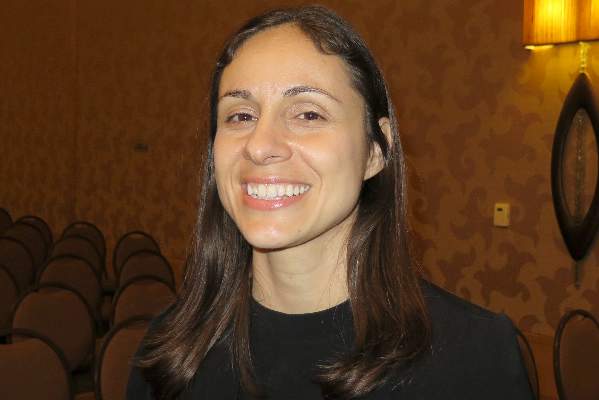
Upper airway stimulation an option in some patients
CORONADO, CALIF. – Some patients with treatment-refractory obstructive sleep apnea may be candidates for upper airway stimulation, though those with complete concentric palatal collapse may not respond, according to Dr. Marion Boyd Gillespie.
“There’s been sound research showing that patients with obstructive sleep apnea have reduced neural tone, so it may not be due to fat in the tongue; some of it may have to do with reduced neural tone,” Dr. Gillespie, who directs the snoring clinics at the Medical University of South Carolina, Charleston, said at the Triological Society’s Combined Sections Meeting. “During these apneic events, there’s a reduction in the neural tone of the genioglossus muscle, which is the main dilator of the upper airway. With upper airway stimulation, we’re trying to account for that loss of neural tone by providing more neural impulse to these muscle groups that perform the dilator functions.”

In 2014 the Food and Drug Administration cleared an upper airway stimulation system manufactured by Inspire Medical Systems, a pacemakerlike device that’s implanted in the subclavicular space. The system features a stimulator lead that attaches to the right hypoglossal nerve and a sensing lead that goes between the external and internal intercostal muscles to detect breathing. “That allows the device to know when in the phase of respiration to fire,” said Dr. Gillespie, professor of otolaryngology–head and neck surgery at the university. “The sensing lead detects the respiratory wave, and the stimulatory lead starts stimulation at the end of expiration, because that’s when the airway is in its most collapsible state. It continues about two-thirds of the way through the inspiratory cycle to keep the airway open.”
Titration of the device is very similar to continuous positive airway pressure, he continued. Once implanted, the patient “will go back to the sleep lab where a tech who’s trained in the device will ramp up stimulation until observed apneas and hypopneas are adequately reduced. You would think that isolated stimulation of the hypoglossal nerve would only open up the airway at the level of the tongue. However, our initial investigation showed that there is dilation at the velopharynx as well,” Dr. Gillespie said. By moving the tongue out of the posterior airway, “you’re moving the dorsum of the tongue away from the velopharynx. You’re also getting active traction on the palatoglossal fold,” he added.
Results of the initial trial of the system in 126 patients with a mean body mass index of 28.4 kg/m2 were published last year (N. Engl. J. Med. 2014;370:139-49). At 12 months of follow-up, patients experienced a 68% overall reduction in their apnea-hypopnea index (AHI) score, from a preoperative mean of 29 to a postoperative mean of 9. In addition, patients had a 70% overall reduction in their oxygen desaturation index (ODI). The researchers also observed normalization of patient-based outcomes, with improvement in the Functional Outcomes of Sleep Questionnaire score and reduction of the Epworth Sleepiness Scale score to a level of 10 on average. “We also saw a reduction of snoring,” said Dr. Gillespie, who was a member of the research team. “Snoring went from 72% of patients having severe, annoying snoring to the point where a bed partner leaves the room, to 15% postoperatively.” Even so, 96% of patients who had a previous history of uvulopalatopharyngoplasty (UPPP) or laser-assisted uvulopalatoplasty (LAUP) still had tongue-based collapse after 12 months of follow-up. “But we found that their response to this therapy was just as good as people who had never had a UPPP or LAUP,” Dr. Gillespie said at the meeting, jointly sponsored by the Triological Society and the American College of Surgeons. “So it seems like patients who have failed UPPP are still good candidates for upper airway stimulation therapy.”
Dr. Gillespie noted that selection criteria for the trial were limited to patients with a BMI of less than 32 kg/m2 and to those who did not have complete circumferential collapse at the level of the soft palate on preoperative drug-induced endoscopy. These criteria were based on an earlier pilot study that showed that patients with complete circumferential collapse at the level of the soft palate did not respond to upper airway stimulation (J. Clin. Sleep Med. 2013;9:433-8).
Dr. Gillespie disclosed that he has received research support from Inspire Medical Systems, Olympus, and Surgical Specialties. He is also a consultant for those companies as well as for Medtronic.
On Twitter @dougbrunk
Dr. David Schulman, FCCP, comments: The data presented by Dr. Gillespie add to the growing body of literature showing the benefits of stimulation of the upper airway muscles during sleep in a selected subgroup of obstructive sleep apnea (OSA) patients, demonstrating improvements in both physiologic and functional parameters. Given the well-described issues with continuous positive airway pressure (CPAP) adherence and the lesser efficacy of currently available CPAP alternatives, patients with obstructive sleep apnea and their providers have long awaited access to hypoglossal nerve stimulators to add to the armamentarium of options for management of the disorder.
While early data continue to show promise for this treatment, a number of physiologic and anatomic characteristics serve as relative contraindications, limiting the generalizability of study results to some patient populations (such as those with body mass index greater than 32 kg/m2 or those with concentric collapse of the soft palate). While upper airway stimulation is not likely to be the first-line OSA treatment for the majority of patients, it is an important step forward for those unwilling or unable to use CPAP.
Dr. David Schulman, FCCP, comments: The data presented by Dr. Gillespie add to the growing body of literature showing the benefits of stimulation of the upper airway muscles during sleep in a selected subgroup of obstructive sleep apnea (OSA) patients, demonstrating improvements in both physiologic and functional parameters. Given the well-described issues with continuous positive airway pressure (CPAP) adherence and the lesser efficacy of currently available CPAP alternatives, patients with obstructive sleep apnea and their providers have long awaited access to hypoglossal nerve stimulators to add to the armamentarium of options for management of the disorder.
While early data continue to show promise for this treatment, a number of physiologic and anatomic characteristics serve as relative contraindications, limiting the generalizability of study results to some patient populations (such as those with body mass index greater than 32 kg/m2 or those with concentric collapse of the soft palate). While upper airway stimulation is not likely to be the first-line OSA treatment for the majority of patients, it is an important step forward for those unwilling or unable to use CPAP.
Dr. David Schulman, FCCP, comments: The data presented by Dr. Gillespie add to the growing body of literature showing the benefits of stimulation of the upper airway muscles during sleep in a selected subgroup of obstructive sleep apnea (OSA) patients, demonstrating improvements in both physiologic and functional parameters. Given the well-described issues with continuous positive airway pressure (CPAP) adherence and the lesser efficacy of currently available CPAP alternatives, patients with obstructive sleep apnea and their providers have long awaited access to hypoglossal nerve stimulators to add to the armamentarium of options for management of the disorder.
While early data continue to show promise for this treatment, a number of physiologic and anatomic characteristics serve as relative contraindications, limiting the generalizability of study results to some patient populations (such as those with body mass index greater than 32 kg/m2 or those with concentric collapse of the soft palate). While upper airway stimulation is not likely to be the first-line OSA treatment for the majority of patients, it is an important step forward for those unwilling or unable to use CPAP.
CORONADO, CALIF. – Some patients with treatment-refractory obstructive sleep apnea may be candidates for upper airway stimulation, though those with complete concentric palatal collapse may not respond, according to Dr. Marion Boyd Gillespie.
“There’s been sound research showing that patients with obstructive sleep apnea have reduced neural tone, so it may not be due to fat in the tongue; some of it may have to do with reduced neural tone,” Dr. Gillespie, who directs the snoring clinics at the Medical University of South Carolina, Charleston, said at the Triological Society’s Combined Sections Meeting. “During these apneic events, there’s a reduction in the neural tone of the genioglossus muscle, which is the main dilator of the upper airway. With upper airway stimulation, we’re trying to account for that loss of neural tone by providing more neural impulse to these muscle groups that perform the dilator functions.”
In 2014 the Food and Drug Administration cleared an upper airway stimulation system manufactured by Inspire Medical Systems, a pacemakerlike device that’s implanted in the subclavicular space. The system features a stimulator lead that attaches to the right hypoglossal nerve and a sensing lead that goes between the external and internal intercostal muscles to detect breathing. “That allows the device to know when in the phase of respiration to fire,” said Dr. Gillespie, professor of otolaryngology–head and neck surgery at the university. “The sensing lead detects the respiratory wave, and the stimulatory lead starts stimulation at the end of expiration, because that’s when the airway is in its most collapsible state. It continues about two-thirds of the way through the inspiratory cycle to keep the airway open.”
Titration of the device is very similar to continuous positive airway pressure, he continued. Once implanted, the patient “will go back to the sleep lab where a tech who’s trained in the device will ramp up stimulation until observed apneas and hypopneas are adequately reduced. You would think that isolated stimulation of the hypoglossal nerve would only open up the airway at the level of the tongue. However, our initial investigation showed that there is dilation at the velopharynx as well,” Dr. Gillespie said. By moving the tongue out of the posterior airway, “you’re moving the dorsum of the tongue away from the velopharynx. You’re also getting active traction on the palatoglossal fold,” he added.
Results of the initial trial of the system in 126 patients with a mean body mass index of 28.4 kg/m2 were published last year (N. Engl. J. Med. 2014;370:139-49). At 12 months of follow-up, patients experienced a 68% overall reduction in their apnea-hypopnea index (AHI) score, from a preoperative mean of 29 to a postoperative mean of 9. In addition, patients had a 70% overall reduction in their oxygen desaturation index (ODI). The researchers also observed normalization of patient-based outcomes, with improvement in the Functional Outcomes of Sleep Questionnaire score and reduction of the Epworth Sleepiness Scale score to a level of 10 on average. “We also saw a reduction of snoring,” said Dr. Gillespie, who was a member of the research team. “Snoring went from 72% of patients having severe, annoying snoring to the point where a bed partner leaves the room, to 15% postoperatively.” Even so, 96% of patients who had a previous history of uvulopalatopharyngoplasty (UPPP) or laser-assisted uvulopalatoplasty (LAUP) still had tongue-based collapse after 12 months of follow-up. “But we found that their response to this therapy was just as good as people who had never had a UPPP or LAUP,” Dr. Gillespie said at the meeting, jointly sponsored by the Triological Society and the American College of Surgeons. “So it seems like patients who have failed UPPP are still good candidates for upper airway stimulation therapy.”
Dr. Gillespie noted that selection criteria for the trial were limited to patients with a BMI of less than 32 kg/m2 and to those who did not have complete circumferential collapse at the level of the soft palate on preoperative drug-induced endoscopy. These criteria were based on an earlier pilot study that showed that patients with complete circumferential collapse at the level of the soft palate did not respond to upper airway stimulation (J. Clin. Sleep Med. 2013;9:433-8).
Dr. Gillespie disclosed that he has received research support from Inspire Medical Systems, Olympus, and Surgical Specialties. He is also a consultant for those companies as well as for Medtronic.
On Twitter @dougbrunk
CORONADO, CALIF. – Some patients with treatment-refractory obstructive sleep apnea may be candidates for upper airway stimulation, though those with complete concentric palatal collapse may not respond, according to Dr. Marion Boyd Gillespie.
“There’s been sound research showing that patients with obstructive sleep apnea have reduced neural tone, so it may not be due to fat in the tongue; some of it may have to do with reduced neural tone,” Dr. Gillespie, who directs the snoring clinics at the Medical University of South Carolina, Charleston, said at the Triological Society’s Combined Sections Meeting. “During these apneic events, there’s a reduction in the neural tone of the genioglossus muscle, which is the main dilator of the upper airway. With upper airway stimulation, we’re trying to account for that loss of neural tone by providing more neural impulse to these muscle groups that perform the dilator functions.”
In 2014 the Food and Drug Administration cleared an upper airway stimulation system manufactured by Inspire Medical Systems, a pacemakerlike device that’s implanted in the subclavicular space. The system features a stimulator lead that attaches to the right hypoglossal nerve and a sensing lead that goes between the external and internal intercostal muscles to detect breathing. “That allows the device to know when in the phase of respiration to fire,” said Dr. Gillespie, professor of otolaryngology–head and neck surgery at the university. “The sensing lead detects the respiratory wave, and the stimulatory lead starts stimulation at the end of expiration, because that’s when the airway is in its most collapsible state. It continues about two-thirds of the way through the inspiratory cycle to keep the airway open.”
Titration of the device is very similar to continuous positive airway pressure, he continued. Once implanted, the patient “will go back to the sleep lab where a tech who’s trained in the device will ramp up stimulation until observed apneas and hypopneas are adequately reduced. You would think that isolated stimulation of the hypoglossal nerve would only open up the airway at the level of the tongue. However, our initial investigation showed that there is dilation at the velopharynx as well,” Dr. Gillespie said. By moving the tongue out of the posterior airway, “you’re moving the dorsum of the tongue away from the velopharynx. You’re also getting active traction on the palatoglossal fold,” he added.
Results of the initial trial of the system in 126 patients with a mean body mass index of 28.4 kg/m2 were published last year (N. Engl. J. Med. 2014;370:139-49). At 12 months of follow-up, patients experienced a 68% overall reduction in their apnea-hypopnea index (AHI) score, from a preoperative mean of 29 to a postoperative mean of 9. In addition, patients had a 70% overall reduction in their oxygen desaturation index (ODI). The researchers also observed normalization of patient-based outcomes, with improvement in the Functional Outcomes of Sleep Questionnaire score and reduction of the Epworth Sleepiness Scale score to a level of 10 on average. “We also saw a reduction of snoring,” said Dr. Gillespie, who was a member of the research team. “Snoring went from 72% of patients having severe, annoying snoring to the point where a bed partner leaves the room, to 15% postoperatively.” Even so, 96% of patients who had a previous history of uvulopalatopharyngoplasty (UPPP) or laser-assisted uvulopalatoplasty (LAUP) still had tongue-based collapse after 12 months of follow-up. “But we found that their response to this therapy was just as good as people who had never had a UPPP or LAUP,” Dr. Gillespie said at the meeting, jointly sponsored by the Triological Society and the American College of Surgeons. “So it seems like patients who have failed UPPP are still good candidates for upper airway stimulation therapy.”
Dr. Gillespie noted that selection criteria for the trial were limited to patients with a BMI of less than 32 kg/m2 and to those who did not have complete circumferential collapse at the level of the soft palate on preoperative drug-induced endoscopy. These criteria were based on an earlier pilot study that showed that patients with complete circumferential collapse at the level of the soft palate did not respond to upper airway stimulation (J. Clin. Sleep Med. 2013;9:433-8).
Dr. Gillespie disclosed that he has received research support from Inspire Medical Systems, Olympus, and Surgical Specialties. He is also a consultant for those companies as well as for Medtronic.
On Twitter @dougbrunk
EXPERT ANALYSIS AT THE COMBINED SECTIONS WINTER MEETING