User login
Landmark 20-Year Study Reshapes Understanding of PTSD
A large 20-year study — the longest and most detailed of its kind — shows that posttraumatic stress disorder (PTSD) symptoms can endure for decades, challenging conventional timelines for recovery and offering new insights to guide future treatment.
Researchers analyzed data from the World Trade Center Health Program (WTCHP), which is administered by the US CDC’s National Institute for Occupational Safety and Health (NIOSH), and found symptoms of PTSD persisted for as long as two decades in 10% of first responders involved in the World Trade Center disaster of September 2001.
Participation in the WTCHP is voluntary, but those who enroll receive free assessments, monitoring, and treatment, including psychiatric and behavioral healthcare. It is the longest and most detailed analysis of PTSD and includes 81,298 observations from 12,822 WTC responders.
Participants entered the WTCHP at different timepoints and were assessed annually. Not every enrollee was assessed every year, but the sheer number of participants and observations “just provides much greater density of data over that 20-year course than any previous study,” lead author Frank D. Mann, PhD, told this news organization.
The study was published online on May 27 in Nature Mental Health.
Filling the PTSD Knowledge Gap
Most PTSD research has focused on the short term, with limited insight into how symptoms evolve over the long haul. Without long-term data, it’s been difficult to understand whether PTSD resolves, persists, or worsens — hindering efforts to guide treatment and support. This study aimed to fill that gap by tracking symptom patterns over two decades.
Responders were assessed regularly using the PTSD Checklist for a Specific Stressor, a standardized tool that measures symptom severity on an 85-point scale. On average, each participant completed 6.3 assessments over the course of the study.
A score of ≥ 44 was considered indicative of clinically elevated PTSD symptoms. Between 2002 and 2022, the crude prevalence of elevated symptoms ranged from 8% to 15%. At the same time, 16% to 34% of responders each year reported little to no symptoms, scoring at or near the minimum on the scale.
The researchers found that symptom trajectories varied widely. Nearly as many participants experienced worsening symptoms as those who improved. As a result, the overall population average remained relatively flat over the 20-year period.
Among responders who met the threshold for PTSD, the median time to symptom improvement was 8.9 years — and by year 20, about 76% had shown improvement.
New Insights
Mann, a senior research scientist at Stony Brook University Renaissance School of Medicine, Stony Brook, New York, said the study not only reinforced existing knowledge about PTSD in responders but also uncovered new insights.
Most notably, it showed that PTSD symptoms tended to peak around a decade after 9/11 — significantly later than delayed-onset patterns reported in previous trauma studies.
He also noted a surprising outcome — the top 10% of responders who experienced worsening symptoms over the long term accounted for the majority of mental health costs. These individuals, Mann said, represent a critical gap in care, with current interventions proving largely ineffective for them.
Mann suggested that ongoing trauma exposure — especially for responders still in high-risk jobs — and potential genetic susceptibility may contribute to late-emerging or persistent symptoms.
“These individuals are an urgent priority for health systems, as available resources have not been effective for them,” the study authors wrote.
Mann and his colleagues also found that occupation offered the strongest protection against developing PTSD. Police officers and firefighters benefit from training designed to help them cope with trauma, and repeated exposure may build a degree of resilience.
In contrast, responders without such training — like construction workers — faced a 50% to 55% higher risk of developing PTSD symptoms. Mann emphasized that occupational status was a more powerful predictor of PTSD risk than the severity of the traumatic exposures themselves.
A Valuable Contribution
Commenting on the research for this news organization, Sandra Lowe, MD, medical director of the Mount Sinai WTCMH program, noted that while the study largely confirms what has been known about responders — such as the significant variability in symptom trajectories over time — it still makes a valuable contribution.
“Extending observations for up to 20 years is rare in any study, especially in a cohort this large,” said Lowe, an associate professor of psychiatry at the Icahn School of Medicine at Mount Sinai, New York City, who was not involved in the study.
Also commenting, James West, MD, chair of the American Psychiatric Association’s Committee on the Psychiatric Dimensions of Disaster, described the finding that 10% of responders continued to experience symptoms two decades after exposure as “sobering.”
However, he emphasized that it aligns with observations in the disaster recovery community, where the psychological impact “goes way beyond what most people see as the immediate aftermath and recovery.” West stressed the urgent need to develop effective treatments that enable those affected to live fuller, less impaired lives.
“We still need to be finding the effective treatments that can help these people live fuller lives without impairment from their trauma symptoms,” said West.
Lowe pointed out that the symptom peak around 10 years post-exposure is often linked to external factors. Some responders who had been managing symptoms might lose resilience due to major life changes such as retirement.
“One of the things that was able to keep them engaged is now lost,” she said. “They begin to spend more time reflecting on recollections, and symptoms can worsen.”
West agreed, adding that retirement or job loss often leads to symptom increases because it removes a primary coping mechanism. Both Lowe and Mann also highlighted that 9/11 memorial events can trigger new symptoms or exacerbate existing ones.
Lowe noted that responders with stronger coping skills tended to fare better over time. Effective coping strategies include maintaining regular schedules — especially for eating and sleeping — leading a structured life, and employing stress management techniques like meditation, yoga, or enjoyable hobbies. Social connection and being part of a community are also critical for resilience. She added that clinicians should always inquire about trauma history.
Lowe, West, and Mann all pointed out that PTSD is often accompanied by physical health issues, particularly cardiovascular problems, which tend to be worse in those with the disorder.
Responders with stronger coping skills tended to do better over time, said Lowe. Coping skills that can help make a difference include having a regular schedule, especially for eating and sleeping; having a structured life; and stress management tools, such as meditation or yoga or an enjoyable hobby. Social connection — being part of a community — is also critical, Lowe said.
Clinicians should always inquire about trauma, she said. Lowe, West, and Mann all noted that people with PTSD often have physical illness and that cardiovascular outcomes in particular are worse for those individuals.
WTCHP Future Uncertain
However, despite advances in understanding PTSD and the importance of ongoing care, the future of the program supporting World Trade Center responders remains uncertain.
Some 140,000 people are now enrolled in the WTCHP, which was established as a federal program in 2010. Congress has generally reauthorized the program whenever its funding came up for renewal.
However, earlier this year, the Trump administration dismissed two thirds of the NIOSH workforce, including John Howard, MD, the administrator of the WTCHP.
In response, members of Congress and advocates for 9/11 survivors urged the US Department of Health and Human Services (HHS) to reinstate Howard and the affected employees. Howard is listed as back on the job has since returned to his position, and HHS reportedly reinstated hundreds of NIOSH workers in May.
An HHS spokesperson told this news organization that the WTCHP continues to provide services and is actively “accepting, reviewing, and processing new enrollment applications and certification requests.”
Meanwhile, the Trump administration’s fiscal year 2026 budget proposal seeks to reduce CDC funding by $3.5 billion — approximately 40% — with a shift in focus toward infectious diseases. It remains unclear how the WTCHP will be affected by this new direction.
Mann said he is not involved in the program’s funding details but added, “Presumably, as long as some funding continues to keep the program alive, we will continue monitoring responders and providing free treatment until the very last World Trade Center responder passes.”
The study was partially funded through National Institutes of Health and CDC grants, the SUNY Research Foundation, and the CDC’s World Trade Center Health Program. Mann, Lowe, and West reported having no relevant financial relationships.
A version of this article first appeared on Medscape.com.
A large 20-year study — the longest and most detailed of its kind — shows that posttraumatic stress disorder (PTSD) symptoms can endure for decades, challenging conventional timelines for recovery and offering new insights to guide future treatment.
Researchers analyzed data from the World Trade Center Health Program (WTCHP), which is administered by the US CDC’s National Institute for Occupational Safety and Health (NIOSH), and found symptoms of PTSD persisted for as long as two decades in 10% of first responders involved in the World Trade Center disaster of September 2001.
Participation in the WTCHP is voluntary, but those who enroll receive free assessments, monitoring, and treatment, including psychiatric and behavioral healthcare. It is the longest and most detailed analysis of PTSD and includes 81,298 observations from 12,822 WTC responders.
Participants entered the WTCHP at different timepoints and were assessed annually. Not every enrollee was assessed every year, but the sheer number of participants and observations “just provides much greater density of data over that 20-year course than any previous study,” lead author Frank D. Mann, PhD, told this news organization.
The study was published online on May 27 in Nature Mental Health.
Filling the PTSD Knowledge Gap
Most PTSD research has focused on the short term, with limited insight into how symptoms evolve over the long haul. Without long-term data, it’s been difficult to understand whether PTSD resolves, persists, or worsens — hindering efforts to guide treatment and support. This study aimed to fill that gap by tracking symptom patterns over two decades.
Responders were assessed regularly using the PTSD Checklist for a Specific Stressor, a standardized tool that measures symptom severity on an 85-point scale. On average, each participant completed 6.3 assessments over the course of the study.
A score of ≥ 44 was considered indicative of clinically elevated PTSD symptoms. Between 2002 and 2022, the crude prevalence of elevated symptoms ranged from 8% to 15%. At the same time, 16% to 34% of responders each year reported little to no symptoms, scoring at or near the minimum on the scale.
The researchers found that symptom trajectories varied widely. Nearly as many participants experienced worsening symptoms as those who improved. As a result, the overall population average remained relatively flat over the 20-year period.
Among responders who met the threshold for PTSD, the median time to symptom improvement was 8.9 years — and by year 20, about 76% had shown improvement.
New Insights
Mann, a senior research scientist at Stony Brook University Renaissance School of Medicine, Stony Brook, New York, said the study not only reinforced existing knowledge about PTSD in responders but also uncovered new insights.
Most notably, it showed that PTSD symptoms tended to peak around a decade after 9/11 — significantly later than delayed-onset patterns reported in previous trauma studies.
He also noted a surprising outcome — the top 10% of responders who experienced worsening symptoms over the long term accounted for the majority of mental health costs. These individuals, Mann said, represent a critical gap in care, with current interventions proving largely ineffective for them.
Mann suggested that ongoing trauma exposure — especially for responders still in high-risk jobs — and potential genetic susceptibility may contribute to late-emerging or persistent symptoms.
“These individuals are an urgent priority for health systems, as available resources have not been effective for them,” the study authors wrote.
Mann and his colleagues also found that occupation offered the strongest protection against developing PTSD. Police officers and firefighters benefit from training designed to help them cope with trauma, and repeated exposure may build a degree of resilience.
In contrast, responders without such training — like construction workers — faced a 50% to 55% higher risk of developing PTSD symptoms. Mann emphasized that occupational status was a more powerful predictor of PTSD risk than the severity of the traumatic exposures themselves.
A Valuable Contribution
Commenting on the research for this news organization, Sandra Lowe, MD, medical director of the Mount Sinai WTCMH program, noted that while the study largely confirms what has been known about responders — such as the significant variability in symptom trajectories over time — it still makes a valuable contribution.
“Extending observations for up to 20 years is rare in any study, especially in a cohort this large,” said Lowe, an associate professor of psychiatry at the Icahn School of Medicine at Mount Sinai, New York City, who was not involved in the study.
Also commenting, James West, MD, chair of the American Psychiatric Association’s Committee on the Psychiatric Dimensions of Disaster, described the finding that 10% of responders continued to experience symptoms two decades after exposure as “sobering.”
However, he emphasized that it aligns with observations in the disaster recovery community, where the psychological impact “goes way beyond what most people see as the immediate aftermath and recovery.” West stressed the urgent need to develop effective treatments that enable those affected to live fuller, less impaired lives.
“We still need to be finding the effective treatments that can help these people live fuller lives without impairment from their trauma symptoms,” said West.
Lowe pointed out that the symptom peak around 10 years post-exposure is often linked to external factors. Some responders who had been managing symptoms might lose resilience due to major life changes such as retirement.
“One of the things that was able to keep them engaged is now lost,” she said. “They begin to spend more time reflecting on recollections, and symptoms can worsen.”
West agreed, adding that retirement or job loss often leads to symptom increases because it removes a primary coping mechanism. Both Lowe and Mann also highlighted that 9/11 memorial events can trigger new symptoms or exacerbate existing ones.
Lowe noted that responders with stronger coping skills tended to fare better over time. Effective coping strategies include maintaining regular schedules — especially for eating and sleeping — leading a structured life, and employing stress management techniques like meditation, yoga, or enjoyable hobbies. Social connection and being part of a community are also critical for resilience. She added that clinicians should always inquire about trauma history.
Lowe, West, and Mann all pointed out that PTSD is often accompanied by physical health issues, particularly cardiovascular problems, which tend to be worse in those with the disorder.
Responders with stronger coping skills tended to do better over time, said Lowe. Coping skills that can help make a difference include having a regular schedule, especially for eating and sleeping; having a structured life; and stress management tools, such as meditation or yoga or an enjoyable hobby. Social connection — being part of a community — is also critical, Lowe said.
Clinicians should always inquire about trauma, she said. Lowe, West, and Mann all noted that people with PTSD often have physical illness and that cardiovascular outcomes in particular are worse for those individuals.
WTCHP Future Uncertain
However, despite advances in understanding PTSD and the importance of ongoing care, the future of the program supporting World Trade Center responders remains uncertain.
Some 140,000 people are now enrolled in the WTCHP, which was established as a federal program in 2010. Congress has generally reauthorized the program whenever its funding came up for renewal.
However, earlier this year, the Trump administration dismissed two thirds of the NIOSH workforce, including John Howard, MD, the administrator of the WTCHP.
In response, members of Congress and advocates for 9/11 survivors urged the US Department of Health and Human Services (HHS) to reinstate Howard and the affected employees. Howard is listed as back on the job has since returned to his position, and HHS reportedly reinstated hundreds of NIOSH workers in May.
An HHS spokesperson told this news organization that the WTCHP continues to provide services and is actively “accepting, reviewing, and processing new enrollment applications and certification requests.”
Meanwhile, the Trump administration’s fiscal year 2026 budget proposal seeks to reduce CDC funding by $3.5 billion — approximately 40% — with a shift in focus toward infectious diseases. It remains unclear how the WTCHP will be affected by this new direction.
Mann said he is not involved in the program’s funding details but added, “Presumably, as long as some funding continues to keep the program alive, we will continue monitoring responders and providing free treatment until the very last World Trade Center responder passes.”
The study was partially funded through National Institutes of Health and CDC grants, the SUNY Research Foundation, and the CDC’s World Trade Center Health Program. Mann, Lowe, and West reported having no relevant financial relationships.
A version of this article first appeared on Medscape.com.
A large 20-year study — the longest and most detailed of its kind — shows that posttraumatic stress disorder (PTSD) symptoms can endure for decades, challenging conventional timelines for recovery and offering new insights to guide future treatment.
Researchers analyzed data from the World Trade Center Health Program (WTCHP), which is administered by the US CDC’s National Institute for Occupational Safety and Health (NIOSH), and found symptoms of PTSD persisted for as long as two decades in 10% of first responders involved in the World Trade Center disaster of September 2001.
Participation in the WTCHP is voluntary, but those who enroll receive free assessments, monitoring, and treatment, including psychiatric and behavioral healthcare. It is the longest and most detailed analysis of PTSD and includes 81,298 observations from 12,822 WTC responders.
Participants entered the WTCHP at different timepoints and were assessed annually. Not every enrollee was assessed every year, but the sheer number of participants and observations “just provides much greater density of data over that 20-year course than any previous study,” lead author Frank D. Mann, PhD, told this news organization.
The study was published online on May 27 in Nature Mental Health.
Filling the PTSD Knowledge Gap
Most PTSD research has focused on the short term, with limited insight into how symptoms evolve over the long haul. Without long-term data, it’s been difficult to understand whether PTSD resolves, persists, or worsens — hindering efforts to guide treatment and support. This study aimed to fill that gap by tracking symptom patterns over two decades.
Responders were assessed regularly using the PTSD Checklist for a Specific Stressor, a standardized tool that measures symptom severity on an 85-point scale. On average, each participant completed 6.3 assessments over the course of the study.
A score of ≥ 44 was considered indicative of clinically elevated PTSD symptoms. Between 2002 and 2022, the crude prevalence of elevated symptoms ranged from 8% to 15%. At the same time, 16% to 34% of responders each year reported little to no symptoms, scoring at or near the minimum on the scale.
The researchers found that symptom trajectories varied widely. Nearly as many participants experienced worsening symptoms as those who improved. As a result, the overall population average remained relatively flat over the 20-year period.
Among responders who met the threshold for PTSD, the median time to symptom improvement was 8.9 years — and by year 20, about 76% had shown improvement.
New Insights
Mann, a senior research scientist at Stony Brook University Renaissance School of Medicine, Stony Brook, New York, said the study not only reinforced existing knowledge about PTSD in responders but also uncovered new insights.
Most notably, it showed that PTSD symptoms tended to peak around a decade after 9/11 — significantly later than delayed-onset patterns reported in previous trauma studies.
He also noted a surprising outcome — the top 10% of responders who experienced worsening symptoms over the long term accounted for the majority of mental health costs. These individuals, Mann said, represent a critical gap in care, with current interventions proving largely ineffective for them.
Mann suggested that ongoing trauma exposure — especially for responders still in high-risk jobs — and potential genetic susceptibility may contribute to late-emerging or persistent symptoms.
“These individuals are an urgent priority for health systems, as available resources have not been effective for them,” the study authors wrote.
Mann and his colleagues also found that occupation offered the strongest protection against developing PTSD. Police officers and firefighters benefit from training designed to help them cope with trauma, and repeated exposure may build a degree of resilience.
In contrast, responders without such training — like construction workers — faced a 50% to 55% higher risk of developing PTSD symptoms. Mann emphasized that occupational status was a more powerful predictor of PTSD risk than the severity of the traumatic exposures themselves.
A Valuable Contribution
Commenting on the research for this news organization, Sandra Lowe, MD, medical director of the Mount Sinai WTCMH program, noted that while the study largely confirms what has been known about responders — such as the significant variability in symptom trajectories over time — it still makes a valuable contribution.
“Extending observations for up to 20 years is rare in any study, especially in a cohort this large,” said Lowe, an associate professor of psychiatry at the Icahn School of Medicine at Mount Sinai, New York City, who was not involved in the study.
Also commenting, James West, MD, chair of the American Psychiatric Association’s Committee on the Psychiatric Dimensions of Disaster, described the finding that 10% of responders continued to experience symptoms two decades after exposure as “sobering.”
However, he emphasized that it aligns with observations in the disaster recovery community, where the psychological impact “goes way beyond what most people see as the immediate aftermath and recovery.” West stressed the urgent need to develop effective treatments that enable those affected to live fuller, less impaired lives.
“We still need to be finding the effective treatments that can help these people live fuller lives without impairment from their trauma symptoms,” said West.
Lowe pointed out that the symptom peak around 10 years post-exposure is often linked to external factors. Some responders who had been managing symptoms might lose resilience due to major life changes such as retirement.
“One of the things that was able to keep them engaged is now lost,” she said. “They begin to spend more time reflecting on recollections, and symptoms can worsen.”
West agreed, adding that retirement or job loss often leads to symptom increases because it removes a primary coping mechanism. Both Lowe and Mann also highlighted that 9/11 memorial events can trigger new symptoms or exacerbate existing ones.
Lowe noted that responders with stronger coping skills tended to fare better over time. Effective coping strategies include maintaining regular schedules — especially for eating and sleeping — leading a structured life, and employing stress management techniques like meditation, yoga, or enjoyable hobbies. Social connection and being part of a community are also critical for resilience. She added that clinicians should always inquire about trauma history.
Lowe, West, and Mann all pointed out that PTSD is often accompanied by physical health issues, particularly cardiovascular problems, which tend to be worse in those with the disorder.
Responders with stronger coping skills tended to do better over time, said Lowe. Coping skills that can help make a difference include having a regular schedule, especially for eating and sleeping; having a structured life; and stress management tools, such as meditation or yoga or an enjoyable hobby. Social connection — being part of a community — is also critical, Lowe said.
Clinicians should always inquire about trauma, she said. Lowe, West, and Mann all noted that people with PTSD often have physical illness and that cardiovascular outcomes in particular are worse for those individuals.
WTCHP Future Uncertain
However, despite advances in understanding PTSD and the importance of ongoing care, the future of the program supporting World Trade Center responders remains uncertain.
Some 140,000 people are now enrolled in the WTCHP, which was established as a federal program in 2010. Congress has generally reauthorized the program whenever its funding came up for renewal.
However, earlier this year, the Trump administration dismissed two thirds of the NIOSH workforce, including John Howard, MD, the administrator of the WTCHP.
In response, members of Congress and advocates for 9/11 survivors urged the US Department of Health and Human Services (HHS) to reinstate Howard and the affected employees. Howard is listed as back on the job has since returned to his position, and HHS reportedly reinstated hundreds of NIOSH workers in May.
An HHS spokesperson told this news organization that the WTCHP continues to provide services and is actively “accepting, reviewing, and processing new enrollment applications and certification requests.”
Meanwhile, the Trump administration’s fiscal year 2026 budget proposal seeks to reduce CDC funding by $3.5 billion — approximately 40% — with a shift in focus toward infectious diseases. It remains unclear how the WTCHP will be affected by this new direction.
Mann said he is not involved in the program’s funding details but added, “Presumably, as long as some funding continues to keep the program alive, we will continue monitoring responders and providing free treatment until the very last World Trade Center responder passes.”
The study was partially funded through National Institutes of Health and CDC grants, the SUNY Research Foundation, and the CDC’s World Trade Center Health Program. Mann, Lowe, and West reported having no relevant financial relationships.
A version of this article first appeared on Medscape.com.
FROM NATURE MENTAL HEALTH

Posttraumatic Stress Disorder May Increase Morbidity Risk in Veterans With HIV
TOPLINE:
Posttraumatic stress disorder (PTSD) among veterans living with HIV significantly increased the risk for AIDS and multiple comorbidities, particularly arthritis, cardiovascular disease (CVD), chronic obstructive pulmonary disease (COPD), chronic kidney disease (CKD), and multimorbidity — with the greatest impact seen in the first decade after diagnosis.
METHODOLOGY:
- Researchers conducted a prospective cohort study to assess whether PTSD is associated with increased risk for adverse clinical outcomes in veterans with HIV who received care at the Department of Veterans Affairs.
- They included 3206 veterans (97.4% men; median age at HIV diagnosis, 31.7 years; 42.1% with PTSD) who were deployed in Iraq and Afghanistan while serving in the military and initiated antiretroviral therapy before December 31, 2020.
- Participants were followed-up until December 2022, with censoring at death, the last health care visit, or study termination. The association between PTSD with morbidity and mortality, considering the number of deployments and levels of combat exposure were determined.
TAKEAWAY:
- PTSD significantly increased the overall risks for AIDS by 11% (adjusted hazard ratio [aHR], 1.11), CKD by 21% (aHR, 1.21), COPD by 46% (aHR, 1.46), multimorbidity by 49% (aHR, 1.49), CVD by 57% (aHR, 1.57), and arthritis by two folds (aHR, 1.95; P <.05 for all).
- Among veterans with a single deployment, those with PTSD had 92%, 87%, 80%, 53%, 44%, 32%, and 27% higher risks for asthma, CVD, arthritis, multimorbidity, COPD, liver disease, and AIDS, respectively, than those without PTSD.
- Veterans with PTSD and combat exposure had a lower risk for AIDS but higher risks for multimorbidity, asthma, CVD, and arthritis than those never diagnosed with PTSD and unexposed to combat.
- The associations of PTSD with mortality and morbidity appeared most pronounced in the first decade post-diagnosis, followed by a gradual decline in association strength; however, risks remained elevated.
IN PRACTICE:
“It is recommended that providers who work with VWH [veterans with HIV] consider adopting a trauma-informed model of HIV care and that providers screen veterans for PTSD, so that their unique trauma history can help guide medical decisions and treatment,” the authors wrote.
SOURCE:
This study was led by Kartavya J. Vyas, PhD, Department of Epidemiology, Rollins School of Public Health, Emory University, Atlanta. It was published online in AIDS .
LIMITATIONS:
The data could not capture each individual’s true index trauma or the severity of their PTSD. Additionally, the study was limited by considerable loss to follow-up, potential uncontrolled confounding related to homelessness, and a lack of generalizability to veterans with HIV who were not receiving antiretroviral therapy.
DISCLOSURES:
The study did not receive any specific funding. Two authors reported receiving federal research support — one from the Emory Center for AIDS Research and the National Institute of Allergy and Infectious Diseases, and the other from the National Institutes of Health and the CDC — in addition to investigator-initiated grants and consulting fees from various pharmaceutical companies.
This article was created using several editorial tools, including AI, as part of the process. Human editors reviewed this content before publication. A version of this article first appeared on Medscape.com.
TOPLINE:
Posttraumatic stress disorder (PTSD) among veterans living with HIV significantly increased the risk for AIDS and multiple comorbidities, particularly arthritis, cardiovascular disease (CVD), chronic obstructive pulmonary disease (COPD), chronic kidney disease (CKD), and multimorbidity — with the greatest impact seen in the first decade after diagnosis.
METHODOLOGY:
- Researchers conducted a prospective cohort study to assess whether PTSD is associated with increased risk for adverse clinical outcomes in veterans with HIV who received care at the Department of Veterans Affairs.
- They included 3206 veterans (97.4% men; median age at HIV diagnosis, 31.7 years; 42.1% with PTSD) who were deployed in Iraq and Afghanistan while serving in the military and initiated antiretroviral therapy before December 31, 2020.
- Participants were followed-up until December 2022, with censoring at death, the last health care visit, or study termination. The association between PTSD with morbidity and mortality, considering the number of deployments and levels of combat exposure were determined.
TAKEAWAY:
- PTSD significantly increased the overall risks for AIDS by 11% (adjusted hazard ratio [aHR], 1.11), CKD by 21% (aHR, 1.21), COPD by 46% (aHR, 1.46), multimorbidity by 49% (aHR, 1.49), CVD by 57% (aHR, 1.57), and arthritis by two folds (aHR, 1.95; P <.05 for all).
- Among veterans with a single deployment, those with PTSD had 92%, 87%, 80%, 53%, 44%, 32%, and 27% higher risks for asthma, CVD, arthritis, multimorbidity, COPD, liver disease, and AIDS, respectively, than those without PTSD.
- Veterans with PTSD and combat exposure had a lower risk for AIDS but higher risks for multimorbidity, asthma, CVD, and arthritis than those never diagnosed with PTSD and unexposed to combat.
- The associations of PTSD with mortality and morbidity appeared most pronounced in the first decade post-diagnosis, followed by a gradual decline in association strength; however, risks remained elevated.
IN PRACTICE:
“It is recommended that providers who work with VWH [veterans with HIV] consider adopting a trauma-informed model of HIV care and that providers screen veterans for PTSD, so that their unique trauma history can help guide medical decisions and treatment,” the authors wrote.
SOURCE:
This study was led by Kartavya J. Vyas, PhD, Department of Epidemiology, Rollins School of Public Health, Emory University, Atlanta. It was published online in AIDS .
LIMITATIONS:
The data could not capture each individual’s true index trauma or the severity of their PTSD. Additionally, the study was limited by considerable loss to follow-up, potential uncontrolled confounding related to homelessness, and a lack of generalizability to veterans with HIV who were not receiving antiretroviral therapy.
DISCLOSURES:
The study did not receive any specific funding. Two authors reported receiving federal research support — one from the Emory Center for AIDS Research and the National Institute of Allergy and Infectious Diseases, and the other from the National Institutes of Health and the CDC — in addition to investigator-initiated grants and consulting fees from various pharmaceutical companies.
This article was created using several editorial tools, including AI, as part of the process. Human editors reviewed this content before publication. A version of this article first appeared on Medscape.com.
TOPLINE:
Posttraumatic stress disorder (PTSD) among veterans living with HIV significantly increased the risk for AIDS and multiple comorbidities, particularly arthritis, cardiovascular disease (CVD), chronic obstructive pulmonary disease (COPD), chronic kidney disease (CKD), and multimorbidity — with the greatest impact seen in the first decade after diagnosis.
METHODOLOGY:
- Researchers conducted a prospective cohort study to assess whether PTSD is associated with increased risk for adverse clinical outcomes in veterans with HIV who received care at the Department of Veterans Affairs.
- They included 3206 veterans (97.4% men; median age at HIV diagnosis, 31.7 years; 42.1% with PTSD) who were deployed in Iraq and Afghanistan while serving in the military and initiated antiretroviral therapy before December 31, 2020.
- Participants were followed-up until December 2022, with censoring at death, the last health care visit, or study termination. The association between PTSD with morbidity and mortality, considering the number of deployments and levels of combat exposure were determined.
TAKEAWAY:
- PTSD significantly increased the overall risks for AIDS by 11% (adjusted hazard ratio [aHR], 1.11), CKD by 21% (aHR, 1.21), COPD by 46% (aHR, 1.46), multimorbidity by 49% (aHR, 1.49), CVD by 57% (aHR, 1.57), and arthritis by two folds (aHR, 1.95; P <.05 for all).
- Among veterans with a single deployment, those with PTSD had 92%, 87%, 80%, 53%, 44%, 32%, and 27% higher risks for asthma, CVD, arthritis, multimorbidity, COPD, liver disease, and AIDS, respectively, than those without PTSD.
- Veterans with PTSD and combat exposure had a lower risk for AIDS but higher risks for multimorbidity, asthma, CVD, and arthritis than those never diagnosed with PTSD and unexposed to combat.
- The associations of PTSD with mortality and morbidity appeared most pronounced in the first decade post-diagnosis, followed by a gradual decline in association strength; however, risks remained elevated.
IN PRACTICE:
“It is recommended that providers who work with VWH [veterans with HIV] consider adopting a trauma-informed model of HIV care and that providers screen veterans for PTSD, so that their unique trauma history can help guide medical decisions and treatment,” the authors wrote.
SOURCE:
This study was led by Kartavya J. Vyas, PhD, Department of Epidemiology, Rollins School of Public Health, Emory University, Atlanta. It was published online in AIDS .
LIMITATIONS:
The data could not capture each individual’s true index trauma or the severity of their PTSD. Additionally, the study was limited by considerable loss to follow-up, potential uncontrolled confounding related to homelessness, and a lack of generalizability to veterans with HIV who were not receiving antiretroviral therapy.
DISCLOSURES:
The study did not receive any specific funding. Two authors reported receiving federal research support — one from the Emory Center for AIDS Research and the National Institute of Allergy and Infectious Diseases, and the other from the National Institutes of Health and the CDC — in addition to investigator-initiated grants and consulting fees from various pharmaceutical companies.
This article was created using several editorial tools, including AI, as part of the process. Human editors reviewed this content before publication. A version of this article first appeared on Medscape.com.
Can Patients Really Say No to Life-Saving Cancer Care?
Mrs G.O. is an 80-year-old retired teacher who was widowed a decade ago. With no close relatives, she lives alone, accompanied by only two cats and a dog that she has rescued. “I am alone,” she told Gustavo Kusminsky, MD, consultant in Hematology and Hematopoietic Transplant Service at Austral University Hospital and lecturer in medicine at the Hospital Universitario Austral, Buenos Aires, Argentina. She said this calmly while refusing treatment for life-threatening multiple myeloma. “Doctor, I would rather not,” she added — her words lingering in the quiet consulting room. That moment is now the focus of a recent article in the journal Medicina.
In the article, Kusminsky described how he made an effort to clarify to the patient that she needed cancer treatment. He explained that the treatment was mostly oral, required no initial hospitalization, and that consultations could be spaced out. However, Mrs G.O. maintained her position.
“The patient had no signs of depression, and her argument was logical. Mrs G.O. was already receiving several medications for high blood pressure, was on anticoagulation therapy for atrial fibrillation, and managed dyslipidemia with fenofibrate. But she preferred not to receive treatment for her multiple myeloma.” Kusminsky noted.
“Doctor, I have lived my life. I am old. I am already taking too many medications. I do not have a family, and it would be very difficult to deal with the side effects and be dependent on the hospital. As long as I can take care of myself, I do not want any more treatment, at least not for now. We will talk in a few months if I am still here,” she told him before leaving.
The article mentioned that responses such as Mrs G.O. spark perplexity in modern medicine to the extent that clinicians initiate protocols to rule out depression or other psychological factors when a patient rejects treatments that could prolong their life. On the contrary, no such checks are made when patients agree to treatment, because acceptance is deemed “normal.”
Because of collective assumptions and the war metaphors often used in oncology, Mrs G.O. risked being labeled a “deserter from the battalion” of patients with cancer.
In truth, her decision invites reflection on the doctor-patient relationship, respect for autonomy, and the benefits of modern cancer care offered today, Kusminsky said.
This provides an opportunity to consider the patient’s perspective rather than a purely medical perspective.
Jennifer Hincapié Sánchez, PhD, professor in the Faculty of Medicine at the National Autonomous University of Mexico (UNAM). She is the director of the UNAM University Bioethics Program and coordinates its Institutional Ethics and Bioethics Program for the Faculty of Medicine in Mexico. Although not involved in the article, she regards it as vital. “It’s crucial to remind medical staff that their role is to promote patients’ well-being and that this is related to the life plan that patients have set for themselves, even though this vision is sometimes not aligned with biomedical progress,” she said.
Patient Autonomy
Science-guided medicine aims to prolong life, improve quality, and relieve suffering. However, acceptance or refusal of treatment remains a personal choice for anyone with cancer.
Some evidence showed that patients who decline treatment do not always experience rapid decline. Many can live acceptable, even fulfilling, lives on their own for varying periods, even though they know that there is a possibility of shorter survival. Valuing fewer side effects and better quality of life. This suggested that quality of life is subjective and cannot be measured solely by biomedical standards but also by the meaning each person finds in their existence, even in the face of serious illness.
“There is a myth that quality of life is only valid when defined by objective success. Our task is to explain that it is subjective, and life can be meaningful despite limitations.” Kusminsky said.
Mrs G.O. knew her prognosis and treatment options but chose not to pursue treatment, which, while medically advisable, did not align with her values or vision of life.
Hincapié Sánchez stated that the priority is always to honor the patient’s choice. Clinicians must ensure that the patient has all necessary information that is always appropriate to their sociocultural context before making the decision.
“If the decision persists despite being informed and aware of the effects of the patient’s choice, all we can do is provide support, manage the pain, and seek the patient’s comfort,” she emphasized.
Medical Omnipotence
Physicians should not view the refusal of treatment as an abandonment of the fundamental principles of the profession. Rather, it means respecting patient priorities and recognizing medicine as a dialogue between science and humanity, not as an exercise of control.
However, many clinicians struggle with such decisions because they conflict with their impulse to act and a sense of medical omnipotence. Hincapié Sánchez attributed these difficulties to medical training.
“We are taught to preserve life at all costs. If treatment even slightly prolongs life, many doctors continue to recommend it. The question becomes: Is it valid to extend life when its quality is in doubt?” she asked.
“Medicine is more than a science; it is an art. It is the most human in the sciences and the most scientific in the humanities. Let us not lose sight of the human element that allows us to see the patient as a person, not just a disease to be treated,” Hincapié Sánchez urges.
Kusminsky describes a common therapeutic obstinacy — doctors’ reluctance to stop “doing something,” to avoid “throwing in the towel,” or to uphold “hope is the last thing to be lost.”
“But physicians are growing more aware of these situations, and change is slowly coming,” he said. However, he added: “Of course, there is the issue of the perceived omnipotence of doctors — their words descending with authority to ‘prescribe’ treatment, issue ‘medical orders,’ or dictate ‘pharmacological’ therapy.
For the specialist, such terminology reflects a view of the doctor-patient relationship not as a mutual, two-way exchange, but as a vertical, paternalistic dynamic.
He suggested looking at ancient Greece for perspective. “Hippocrates, or rather the Hippocratic school, taught that the doctor-patient encounter is inherently one of compassion. We must approach this in that way. Reflecting on that bond, improving communication, humanizing relationships, and, above all, being available to listen are key,” Kusminsky said.
Another intersection that has long fascinated Kusminsky is between literature and medicine. This interest led him to explore the field of narrative medicine, serve on the board of directors of the Argentine Society of Narrative Medicine (SAMEN), and join the roster of speakers at the upcoming second SAMEN Conference in Buenos Aires on July 10 and 11, 2025.
“Narrative medicine uses storytelling tools to absorb, process, acknowledge, and empathize with patients’ illness narratives, aiming to restore humanism to practice,” he explained.
According to Kusminsky, the circumstances under which Mrs G.O. expressed her wish not to begin treatment immediately reminded him of a text by Melville’s famous “I would prefer not to” from Bartleby, the Scrivener.
This reflection inspired him to publish an article cited at its beginning. At the same time, it reinforced his belief that what patients say can itself be a form of narrative that extends beyond the confines of clinical history.
Mrs G.O. chose not to pursue treatment for multiple myeloma. However, she returned to Kusminsky’s office approximately 2 months ago. She felt well, and her disease slowly progressed; however, she still had no clinical signs or symptoms.
Kusminsky and Hincapié Sánchez have declared no relevant financial conflicts of interest.
This story was translated from Medscape’s Portuguese edition using several editorial tools, including AI, as part of the process. Human editors reviewed this content before publication.
A version of this article first appeared on Medscape.com.
Mrs G.O. is an 80-year-old retired teacher who was widowed a decade ago. With no close relatives, she lives alone, accompanied by only two cats and a dog that she has rescued. “I am alone,” she told Gustavo Kusminsky, MD, consultant in Hematology and Hematopoietic Transplant Service at Austral University Hospital and lecturer in medicine at the Hospital Universitario Austral, Buenos Aires, Argentina. She said this calmly while refusing treatment for life-threatening multiple myeloma. “Doctor, I would rather not,” she added — her words lingering in the quiet consulting room. That moment is now the focus of a recent article in the journal Medicina.
In the article, Kusminsky described how he made an effort to clarify to the patient that she needed cancer treatment. He explained that the treatment was mostly oral, required no initial hospitalization, and that consultations could be spaced out. However, Mrs G.O. maintained her position.
“The patient had no signs of depression, and her argument was logical. Mrs G.O. was already receiving several medications for high blood pressure, was on anticoagulation therapy for atrial fibrillation, and managed dyslipidemia with fenofibrate. But she preferred not to receive treatment for her multiple myeloma.” Kusminsky noted.
“Doctor, I have lived my life. I am old. I am already taking too many medications. I do not have a family, and it would be very difficult to deal with the side effects and be dependent on the hospital. As long as I can take care of myself, I do not want any more treatment, at least not for now. We will talk in a few months if I am still here,” she told him before leaving.
The article mentioned that responses such as Mrs G.O. spark perplexity in modern medicine to the extent that clinicians initiate protocols to rule out depression or other psychological factors when a patient rejects treatments that could prolong their life. On the contrary, no such checks are made when patients agree to treatment, because acceptance is deemed “normal.”
Because of collective assumptions and the war metaphors often used in oncology, Mrs G.O. risked being labeled a “deserter from the battalion” of patients with cancer.
In truth, her decision invites reflection on the doctor-patient relationship, respect for autonomy, and the benefits of modern cancer care offered today, Kusminsky said.
This provides an opportunity to consider the patient’s perspective rather than a purely medical perspective.
Jennifer Hincapié Sánchez, PhD, professor in the Faculty of Medicine at the National Autonomous University of Mexico (UNAM). She is the director of the UNAM University Bioethics Program and coordinates its Institutional Ethics and Bioethics Program for the Faculty of Medicine in Mexico. Although not involved in the article, she regards it as vital. “It’s crucial to remind medical staff that their role is to promote patients’ well-being and that this is related to the life plan that patients have set for themselves, even though this vision is sometimes not aligned with biomedical progress,” she said.
Patient Autonomy
Science-guided medicine aims to prolong life, improve quality, and relieve suffering. However, acceptance or refusal of treatment remains a personal choice for anyone with cancer.
Some evidence showed that patients who decline treatment do not always experience rapid decline. Many can live acceptable, even fulfilling, lives on their own for varying periods, even though they know that there is a possibility of shorter survival. Valuing fewer side effects and better quality of life. This suggested that quality of life is subjective and cannot be measured solely by biomedical standards but also by the meaning each person finds in their existence, even in the face of serious illness.
“There is a myth that quality of life is only valid when defined by objective success. Our task is to explain that it is subjective, and life can be meaningful despite limitations.” Kusminsky said.
Mrs G.O. knew her prognosis and treatment options but chose not to pursue treatment, which, while medically advisable, did not align with her values or vision of life.
Hincapié Sánchez stated that the priority is always to honor the patient’s choice. Clinicians must ensure that the patient has all necessary information that is always appropriate to their sociocultural context before making the decision.
“If the decision persists despite being informed and aware of the effects of the patient’s choice, all we can do is provide support, manage the pain, and seek the patient’s comfort,” she emphasized.
Medical Omnipotence
Physicians should not view the refusal of treatment as an abandonment of the fundamental principles of the profession. Rather, it means respecting patient priorities and recognizing medicine as a dialogue between science and humanity, not as an exercise of control.
However, many clinicians struggle with such decisions because they conflict with their impulse to act and a sense of medical omnipotence. Hincapié Sánchez attributed these difficulties to medical training.
“We are taught to preserve life at all costs. If treatment even slightly prolongs life, many doctors continue to recommend it. The question becomes: Is it valid to extend life when its quality is in doubt?” she asked.
“Medicine is more than a science; it is an art. It is the most human in the sciences and the most scientific in the humanities. Let us not lose sight of the human element that allows us to see the patient as a person, not just a disease to be treated,” Hincapié Sánchez urges.
Kusminsky describes a common therapeutic obstinacy — doctors’ reluctance to stop “doing something,” to avoid “throwing in the towel,” or to uphold “hope is the last thing to be lost.”
“But physicians are growing more aware of these situations, and change is slowly coming,” he said. However, he added: “Of course, there is the issue of the perceived omnipotence of doctors — their words descending with authority to ‘prescribe’ treatment, issue ‘medical orders,’ or dictate ‘pharmacological’ therapy.
For the specialist, such terminology reflects a view of the doctor-patient relationship not as a mutual, two-way exchange, but as a vertical, paternalistic dynamic.
He suggested looking at ancient Greece for perspective. “Hippocrates, or rather the Hippocratic school, taught that the doctor-patient encounter is inherently one of compassion. We must approach this in that way. Reflecting on that bond, improving communication, humanizing relationships, and, above all, being available to listen are key,” Kusminsky said.
Another intersection that has long fascinated Kusminsky is between literature and medicine. This interest led him to explore the field of narrative medicine, serve on the board of directors of the Argentine Society of Narrative Medicine (SAMEN), and join the roster of speakers at the upcoming second SAMEN Conference in Buenos Aires on July 10 and 11, 2025.
“Narrative medicine uses storytelling tools to absorb, process, acknowledge, and empathize with patients’ illness narratives, aiming to restore humanism to practice,” he explained.
According to Kusminsky, the circumstances under which Mrs G.O. expressed her wish not to begin treatment immediately reminded him of a text by Melville’s famous “I would prefer not to” from Bartleby, the Scrivener.
This reflection inspired him to publish an article cited at its beginning. At the same time, it reinforced his belief that what patients say can itself be a form of narrative that extends beyond the confines of clinical history.
Mrs G.O. chose not to pursue treatment for multiple myeloma. However, she returned to Kusminsky’s office approximately 2 months ago. She felt well, and her disease slowly progressed; however, she still had no clinical signs or symptoms.
Kusminsky and Hincapié Sánchez have declared no relevant financial conflicts of interest.
This story was translated from Medscape’s Portuguese edition using several editorial tools, including AI, as part of the process. Human editors reviewed this content before publication.
A version of this article first appeared on Medscape.com.
Mrs G.O. is an 80-year-old retired teacher who was widowed a decade ago. With no close relatives, she lives alone, accompanied by only two cats and a dog that she has rescued. “I am alone,” she told Gustavo Kusminsky, MD, consultant in Hematology and Hematopoietic Transplant Service at Austral University Hospital and lecturer in medicine at the Hospital Universitario Austral, Buenos Aires, Argentina. She said this calmly while refusing treatment for life-threatening multiple myeloma. “Doctor, I would rather not,” she added — her words lingering in the quiet consulting room. That moment is now the focus of a recent article in the journal Medicina.
In the article, Kusminsky described how he made an effort to clarify to the patient that she needed cancer treatment. He explained that the treatment was mostly oral, required no initial hospitalization, and that consultations could be spaced out. However, Mrs G.O. maintained her position.
“The patient had no signs of depression, and her argument was logical. Mrs G.O. was already receiving several medications for high blood pressure, was on anticoagulation therapy for atrial fibrillation, and managed dyslipidemia with fenofibrate. But she preferred not to receive treatment for her multiple myeloma.” Kusminsky noted.
“Doctor, I have lived my life. I am old. I am already taking too many medications. I do not have a family, and it would be very difficult to deal with the side effects and be dependent on the hospital. As long as I can take care of myself, I do not want any more treatment, at least not for now. We will talk in a few months if I am still here,” she told him before leaving.
The article mentioned that responses such as Mrs G.O. spark perplexity in modern medicine to the extent that clinicians initiate protocols to rule out depression or other psychological factors when a patient rejects treatments that could prolong their life. On the contrary, no such checks are made when patients agree to treatment, because acceptance is deemed “normal.”
Because of collective assumptions and the war metaphors often used in oncology, Mrs G.O. risked being labeled a “deserter from the battalion” of patients with cancer.
In truth, her decision invites reflection on the doctor-patient relationship, respect for autonomy, and the benefits of modern cancer care offered today, Kusminsky said.
This provides an opportunity to consider the patient’s perspective rather than a purely medical perspective.
Jennifer Hincapié Sánchez, PhD, professor in the Faculty of Medicine at the National Autonomous University of Mexico (UNAM). She is the director of the UNAM University Bioethics Program and coordinates its Institutional Ethics and Bioethics Program for the Faculty of Medicine in Mexico. Although not involved in the article, she regards it as vital. “It’s crucial to remind medical staff that their role is to promote patients’ well-being and that this is related to the life plan that patients have set for themselves, even though this vision is sometimes not aligned with biomedical progress,” she said.
Patient Autonomy
Science-guided medicine aims to prolong life, improve quality, and relieve suffering. However, acceptance or refusal of treatment remains a personal choice for anyone with cancer.
Some evidence showed that patients who decline treatment do not always experience rapid decline. Many can live acceptable, even fulfilling, lives on their own for varying periods, even though they know that there is a possibility of shorter survival. Valuing fewer side effects and better quality of life. This suggested that quality of life is subjective and cannot be measured solely by biomedical standards but also by the meaning each person finds in their existence, even in the face of serious illness.
“There is a myth that quality of life is only valid when defined by objective success. Our task is to explain that it is subjective, and life can be meaningful despite limitations.” Kusminsky said.
Mrs G.O. knew her prognosis and treatment options but chose not to pursue treatment, which, while medically advisable, did not align with her values or vision of life.
Hincapié Sánchez stated that the priority is always to honor the patient’s choice. Clinicians must ensure that the patient has all necessary information that is always appropriate to their sociocultural context before making the decision.
“If the decision persists despite being informed and aware of the effects of the patient’s choice, all we can do is provide support, manage the pain, and seek the patient’s comfort,” she emphasized.
Medical Omnipotence
Physicians should not view the refusal of treatment as an abandonment of the fundamental principles of the profession. Rather, it means respecting patient priorities and recognizing medicine as a dialogue between science and humanity, not as an exercise of control.
However, many clinicians struggle with such decisions because they conflict with their impulse to act and a sense of medical omnipotence. Hincapié Sánchez attributed these difficulties to medical training.
“We are taught to preserve life at all costs. If treatment even slightly prolongs life, many doctors continue to recommend it. The question becomes: Is it valid to extend life when its quality is in doubt?” she asked.
“Medicine is more than a science; it is an art. It is the most human in the sciences and the most scientific in the humanities. Let us not lose sight of the human element that allows us to see the patient as a person, not just a disease to be treated,” Hincapié Sánchez urges.
Kusminsky describes a common therapeutic obstinacy — doctors’ reluctance to stop “doing something,” to avoid “throwing in the towel,” or to uphold “hope is the last thing to be lost.”
“But physicians are growing more aware of these situations, and change is slowly coming,” he said. However, he added: “Of course, there is the issue of the perceived omnipotence of doctors — their words descending with authority to ‘prescribe’ treatment, issue ‘medical orders,’ or dictate ‘pharmacological’ therapy.
For the specialist, such terminology reflects a view of the doctor-patient relationship not as a mutual, two-way exchange, but as a vertical, paternalistic dynamic.
He suggested looking at ancient Greece for perspective. “Hippocrates, or rather the Hippocratic school, taught that the doctor-patient encounter is inherently one of compassion. We must approach this in that way. Reflecting on that bond, improving communication, humanizing relationships, and, above all, being available to listen are key,” Kusminsky said.
Another intersection that has long fascinated Kusminsky is between literature and medicine. This interest led him to explore the field of narrative medicine, serve on the board of directors of the Argentine Society of Narrative Medicine (SAMEN), and join the roster of speakers at the upcoming second SAMEN Conference in Buenos Aires on July 10 and 11, 2025.
“Narrative medicine uses storytelling tools to absorb, process, acknowledge, and empathize with patients’ illness narratives, aiming to restore humanism to practice,” he explained.
According to Kusminsky, the circumstances under which Mrs G.O. expressed her wish not to begin treatment immediately reminded him of a text by Melville’s famous “I would prefer not to” from Bartleby, the Scrivener.
This reflection inspired him to publish an article cited at its beginning. At the same time, it reinforced his belief that what patients say can itself be a form of narrative that extends beyond the confines of clinical history.
Mrs G.O. chose not to pursue treatment for multiple myeloma. However, she returned to Kusminsky’s office approximately 2 months ago. She felt well, and her disease slowly progressed; however, she still had no clinical signs or symptoms.
Kusminsky and Hincapié Sánchez have declared no relevant financial conflicts of interest.
This story was translated from Medscape’s Portuguese edition using several editorial tools, including AI, as part of the process. Human editors reviewed this content before publication.
A version of this article first appeared on Medscape.com.

2026 VA Budget Bill Narrowly Passed by House Appropriations Committee
2026 VA Budget Bill Narrowly Passed by House Appropriations Committee
The US House Appropriations Committee approved a $453 billion budget to fund the US Department of Veterans (VA), military construction, and other programs in 2026 by a 36-27 vote. The bill includes $34 billion proposed for community care programs, an increase of > 50% from 2025 community care funding levels.
The discretionary funding would also send $2.5 billion to the VA electronic health records modernization program. Mandatory spending includes $53 billion for the Toxic Exposures Fund, which supports benefits and health care costs associated with the PACT Act.
Although VA budget bills are typically bipartisan in nature, this bill passed by a much narrower margin than is typical. Rep. Debbie Wasserman Schultz (D-FL), ranking member of the Military Construction, Veterans Affairs and Related Agencies Appropriations Subcommittee, said the bill “diverts far too many resources away from the vital, VA-based care that veterans consistently tell us they want, and it pushes them into pricier, subpar corporate hospitals.”
Committee Democrats offered dozens of amendments. All amendments were rejected except for a modification that would block staff reductions at the Veterans Crisis Line and other VA suicide prevention programs.
The bill now moves to the full House of Representatives for consideration. House leaders have not yet announced when that vote will take place; the House is in recess the week of June 16, 2025.
The committee also released the Fiscal Year 2026 Military Construction, Veterans Affairs, and Related Agencies Bill, which would spend > $83 million, a 22% increase over the 2025.
The US House Appropriations Committee approved a $453 billion budget to fund the US Department of Veterans (VA), military construction, and other programs in 2026 by a 36-27 vote. The bill includes $34 billion proposed for community care programs, an increase of > 50% from 2025 community care funding levels.
The discretionary funding would also send $2.5 billion to the VA electronic health records modernization program. Mandatory spending includes $53 billion for the Toxic Exposures Fund, which supports benefits and health care costs associated with the PACT Act.
Although VA budget bills are typically bipartisan in nature, this bill passed by a much narrower margin than is typical. Rep. Debbie Wasserman Schultz (D-FL), ranking member of the Military Construction, Veterans Affairs and Related Agencies Appropriations Subcommittee, said the bill “diverts far too many resources away from the vital, VA-based care that veterans consistently tell us they want, and it pushes them into pricier, subpar corporate hospitals.”
Committee Democrats offered dozens of amendments. All amendments were rejected except for a modification that would block staff reductions at the Veterans Crisis Line and other VA suicide prevention programs.
The bill now moves to the full House of Representatives for consideration. House leaders have not yet announced when that vote will take place; the House is in recess the week of June 16, 2025.
The committee also released the Fiscal Year 2026 Military Construction, Veterans Affairs, and Related Agencies Bill, which would spend > $83 million, a 22% increase over the 2025.
The US House Appropriations Committee approved a $453 billion budget to fund the US Department of Veterans (VA), military construction, and other programs in 2026 by a 36-27 vote. The bill includes $34 billion proposed for community care programs, an increase of > 50% from 2025 community care funding levels.
The discretionary funding would also send $2.5 billion to the VA electronic health records modernization program. Mandatory spending includes $53 billion for the Toxic Exposures Fund, which supports benefits and health care costs associated with the PACT Act.
Although VA budget bills are typically bipartisan in nature, this bill passed by a much narrower margin than is typical. Rep. Debbie Wasserman Schultz (D-FL), ranking member of the Military Construction, Veterans Affairs and Related Agencies Appropriations Subcommittee, said the bill “diverts far too many resources away from the vital, VA-based care that veterans consistently tell us they want, and it pushes them into pricier, subpar corporate hospitals.”
Committee Democrats offered dozens of amendments. All amendments were rejected except for a modification that would block staff reductions at the Veterans Crisis Line and other VA suicide prevention programs.
The bill now moves to the full House of Representatives for consideration. House leaders have not yet announced when that vote will take place; the House is in recess the week of June 16, 2025.
The committee also released the Fiscal Year 2026 Military Construction, Veterans Affairs, and Related Agencies Bill, which would spend > $83 million, a 22% increase over the 2025.
2026 VA Budget Bill Narrowly Passed by House Appropriations Committee
2026 VA Budget Bill Narrowly Passed by House Appropriations Committee
Hepatic Encephalopathy: Improve Diagnosis, Management, and Care
.1 HE can be deceptively subtle or profoundly severe, presenting with a wide clinical spectrum – from mild cognitive slowing to life-threatening coma. Without clear disease biomarkers, HE remains a diagnosis of exclusion, making it critical for clinicians to remain vigilant, especially in patients with chronic liver disease (CLD).
The incidence of CLD is climbing, fueled by rising rates of alcohol-associated liver disease, metabolic dysfunction-associated steatotic liver disease (MASLD), and hepatitis C, which is often undiagnosed. For example:
- More than 2 million Americans had alcohol-associated cirrhosis as of 2017.2
- Currently, 38% of all adults and 7–14% of children and adolescents have MASLD. By 2040, the MASLD prevalence rate for adults is projected to increase to more than 55%.3
- The economic burden is staggering – from $1 billion4 in 2003 to over $7 billion5 in hospital costs for cirrhosis-related admissions today.
These figures aren’t just statistics – they represent a growing population of patients who are at risk of developing HE, sometimes without ever receiving a proper diagnosis or follow-up care.
Because HE mimics many other forms of neurological dysfunction – delirium, alcohol intoxication, diabetes-related confusion – it can be easy to miss or misdiagnose. But differentiating HE from other causes of altered mental status is critical, especially for patients who may ultimately require liver transplantation.6, 7
Moreover, patients frequently leave the hospital without adequate education or maintenance medication for episodic overt HE. Without coordinated follow-up between primary care, hepatology, and caregivers, these patients are at risk for recurrence.
To close these practice gaps, education is key. AGA’s course, “Missing the Mark: Hepatic Encephalopathy,” provides clinicians with up-to-date guidance on:
- The changing epidemiology of cirrhosis and undiagnosed cirrhosis for patients with liver disease.
- Assessment guidelines and best practices for HE diagnosis and management.
- How to develop transition-of-care plans with patients, caretakers, and specialty providers after an initial HE diagnosis.
Take the course today: https://tinyurl.com/3muwhmj5
Don’t wait until HE is an emergency. Equip yourself with the tools to recognize it earlier, treat it effectively, and coordinate better care.
References
1. Wolf, DC. Hepatic Encephalopathy. Medscape. 2020 May 1. Retrieved from: https://emedicine.medscape.com/article/186101-overview
2. Singal AK, Mathurin P. Diagnosis and treatment of alcohol-associated liver disease A review. JAMA. 2021 Jul. doi:10.1001/jama.2021.7683.
3. Younossi ZM, et al. Epidemiology of metabolic dysfunction-associated steatotic liver disease. Clin Mol Hepatol. 2025 Feb. doi: 10.3350/cmh.2024.0431.
4. Vilstrup H, et al. Hepatic encephalopathy in chronic liver disease: 2014 Practice Guideline by the American Association for the Study of Liver Diseases and the European Association for the Study of the Liver. Hepatology. 2014 Aug. doi: 10.1002/hep.27210.
5. Desai AP, et al. Increasing Economic Burden in Hospitalized Patients With Cirrhosis: Analysis of a National Database. Clin Transl Gastroenterol. 2019 Jul. doi: 10.14309/ctg.0000000000000062.
6. Serper M, et al. Hepatic encephalopathy predicts early post-transplant cognitive and functional impairment: The Livcog cohort study. Hepatol Commun. 2025 Apr. doi: 10.1097/HC9.0000000000000696.
7. Montagnese S, Bajaj JS. Impact of Hepatic Encephalopathy in Cirrhosis on Quality-of-Life Issues. Drugs. 2019 Jan. doi: 10.1007/s40265-018-1019-y.
.1 HE can be deceptively subtle or profoundly severe, presenting with a wide clinical spectrum – from mild cognitive slowing to life-threatening coma. Without clear disease biomarkers, HE remains a diagnosis of exclusion, making it critical for clinicians to remain vigilant, especially in patients with chronic liver disease (CLD).
The incidence of CLD is climbing, fueled by rising rates of alcohol-associated liver disease, metabolic dysfunction-associated steatotic liver disease (MASLD), and hepatitis C, which is often undiagnosed. For example:
- More than 2 million Americans had alcohol-associated cirrhosis as of 2017.2
- Currently, 38% of all adults and 7–14% of children and adolescents have MASLD. By 2040, the MASLD prevalence rate for adults is projected to increase to more than 55%.3
- The economic burden is staggering – from $1 billion4 in 2003 to over $7 billion5 in hospital costs for cirrhosis-related admissions today.
These figures aren’t just statistics – they represent a growing population of patients who are at risk of developing HE, sometimes without ever receiving a proper diagnosis or follow-up care.
Because HE mimics many other forms of neurological dysfunction – delirium, alcohol intoxication, diabetes-related confusion – it can be easy to miss or misdiagnose. But differentiating HE from other causes of altered mental status is critical, especially for patients who may ultimately require liver transplantation.6, 7
Moreover, patients frequently leave the hospital without adequate education or maintenance medication for episodic overt HE. Without coordinated follow-up between primary care, hepatology, and caregivers, these patients are at risk for recurrence.
To close these practice gaps, education is key. AGA’s course, “Missing the Mark: Hepatic Encephalopathy,” provides clinicians with up-to-date guidance on:
- The changing epidemiology of cirrhosis and undiagnosed cirrhosis for patients with liver disease.
- Assessment guidelines and best practices for HE diagnosis and management.
- How to develop transition-of-care plans with patients, caretakers, and specialty providers after an initial HE diagnosis.
Take the course today: https://tinyurl.com/3muwhmj5
Don’t wait until HE is an emergency. Equip yourself with the tools to recognize it earlier, treat it effectively, and coordinate better care.
References
1. Wolf, DC. Hepatic Encephalopathy. Medscape. 2020 May 1. Retrieved from: https://emedicine.medscape.com/article/186101-overview
2. Singal AK, Mathurin P. Diagnosis and treatment of alcohol-associated liver disease A review. JAMA. 2021 Jul. doi:10.1001/jama.2021.7683.
3. Younossi ZM, et al. Epidemiology of metabolic dysfunction-associated steatotic liver disease. Clin Mol Hepatol. 2025 Feb. doi: 10.3350/cmh.2024.0431.
4. Vilstrup H, et al. Hepatic encephalopathy in chronic liver disease: 2014 Practice Guideline by the American Association for the Study of Liver Diseases and the European Association for the Study of the Liver. Hepatology. 2014 Aug. doi: 10.1002/hep.27210.
5. Desai AP, et al. Increasing Economic Burden in Hospitalized Patients With Cirrhosis: Analysis of a National Database. Clin Transl Gastroenterol. 2019 Jul. doi: 10.14309/ctg.0000000000000062.
6. Serper M, et al. Hepatic encephalopathy predicts early post-transplant cognitive and functional impairment: The Livcog cohort study. Hepatol Commun. 2025 Apr. doi: 10.1097/HC9.0000000000000696.
7. Montagnese S, Bajaj JS. Impact of Hepatic Encephalopathy in Cirrhosis on Quality-of-Life Issues. Drugs. 2019 Jan. doi: 10.1007/s40265-018-1019-y.
.1 HE can be deceptively subtle or profoundly severe, presenting with a wide clinical spectrum – from mild cognitive slowing to life-threatening coma. Without clear disease biomarkers, HE remains a diagnosis of exclusion, making it critical for clinicians to remain vigilant, especially in patients with chronic liver disease (CLD).
The incidence of CLD is climbing, fueled by rising rates of alcohol-associated liver disease, metabolic dysfunction-associated steatotic liver disease (MASLD), and hepatitis C, which is often undiagnosed. For example:
- More than 2 million Americans had alcohol-associated cirrhosis as of 2017.2
- Currently, 38% of all adults and 7–14% of children and adolescents have MASLD. By 2040, the MASLD prevalence rate for adults is projected to increase to more than 55%.3
- The economic burden is staggering – from $1 billion4 in 2003 to over $7 billion5 in hospital costs for cirrhosis-related admissions today.
These figures aren’t just statistics – they represent a growing population of patients who are at risk of developing HE, sometimes without ever receiving a proper diagnosis or follow-up care.
Because HE mimics many other forms of neurological dysfunction – delirium, alcohol intoxication, diabetes-related confusion – it can be easy to miss or misdiagnose. But differentiating HE from other causes of altered mental status is critical, especially for patients who may ultimately require liver transplantation.6, 7
Moreover, patients frequently leave the hospital without adequate education or maintenance medication for episodic overt HE. Without coordinated follow-up between primary care, hepatology, and caregivers, these patients are at risk for recurrence.
To close these practice gaps, education is key. AGA’s course, “Missing the Mark: Hepatic Encephalopathy,” provides clinicians with up-to-date guidance on:
- The changing epidemiology of cirrhosis and undiagnosed cirrhosis for patients with liver disease.
- Assessment guidelines and best practices for HE diagnosis and management.
- How to develop transition-of-care plans with patients, caretakers, and specialty providers after an initial HE diagnosis.
Take the course today: https://tinyurl.com/3muwhmj5
Don’t wait until HE is an emergency. Equip yourself with the tools to recognize it earlier, treat it effectively, and coordinate better care.
References
1. Wolf, DC. Hepatic Encephalopathy. Medscape. 2020 May 1. Retrieved from: https://emedicine.medscape.com/article/186101-overview
2. Singal AK, Mathurin P. Diagnosis and treatment of alcohol-associated liver disease A review. JAMA. 2021 Jul. doi:10.1001/jama.2021.7683.
3. Younossi ZM, et al. Epidemiology of metabolic dysfunction-associated steatotic liver disease. Clin Mol Hepatol. 2025 Feb. doi: 10.3350/cmh.2024.0431.
4. Vilstrup H, et al. Hepatic encephalopathy in chronic liver disease: 2014 Practice Guideline by the American Association for the Study of Liver Diseases and the European Association for the Study of the Liver. Hepatology. 2014 Aug. doi: 10.1002/hep.27210.
5. Desai AP, et al. Increasing Economic Burden in Hospitalized Patients With Cirrhosis: Analysis of a National Database. Clin Transl Gastroenterol. 2019 Jul. doi: 10.14309/ctg.0000000000000062.
6. Serper M, et al. Hepatic encephalopathy predicts early post-transplant cognitive and functional impairment: The Livcog cohort study. Hepatol Commun. 2025 Apr. doi: 10.1097/HC9.0000000000000696.
7. Montagnese S, Bajaj JS. Impact of Hepatic Encephalopathy in Cirrhosis on Quality-of-Life Issues. Drugs. 2019 Jan. doi: 10.1007/s40265-018-1019-y.
Video Capsule Endoscopy Aids Targeted Treatment in Quiescent Crohn’s
A treat-to target (T2T) strategy based on video capsule endoscopy (VCE) identified Crohn’s disease (CD) patients in clinical remission but with small bowel inflammation, resulting in fewer clinical flares versus a treat-by-symptoms standard approach.
“A VCE-guided treat-to-target strategy for patients with CD in remission confers superior clinical outcomes compared with continued standard care,” investigators led by Shomron Ben-Horin, MD, director of gastroenterology at Sheba Medical Center in Ramat-Gan, Israel.
Published in Gastroenterology, the CURE-CD (Comprehensive Individualized Proactive Therapy of Crohn’s Disease), a prospective, temporally blinded, randomized controled trial, looked at 60 adult patients with quiescent CD involving the small bowel (either L1 or L3 iof the terminal ileum and upper colon).
The researchers defined quiescent disease as corticosteroid-free clinical remission with a Crohn’s Disease Activity Index (CDAI) of <50 for the past 3 months on a stable regimen.
Patients ingested a VCE at baseline and those with a Lewis inflammatory score (LS) of ≥350 were designated high risk (n = 40) and randomized to either T2T optimization (n = 20) or continuing standard care (n = 20).
T2T was optimized with repeat VCE results every 6 months. Patients with LS <350 (“low risk”) continued standard care. The primary outcome was the rate of disease exacerbation, demonstrated by a CDAI increase of >70 points and a score >150, or hospitalization/surgery, in high-risk standard care vs T2T groups at 24 months.
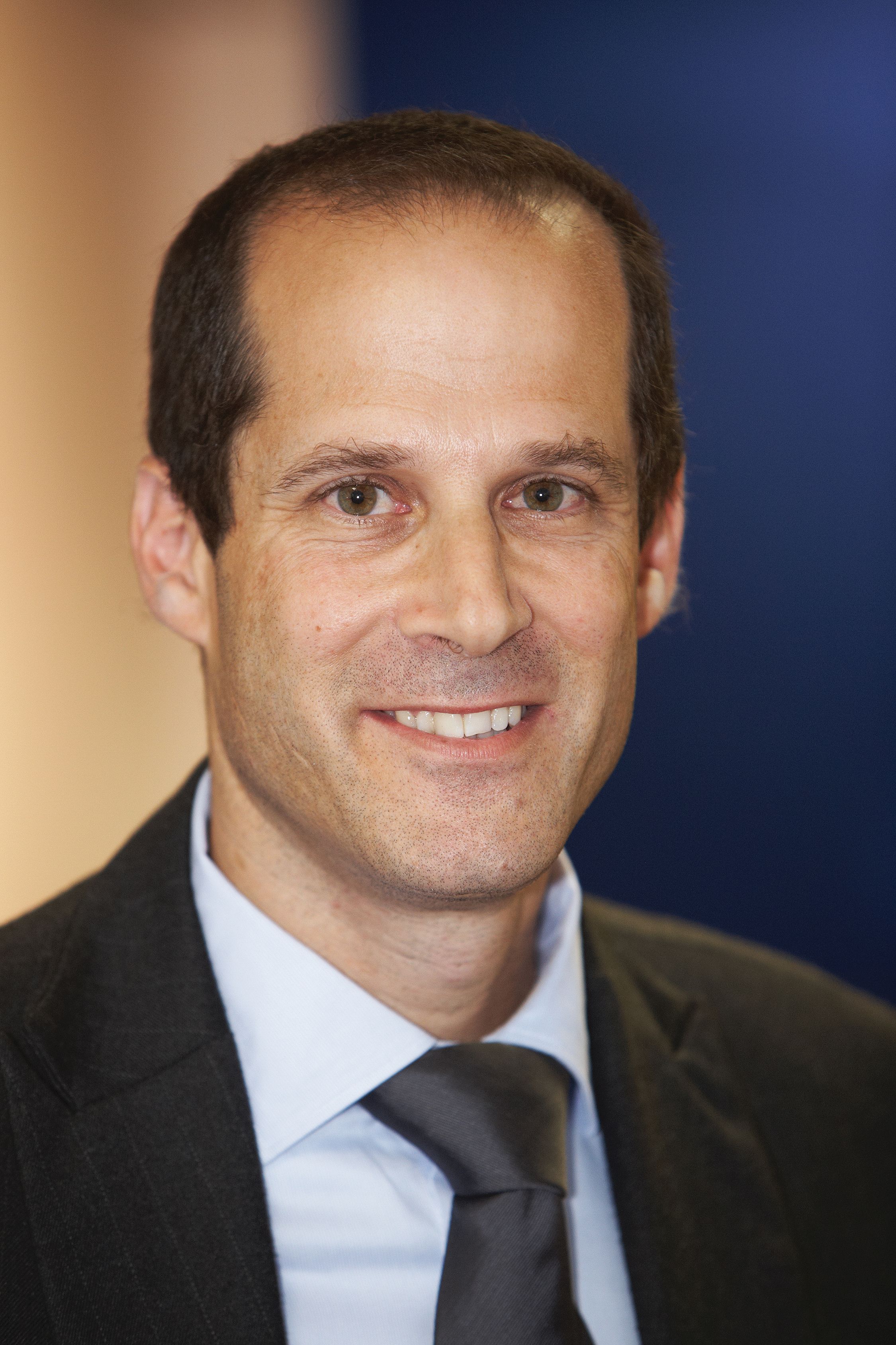
Treatment intensification in the high-risk group allocated to a proactive strategy comprised biologic dose escalation (n = 11 of 20), starting a biologic (n = 8 of 20), or swapping biologics (n = 1 of 20).
The primary outcome, clinical flare by 24 months, occurred in 5 of 20 (25%) of high-risk treat-to-target patients vs 14 of 20 (70%) of the high-risk standard-care group (odds ratio [OR], .14; 95% confidence interval [CI], .04–.57, P = .006).
Mucosal healing was significantly more common in the T2T group when determined by a cutoff LS < 350 (OR, 4.5, 95% CI, 1.7–17.4, nominal P value = .03), but not by the combined scores of total LS < 450 and highest-segment LS < 350.
Among all patients continuing standard care (n = 40), baseline LS was numerically higher among relapsers vs nonrelapsers (450, 225–900 vs 225, 135–600, respectively, P = .07).
As to safety, of 221 VCEs ingested, there was a single (.4%) temporary retention, which spontaneously resolved.
“VCE monitoring of CD was approved into government reimbursement in Israel last year, and I know several European countries are also considering the inclusion of this new indication for VCE in their payer reimbursement,” Ben-Horin told GI & Hepatology News. “Uptake in Israel is still baby-stepping. In our center it’s much more common to monitor T2T for small bowel patients, but this approach is still not widely applied.”
The authors cautioned that since the focus was the small bowel, the findings are not necessarily generalizable to patients with Crohn’s colitis.
The study was supported by the Leona M. & Harry B. Helmsley Charitable Trust, Medtronic (USA), AbbVie (Israel), and Takeda. The funders did not intervene in the design or interpretation of the study.
Ben-Horin reported advisory, consulting fees, research support, and/or stocks/options from several pharmaceutical firms. Several coauthors disclosed similar relations with private-sector companies.

As treat-to-target (T2T) strategies continue to redefine inflammatory bowel disease (IBD) care, this randomized controlled trial by Ben-Horin et al. highlights the value of proactive video capsule endoscopy (VCE) monitoring in patients with quiescent small bowel Crohn’s disease (CD).
The study demonstrated that scheduled VCE every six months, used to guide treatment adjustments, significantly reduced clinical flares over 24 months compared to symptom-based standard care. While differences in mucosal healing between groups were less pronounced, the results underscore that monitoring objective inflammation, even in asymptomatic patients, can improve clinical outcomes.
In clinical practice, symptom-driven management remains common, often due to limited access to endoscopy or patient hesitancy toward invasive procedures. VCE offers a non-invasive, well-tolerated alternative that may improve patient adherence to disease monitoring, particularly in small bowel CD. This approach addresses a significant gap in care, as nearly half of IBD patients do not undergo objective disease assessment within a year of starting biologics.

Clinicians should consider integrating VCE into individualized T2T strategies, especially in settings where endoscopic access is constrained. Furthermore, adjunctive non-invasive tools such as intestinal ultrasound (IUS) with biomarkers could further support a non-invasive, patient-centered monitoring approach. As the definition of remission evolves toward more ambitious targets like transmural healing, the integration of cross-sectional imaging modalities such as IUS into routine monitoring protocols may become essential. Aligning monitoring techniques with evolving therapeutic targets and patient preferences will be key to optimizing long-term disease control in CD.
Mariangela Allocca, MD, PhD, is head of the IBD Center at IRCCS Hospital San Raffaele, and professor of gastroenterology at Vita-Salute San Raffaele University, both in Milan, Italy. Silvio Danese, MD, PhD, is professor of gastroenterology at Vita-Salute San Raffaele University and IRCCS San Raffaele Hospital, Milan. Both authors report consulting and/or speaking fees from multiple drug and device companies.
As treat-to-target (T2T) strategies continue to redefine inflammatory bowel disease (IBD) care, this randomized controlled trial by Ben-Horin et al. highlights the value of proactive video capsule endoscopy (VCE) monitoring in patients with quiescent small bowel Crohn’s disease (CD).
The study demonstrated that scheduled VCE every six months, used to guide treatment adjustments, significantly reduced clinical flares over 24 months compared to symptom-based standard care. While differences in mucosal healing between groups were less pronounced, the results underscore that monitoring objective inflammation, even in asymptomatic patients, can improve clinical outcomes.
In clinical practice, symptom-driven management remains common, often due to limited access to endoscopy or patient hesitancy toward invasive procedures. VCE offers a non-invasive, well-tolerated alternative that may improve patient adherence to disease monitoring, particularly in small bowel CD. This approach addresses a significant gap in care, as nearly half of IBD patients do not undergo objective disease assessment within a year of starting biologics.
Clinicians should consider integrating VCE into individualized T2T strategies, especially in settings where endoscopic access is constrained. Furthermore, adjunctive non-invasive tools such as intestinal ultrasound (IUS) with biomarkers could further support a non-invasive, patient-centered monitoring approach. As the definition of remission evolves toward more ambitious targets like transmural healing, the integration of cross-sectional imaging modalities such as IUS into routine monitoring protocols may become essential. Aligning monitoring techniques with evolving therapeutic targets and patient preferences will be key to optimizing long-term disease control in CD.
Mariangela Allocca, MD, PhD, is head of the IBD Center at IRCCS Hospital San Raffaele, and professor of gastroenterology at Vita-Salute San Raffaele University, both in Milan, Italy. Silvio Danese, MD, PhD, is professor of gastroenterology at Vita-Salute San Raffaele University and IRCCS San Raffaele Hospital, Milan. Both authors report consulting and/or speaking fees from multiple drug and device companies.
As treat-to-target (T2T) strategies continue to redefine inflammatory bowel disease (IBD) care, this randomized controlled trial by Ben-Horin et al. highlights the value of proactive video capsule endoscopy (VCE) monitoring in patients with quiescent small bowel Crohn’s disease (CD).
The study demonstrated that scheduled VCE every six months, used to guide treatment adjustments, significantly reduced clinical flares over 24 months compared to symptom-based standard care. While differences in mucosal healing between groups were less pronounced, the results underscore that monitoring objective inflammation, even in asymptomatic patients, can improve clinical outcomes.
In clinical practice, symptom-driven management remains common, often due to limited access to endoscopy or patient hesitancy toward invasive procedures. VCE offers a non-invasive, well-tolerated alternative that may improve patient adherence to disease monitoring, particularly in small bowel CD. This approach addresses a significant gap in care, as nearly half of IBD patients do not undergo objective disease assessment within a year of starting biologics.
Clinicians should consider integrating VCE into individualized T2T strategies, especially in settings where endoscopic access is constrained. Furthermore, adjunctive non-invasive tools such as intestinal ultrasound (IUS) with biomarkers could further support a non-invasive, patient-centered monitoring approach. As the definition of remission evolves toward more ambitious targets like transmural healing, the integration of cross-sectional imaging modalities such as IUS into routine monitoring protocols may become essential. Aligning monitoring techniques with evolving therapeutic targets and patient preferences will be key to optimizing long-term disease control in CD.
Mariangela Allocca, MD, PhD, is head of the IBD Center at IRCCS Hospital San Raffaele, and professor of gastroenterology at Vita-Salute San Raffaele University, both in Milan, Italy. Silvio Danese, MD, PhD, is professor of gastroenterology at Vita-Salute San Raffaele University and IRCCS San Raffaele Hospital, Milan. Both authors report consulting and/or speaking fees from multiple drug and device companies.
A treat-to target (T2T) strategy based on video capsule endoscopy (VCE) identified Crohn’s disease (CD) patients in clinical remission but with small bowel inflammation, resulting in fewer clinical flares versus a treat-by-symptoms standard approach.
“A VCE-guided treat-to-target strategy for patients with CD in remission confers superior clinical outcomes compared with continued standard care,” investigators led by Shomron Ben-Horin, MD, director of gastroenterology at Sheba Medical Center in Ramat-Gan, Israel.
Published in Gastroenterology, the CURE-CD (Comprehensive Individualized Proactive Therapy of Crohn’s Disease), a prospective, temporally blinded, randomized controled trial, looked at 60 adult patients with quiescent CD involving the small bowel (either L1 or L3 iof the terminal ileum and upper colon).
The researchers defined quiescent disease as corticosteroid-free clinical remission with a Crohn’s Disease Activity Index (CDAI) of <50 for the past 3 months on a stable regimen.
Patients ingested a VCE at baseline and those with a Lewis inflammatory score (LS) of ≥350 were designated high risk (n = 40) and randomized to either T2T optimization (n = 20) or continuing standard care (n = 20).
T2T was optimized with repeat VCE results every 6 months. Patients with LS <350 (“low risk”) continued standard care. The primary outcome was the rate of disease exacerbation, demonstrated by a CDAI increase of >70 points and a score >150, or hospitalization/surgery, in high-risk standard care vs T2T groups at 24 months.
Treatment intensification in the high-risk group allocated to a proactive strategy comprised biologic dose escalation (n = 11 of 20), starting a biologic (n = 8 of 20), or swapping biologics (n = 1 of 20).
The primary outcome, clinical flare by 24 months, occurred in 5 of 20 (25%) of high-risk treat-to-target patients vs 14 of 20 (70%) of the high-risk standard-care group (odds ratio [OR], .14; 95% confidence interval [CI], .04–.57, P = .006).
Mucosal healing was significantly more common in the T2T group when determined by a cutoff LS < 350 (OR, 4.5, 95% CI, 1.7–17.4, nominal P value = .03), but not by the combined scores of total LS < 450 and highest-segment LS < 350.
Among all patients continuing standard care (n = 40), baseline LS was numerically higher among relapsers vs nonrelapsers (450, 225–900 vs 225, 135–600, respectively, P = .07).
As to safety, of 221 VCEs ingested, there was a single (.4%) temporary retention, which spontaneously resolved.
“VCE monitoring of CD was approved into government reimbursement in Israel last year, and I know several European countries are also considering the inclusion of this new indication for VCE in their payer reimbursement,” Ben-Horin told GI & Hepatology News. “Uptake in Israel is still baby-stepping. In our center it’s much more common to monitor T2T for small bowel patients, but this approach is still not widely applied.”
The authors cautioned that since the focus was the small bowel, the findings are not necessarily generalizable to patients with Crohn’s colitis.
The study was supported by the Leona M. & Harry B. Helmsley Charitable Trust, Medtronic (USA), AbbVie (Israel), and Takeda. The funders did not intervene in the design or interpretation of the study.
Ben-Horin reported advisory, consulting fees, research support, and/or stocks/options from several pharmaceutical firms. Several coauthors disclosed similar relations with private-sector companies.
A treat-to target (T2T) strategy based on video capsule endoscopy (VCE) identified Crohn’s disease (CD) patients in clinical remission but with small bowel inflammation, resulting in fewer clinical flares versus a treat-by-symptoms standard approach.
“A VCE-guided treat-to-target strategy for patients with CD in remission confers superior clinical outcomes compared with continued standard care,” investigators led by Shomron Ben-Horin, MD, director of gastroenterology at Sheba Medical Center in Ramat-Gan, Israel.
Published in Gastroenterology, the CURE-CD (Comprehensive Individualized Proactive Therapy of Crohn’s Disease), a prospective, temporally blinded, randomized controled trial, looked at 60 adult patients with quiescent CD involving the small bowel (either L1 or L3 iof the terminal ileum and upper colon).
The researchers defined quiescent disease as corticosteroid-free clinical remission with a Crohn’s Disease Activity Index (CDAI) of <50 for the past 3 months on a stable regimen.
Patients ingested a VCE at baseline and those with a Lewis inflammatory score (LS) of ≥350 were designated high risk (n = 40) and randomized to either T2T optimization (n = 20) or continuing standard care (n = 20).
T2T was optimized with repeat VCE results every 6 months. Patients with LS <350 (“low risk”) continued standard care. The primary outcome was the rate of disease exacerbation, demonstrated by a CDAI increase of >70 points and a score >150, or hospitalization/surgery, in high-risk standard care vs T2T groups at 24 months.
Treatment intensification in the high-risk group allocated to a proactive strategy comprised biologic dose escalation (n = 11 of 20), starting a biologic (n = 8 of 20), or swapping biologics (n = 1 of 20).
The primary outcome, clinical flare by 24 months, occurred in 5 of 20 (25%) of high-risk treat-to-target patients vs 14 of 20 (70%) of the high-risk standard-care group (odds ratio [OR], .14; 95% confidence interval [CI], .04–.57, P = .006).
Mucosal healing was significantly more common in the T2T group when determined by a cutoff LS < 350 (OR, 4.5, 95% CI, 1.7–17.4, nominal P value = .03), but not by the combined scores of total LS < 450 and highest-segment LS < 350.
Among all patients continuing standard care (n = 40), baseline LS was numerically higher among relapsers vs nonrelapsers (450, 225–900 vs 225, 135–600, respectively, P = .07).
As to safety, of 221 VCEs ingested, there was a single (.4%) temporary retention, which spontaneously resolved.
“VCE monitoring of CD was approved into government reimbursement in Israel last year, and I know several European countries are also considering the inclusion of this new indication for VCE in their payer reimbursement,” Ben-Horin told GI & Hepatology News. “Uptake in Israel is still baby-stepping. In our center it’s much more common to monitor T2T for small bowel patients, but this approach is still not widely applied.”
The authors cautioned that since the focus was the small bowel, the findings are not necessarily generalizable to patients with Crohn’s colitis.
The study was supported by the Leona M. & Harry B. Helmsley Charitable Trust, Medtronic (USA), AbbVie (Israel), and Takeda. The funders did not intervene in the design or interpretation of the study.
Ben-Horin reported advisory, consulting fees, research support, and/or stocks/options from several pharmaceutical firms. Several coauthors disclosed similar relations with private-sector companies.
FROM GASTROENTEROLOGY
MASH Driving Global Epidemic of Primary Liver Cancer
Although the incidence of PLC from most etiologies is declining, MASH and alcohol-related liver disease (ALD) are exceptions.
A recent analysis in Clinical Gastroenterology and Hepatology found a near doubling of cases in from 2000 to 2021 in data from the 2024 Global Burden of Disease study.
The analysis assessed age-standardized incidence, mortality, and disability-adjusted life years (DALYs) from MASH-associated PLC, stratified by geographical region, sociodemographic index, age, and sex.
The burden of MASH-associated primary liver cancer (PLC) is rising rapidly while, thanks to effective suppressive treatments, the incidence of PLC from viral hepatitis is declining.
“Given the shifting epidemiology and limited global data, this analysis was timely to provide updated, comprehensive estimates using the GBD 2021 database,” lead authors Ju Dong Yang, MD, MS, and Karn Wijarnpreecha, MD, MPH, told GI & Hepatology News in a joint email. Yang is an associate professor and medical director of the Liver Cancer Program at Cedars-Sinai Medical Center in Los Angeles, and Wijarnpreecha is a transplant hepatologist in the of Division of Gastroenterology at University of Arizona College of Medicine in Phoenix. “Our study helps identify regions, populations, and sex-specific trends that are most affected and informs global policy response.”
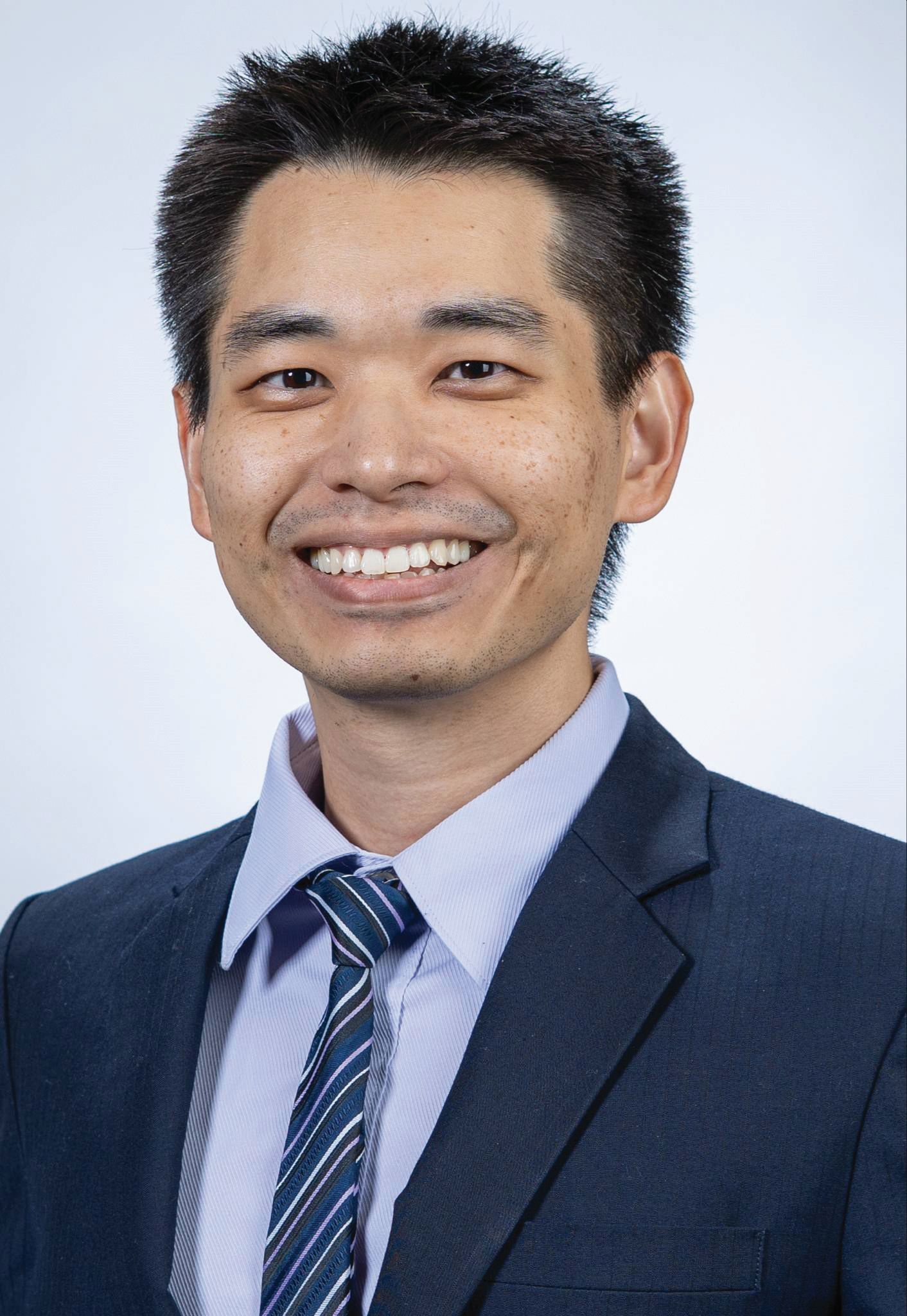
Interestingly,the United States ranks among the top three countries worldwide in terms of MASH-associated PLC burden, with nearly 3,400 newly diagnosed cases reported in 2021 alone. The Americas in general experienced the highest percentage increase in age-standardized incidence rate (APC, 2.09%, 95% CI, 2.02–2.16), age-standardized death rate (APC, 1.96%; 95% CI, 1.69–2.23), and age-standardized DALYs (APC, 1.96%; 95% CI, 1.63–2.30) from MASH-associated PLC.
Globally, there were 42,290 incident cases, 40,920 deaths, and 995,470 DALYs from PLC. Global incidence (+98%), death (+93%), and DALYs (+76%) from MASH-associated PLC increased steeply over the study period.
Among different etiologies, the global study found that only MASH-associated PLC had increased mortality rates, for an annual percent change of +0.46 (95% confidence interval [CI], .33%–.59%). Africa and low-sociodemographic index countries exhibited the highest age-standardized incidence, death, and DALYs from MASH-associated PLC.
MASH promotes PLC through chronic liver inflammation, oxidative stress, lipotoxicity, and fibrosis, which together create a procarcinogenic environment even in the absence of cirrhosis. “This distinct pathway makes MASH-associated PLC harder to detect early, especially when cirrhosis is not yet evident,” Yang and Wijarnpreecha said.
By gender, DALYs increased in females (APC, .24%, 95% CI, .06–.42) but remained stable in males. “Males have higher absolute rates of MASH-associated PLC in terms of incidence and DALYs. However, our study found that the rate of increase in MASH-associated PLC-related disability is steeper in females. This suggests a growing burden among women, possibly related to aging, hormonal changes, and cumulative metabolic risk,” the authors said. In terms of age, “while our study did not assess age at onset, separate analyses have shown that both MASH-associated and alcohol-associated liver cancer are rising among younger individuals.”
Yang and Wijarnpreecha emphasized the need for a multi-pronged remedial strategy, including broad public health policies targeting obesity and metabolic syndrome and better risk stratification tools such as no-invasive biomarkers and genetic profiling. They called for investment in liver cancer surveillance, especially in populations at risk, and special attention to sex disparities and health equity across regions.
“We’re entering a new era of liver cancer epidemiology, where MASLD is taking center stage. Clinicians must recognize that MASH can progress to liver cancer even without cirrhosis,” they said. “Early diagnosis and metabolic intervention may be the best tools to curb this trend, and sex-based approaches to risk stratification and treatment may be essential moving forward.”
Yang’s research is supported by the National Institutes of Health. He consults for AstraZeneca, Eisai, Exact Sciences, and FujiFilm Medical Sciences.
Reviewing this study for GI & Hepatology News, but not involved in it, Scott L. Friedman, MD, AGAF, chief emeritus of the Division of Liver Diseases at Mount Sinai Health System in New York City and director of the newly established multidisciplinary Mount Sinai Institute for Liver Research, said the increase in primary liver cancer burden revealed by the research has been recognized for several years, especially among liver specialists, and is worsening, particularly in America.

“This is most evident in the changing composition of liver transplant waiting lists, which include a diminishing number of patients with chronic viral hepatitis, and a growing fraction of patients with steatotic liver disease, either from MASH alone or with concurrent alcohol-associated liver disease,” Friedman said. He noted that apart from the brain, the liver is the body’s least understood organ.
Friedman said that an urgent need exists for increased awareness of and screening for steatotic liver disease in primary care and general medicine practices – especially in patients with type 2 diabetes, about 70% of whom typically have steatosis – as well as those with features of the metabolic syndrome, with obesity, type 2 diabetes, lipid abnormalities and hypertension. “Awareness of metabolic-associated liver disease and MASH among patients and providers is still inadequate,” he said. “However, now that there’s a newly approved drug, Rezdiffra [resmetirom] – and more likely in the coming years – early detection and treatment of MASH will become essential to prevent its progression to cirrhosis and PLC through specific medications.”
Once patients with MASH have more advanced fibrosis, Friedman noted, regular screening for PLC is essential to detect early cancers that are still curable either by liver resection, liver transplant, or direct ablation of small tumors. “Unfortunately, it is not unusual for patients to present with an incurable PLC without realizing they had any underlying liver disease, since MASH is not associated with specific liver symptoms.”
Friedman disclosed no competing interests relevant to his comments.
Reviewing this study for GI & Hepatology News, but not involved in it, Scott L. Friedman, MD, AGAF, chief emeritus of the Division of Liver Diseases at Mount Sinai Health System in New York City and director of the newly established multidisciplinary Mount Sinai Institute for Liver Research, said the increase in primary liver cancer burden revealed by the research has been recognized for several years, especially among liver specialists, and is worsening, particularly in America.
“This is most evident in the changing composition of liver transplant waiting lists, which include a diminishing number of patients with chronic viral hepatitis, and a growing fraction of patients with steatotic liver disease, either from MASH alone or with concurrent alcohol-associated liver disease,” Friedman said. He noted that apart from the brain, the liver is the body’s least understood organ.
Friedman said that an urgent need exists for increased awareness of and screening for steatotic liver disease in primary care and general medicine practices – especially in patients with type 2 diabetes, about 70% of whom typically have steatosis – as well as those with features of the metabolic syndrome, with obesity, type 2 diabetes, lipid abnormalities and hypertension. “Awareness of metabolic-associated liver disease and MASH among patients and providers is still inadequate,” he said. “However, now that there’s a newly approved drug, Rezdiffra [resmetirom] – and more likely in the coming years – early detection and treatment of MASH will become essential to prevent its progression to cirrhosis and PLC through specific medications.”
Once patients with MASH have more advanced fibrosis, Friedman noted, regular screening for PLC is essential to detect early cancers that are still curable either by liver resection, liver transplant, or direct ablation of small tumors. “Unfortunately, it is not unusual for patients to present with an incurable PLC without realizing they had any underlying liver disease, since MASH is not associated with specific liver symptoms.”
Friedman disclosed no competing interests relevant to his comments.
Reviewing this study for GI & Hepatology News, but not involved in it, Scott L. Friedman, MD, AGAF, chief emeritus of the Division of Liver Diseases at Mount Sinai Health System in New York City and director of the newly established multidisciplinary Mount Sinai Institute for Liver Research, said the increase in primary liver cancer burden revealed by the research has been recognized for several years, especially among liver specialists, and is worsening, particularly in America.
“This is most evident in the changing composition of liver transplant waiting lists, which include a diminishing number of patients with chronic viral hepatitis, and a growing fraction of patients with steatotic liver disease, either from MASH alone or with concurrent alcohol-associated liver disease,” Friedman said. He noted that apart from the brain, the liver is the body’s least understood organ.
Friedman said that an urgent need exists for increased awareness of and screening for steatotic liver disease in primary care and general medicine practices – especially in patients with type 2 diabetes, about 70% of whom typically have steatosis – as well as those with features of the metabolic syndrome, with obesity, type 2 diabetes, lipid abnormalities and hypertension. “Awareness of metabolic-associated liver disease and MASH among patients and providers is still inadequate,” he said. “However, now that there’s a newly approved drug, Rezdiffra [resmetirom] – and more likely in the coming years – early detection and treatment of MASH will become essential to prevent its progression to cirrhosis and PLC through specific medications.”
Once patients with MASH have more advanced fibrosis, Friedman noted, regular screening for PLC is essential to detect early cancers that are still curable either by liver resection, liver transplant, or direct ablation of small tumors. “Unfortunately, it is not unusual for patients to present with an incurable PLC without realizing they had any underlying liver disease, since MASH is not associated with specific liver symptoms.”
Friedman disclosed no competing interests relevant to his comments.
Although the incidence of PLC from most etiologies is declining, MASH and alcohol-related liver disease (ALD) are exceptions.
A recent analysis in Clinical Gastroenterology and Hepatology found a near doubling of cases in from 2000 to 2021 in data from the 2024 Global Burden of Disease study.
The analysis assessed age-standardized incidence, mortality, and disability-adjusted life years (DALYs) from MASH-associated PLC, stratified by geographical region, sociodemographic index, age, and sex.
The burden of MASH-associated primary liver cancer (PLC) is rising rapidly while, thanks to effective suppressive treatments, the incidence of PLC from viral hepatitis is declining.
“Given the shifting epidemiology and limited global data, this analysis was timely to provide updated, comprehensive estimates using the GBD 2021 database,” lead authors Ju Dong Yang, MD, MS, and Karn Wijarnpreecha, MD, MPH, told GI & Hepatology News in a joint email. Yang is an associate professor and medical director of the Liver Cancer Program at Cedars-Sinai Medical Center in Los Angeles, and Wijarnpreecha is a transplant hepatologist in the of Division of Gastroenterology at University of Arizona College of Medicine in Phoenix. “Our study helps identify regions, populations, and sex-specific trends that are most affected and informs global policy response.”
Interestingly,the United States ranks among the top three countries worldwide in terms of MASH-associated PLC burden, with nearly 3,400 newly diagnosed cases reported in 2021 alone. The Americas in general experienced the highest percentage increase in age-standardized incidence rate (APC, 2.09%, 95% CI, 2.02–2.16), age-standardized death rate (APC, 1.96%; 95% CI, 1.69–2.23), and age-standardized DALYs (APC, 1.96%; 95% CI, 1.63–2.30) from MASH-associated PLC.
Globally, there were 42,290 incident cases, 40,920 deaths, and 995,470 DALYs from PLC. Global incidence (+98%), death (+93%), and DALYs (+76%) from MASH-associated PLC increased steeply over the study period.
Among different etiologies, the global study found that only MASH-associated PLC had increased mortality rates, for an annual percent change of +0.46 (95% confidence interval [CI], .33%–.59%). Africa and low-sociodemographic index countries exhibited the highest age-standardized incidence, death, and DALYs from MASH-associated PLC.
MASH promotes PLC through chronic liver inflammation, oxidative stress, lipotoxicity, and fibrosis, which together create a procarcinogenic environment even in the absence of cirrhosis. “This distinct pathway makes MASH-associated PLC harder to detect early, especially when cirrhosis is not yet evident,” Yang and Wijarnpreecha said.
By gender, DALYs increased in females (APC, .24%, 95% CI, .06–.42) but remained stable in males. “Males have higher absolute rates of MASH-associated PLC in terms of incidence and DALYs. However, our study found that the rate of increase in MASH-associated PLC-related disability is steeper in females. This suggests a growing burden among women, possibly related to aging, hormonal changes, and cumulative metabolic risk,” the authors said. In terms of age, “while our study did not assess age at onset, separate analyses have shown that both MASH-associated and alcohol-associated liver cancer are rising among younger individuals.”
Yang and Wijarnpreecha emphasized the need for a multi-pronged remedial strategy, including broad public health policies targeting obesity and metabolic syndrome and better risk stratification tools such as no-invasive biomarkers and genetic profiling. They called for investment in liver cancer surveillance, especially in populations at risk, and special attention to sex disparities and health equity across regions.
“We’re entering a new era of liver cancer epidemiology, where MASLD is taking center stage. Clinicians must recognize that MASH can progress to liver cancer even without cirrhosis,” they said. “Early diagnosis and metabolic intervention may be the best tools to curb this trend, and sex-based approaches to risk stratification and treatment may be essential moving forward.”
Yang’s research is supported by the National Institutes of Health. He consults for AstraZeneca, Eisai, Exact Sciences, and FujiFilm Medical Sciences.
Although the incidence of PLC from most etiologies is declining, MASH and alcohol-related liver disease (ALD) are exceptions.
A recent analysis in Clinical Gastroenterology and Hepatology found a near doubling of cases in from 2000 to 2021 in data from the 2024 Global Burden of Disease study.
The analysis assessed age-standardized incidence, mortality, and disability-adjusted life years (DALYs) from MASH-associated PLC, stratified by geographical region, sociodemographic index, age, and sex.
The burden of MASH-associated primary liver cancer (PLC) is rising rapidly while, thanks to effective suppressive treatments, the incidence of PLC from viral hepatitis is declining.
“Given the shifting epidemiology and limited global data, this analysis was timely to provide updated, comprehensive estimates using the GBD 2021 database,” lead authors Ju Dong Yang, MD, MS, and Karn Wijarnpreecha, MD, MPH, told GI & Hepatology News in a joint email. Yang is an associate professor and medical director of the Liver Cancer Program at Cedars-Sinai Medical Center in Los Angeles, and Wijarnpreecha is a transplant hepatologist in the of Division of Gastroenterology at University of Arizona College of Medicine in Phoenix. “Our study helps identify regions, populations, and sex-specific trends that are most affected and informs global policy response.”
Interestingly,the United States ranks among the top three countries worldwide in terms of MASH-associated PLC burden, with nearly 3,400 newly diagnosed cases reported in 2021 alone. The Americas in general experienced the highest percentage increase in age-standardized incidence rate (APC, 2.09%, 95% CI, 2.02–2.16), age-standardized death rate (APC, 1.96%; 95% CI, 1.69–2.23), and age-standardized DALYs (APC, 1.96%; 95% CI, 1.63–2.30) from MASH-associated PLC.
Globally, there were 42,290 incident cases, 40,920 deaths, and 995,470 DALYs from PLC. Global incidence (+98%), death (+93%), and DALYs (+76%) from MASH-associated PLC increased steeply over the study period.
Among different etiologies, the global study found that only MASH-associated PLC had increased mortality rates, for an annual percent change of +0.46 (95% confidence interval [CI], .33%–.59%). Africa and low-sociodemographic index countries exhibited the highest age-standardized incidence, death, and DALYs from MASH-associated PLC.
MASH promotes PLC through chronic liver inflammation, oxidative stress, lipotoxicity, and fibrosis, which together create a procarcinogenic environment even in the absence of cirrhosis. “This distinct pathway makes MASH-associated PLC harder to detect early, especially when cirrhosis is not yet evident,” Yang and Wijarnpreecha said.
By gender, DALYs increased in females (APC, .24%, 95% CI, .06–.42) but remained stable in males. “Males have higher absolute rates of MASH-associated PLC in terms of incidence and DALYs. However, our study found that the rate of increase in MASH-associated PLC-related disability is steeper in females. This suggests a growing burden among women, possibly related to aging, hormonal changes, and cumulative metabolic risk,” the authors said. In terms of age, “while our study did not assess age at onset, separate analyses have shown that both MASH-associated and alcohol-associated liver cancer are rising among younger individuals.”
Yang and Wijarnpreecha emphasized the need for a multi-pronged remedial strategy, including broad public health policies targeting obesity and metabolic syndrome and better risk stratification tools such as no-invasive biomarkers and genetic profiling. They called for investment in liver cancer surveillance, especially in populations at risk, and special attention to sex disparities and health equity across regions.
“We’re entering a new era of liver cancer epidemiology, where MASLD is taking center stage. Clinicians must recognize that MASH can progress to liver cancer even without cirrhosis,” they said. “Early diagnosis and metabolic intervention may be the best tools to curb this trend, and sex-based approaches to risk stratification and treatment may be essential moving forward.”
Yang’s research is supported by the National Institutes of Health. He consults for AstraZeneca, Eisai, Exact Sciences, and FujiFilm Medical Sciences.
FROM CLINICAL GASTROENTEROLOGY AND HEPATOLOGY
Colonoscopy Screening Effective in 45- to 49-Year-Olds
Researchers at Kaiser Permanente Northern California sought to compare yields between the two age groups to assess how a change in guidance in 2021 urging screening in the younger cohort was borne out in a real-world setting.
The researchers published their findings in JAMA, concluding that the results supported screening colonoscopy in 45- to 49-year-olds.
The study compared 4380 individuals aged 45-49 years, with 7651 who were aged 50-54. All of them underwent their first colonoscopy during 2021 to 2024. Thirty-five percent of the younger group and 40% of the older group had any adenoma.
About 4% of each group had an advanced adenoma, 10% had any sessile serrated lesion, a little under 2% had an advanced serrated lesion, and 0.1% in each group had colorectal cancer.
There were no significant differences in neoplasia prevalence between the groups by sex. The authors did note that the study group included more Asian individuals (30%) than in the general population.
Swati G. Patel, MD, MS, director of the Gastrointestinal Hereditary Cancer Program at the University of Colorado Anschutz Medical Center, Denver, said the Kaiser study is important because its data was aggregated after the US Preventive Services Task Force lowered the screening age in 2021.
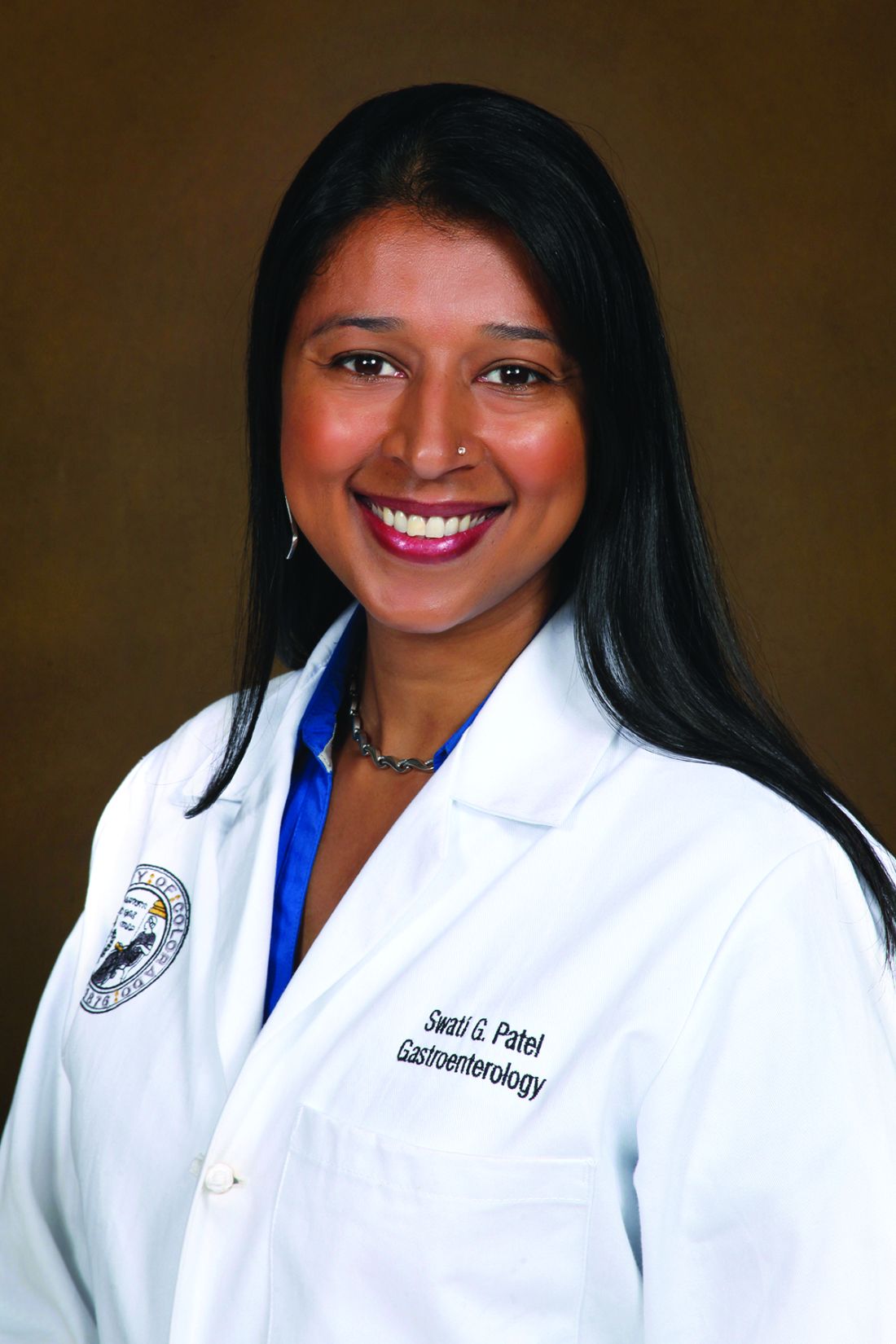
The Kaiser research “validates the initial studies” done to support that recommendation and the 2022 consensus statement by the US Multi-Society Task Force on Colorectal Cancer, which also advocated screening in 45- to 49-year-olds.
Even though the new JAMA study found a similar rate of cancers and precursor lesions as in previous trials, it provides “reinforcement of the rationale for decreasing the screening age,” Patel, the lead author on the consensus statement, told GI & Hepatology News.
The Kaiser research is “really powerful information,” she said.
“It certainly validates our current guidance to start screening for colorectal cancer at age 45,” said Audrey Calderwood, MD, director of the GI Cancer Risk and Prevention Clinic at the Geisel School of Medicine, Dartmouth, New Hampshire.
The Kaiser data provides granular information to share with younger patients who might think that they don’t need screening because they are healthy and don’t have symptoms, said Calderwood, also director of the Comprehensive Gastroenterology Center at Dartmouth Hitchcock Medical Center.
Colon cancer rates for Americans under age 50 have been steadily rising for the past decade, hitting about 10 cases per 100,000 in 2022, according to the National Cancer Institute (NCI). In 2023, about 73% of eligible 50- to 75-year-olds received colorectal cancer screening based on the most recent guidelines, according to the NCI.
But screening rates in the under-50 age group are much lower. Researchers estimated in a study that only about 34.5% of those aged 45-49 received colorectal cancer screening, which included colonoscopy, stool-based tests, and CT colonography.
Patel said that estimate is “spot on” in terms of other estimates.
“I think there’s a perception that it’s a cancer of older adults and that young healthy people don’t need to worry about it,” she said, adding that getting the word out to younger Americans is a “PR challenge,” in part because of squeamishness about discussing anything to do with stool and changes in how they access information.

Calderwood agreed. Younger people “aren’t chatting to their friends about” colon cancer screening the way they might about mammography, said Calderwood.
Both she and Patel noted that educating the public was an ongoing project, but that a physician’s recommendation was key.
Patel said she hoped that data provided in the Kaiser study might help “dismantle the systemic skepticism around decreasing the age recommendation” for screening.
Calderwood and Patel reported having no relevant financial relationships.
A version of this article appeared on Medscape.com.
Researchers at Kaiser Permanente Northern California sought to compare yields between the two age groups to assess how a change in guidance in 2021 urging screening in the younger cohort was borne out in a real-world setting.
The researchers published their findings in JAMA, concluding that the results supported screening colonoscopy in 45- to 49-year-olds.
The study compared 4380 individuals aged 45-49 years, with 7651 who were aged 50-54. All of them underwent their first colonoscopy during 2021 to 2024. Thirty-five percent of the younger group and 40% of the older group had any adenoma.
About 4% of each group had an advanced adenoma, 10% had any sessile serrated lesion, a little under 2% had an advanced serrated lesion, and 0.1% in each group had colorectal cancer.
There were no significant differences in neoplasia prevalence between the groups by sex. The authors did note that the study group included more Asian individuals (30%) than in the general population.
Swati G. Patel, MD, MS, director of the Gastrointestinal Hereditary Cancer Program at the University of Colorado Anschutz Medical Center, Denver, said the Kaiser study is important because its data was aggregated after the US Preventive Services Task Force lowered the screening age in 2021.
The Kaiser research “validates the initial studies” done to support that recommendation and the 2022 consensus statement by the US Multi-Society Task Force on Colorectal Cancer, which also advocated screening in 45- to 49-year-olds.
Even though the new JAMA study found a similar rate of cancers and precursor lesions as in previous trials, it provides “reinforcement of the rationale for decreasing the screening age,” Patel, the lead author on the consensus statement, told GI & Hepatology News.
The Kaiser research is “really powerful information,” she said.
“It certainly validates our current guidance to start screening for colorectal cancer at age 45,” said Audrey Calderwood, MD, director of the GI Cancer Risk and Prevention Clinic at the Geisel School of Medicine, Dartmouth, New Hampshire.
The Kaiser data provides granular information to share with younger patients who might think that they don’t need screening because they are healthy and don’t have symptoms, said Calderwood, also director of the Comprehensive Gastroenterology Center at Dartmouth Hitchcock Medical Center.
Colon cancer rates for Americans under age 50 have been steadily rising for the past decade, hitting about 10 cases per 100,000 in 2022, according to the National Cancer Institute (NCI). In 2023, about 73% of eligible 50- to 75-year-olds received colorectal cancer screening based on the most recent guidelines, according to the NCI.
But screening rates in the under-50 age group are much lower. Researchers estimated in a study that only about 34.5% of those aged 45-49 received colorectal cancer screening, which included colonoscopy, stool-based tests, and CT colonography.
Patel said that estimate is “spot on” in terms of other estimates.
“I think there’s a perception that it’s a cancer of older adults and that young healthy people don’t need to worry about it,” she said, adding that getting the word out to younger Americans is a “PR challenge,” in part because of squeamishness about discussing anything to do with stool and changes in how they access information.
Calderwood agreed. Younger people “aren’t chatting to their friends about” colon cancer screening the way they might about mammography, said Calderwood.
Both she and Patel noted that educating the public was an ongoing project, but that a physician’s recommendation was key.
Patel said she hoped that data provided in the Kaiser study might help “dismantle the systemic skepticism around decreasing the age recommendation” for screening.
Calderwood and Patel reported having no relevant financial relationships.
A version of this article appeared on Medscape.com.
Researchers at Kaiser Permanente Northern California sought to compare yields between the two age groups to assess how a change in guidance in 2021 urging screening in the younger cohort was borne out in a real-world setting.
The researchers published their findings in JAMA, concluding that the results supported screening colonoscopy in 45- to 49-year-olds.
The study compared 4380 individuals aged 45-49 years, with 7651 who were aged 50-54. All of them underwent their first colonoscopy during 2021 to 2024. Thirty-five percent of the younger group and 40% of the older group had any adenoma.
About 4% of each group had an advanced adenoma, 10% had any sessile serrated lesion, a little under 2% had an advanced serrated lesion, and 0.1% in each group had colorectal cancer.
There were no significant differences in neoplasia prevalence between the groups by sex. The authors did note that the study group included more Asian individuals (30%) than in the general population.
Swati G. Patel, MD, MS, director of the Gastrointestinal Hereditary Cancer Program at the University of Colorado Anschutz Medical Center, Denver, said the Kaiser study is important because its data was aggregated after the US Preventive Services Task Force lowered the screening age in 2021.
The Kaiser research “validates the initial studies” done to support that recommendation and the 2022 consensus statement by the US Multi-Society Task Force on Colorectal Cancer, which also advocated screening in 45- to 49-year-olds.
Even though the new JAMA study found a similar rate of cancers and precursor lesions as in previous trials, it provides “reinforcement of the rationale for decreasing the screening age,” Patel, the lead author on the consensus statement, told GI & Hepatology News.
The Kaiser research is “really powerful information,” she said.
“It certainly validates our current guidance to start screening for colorectal cancer at age 45,” said Audrey Calderwood, MD, director of the GI Cancer Risk and Prevention Clinic at the Geisel School of Medicine, Dartmouth, New Hampshire.
The Kaiser data provides granular information to share with younger patients who might think that they don’t need screening because they are healthy and don’t have symptoms, said Calderwood, also director of the Comprehensive Gastroenterology Center at Dartmouth Hitchcock Medical Center.
Colon cancer rates for Americans under age 50 have been steadily rising for the past decade, hitting about 10 cases per 100,000 in 2022, according to the National Cancer Institute (NCI). In 2023, about 73% of eligible 50- to 75-year-olds received colorectal cancer screening based on the most recent guidelines, according to the NCI.
But screening rates in the under-50 age group are much lower. Researchers estimated in a study that only about 34.5% of those aged 45-49 received colorectal cancer screening, which included colonoscopy, stool-based tests, and CT colonography.
Patel said that estimate is “spot on” in terms of other estimates.
“I think there’s a perception that it’s a cancer of older adults and that young healthy people don’t need to worry about it,” she said, adding that getting the word out to younger Americans is a “PR challenge,” in part because of squeamishness about discussing anything to do with stool and changes in how they access information.
Calderwood agreed. Younger people “aren’t chatting to their friends about” colon cancer screening the way they might about mammography, said Calderwood.
Both she and Patel noted that educating the public was an ongoing project, but that a physician’s recommendation was key.
Patel said she hoped that data provided in the Kaiser study might help “dismantle the systemic skepticism around decreasing the age recommendation” for screening.
Calderwood and Patel reported having no relevant financial relationships.
A version of this article appeared on Medscape.com.
Novel Gene Risk Score Predicts Outcomes After RYGB Surgery
SAN DIEGO –
The findings suggested that the MyPhenome test (Phenomix Sciences) can help clinicians identify the patients most likely to benefit from bariatric procedures and at a greater risk for long-term weight regain after surgery.
“Patients with both a high genetic risk score and rare mutations in the leptin-melanocortin pathway (LMP) had significantly worse outcomes, maintaining only 4.9% total body weight loss [TBWL] over 15 years compared to up to 24.8% in other genetic groups,” Phenomix Sciences Co-founder Andres Acosta, MD, PhD, told GI & Hepatology News.
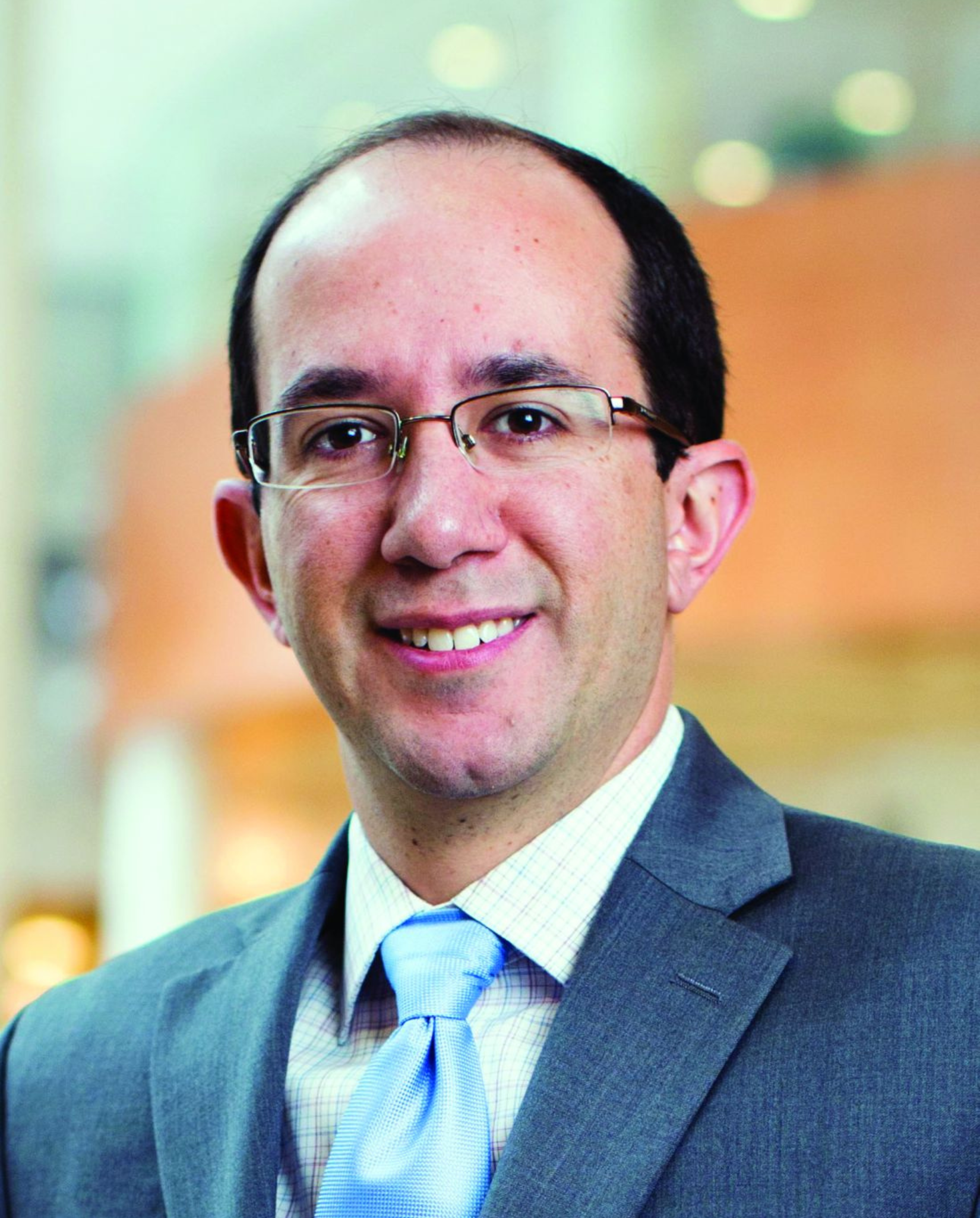
The study included details on the score’s development and predictive capability. It was presented at Digestive Disease Week® (DDW) 2025
‘More Precise Bariatric Care’
The researchers recently developed a machine learning-assisted gene risk score for calories to satiation (CTSGRS), which mainly involves genes in the LMP. To assess the role of the score with or without LMP gene variants on weight loss and weight recurrence after RYGB, they identified 707 patients with a history of bariatric procedures from the Mayo Clinic Biobank. Patients with duodenal switch, revisional procedures, or who used antiobesity medications or became pregnant during follow-up were excluded.
To make predictions for 442 of the patients, the team first collected anthropometric data up to 15 years after RYGB. Then they used a two-step approach: Assessing for monogenic variants in the LMP and defining participants as carriers (LMP+) or noncarriers (LMP-). Then they defined the gene risk score (CTSGRS+ or CTSGRS-).
The result was four groups: LMP+/CTSGRS+, LMP+/CTSGRS-, LMP-/CTSGRS+, and LMP-/CTSGRS-. Multiple regression analysis was used to analyze TBWL percentage (TBWL%) between the groups at different timepoints, adjusting for baseline weight, age, and gender.
At the 10-year follow-up, the LMP+/CTSGRS+ group demonstrated a significantly higher weight recurrence (regain) of TBW% compared to the other groups.
At 15 years post-RYGB, the mean TBWL% for LMP+/CTSGRS+ was -4.9 vs -20.3 for LMP+/CTSGRS-, -18.0 for LMP-/CTSGRS+, and -24.8 for LMP-/CTSGRS-.
Further analyses showed that the LMP+/CTSGRS+ group had significantly less weight loss than LMP+/CTSGRS- and LMP-/CTSGRS- groups.
Based on the findings, the authors wrote, “Genotyping patients could improve the implementation of individualized weight-loss interventions, enhance weight-loss outcomes, and/or may explain one of the etiological factors associated with weight recurrence after RYGB.”
Acosta noted, “We’re actively expanding our research to include more diverse populations by age, sex, and race. This includes ongoing analysis to understand whether certain demographic or physiological characteristics affect how the test performs, particularly in the context of bariatric surgery.”
The team also is investigating the benefits of phenotyping for obesity comorbidities such as heart disease and diabetes, he said, and exploring whether early interventions in high-risk patients can prevent long-term weight regain and improve outcomes.
In addition, Acosta said, the team recently launched “the first prospective, placebo-controlled clinical trial using the MyPhenome test to predict response to semaglutide.” That study is based on earlier findings showing that patients identified with a Hungry Gut phenotype lost nearly twice as much weight on semaglutide compared with those who tested negative.
Overall, he concluded, “These findings open the door to more precise bariatric care. When we understand a patient’s biological drivers of obesity, we can make better decisions about the right procedure, follow-up, and long-term support. This moves us away from a one-size-fits-all model to care rooted in each patient’s unique biology.”
Potentially Paradigm-Shifting
Onur Kutlu, MD, associate professor of surgery and director of the Metabolic Surgery and Metabolic Health Program at the Miller School of Medicine, University of Miami, in Miami, Florida, commented on the study for GI & Hepatology News. “By integrating polygenic risk scores into predictive models, the authors offer an innovative method for identifying patients at elevated risk for weight regain following RYGB.”
“Their findings support the hypothesis that genetic predisposition — particularly involving energy homeostasis pathways — may underlie differential postoperative trajectories,” he said. “This approach has the potential to shift the paradigm from reactive to proactive management of weight recurrence.”
Because current options for treat weight regain are “suboptimal,” he said, “prevention becomes paramount. Preoperative identification of high-risk individuals could inform surgical decision-making, enable earlier interventions, and facilitate personalized postoperative monitoring and support.”
“If validated in larger, prospective cohorts, genetic risk stratification could enhance the precision of bariatric care and improve long-term outcomes,” he added. “Future studies should aim to validate these genetic models across diverse populations and explore how integration of behavioral, psychological, and genetic data may further refine patient selection and care pathways.”
The study was funded by Mayo Clinic and Phenomix Sciences. Gila Therapeutics and Phenomix Sciences licensed Acosta’s research technologies from the University of Florida and Mayo Clinic. Acosta declared receiving consultant fees in the past 5 years from Rhythm Pharmaceuticals, Gila Therapeutics, Amgen, General Mills, BI, Currax, Nestle, Phenomix Sciences, Bausch Health, and RareDiseases, as well as funding support from the National Institutes of Health, Vivus Pharmaceuticals, Novo Nordisk, Apollo Endosurgery, Satiogen Pharmaceuticals, Spatz Medical, and Rhythm Pharmaceuticals. Kutlu declared having no conflicts of interest.
A version of this article appeared on Medscape.com.
SAN DIEGO –
The findings suggested that the MyPhenome test (Phenomix Sciences) can help clinicians identify the patients most likely to benefit from bariatric procedures and at a greater risk for long-term weight regain after surgery.
“Patients with both a high genetic risk score and rare mutations in the leptin-melanocortin pathway (LMP) had significantly worse outcomes, maintaining only 4.9% total body weight loss [TBWL] over 15 years compared to up to 24.8% in other genetic groups,” Phenomix Sciences Co-founder Andres Acosta, MD, PhD, told GI & Hepatology News.
The study included details on the score’s development and predictive capability. It was presented at Digestive Disease Week® (DDW) 2025
‘More Precise Bariatric Care’
The researchers recently developed a machine learning-assisted gene risk score for calories to satiation (CTSGRS), which mainly involves genes in the LMP. To assess the role of the score with or without LMP gene variants on weight loss and weight recurrence after RYGB, they identified 707 patients with a history of bariatric procedures from the Mayo Clinic Biobank. Patients with duodenal switch, revisional procedures, or who used antiobesity medications or became pregnant during follow-up were excluded.
To make predictions for 442 of the patients, the team first collected anthropometric data up to 15 years after RYGB. Then they used a two-step approach: Assessing for monogenic variants in the LMP and defining participants as carriers (LMP+) or noncarriers (LMP-). Then they defined the gene risk score (CTSGRS+ or CTSGRS-).
The result was four groups: LMP+/CTSGRS+, LMP+/CTSGRS-, LMP-/CTSGRS+, and LMP-/CTSGRS-. Multiple regression analysis was used to analyze TBWL percentage (TBWL%) between the groups at different timepoints, adjusting for baseline weight, age, and gender.
At the 10-year follow-up, the LMP+/CTSGRS+ group demonstrated a significantly higher weight recurrence (regain) of TBW% compared to the other groups.
At 15 years post-RYGB, the mean TBWL% for LMP+/CTSGRS+ was -4.9 vs -20.3 for LMP+/CTSGRS-, -18.0 for LMP-/CTSGRS+, and -24.8 for LMP-/CTSGRS-.
Further analyses showed that the LMP+/CTSGRS+ group had significantly less weight loss than LMP+/CTSGRS- and LMP-/CTSGRS- groups.
Based on the findings, the authors wrote, “Genotyping patients could improve the implementation of individualized weight-loss interventions, enhance weight-loss outcomes, and/or may explain one of the etiological factors associated with weight recurrence after RYGB.”
Acosta noted, “We’re actively expanding our research to include more diverse populations by age, sex, and race. This includes ongoing analysis to understand whether certain demographic or physiological characteristics affect how the test performs, particularly in the context of bariatric surgery.”
The team also is investigating the benefits of phenotyping for obesity comorbidities such as heart disease and diabetes, he said, and exploring whether early interventions in high-risk patients can prevent long-term weight regain and improve outcomes.
In addition, Acosta said, the team recently launched “the first prospective, placebo-controlled clinical trial using the MyPhenome test to predict response to semaglutide.” That study is based on earlier findings showing that patients identified with a Hungry Gut phenotype lost nearly twice as much weight on semaglutide compared with those who tested negative.
Overall, he concluded, “These findings open the door to more precise bariatric care. When we understand a patient’s biological drivers of obesity, we can make better decisions about the right procedure, follow-up, and long-term support. This moves us away from a one-size-fits-all model to care rooted in each patient’s unique biology.”
Potentially Paradigm-Shifting
Onur Kutlu, MD, associate professor of surgery and director of the Metabolic Surgery and Metabolic Health Program at the Miller School of Medicine, University of Miami, in Miami, Florida, commented on the study for GI & Hepatology News. “By integrating polygenic risk scores into predictive models, the authors offer an innovative method for identifying patients at elevated risk for weight regain following RYGB.”
“Their findings support the hypothesis that genetic predisposition — particularly involving energy homeostasis pathways — may underlie differential postoperative trajectories,” he said. “This approach has the potential to shift the paradigm from reactive to proactive management of weight recurrence.”
Because current options for treat weight regain are “suboptimal,” he said, “prevention becomes paramount. Preoperative identification of high-risk individuals could inform surgical decision-making, enable earlier interventions, and facilitate personalized postoperative monitoring and support.”
“If validated in larger, prospective cohorts, genetic risk stratification could enhance the precision of bariatric care and improve long-term outcomes,” he added. “Future studies should aim to validate these genetic models across diverse populations and explore how integration of behavioral, psychological, and genetic data may further refine patient selection and care pathways.”
The study was funded by Mayo Clinic and Phenomix Sciences. Gila Therapeutics and Phenomix Sciences licensed Acosta’s research technologies from the University of Florida and Mayo Clinic. Acosta declared receiving consultant fees in the past 5 years from Rhythm Pharmaceuticals, Gila Therapeutics, Amgen, General Mills, BI, Currax, Nestle, Phenomix Sciences, Bausch Health, and RareDiseases, as well as funding support from the National Institutes of Health, Vivus Pharmaceuticals, Novo Nordisk, Apollo Endosurgery, Satiogen Pharmaceuticals, Spatz Medical, and Rhythm Pharmaceuticals. Kutlu declared having no conflicts of interest.
A version of this article appeared on Medscape.com.
SAN DIEGO –
The findings suggested that the MyPhenome test (Phenomix Sciences) can help clinicians identify the patients most likely to benefit from bariatric procedures and at a greater risk for long-term weight regain after surgery.
“Patients with both a high genetic risk score and rare mutations in the leptin-melanocortin pathway (LMP) had significantly worse outcomes, maintaining only 4.9% total body weight loss [TBWL] over 15 years compared to up to 24.8% in other genetic groups,” Phenomix Sciences Co-founder Andres Acosta, MD, PhD, told GI & Hepatology News.
The study included details on the score’s development and predictive capability. It was presented at Digestive Disease Week® (DDW) 2025
‘More Precise Bariatric Care’
The researchers recently developed a machine learning-assisted gene risk score for calories to satiation (CTSGRS), which mainly involves genes in the LMP. To assess the role of the score with or without LMP gene variants on weight loss and weight recurrence after RYGB, they identified 707 patients with a history of bariatric procedures from the Mayo Clinic Biobank. Patients with duodenal switch, revisional procedures, or who used antiobesity medications or became pregnant during follow-up were excluded.
To make predictions for 442 of the patients, the team first collected anthropometric data up to 15 years after RYGB. Then they used a two-step approach: Assessing for monogenic variants in the LMP and defining participants as carriers (LMP+) or noncarriers (LMP-). Then they defined the gene risk score (CTSGRS+ or CTSGRS-).
The result was four groups: LMP+/CTSGRS+, LMP+/CTSGRS-, LMP-/CTSGRS+, and LMP-/CTSGRS-. Multiple regression analysis was used to analyze TBWL percentage (TBWL%) between the groups at different timepoints, adjusting for baseline weight, age, and gender.
At the 10-year follow-up, the LMP+/CTSGRS+ group demonstrated a significantly higher weight recurrence (regain) of TBW% compared to the other groups.
At 15 years post-RYGB, the mean TBWL% for LMP+/CTSGRS+ was -4.9 vs -20.3 for LMP+/CTSGRS-, -18.0 for LMP-/CTSGRS+, and -24.8 for LMP-/CTSGRS-.
Further analyses showed that the LMP+/CTSGRS+ group had significantly less weight loss than LMP+/CTSGRS- and LMP-/CTSGRS- groups.
Based on the findings, the authors wrote, “Genotyping patients could improve the implementation of individualized weight-loss interventions, enhance weight-loss outcomes, and/or may explain one of the etiological factors associated with weight recurrence after RYGB.”
Acosta noted, “We’re actively expanding our research to include more diverse populations by age, sex, and race. This includes ongoing analysis to understand whether certain demographic or physiological characteristics affect how the test performs, particularly in the context of bariatric surgery.”
The team also is investigating the benefits of phenotyping for obesity comorbidities such as heart disease and diabetes, he said, and exploring whether early interventions in high-risk patients can prevent long-term weight regain and improve outcomes.
In addition, Acosta said, the team recently launched “the first prospective, placebo-controlled clinical trial using the MyPhenome test to predict response to semaglutide.” That study is based on earlier findings showing that patients identified with a Hungry Gut phenotype lost nearly twice as much weight on semaglutide compared with those who tested negative.
Overall, he concluded, “These findings open the door to more precise bariatric care. When we understand a patient’s biological drivers of obesity, we can make better decisions about the right procedure, follow-up, and long-term support. This moves us away from a one-size-fits-all model to care rooted in each patient’s unique biology.”
Potentially Paradigm-Shifting
Onur Kutlu, MD, associate professor of surgery and director of the Metabolic Surgery and Metabolic Health Program at the Miller School of Medicine, University of Miami, in Miami, Florida, commented on the study for GI & Hepatology News. “By integrating polygenic risk scores into predictive models, the authors offer an innovative method for identifying patients at elevated risk for weight regain following RYGB.”
“Their findings support the hypothesis that genetic predisposition — particularly involving energy homeostasis pathways — may underlie differential postoperative trajectories,” he said. “This approach has the potential to shift the paradigm from reactive to proactive management of weight recurrence.”
Because current options for treat weight regain are “suboptimal,” he said, “prevention becomes paramount. Preoperative identification of high-risk individuals could inform surgical decision-making, enable earlier interventions, and facilitate personalized postoperative monitoring and support.”
“If validated in larger, prospective cohorts, genetic risk stratification could enhance the precision of bariatric care and improve long-term outcomes,” he added. “Future studies should aim to validate these genetic models across diverse populations and explore how integration of behavioral, psychological, and genetic data may further refine patient selection and care pathways.”
The study was funded by Mayo Clinic and Phenomix Sciences. Gila Therapeutics and Phenomix Sciences licensed Acosta’s research technologies from the University of Florida and Mayo Clinic. Acosta declared receiving consultant fees in the past 5 years from Rhythm Pharmaceuticals, Gila Therapeutics, Amgen, General Mills, BI, Currax, Nestle, Phenomix Sciences, Bausch Health, and RareDiseases, as well as funding support from the National Institutes of Health, Vivus Pharmaceuticals, Novo Nordisk, Apollo Endosurgery, Satiogen Pharmaceuticals, Spatz Medical, and Rhythm Pharmaceuticals. Kutlu declared having no conflicts of interest.
A version of this article appeared on Medscape.com.
FROM DDW 2025
Older Veterans May Be at Risk for Cannabis Use Disorder
Older Veterans May Be at Risk for Cannabis Use Disorder
Research on cannabis use disorder (CUD) has mainly focused on individuals aged < 65 years, but a recently published study in JAMA Network Open found one-third of older veterans who had used cannabis in the previous 30 days screened positive for CUD.
The cross-sectional study of 4503 veterans aged 65 to 84 years from the US Department of Veterans Affairs (VA) Cannabis and Aging Cohort found 57% of participants reported lifetime cannabis use, with 29% citing medical reasons, usually for pain management. About 10% reported using cannabis in the previous 30 days, with 52% reporting use for ≥ 20 days in a month. The odds of CUD were higher among men, respondents aged < 76 years, individuals with anxiety, and individuals who reported any illicit drug use or frequent cannabis use.
In 2019, 9.8% of veterans reported using cannabis in the previous year. In 2019 to 2020, > 20% of veterans aged 18 to 44 years said they had used cannabis in the previous 6 months. According to VA Health Systems Research, about 1 in 11 veterans had used cannabis in the previous year. Compared to the general US population, recent cannabis use was similar or slightly lower among veterans. Among those with previous year use, however, the percentage of veterans using cannabis for medical purposes was more than double that of the general population.
Older veterans are particularly at risk for CUD. Cannabis use can increase the chance of neuropsychiatric disorders, respiratory symptoms, and cardiovascular outcomes—all leading causes of death in older adults. They also have an elevated risk of suicidal ideation and therefore may be particularly susceptible to adverse effects of cannabis, even if used for therapeutic purposes.
In addition to CUD, older veterans may be at risk for tetrahydrocannabinol (THC) intoxication if they are unable to tolerate cannabis potency or the latent THC components found in products marketed as only having cannabidiol. THC is the primary psychoactive compound found in the cannabis plant and interacts with brain cannabinoid receptors to affect mood, perception, and various bodily functions. Cannabis potency has increased from about 3% in the 1980s to about 15% in recent years; the average THC-to-CBD ratio has increased substantially over the past decade.
Unlike veterans aged 18 to 25 years, those aged ≥ 65 years are less likely to use recreational cannabis, are more likely to use medicinal cannabis recommended by a health care professional, and report use for pain management, insomnia, and mental health (including posttraumatic stress disorder [PTSD]). Some research indicates that rates of cannabis use and CUD are particularly elevated among veterans with PTSD and major depressive disorder who may use cannabis as a means of coping with negative affect and sleep disturbances. PTSD is recognized as a qualifying condition by states that have legalized medicinal cannabis.
Sleep disturbance, especially in conjunction with PTSD, is associated with CUD among veterans. According to the VA, research does not support cannabis as an effective PTSD treatment, a reason the 2023 VA/DoD Clinical Practice Guideline for PTSD does not recommend it for that use. In 2020, lifetime prevalence of CUD among veterans was 9.2%; the prevalence of past-6-month CUD diagnoses among veterans was 2.7%. Among veterans with PTSD, however, CUD rates were much higher (12.1%).
Current VA guidelines recommend that patients with CUD be offered referral to mental health services for evidence-based treatments, including motivational interviews, contingency management, and cognitive behavioral therapy. The JAMA Network Open study notes the importance of screening and informing older veterans about the risks of cannabis use: “Unidentified, patients cannot be offered existing evidence-based treatments. Despite increasing cannabis use among older adults, there is an inadequate evidence base on therapeutic benefits and potential harms from cannabis use among older people.”
Research on cannabis use disorder (CUD) has mainly focused on individuals aged < 65 years, but a recently published study in JAMA Network Open found one-third of older veterans who had used cannabis in the previous 30 days screened positive for CUD.
The cross-sectional study of 4503 veterans aged 65 to 84 years from the US Department of Veterans Affairs (VA) Cannabis and Aging Cohort found 57% of participants reported lifetime cannabis use, with 29% citing medical reasons, usually for pain management. About 10% reported using cannabis in the previous 30 days, with 52% reporting use for ≥ 20 days in a month. The odds of CUD were higher among men, respondents aged < 76 years, individuals with anxiety, and individuals who reported any illicit drug use or frequent cannabis use.
In 2019, 9.8% of veterans reported using cannabis in the previous year. In 2019 to 2020, > 20% of veterans aged 18 to 44 years said they had used cannabis in the previous 6 months. According to VA Health Systems Research, about 1 in 11 veterans had used cannabis in the previous year. Compared to the general US population, recent cannabis use was similar or slightly lower among veterans. Among those with previous year use, however, the percentage of veterans using cannabis for medical purposes was more than double that of the general population.
Older veterans are particularly at risk for CUD. Cannabis use can increase the chance of neuropsychiatric disorders, respiratory symptoms, and cardiovascular outcomes—all leading causes of death in older adults. They also have an elevated risk of suicidal ideation and therefore may be particularly susceptible to adverse effects of cannabis, even if used for therapeutic purposes.
In addition to CUD, older veterans may be at risk for tetrahydrocannabinol (THC) intoxication if they are unable to tolerate cannabis potency or the latent THC components found in products marketed as only having cannabidiol. THC is the primary psychoactive compound found in the cannabis plant and interacts with brain cannabinoid receptors to affect mood, perception, and various bodily functions. Cannabis potency has increased from about 3% in the 1980s to about 15% in recent years; the average THC-to-CBD ratio has increased substantially over the past decade.
Unlike veterans aged 18 to 25 years, those aged ≥ 65 years are less likely to use recreational cannabis, are more likely to use medicinal cannabis recommended by a health care professional, and report use for pain management, insomnia, and mental health (including posttraumatic stress disorder [PTSD]). Some research indicates that rates of cannabis use and CUD are particularly elevated among veterans with PTSD and major depressive disorder who may use cannabis as a means of coping with negative affect and sleep disturbances. PTSD is recognized as a qualifying condition by states that have legalized medicinal cannabis.
Sleep disturbance, especially in conjunction with PTSD, is associated with CUD among veterans. According to the VA, research does not support cannabis as an effective PTSD treatment, a reason the 2023 VA/DoD Clinical Practice Guideline for PTSD does not recommend it for that use. In 2020, lifetime prevalence of CUD among veterans was 9.2%; the prevalence of past-6-month CUD diagnoses among veterans was 2.7%. Among veterans with PTSD, however, CUD rates were much higher (12.1%).
Current VA guidelines recommend that patients with CUD be offered referral to mental health services for evidence-based treatments, including motivational interviews, contingency management, and cognitive behavioral therapy. The JAMA Network Open study notes the importance of screening and informing older veterans about the risks of cannabis use: “Unidentified, patients cannot be offered existing evidence-based treatments. Despite increasing cannabis use among older adults, there is an inadequate evidence base on therapeutic benefits and potential harms from cannabis use among older people.”
Research on cannabis use disorder (CUD) has mainly focused on individuals aged < 65 years, but a recently published study in JAMA Network Open found one-third of older veterans who had used cannabis in the previous 30 days screened positive for CUD.
The cross-sectional study of 4503 veterans aged 65 to 84 years from the US Department of Veterans Affairs (VA) Cannabis and Aging Cohort found 57% of participants reported lifetime cannabis use, with 29% citing medical reasons, usually for pain management. About 10% reported using cannabis in the previous 30 days, with 52% reporting use for ≥ 20 days in a month. The odds of CUD were higher among men, respondents aged < 76 years, individuals with anxiety, and individuals who reported any illicit drug use or frequent cannabis use.
In 2019, 9.8% of veterans reported using cannabis in the previous year. In 2019 to 2020, > 20% of veterans aged 18 to 44 years said they had used cannabis in the previous 6 months. According to VA Health Systems Research, about 1 in 11 veterans had used cannabis in the previous year. Compared to the general US population, recent cannabis use was similar or slightly lower among veterans. Among those with previous year use, however, the percentage of veterans using cannabis for medical purposes was more than double that of the general population.
Older veterans are particularly at risk for CUD. Cannabis use can increase the chance of neuropsychiatric disorders, respiratory symptoms, and cardiovascular outcomes—all leading causes of death in older adults. They also have an elevated risk of suicidal ideation and therefore may be particularly susceptible to adverse effects of cannabis, even if used for therapeutic purposes.
In addition to CUD, older veterans may be at risk for tetrahydrocannabinol (THC) intoxication if they are unable to tolerate cannabis potency or the latent THC components found in products marketed as only having cannabidiol. THC is the primary psychoactive compound found in the cannabis plant and interacts with brain cannabinoid receptors to affect mood, perception, and various bodily functions. Cannabis potency has increased from about 3% in the 1980s to about 15% in recent years; the average THC-to-CBD ratio has increased substantially over the past decade.
Unlike veterans aged 18 to 25 years, those aged ≥ 65 years are less likely to use recreational cannabis, are more likely to use medicinal cannabis recommended by a health care professional, and report use for pain management, insomnia, and mental health (including posttraumatic stress disorder [PTSD]). Some research indicates that rates of cannabis use and CUD are particularly elevated among veterans with PTSD and major depressive disorder who may use cannabis as a means of coping with negative affect and sleep disturbances. PTSD is recognized as a qualifying condition by states that have legalized medicinal cannabis.
Sleep disturbance, especially in conjunction with PTSD, is associated with CUD among veterans. According to the VA, research does not support cannabis as an effective PTSD treatment, a reason the 2023 VA/DoD Clinical Practice Guideline for PTSD does not recommend it for that use. In 2020, lifetime prevalence of CUD among veterans was 9.2%; the prevalence of past-6-month CUD diagnoses among veterans was 2.7%. Among veterans with PTSD, however, CUD rates were much higher (12.1%).
Current VA guidelines recommend that patients with CUD be offered referral to mental health services for evidence-based treatments, including motivational interviews, contingency management, and cognitive behavioral therapy. The JAMA Network Open study notes the importance of screening and informing older veterans about the risks of cannabis use: “Unidentified, patients cannot be offered existing evidence-based treatments. Despite increasing cannabis use among older adults, there is an inadequate evidence base on therapeutic benefits and potential harms from cannabis use among older people.”
Older Veterans May Be at Risk for Cannabis Use Disorder
Older Veterans May Be at Risk for Cannabis Use Disorder