User login
Test predicts response to GVHD treatment
A newly developed algorithm could enable risk-adapted therapy for graft-vs-host disease (GVHD), researchers have reported in Lancet Haematology.
The problem with treating GVHD, the team said, is that the severity of symptoms at disease onset does not accurately define risk.
Patients with low-risk GVHD are often overtreated and experience significant side effects, while patients with high-risk GVHD can be undertreated and see their GVHD progress.
“Our goal is to provide the right treatment for each patient,” said study author James L. M. Ferrara, MD, DSc, of the Icahn School of Medicine at Mount Sinai.
“We hope to identify those patients at higher risk and design an aggressive intervention while tailoring a less-aggressive approach for those with low-risk.”
With that goal in mind, Dr Ferrara and his colleagues developed and tested a scoring system for GVHD. They collected plasma from 492 patients newly diagnosed with varying grades of GVHD and randomly assigned them to training (n=328) and test (n=164) sets.
The team used the concentrations of 3 validated biomarkers—TNFR1, ST2, and Reg3α—to create an algorithm that calculated the probability of non-relapse mortality (NRM) 6 months after GVHD onset for patients in the training set.
The researchers ranked the probabilities and identified thresholds that created 3 NRM scores. They then tested the algorithm in the test set of patients and a validation cohort of 300 additional patients who were enrolled on trials of GVHD treatment.
Results showed the algorithm works. The cumulative incidence of 6-month NRM significantly increased as the Ann Arbor GVHD score increased, and the response to primary GVHD treatment within 28 days decreased as the GVHD score increased.
In the validation set, the incidence of NRM was 8% for score 1, 27% for score 2, and 46% for score 3 (P<0.0001). Treatment response measured 86% for score 1, 67% for score 2, and 46% for score 3 (P<0.0001).
“This new scoring system will help identify patient who may not respond to standard treatments and may require an experimental and more aggressive approach,” Dr Ferrara said. “And it will also help guide treatment for patients with lower-risk GVHD who may be overtreated. This will allow us to personalize treatment at the onset of the disease. Future algorithms will prove increasingly useful to develop precision medicine for all [stem cell transplant] patients.”
To capitalize on this discovery, Dr Ferrara created the Mount Sinai Acute GVHD International Consortium (MAGIC), which consists of a group of 10 stem cell transplant centers in the US and Europe that will collaborate to use this new scoring system to test new treatments for acute GVHD.
Dr Ferrara and his colleagues have also written a protocol to treat high-risk GVHD that has been approved by the US Food and Drug Administration. 
A newly developed algorithm could enable risk-adapted therapy for graft-vs-host disease (GVHD), researchers have reported in Lancet Haematology.
The problem with treating GVHD, the team said, is that the severity of symptoms at disease onset does not accurately define risk.
Patients with low-risk GVHD are often overtreated and experience significant side effects, while patients with high-risk GVHD can be undertreated and see their GVHD progress.
“Our goal is to provide the right treatment for each patient,” said study author James L. M. Ferrara, MD, DSc, of the Icahn School of Medicine at Mount Sinai.
“We hope to identify those patients at higher risk and design an aggressive intervention while tailoring a less-aggressive approach for those with low-risk.”
With that goal in mind, Dr Ferrara and his colleagues developed and tested a scoring system for GVHD. They collected plasma from 492 patients newly diagnosed with varying grades of GVHD and randomly assigned them to training (n=328) and test (n=164) sets.
The team used the concentrations of 3 validated biomarkers—TNFR1, ST2, and Reg3α—to create an algorithm that calculated the probability of non-relapse mortality (NRM) 6 months after GVHD onset for patients in the training set.
The researchers ranked the probabilities and identified thresholds that created 3 NRM scores. They then tested the algorithm in the test set of patients and a validation cohort of 300 additional patients who were enrolled on trials of GVHD treatment.
Results showed the algorithm works. The cumulative incidence of 6-month NRM significantly increased as the Ann Arbor GVHD score increased, and the response to primary GVHD treatment within 28 days decreased as the GVHD score increased.
In the validation set, the incidence of NRM was 8% for score 1, 27% for score 2, and 46% for score 3 (P<0.0001). Treatment response measured 86% for score 1, 67% for score 2, and 46% for score 3 (P<0.0001).
“This new scoring system will help identify patient who may not respond to standard treatments and may require an experimental and more aggressive approach,” Dr Ferrara said. “And it will also help guide treatment for patients with lower-risk GVHD who may be overtreated. This will allow us to personalize treatment at the onset of the disease. Future algorithms will prove increasingly useful to develop precision medicine for all [stem cell transplant] patients.”
To capitalize on this discovery, Dr Ferrara created the Mount Sinai Acute GVHD International Consortium (MAGIC), which consists of a group of 10 stem cell transplant centers in the US and Europe that will collaborate to use this new scoring system to test new treatments for acute GVHD.
Dr Ferrara and his colleagues have also written a protocol to treat high-risk GVHD that has been approved by the US Food and Drug Administration.
A newly developed algorithm could enable risk-adapted therapy for graft-vs-host disease (GVHD), researchers have reported in Lancet Haematology.
The problem with treating GVHD, the team said, is that the severity of symptoms at disease onset does not accurately define risk.
Patients with low-risk GVHD are often overtreated and experience significant side effects, while patients with high-risk GVHD can be undertreated and see their GVHD progress.
“Our goal is to provide the right treatment for each patient,” said study author James L. M. Ferrara, MD, DSc, of the Icahn School of Medicine at Mount Sinai.
“We hope to identify those patients at higher risk and design an aggressive intervention while tailoring a less-aggressive approach for those with low-risk.”
With that goal in mind, Dr Ferrara and his colleagues developed and tested a scoring system for GVHD. They collected plasma from 492 patients newly diagnosed with varying grades of GVHD and randomly assigned them to training (n=328) and test (n=164) sets.
The team used the concentrations of 3 validated biomarkers—TNFR1, ST2, and Reg3α—to create an algorithm that calculated the probability of non-relapse mortality (NRM) 6 months after GVHD onset for patients in the training set.
The researchers ranked the probabilities and identified thresholds that created 3 NRM scores. They then tested the algorithm in the test set of patients and a validation cohort of 300 additional patients who were enrolled on trials of GVHD treatment.
Results showed the algorithm works. The cumulative incidence of 6-month NRM significantly increased as the Ann Arbor GVHD score increased, and the response to primary GVHD treatment within 28 days decreased as the GVHD score increased.
In the validation set, the incidence of NRM was 8% for score 1, 27% for score 2, and 46% for score 3 (P<0.0001). Treatment response measured 86% for score 1, 67% for score 2, and 46% for score 3 (P<0.0001).
“This new scoring system will help identify patient who may not respond to standard treatments and may require an experimental and more aggressive approach,” Dr Ferrara said. “And it will also help guide treatment for patients with lower-risk GVHD who may be overtreated. This will allow us to personalize treatment at the onset of the disease. Future algorithms will prove increasingly useful to develop precision medicine for all [stem cell transplant] patients.”
To capitalize on this discovery, Dr Ferrara created the Mount Sinai Acute GVHD International Consortium (MAGIC), which consists of a group of 10 stem cell transplant centers in the US and Europe that will collaborate to use this new scoring system to test new treatments for acute GVHD.
Dr Ferrara and his colleagues have also written a protocol to treat high-risk GVHD that has been approved by the US Food and Drug Administration.
FDA extends approved use of neutropenia drug

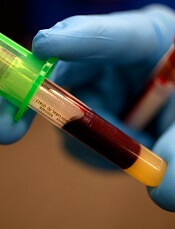
The US Food and Drug Administration (FDA) has approved tbo-filgrastim (Granix) injection for administration by patients and caregivers, allowing physicians to prescribe the drug for in-office or at-home use.
Tbo-filgrastim is a leukocyte growth factor used to reduce the duration of severe neutropenia in patients with non-myeloid malignancies who are receiving myelosuppressive anticancer drugs associated with a clinically significant incidence of febrile neutropenia.
The drug has been commercially available in the US since November 2013, but, at present, it can only be administered by a healthcare professional.
Teva Pharmaceutical Industries, Ltd., the company developing tbo-filgrastim, plans to launch the new syringe for administration by patients and caregivers in early 2015.
Clinical trials
Researchers evaluated tbo-filgrastim in 3 phase 3 trials of patients receiving myelosuppressive chemotherapy for breast cancer, lung cancer, and non-Hodgkin lymphoma (NHL).
In the NHL study, investigators compared tbo-filgrastim to filgrastim for the prevention of chemotherapy-induced neutropenia in 92 patients.
For cycle 1, patients were randomized to daily injections (subcutaneous 5 µg/kg/day) of tbo-filgrastim (n=63) or filgrastim (n=29) for at least 5 days and a maximum of 14 days. In subsequent cycles, all patients received tbo-filgrastim.
In cycle 1, the mean duration of severe neutropenia was 0.5 days in the tbo-filgrastim arm and 0.9 days in the filgrastim arm (P=0.1055). The incidence of febrile neutropenia was 11.1% and 20.7%, respectively (P=0.1232).
In the lung cancer trial, researchers compared tbo-filgrastim to filgrastim in 240 patients receiving platinum-based chemotherapy. In cycle 1, patients were randomized to daily injections (subcutaneous 5 µg/kg/d) of tbo-filgrastim (n=160) or filgrastim (n=80) for at least 5 days and a maximum of 14 days. In subsequent cycles, all patients received tbo-filgrastim.
In cycle 1, the mean duration of severe neutropenia was 0.5 days in the tbo-filgrastim arm and 0.3 days in the filgrastim arm. There was no significant difference in the incidence of febrile neutropenia in cycle 1 between the two arms (P=0.2347).
In the breast cancer trial, investigators compared tbo-filgrastim to filgrastim or placebo in 348 patients receiving chemotherapy. Patients were randomized to daily injections (subcutaneous 5 µg/kg/day) for at least 5 days and a maximum of 14 days in each cycle of tbo-filgrastim (n=140), filgrastim (n=136), or placebo (n=72).
The mean duration of severe neutropenia in cycle 1 was 1.1 days in the tbo-filgrastim arm, 1.1 days in the filgrastim arm, and 3.9 days in the placebo arm.
In all the trials, bone pain was the most frequent treatment-emergent adverse event, occurring in at least 1% of patients treated with tbo-filgrastim at the recommended dose. The overall incidence of bone pain in cycle 1 was 3.4% for tbo-filgrastim, 1.4% for placebo, and 7.5% for filgrastim.
According to the drug’s prescribing information, tbo-filgrastim may pose a risk of splenic rupture, acute respiratory distress syndrome, serious allergic reactions, severe and sometimes fatal sickle cell crises, and capillary leak syndrome. The possibility that the drug acts as a growth factor for tumors cannot be excluded.
The US Food and Drug Administration (FDA) has approved tbo-filgrastim (Granix) injection for administration by patients and caregivers, allowing physicians to prescribe the drug for in-office or at-home use.
Tbo-filgrastim is a leukocyte growth factor used to reduce the duration of severe neutropenia in patients with non-myeloid malignancies who are receiving myelosuppressive anticancer drugs associated with a clinically significant incidence of febrile neutropenia.
The drug has been commercially available in the US since November 2013, but, at present, it can only be administered by a healthcare professional.
Teva Pharmaceutical Industries, Ltd., the company developing tbo-filgrastim, plans to launch the new syringe for administration by patients and caregivers in early 2015.
Clinical trials
Researchers evaluated tbo-filgrastim in 3 phase 3 trials of patients receiving myelosuppressive chemotherapy for breast cancer, lung cancer, and non-Hodgkin lymphoma (NHL).
In the NHL study, investigators compared tbo-filgrastim to filgrastim for the prevention of chemotherapy-induced neutropenia in 92 patients.
For cycle 1, patients were randomized to daily injections (subcutaneous 5 µg/kg/day) of tbo-filgrastim (n=63) or filgrastim (n=29) for at least 5 days and a maximum of 14 days. In subsequent cycles, all patients received tbo-filgrastim.
In cycle 1, the mean duration of severe neutropenia was 0.5 days in the tbo-filgrastim arm and 0.9 days in the filgrastim arm (P=0.1055). The incidence of febrile neutropenia was 11.1% and 20.7%, respectively (P=0.1232).
In the lung cancer trial, researchers compared tbo-filgrastim to filgrastim in 240 patients receiving platinum-based chemotherapy. In cycle 1, patients were randomized to daily injections (subcutaneous 5 µg/kg/d) of tbo-filgrastim (n=160) or filgrastim (n=80) for at least 5 days and a maximum of 14 days. In subsequent cycles, all patients received tbo-filgrastim.
In cycle 1, the mean duration of severe neutropenia was 0.5 days in the tbo-filgrastim arm and 0.3 days in the filgrastim arm. There was no significant difference in the incidence of febrile neutropenia in cycle 1 between the two arms (P=0.2347).
In the breast cancer trial, investigators compared tbo-filgrastim to filgrastim or placebo in 348 patients receiving chemotherapy. Patients were randomized to daily injections (subcutaneous 5 µg/kg/day) for at least 5 days and a maximum of 14 days in each cycle of tbo-filgrastim (n=140), filgrastim (n=136), or placebo (n=72).
The mean duration of severe neutropenia in cycle 1 was 1.1 days in the tbo-filgrastim arm, 1.1 days in the filgrastim arm, and 3.9 days in the placebo arm.
In all the trials, bone pain was the most frequent treatment-emergent adverse event, occurring in at least 1% of patients treated with tbo-filgrastim at the recommended dose. The overall incidence of bone pain in cycle 1 was 3.4% for tbo-filgrastim, 1.4% for placebo, and 7.5% for filgrastim.
According to the drug’s prescribing information, tbo-filgrastim may pose a risk of splenic rupture, acute respiratory distress syndrome, serious allergic reactions, severe and sometimes fatal sickle cell crises, and capillary leak syndrome. The possibility that the drug acts as a growth factor for tumors cannot be excluded.
The US Food and Drug Administration (FDA) has approved tbo-filgrastim (Granix) injection for administration by patients and caregivers, allowing physicians to prescribe the drug for in-office or at-home use.
Tbo-filgrastim is a leukocyte growth factor used to reduce the duration of severe neutropenia in patients with non-myeloid malignancies who are receiving myelosuppressive anticancer drugs associated with a clinically significant incidence of febrile neutropenia.
The drug has been commercially available in the US since November 2013, but, at present, it can only be administered by a healthcare professional.
Teva Pharmaceutical Industries, Ltd., the company developing tbo-filgrastim, plans to launch the new syringe for administration by patients and caregivers in early 2015.
Clinical trials
Researchers evaluated tbo-filgrastim in 3 phase 3 trials of patients receiving myelosuppressive chemotherapy for breast cancer, lung cancer, and non-Hodgkin lymphoma (NHL).
In the NHL study, investigators compared tbo-filgrastim to filgrastim for the prevention of chemotherapy-induced neutropenia in 92 patients.
For cycle 1, patients were randomized to daily injections (subcutaneous 5 µg/kg/day) of tbo-filgrastim (n=63) or filgrastim (n=29) for at least 5 days and a maximum of 14 days. In subsequent cycles, all patients received tbo-filgrastim.
In cycle 1, the mean duration of severe neutropenia was 0.5 days in the tbo-filgrastim arm and 0.9 days in the filgrastim arm (P=0.1055). The incidence of febrile neutropenia was 11.1% and 20.7%, respectively (P=0.1232).
In the lung cancer trial, researchers compared tbo-filgrastim to filgrastim in 240 patients receiving platinum-based chemotherapy. In cycle 1, patients were randomized to daily injections (subcutaneous 5 µg/kg/d) of tbo-filgrastim (n=160) or filgrastim (n=80) for at least 5 days and a maximum of 14 days. In subsequent cycles, all patients received tbo-filgrastim.
In cycle 1, the mean duration of severe neutropenia was 0.5 days in the tbo-filgrastim arm and 0.3 days in the filgrastim arm. There was no significant difference in the incidence of febrile neutropenia in cycle 1 between the two arms (P=0.2347).
In the breast cancer trial, investigators compared tbo-filgrastim to filgrastim or placebo in 348 patients receiving chemotherapy. Patients were randomized to daily injections (subcutaneous 5 µg/kg/day) for at least 5 days and a maximum of 14 days in each cycle of tbo-filgrastim (n=140), filgrastim (n=136), or placebo (n=72).
The mean duration of severe neutropenia in cycle 1 was 1.1 days in the tbo-filgrastim arm, 1.1 days in the filgrastim arm, and 3.9 days in the placebo arm.
In all the trials, bone pain was the most frequent treatment-emergent adverse event, occurring in at least 1% of patients treated with tbo-filgrastim at the recommended dose. The overall incidence of bone pain in cycle 1 was 3.4% for tbo-filgrastim, 1.4% for placebo, and 7.5% for filgrastim.
According to the drug’s prescribing information, tbo-filgrastim may pose a risk of splenic rupture, acute respiratory distress syndrome, serious allergic reactions, severe and sometimes fatal sickle cell crises, and capillary leak syndrome. The possibility that the drug acts as a growth factor for tumors cannot be excluded.
Lens-free microscope a ‘milestone’
Credit: Максим Кукушкин
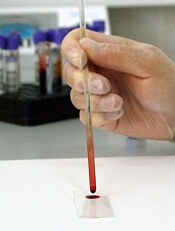
Researchers say they’ve developed a lens-free microscope that can detect the presence of cell-level abnormalities with the same accuracy as larger and more expensive optical microscopes.
The invention could lead to less expensive, more portable technology for performing examinations of tissue, blood, and other biomedical specimens, according to the researchers.
It may prove especially useful in remote areas and when large numbers of samples need to be examined quickly.
Aydogan Ozcan, PhD, of the University of California, Los Angeles, and his colleagues described their work with the microscope in Science Translational Medicine.
“This is a milestone in the work we’ve been doing,” Dr Ozcan said. “This is the first time tissue samples have been imaged in 3D using a lens-free, on-chip microscope.”
The device works by using a laser or light-emitting-diode to illuminate a tissue or blood sample that has been placed on a slide and inserted into the device. A sensor array on a microchip captures and records the pattern of shadows created by the sample.
The device processes these patterns as a series of holograms, forming 3-D images of the specimen and giving medical personnel a virtual depth-of-field view. An algorithm color codes the reconstructed images, making the contrasts in the samples more apparent than they would be in the holograms and making any abnormalities easier to detect.
Dr Ozcan’s team tested the device using blood samples containing sickle cell anemia, Pap smears that indicated cervical cancer, and tissue specimens containing cancerous breast cells.
In a blind test, a board-certified pathologist analyzed sets of specimen images that had been created by the lens-free technology and by conventional microscopes. The pathologist’s diagnoses using the lens-free microscopic images proved accurate 99% of the time.
Another benefit of the lens-free device, according to the researchers, is that it produces images that are several hundred times larger in area, or field of view, than those captured by conventional bright-field optical microscopes. This makes it possible to process specimens more quickly.
“While mobile healthcare has expanded rapidly with the growth of consumer electronics—cellphones in particular—pathology is still, by and large, constrained to advanced clinical laboratory settings,” Dr Ozcan said. “Accompanied by advances in its graphical user interface, this platform could scale up for use in clinical, biomedical, scientific, educational, and citizen-science applications, among others.” 
Credit: Максим Кукушкин
Researchers say they’ve developed a lens-free microscope that can detect the presence of cell-level abnormalities with the same accuracy as larger and more expensive optical microscopes.
The invention could lead to less expensive, more portable technology for performing examinations of tissue, blood, and other biomedical specimens, according to the researchers.
It may prove especially useful in remote areas and when large numbers of samples need to be examined quickly.
Aydogan Ozcan, PhD, of the University of California, Los Angeles, and his colleagues described their work with the microscope in Science Translational Medicine.
“This is a milestone in the work we’ve been doing,” Dr Ozcan said. “This is the first time tissue samples have been imaged in 3D using a lens-free, on-chip microscope.”
The device works by using a laser or light-emitting-diode to illuminate a tissue or blood sample that has been placed on a slide and inserted into the device. A sensor array on a microchip captures and records the pattern of shadows created by the sample.
The device processes these patterns as a series of holograms, forming 3-D images of the specimen and giving medical personnel a virtual depth-of-field view. An algorithm color codes the reconstructed images, making the contrasts in the samples more apparent than they would be in the holograms and making any abnormalities easier to detect.
Dr Ozcan’s team tested the device using blood samples containing sickle cell anemia, Pap smears that indicated cervical cancer, and tissue specimens containing cancerous breast cells.
In a blind test, a board-certified pathologist analyzed sets of specimen images that had been created by the lens-free technology and by conventional microscopes. The pathologist’s diagnoses using the lens-free microscopic images proved accurate 99% of the time.
Another benefit of the lens-free device, according to the researchers, is that it produces images that are several hundred times larger in area, or field of view, than those captured by conventional bright-field optical microscopes. This makes it possible to process specimens more quickly.
“While mobile healthcare has expanded rapidly with the growth of consumer electronics—cellphones in particular—pathology is still, by and large, constrained to advanced clinical laboratory settings,” Dr Ozcan said. “Accompanied by advances in its graphical user interface, this platform could scale up for use in clinical, biomedical, scientific, educational, and citizen-science applications, among others.”
Credit: Максим Кукушкин
Researchers say they’ve developed a lens-free microscope that can detect the presence of cell-level abnormalities with the same accuracy as larger and more expensive optical microscopes.
The invention could lead to less expensive, more portable technology for performing examinations of tissue, blood, and other biomedical specimens, according to the researchers.
It may prove especially useful in remote areas and when large numbers of samples need to be examined quickly.
Aydogan Ozcan, PhD, of the University of California, Los Angeles, and his colleagues described their work with the microscope in Science Translational Medicine.
“This is a milestone in the work we’ve been doing,” Dr Ozcan said. “This is the first time tissue samples have been imaged in 3D using a lens-free, on-chip microscope.”
The device works by using a laser or light-emitting-diode to illuminate a tissue or blood sample that has been placed on a slide and inserted into the device. A sensor array on a microchip captures and records the pattern of shadows created by the sample.
The device processes these patterns as a series of holograms, forming 3-D images of the specimen and giving medical personnel a virtual depth-of-field view. An algorithm color codes the reconstructed images, making the contrasts in the samples more apparent than they would be in the holograms and making any abnormalities easier to detect.
Dr Ozcan’s team tested the device using blood samples containing sickle cell anemia, Pap smears that indicated cervical cancer, and tissue specimens containing cancerous breast cells.
In a blind test, a board-certified pathologist analyzed sets of specimen images that had been created by the lens-free technology and by conventional microscopes. The pathologist’s diagnoses using the lens-free microscopic images proved accurate 99% of the time.
Another benefit of the lens-free device, according to the researchers, is that it produces images that are several hundred times larger in area, or field of view, than those captured by conventional bright-field optical microscopes. This makes it possible to process specimens more quickly.
“While mobile healthcare has expanded rapidly with the growth of consumer electronics—cellphones in particular—pathology is still, by and large, constrained to advanced clinical laboratory settings,” Dr Ozcan said. “Accompanied by advances in its graphical user interface, this platform could scale up for use in clinical, biomedical, scientific, educational, and citizen-science applications, among others.”
Study shows higher risk of MDS, leukemia after breast cancer

chemotherapy
Credit: Rhoda Baer
The risk of developing myelodysplastic syndromes (MDS) or leukemias after treatment for early stage breast cancer is higher than previously reported, according to a study published in the Journal of Clinical Oncology.
Data from earlier studies showed that about 0.25% of breast cancer patients develop MDS or leukemia as a late effect of chemotherapy, said Judith Karp, MD, of the Johns Hopkins University School of Medicine in Baltimore, Maryland.
But Dr Karp and her colleagues found the 10-year incidence of MDS and leukemia among breast cancer patients to be about 0.5%.
“[T]he cumulative risk over a decade is now shown to be twice as high as we thought it was, and that risk doesn’t seem to slow down 5 years after treatment,” Dr Karp said. “Most medical oncologists have come to think that the risk is early and short-lived. So this was a little bit of a wake-up call that we are not seeing any plateau of that risk, and it is higher.”
Dr Karp and her colleagues reviewed data on 20,063 breast cancer patients treated at 8 US cancer centers between 1998 and 2007 whose cancer recurrence and secondary cancer rates were recorded in a database kept by the National Comprehensive Cancer Network.
At a median follow-up of 5.1 years, 50 patients had developed a marrow neoplasm, including acute myeloid leukemia (n=24), MDS/acute myeloid leukemia (n=15), chronic lymphocytic leukemia/small lymphocytic lymphoma (n=5), chronic myeloid leukemia (n=3), or acute lymphoblastic leukemia (n=3).
The risk of developing MDS/leukemia was about 7 times higher for patients who underwent surgery and received chemotherapy, compared to patients who did not receive chemotherapy. For patients who underwent surgery and received both chemotherapy and radiation, the risk was about 8 times higher.
The MDS/leukemia rates per 1000 person-years were 0.16 for surgery, 0.43 for surgery plus radiation, 0.46 for surgery plus chemotherapy, and 0.54 for all 3 modalities.
The cumulative incidence of MDS/leukemia doubled between years 5 and 10, rising from 0.24% to 0.48%. And only 9% of patients were alive at 10 years.
Antonio Wolff, MD, of the Johns Hopkins University School of Medicine, said this study could help early stage breast cancer patients and their physicians think more carefully about the use of preventive or adjuvant chemotherapy, especially when patients have a low risk of cancer recurrence.
“Our study provides useful information for physicians and patients to consider a potential downside of preventive or adjuvant chemotherapy in patients with very low risk of breast cancer recurrence,” he said.
“It could be a false and dangerous security blanket to some patients by exposing them to a small risk of serious late effects with little or no real benefit from the treatment.”
The researchers included a hypothetical case to put the risks of early stage breast cancer and its treatment in perspective. They described a 60-year-old woman in average health who was diagnosed with stage 1 breast cancer that was rapidly growing and estrogen receptor-positive.
The patient had an estimated 12.3% risk of dying of breast cancer after 10 years. She could improve her 10-year survival rate by 1.8% with 4 cycles of chemotherapy, but she would also increase her risk of MDS/leukemia over that same time by 0.5%.
Dr Wolff noted that it’s unclear whether the increased risk of MDS/leukemia after postsurgical chemotherapy applies to patients with other kinds of solid tumors, as the drug regimens used in breast cancer differ from those used for other cancers.
chemotherapy
Credit: Rhoda Baer
The risk of developing myelodysplastic syndromes (MDS) or leukemias after treatment for early stage breast cancer is higher than previously reported, according to a study published in the Journal of Clinical Oncology.
Data from earlier studies showed that about 0.25% of breast cancer patients develop MDS or leukemia as a late effect of chemotherapy, said Judith Karp, MD, of the Johns Hopkins University School of Medicine in Baltimore, Maryland.
But Dr Karp and her colleagues found the 10-year incidence of MDS and leukemia among breast cancer patients to be about 0.5%.
“[T]he cumulative risk over a decade is now shown to be twice as high as we thought it was, and that risk doesn’t seem to slow down 5 years after treatment,” Dr Karp said. “Most medical oncologists have come to think that the risk is early and short-lived. So this was a little bit of a wake-up call that we are not seeing any plateau of that risk, and it is higher.”
Dr Karp and her colleagues reviewed data on 20,063 breast cancer patients treated at 8 US cancer centers between 1998 and 2007 whose cancer recurrence and secondary cancer rates were recorded in a database kept by the National Comprehensive Cancer Network.
At a median follow-up of 5.1 years, 50 patients had developed a marrow neoplasm, including acute myeloid leukemia (n=24), MDS/acute myeloid leukemia (n=15), chronic lymphocytic leukemia/small lymphocytic lymphoma (n=5), chronic myeloid leukemia (n=3), or acute lymphoblastic leukemia (n=3).
The risk of developing MDS/leukemia was about 7 times higher for patients who underwent surgery and received chemotherapy, compared to patients who did not receive chemotherapy. For patients who underwent surgery and received both chemotherapy and radiation, the risk was about 8 times higher.
The MDS/leukemia rates per 1000 person-years were 0.16 for surgery, 0.43 for surgery plus radiation, 0.46 for surgery plus chemotherapy, and 0.54 for all 3 modalities.
The cumulative incidence of MDS/leukemia doubled between years 5 and 10, rising from 0.24% to 0.48%. And only 9% of patients were alive at 10 years.
Antonio Wolff, MD, of the Johns Hopkins University School of Medicine, said this study could help early stage breast cancer patients and their physicians think more carefully about the use of preventive or adjuvant chemotherapy, especially when patients have a low risk of cancer recurrence.
“Our study provides useful information for physicians and patients to consider a potential downside of preventive or adjuvant chemotherapy in patients with very low risk of breast cancer recurrence,” he said.
“It could be a false and dangerous security blanket to some patients by exposing them to a small risk of serious late effects with little or no real benefit from the treatment.”
The researchers included a hypothetical case to put the risks of early stage breast cancer and its treatment in perspective. They described a 60-year-old woman in average health who was diagnosed with stage 1 breast cancer that was rapidly growing and estrogen receptor-positive.
The patient had an estimated 12.3% risk of dying of breast cancer after 10 years. She could improve her 10-year survival rate by 1.8% with 4 cycles of chemotherapy, but she would also increase her risk of MDS/leukemia over that same time by 0.5%.
Dr Wolff noted that it’s unclear whether the increased risk of MDS/leukemia after postsurgical chemotherapy applies to patients with other kinds of solid tumors, as the drug regimens used in breast cancer differ from those used for other cancers.
chemotherapy
Credit: Rhoda Baer
The risk of developing myelodysplastic syndromes (MDS) or leukemias after treatment for early stage breast cancer is higher than previously reported, according to a study published in the Journal of Clinical Oncology.
Data from earlier studies showed that about 0.25% of breast cancer patients develop MDS or leukemia as a late effect of chemotherapy, said Judith Karp, MD, of the Johns Hopkins University School of Medicine in Baltimore, Maryland.
But Dr Karp and her colleagues found the 10-year incidence of MDS and leukemia among breast cancer patients to be about 0.5%.
“[T]he cumulative risk over a decade is now shown to be twice as high as we thought it was, and that risk doesn’t seem to slow down 5 years after treatment,” Dr Karp said. “Most medical oncologists have come to think that the risk is early and short-lived. So this was a little bit of a wake-up call that we are not seeing any plateau of that risk, and it is higher.”
Dr Karp and her colleagues reviewed data on 20,063 breast cancer patients treated at 8 US cancer centers between 1998 and 2007 whose cancer recurrence and secondary cancer rates were recorded in a database kept by the National Comprehensive Cancer Network.
At a median follow-up of 5.1 years, 50 patients had developed a marrow neoplasm, including acute myeloid leukemia (n=24), MDS/acute myeloid leukemia (n=15), chronic lymphocytic leukemia/small lymphocytic lymphoma (n=5), chronic myeloid leukemia (n=3), or acute lymphoblastic leukemia (n=3).
The risk of developing MDS/leukemia was about 7 times higher for patients who underwent surgery and received chemotherapy, compared to patients who did not receive chemotherapy. For patients who underwent surgery and received both chemotherapy and radiation, the risk was about 8 times higher.
The MDS/leukemia rates per 1000 person-years were 0.16 for surgery, 0.43 for surgery plus radiation, 0.46 for surgery plus chemotherapy, and 0.54 for all 3 modalities.
The cumulative incidence of MDS/leukemia doubled between years 5 and 10, rising from 0.24% to 0.48%. And only 9% of patients were alive at 10 years.
Antonio Wolff, MD, of the Johns Hopkins University School of Medicine, said this study could help early stage breast cancer patients and their physicians think more carefully about the use of preventive or adjuvant chemotherapy, especially when patients have a low risk of cancer recurrence.
“Our study provides useful information for physicians and patients to consider a potential downside of preventive or adjuvant chemotherapy in patients with very low risk of breast cancer recurrence,” he said.
“It could be a false and dangerous security blanket to some patients by exposing them to a small risk of serious late effects with little or no real benefit from the treatment.”
The researchers included a hypothetical case to put the risks of early stage breast cancer and its treatment in perspective. They described a 60-year-old woman in average health who was diagnosed with stage 1 breast cancer that was rapidly growing and estrogen receptor-positive.
The patient had an estimated 12.3% risk of dying of breast cancer after 10 years. She could improve her 10-year survival rate by 1.8% with 4 cycles of chemotherapy, but she would also increase her risk of MDS/leukemia over that same time by 0.5%.
Dr Wolff noted that it’s unclear whether the increased risk of MDS/leukemia after postsurgical chemotherapy applies to patients with other kinds of solid tumors, as the drug regimens used in breast cancer differ from those used for other cancers.
How malaria parasites evade the immune system
Credit: St Jude
Children’s Research Hospital
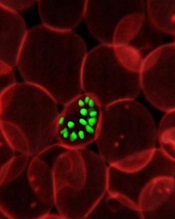
A new study has shown that malaria parasites can rapidly change proteins on the surface of human red blood cells (RBCs) during the course of a single infection, which helps the parasites evade the immune system.
The findings, which overturn previous thinking about the Plasmodium falciparum parasite’s lifecycle, could explain why so many attempts to create an effective malaria vaccine have failed and how the parasites are able to survive in the human body for such long periods of time.
Investigators described this research in PLOS Genetics.
The team kept P falciparum parasites dividing in human blood in the lab for over a year and sequenced the full parasite genome regularly. This provided snapshots of the parasite’s genome at multiple time points, allowing them to track evolution as it unfolded in the lab.
They found that the 60 or so genes that control proteins on the surface of infected human RBCs, known as var genes, swapped genetic information regularly, creating around a million new and unrecognizable surface proteins in every infected human every 2 days.
“These genes are like decks of cards constantly being shuffled,” explained study author William Hamilton, a graduate student at the Wellcome Trust Sanger Institute in Cambridge, UK.
“The use of whole-genome sequencing and the sheer number of samples we collected gave us a detailed picture of how the var gene repertoire changes continuously within red blood cells.”
The results showed, for the first time, that recombination does not occur when the malaria parasite is inside the mosquito, as previously thought. Instead, it occurs during the asexual stage of the parasite’s lifecycle inside human RBCs. This finding may help explain how chronic asymptomatic infection, a crucial problem for malaria elimination, is possible.
“It’s very likely that mosquitos are re-infected with Plasmodium falciparum parasites at the beginning of each wet season by biting humans who have carried the parasites, often asymptomatically, for up to 8 months during the dry season,” said study author Antoine Claessens, PhD, of the Wellcome Trust Sanger Institute.
“During those months, the parasite’s var genes are busy recombining to create millions of different versions—cunning disguises that mean they remain safe from the immune system and ready for the new malarial season.”
While further work will be required to fully understand the mechanism driving the recombination of P falciparum’s var genes, the investigators were able to calculate the rate at which it happens. They found that var gene recombination takes place in about 0.2% of parasites after each 48-hour life cycle in the RBC.
With about a billion parasites living inside a typical infected human, there is huge potential for the parasite to create new, recombined var genes inside each person with malaria. This pace of change far exceeds that of genes in any other region of the parasite’s genome.
“When you consider that 200 million people across the world are infected with malaria, and each of them is harboring parasites that are continually generating millions of antigenic variants, it becomes apparent why our fight against malaria is so challenging,” said study author Dominic Kwiatkowski, MBBS, of the Wellcome Trust Sanger Institute.
“This study is a great example of how genome sequence analysis is enriching our understanding of malaria biology. By learning the genetic tricks that the parasite uses to evade the human immune system, we will be in a much better position to eliminate this deadly disease.”
Credit: St Jude
Children’s Research Hospital
A new study has shown that malaria parasites can rapidly change proteins on the surface of human red blood cells (RBCs) during the course of a single infection, which helps the parasites evade the immune system.
The findings, which overturn previous thinking about the Plasmodium falciparum parasite’s lifecycle, could explain why so many attempts to create an effective malaria vaccine have failed and how the parasites are able to survive in the human body for such long periods of time.
Investigators described this research in PLOS Genetics.
The team kept P falciparum parasites dividing in human blood in the lab for over a year and sequenced the full parasite genome regularly. This provided snapshots of the parasite’s genome at multiple time points, allowing them to track evolution as it unfolded in the lab.
They found that the 60 or so genes that control proteins on the surface of infected human RBCs, known as var genes, swapped genetic information regularly, creating around a million new and unrecognizable surface proteins in every infected human every 2 days.
“These genes are like decks of cards constantly being shuffled,” explained study author William Hamilton, a graduate student at the Wellcome Trust Sanger Institute in Cambridge, UK.
“The use of whole-genome sequencing and the sheer number of samples we collected gave us a detailed picture of how the var gene repertoire changes continuously within red blood cells.”
The results showed, for the first time, that recombination does not occur when the malaria parasite is inside the mosquito, as previously thought. Instead, it occurs during the asexual stage of the parasite’s lifecycle inside human RBCs. This finding may help explain how chronic asymptomatic infection, a crucial problem for malaria elimination, is possible.
“It’s very likely that mosquitos are re-infected with Plasmodium falciparum parasites at the beginning of each wet season by biting humans who have carried the parasites, often asymptomatically, for up to 8 months during the dry season,” said study author Antoine Claessens, PhD, of the Wellcome Trust Sanger Institute.
“During those months, the parasite’s var genes are busy recombining to create millions of different versions—cunning disguises that mean they remain safe from the immune system and ready for the new malarial season.”
While further work will be required to fully understand the mechanism driving the recombination of P falciparum’s var genes, the investigators were able to calculate the rate at which it happens. They found that var gene recombination takes place in about 0.2% of parasites after each 48-hour life cycle in the RBC.
With about a billion parasites living inside a typical infected human, there is huge potential for the parasite to create new, recombined var genes inside each person with malaria. This pace of change far exceeds that of genes in any other region of the parasite’s genome.
“When you consider that 200 million people across the world are infected with malaria, and each of them is harboring parasites that are continually generating millions of antigenic variants, it becomes apparent why our fight against malaria is so challenging,” said study author Dominic Kwiatkowski, MBBS, of the Wellcome Trust Sanger Institute.
“This study is a great example of how genome sequence analysis is enriching our understanding of malaria biology. By learning the genetic tricks that the parasite uses to evade the human immune system, we will be in a much better position to eliminate this deadly disease.”
Credit: St Jude
Children’s Research Hospital
A new study has shown that malaria parasites can rapidly change proteins on the surface of human red blood cells (RBCs) during the course of a single infection, which helps the parasites evade the immune system.
The findings, which overturn previous thinking about the Plasmodium falciparum parasite’s lifecycle, could explain why so many attempts to create an effective malaria vaccine have failed and how the parasites are able to survive in the human body for such long periods of time.
Investigators described this research in PLOS Genetics.
The team kept P falciparum parasites dividing in human blood in the lab for over a year and sequenced the full parasite genome regularly. This provided snapshots of the parasite’s genome at multiple time points, allowing them to track evolution as it unfolded in the lab.
They found that the 60 or so genes that control proteins on the surface of infected human RBCs, known as var genes, swapped genetic information regularly, creating around a million new and unrecognizable surface proteins in every infected human every 2 days.
“These genes are like decks of cards constantly being shuffled,” explained study author William Hamilton, a graduate student at the Wellcome Trust Sanger Institute in Cambridge, UK.
“The use of whole-genome sequencing and the sheer number of samples we collected gave us a detailed picture of how the var gene repertoire changes continuously within red blood cells.”
The results showed, for the first time, that recombination does not occur when the malaria parasite is inside the mosquito, as previously thought. Instead, it occurs during the asexual stage of the parasite’s lifecycle inside human RBCs. This finding may help explain how chronic asymptomatic infection, a crucial problem for malaria elimination, is possible.
“It’s very likely that mosquitos are re-infected with Plasmodium falciparum parasites at the beginning of each wet season by biting humans who have carried the parasites, often asymptomatically, for up to 8 months during the dry season,” said study author Antoine Claessens, PhD, of the Wellcome Trust Sanger Institute.
“During those months, the parasite’s var genes are busy recombining to create millions of different versions—cunning disguises that mean they remain safe from the immune system and ready for the new malarial season.”
While further work will be required to fully understand the mechanism driving the recombination of P falciparum’s var genes, the investigators were able to calculate the rate at which it happens. They found that var gene recombination takes place in about 0.2% of parasites after each 48-hour life cycle in the RBC.
With about a billion parasites living inside a typical infected human, there is huge potential for the parasite to create new, recombined var genes inside each person with malaria. This pace of change far exceeds that of genes in any other region of the parasite’s genome.
“When you consider that 200 million people across the world are infected with malaria, and each of them is harboring parasites that are continually generating millions of antigenic variants, it becomes apparent why our fight against malaria is so challenging,” said study author Dominic Kwiatkowski, MBBS, of the Wellcome Trust Sanger Institute.
“This study is a great example of how genome sequence analysis is enriching our understanding of malaria biology. By learning the genetic tricks that the parasite uses to evade the human immune system, we will be in a much better position to eliminate this deadly disease.”
FDA recommends changing blood donor policy for MSM

Photo by Elisa Amendola
The US Food and Drug Administration (FDA) is recommending a change to the policy that prevents men who have sex with men (MSM) from donating blood, according to FDA Commissioner Margaret A. Hamburg.
The FDA would like to allow MSM to donate blood if they have abstained from sexual contact for 1 year.
The agency intends to issue a draft guidance recommending this policy change in 2015. The guidance will be open for public comment.
In a prepared statement, Hamburg said that, over the past few years, the FDA and other government agencies have carefully considered the scientific evidence relevant to the blood donor deferral policy for MSM.
This review, as well as the recommendations of advisory committees to the US Department of Health and Human Services (HHS) and the FDA, has prompted the FDA to recommend the change.
“This recommended change is consistent with the recommendation of an independent expert advisory panel, the HHS Advisory Committee on Blood and Tissue Safety and Availability, and will better align the deferral period with that of other men and women at increased risk for HIV infection,” Hamburg said.
“Additionally, in collaboration with the NIH’s National Heart Lung and Blood Institute (NHLBI), the FDA has already taken steps to implement a national blood surveillance system that will help the agency monitor the effect of a policy change and further help to ensure the continued safety of the blood supply.”
Photo by Elisa Amendola
The US Food and Drug Administration (FDA) is recommending a change to the policy that prevents men who have sex with men (MSM) from donating blood, according to FDA Commissioner Margaret A. Hamburg.
The FDA would like to allow MSM to donate blood if they have abstained from sexual contact for 1 year.
The agency intends to issue a draft guidance recommending this policy change in 2015. The guidance will be open for public comment.
In a prepared statement, Hamburg said that, over the past few years, the FDA and other government agencies have carefully considered the scientific evidence relevant to the blood donor deferral policy for MSM.
This review, as well as the recommendations of advisory committees to the US Department of Health and Human Services (HHS) and the FDA, has prompted the FDA to recommend the change.
“This recommended change is consistent with the recommendation of an independent expert advisory panel, the HHS Advisory Committee on Blood and Tissue Safety and Availability, and will better align the deferral period with that of other men and women at increased risk for HIV infection,” Hamburg said.
“Additionally, in collaboration with the NIH’s National Heart Lung and Blood Institute (NHLBI), the FDA has already taken steps to implement a national blood surveillance system that will help the agency monitor the effect of a policy change and further help to ensure the continued safety of the blood supply.”
Photo by Elisa Amendola
The US Food and Drug Administration (FDA) is recommending a change to the policy that prevents men who have sex with men (MSM) from donating blood, according to FDA Commissioner Margaret A. Hamburg.
The FDA would like to allow MSM to donate blood if they have abstained from sexual contact for 1 year.
The agency intends to issue a draft guidance recommending this policy change in 2015. The guidance will be open for public comment.
In a prepared statement, Hamburg said that, over the past few years, the FDA and other government agencies have carefully considered the scientific evidence relevant to the blood donor deferral policy for MSM.
This review, as well as the recommendations of advisory committees to the US Department of Health and Human Services (HHS) and the FDA, has prompted the FDA to recommend the change.
“This recommended change is consistent with the recommendation of an independent expert advisory panel, the HHS Advisory Committee on Blood and Tissue Safety and Availability, and will better align the deferral period with that of other men and women at increased risk for HIV infection,” Hamburg said.
“Additionally, in collaboration with the NIH’s National Heart Lung and Blood Institute (NHLBI), the FDA has already taken steps to implement a national blood surveillance system that will help the agency monitor the effect of a policy change and further help to ensure the continued safety of the blood supply.”
Classic HL vulnerable to PD-1 blockade therapy

SAN FRANCISCO—Two monoclonal antibodies that block the programmed death-1 (PD-1) pathway are showing promise in early phase trials in relapsed/refractory classic Hodgkin lymphoma (cHL).
Nivolumab prompted an 87% overall response rate (ORR) in heavily pretreated patients, and pembrolizumab elicited a 66% ORR in patients who had failed prior treatment with brentuximab vedotin.
These results were presented in 2 abstracts at the 2014 ASH Annual Meeting.
The rationale for using PD-1 blockade in cHL is that these patients frequently have an alteration in chromosome 9p24.1, which leads to increased expression of the PD-1 ligands, PD-L1 and PD-L2. The ligands engage the PD-1 receptors on activated T cells, inducing T-cell exhaustion. More than 85% of cHL tumors overexpress PD-L1.
Craig H. Moskowitz, MD, who presented the data on pembrolizumab at the meeting, sees nivolumab and pembrolizumab as being very similar.
“My gut feeling is that, at the end of the day, the response rates will be very similar,” he said. “The complete response rates will be similar. I think the toxicity profiles may be slightly dissimilar, and we’ll have to see what happens when these studies are both peer-reviewed.”
Nivolumab
Philippe Armand, MD, of Dana-Farber Cancer Institute in Boston, presented data on nivolumab in cHL (abstract 289), which was an independent expansion cohort of a phase 1b study in hematologic malignancies.
The 23 cHL patients received nivolumab at 3 mg/kg on weeks 1 and 4, then every 2 weeks.
Patients were a median age of 35 years (range, 20 to 54), and about two-thirds had received 4 or more prior systemic therapies. Seventy-eight percent had prior autologous stem cell transplant, and 78% had prior treatment with brentuximab.
“These were extensively pretreated patients” Dr Armand said, “with few options available.”
Twenty patients responded, for an ORR of 87%. Four patients (17%) achieved a complete response (CR), 16 (70%) had a partial response, and 3 (13%) had stable disease.
There were no progressions. And, at 24 weeks, the progression-free survival was 86%.
There were no life-threatening adverse events (AEs), no drug-related deaths, and no drug-related grade 4 AEs. Twenty-two patients (96%) experienced an AE, 18 (78%) had a drug-related AE, 5 (22%) had a grade 3 drug-related AE, and 2 (9%) patients discontinued treatment due to a drug-related AE.
The 2 events leading to discontinuation were myelodysplastic syndromes with grade 3 thrombocytopenia and grade 3 pancreatitis. The other grade 3 drug-related AEs were lymphopenia, increased lipase, GI inflammation, pneumonitis, colitis, and stomatitis.
“Overall, nivolumab has been used in thousands of patients already on clinical trials in solid tumors,” Dr Armand said. “And, overall, this safety profile mirrors that from what we expected in solid tumors.”
“But the interesting thing about that, from our standpoint, is that there was no apparent increase in the incidence of lung toxicity, which is something we worry about for those patients because many of them had had radiation or other drugs that can cause lung injury.”
This study was recently published in NEJM. It was funded by Bristol-Myers Squibb, the company developing nivolumab, and others.
Based on results of this study, the US Food and Drug Administration (FDA) granted nivolumab breakthrough therapy designation to treat HL. The drug recently gained FDA approval to treat advanced melanoma.
Pembrolizumab
Dr Moskowitz, of Memorial Sloan Kettering Cancer Center in New York, presented data on pembrolizumab as abstract 290.*
Investigators enrolled 31 patients onto the cHL cohort of the Keynote 013 trial. Patients were a median age of 32 years (range, 20 to 67).
All patients had failed therapy with brentuximab vedotin, 69% failed prior stem cell transplant, and 28% were transplant ineligible. Patients had to have an ECOG performance status of 0 or 1 and could not have autoimmune disease or interstitial lung disease.
Patients received 10 mg/kg of pembrolizumab intravenously every 2 weeks for up to 24 months or until progression.
Twenty-nine patients were evaluable for efficacy. The ORR was 66%, with a CR rate of 21% and a partial response rate of 45%. Twenty-one percent of patients had stable disease, and 14% had progressive disease. So the clinical benefit rate was 86%.
The median time to response was 12 weeks, and the median duration of response ranged from 1 to 185 days, but the median had not yet been reached.
Nine patients (31%) discontinued therapy, 1 (3%) due to an AE, 7 (24%) due to disease progression, and 1 (3%) after achieving a CR. Twenty patients (69%) were still on therapy at the time of the presentation, and 1 patient went on to transplant.
Sixteen patients (55%) experienced 1 or more treatment-related AE of any grade. Those occurring in 2 or more patients included hypothyroidism (10%), pneumonitis (10%), constipation (7%), diarrhea (7%), nausea (7%), hypercholesterolemia (7%), hypertriglyceridemia (7%), and hematuria (7%).
Treatment-related AEs of grade 3 or higher included axillary pain (3%), hypoxia (3%), joint swelling (3%), and pneumonitis (3%). Three patients experienced 4 grade 3 or higher AEs. There were no grade 4 treatment-related AEs or treatment-related deaths.
“In my opinion,” Dr Moskowitz concluded, “these results support continued development of pembrolizumab in Hodgkin lymphoma.”
“I think that these drugs are here to stay. Where we are going to put them in the armamentarium in Hodgkin lymphoma remains to be seen.”
This study was funded by Merck Sharp & Dohme Corp., the company developing pembrolizumab.
*Information in the abstract differs from that presented at the meeting.
SAN FRANCISCO—Two monoclonal antibodies that block the programmed death-1 (PD-1) pathway are showing promise in early phase trials in relapsed/refractory classic Hodgkin lymphoma (cHL).
Nivolumab prompted an 87% overall response rate (ORR) in heavily pretreated patients, and pembrolizumab elicited a 66% ORR in patients who had failed prior treatment with brentuximab vedotin.
These results were presented in 2 abstracts at the 2014 ASH Annual Meeting.
The rationale for using PD-1 blockade in cHL is that these patients frequently have an alteration in chromosome 9p24.1, which leads to increased expression of the PD-1 ligands, PD-L1 and PD-L2. The ligands engage the PD-1 receptors on activated T cells, inducing T-cell exhaustion. More than 85% of cHL tumors overexpress PD-L1.
Craig H. Moskowitz, MD, who presented the data on pembrolizumab at the meeting, sees nivolumab and pembrolizumab as being very similar.
“My gut feeling is that, at the end of the day, the response rates will be very similar,” he said. “The complete response rates will be similar. I think the toxicity profiles may be slightly dissimilar, and we’ll have to see what happens when these studies are both peer-reviewed.”
Nivolumab
Philippe Armand, MD, of Dana-Farber Cancer Institute in Boston, presented data on nivolumab in cHL (abstract 289), which was an independent expansion cohort of a phase 1b study in hematologic malignancies.
The 23 cHL patients received nivolumab at 3 mg/kg on weeks 1 and 4, then every 2 weeks.
Patients were a median age of 35 years (range, 20 to 54), and about two-thirds had received 4 or more prior systemic therapies. Seventy-eight percent had prior autologous stem cell transplant, and 78% had prior treatment with brentuximab.
“These were extensively pretreated patients” Dr Armand said, “with few options available.”
Twenty patients responded, for an ORR of 87%. Four patients (17%) achieved a complete response (CR), 16 (70%) had a partial response, and 3 (13%) had stable disease.
There were no progressions. And, at 24 weeks, the progression-free survival was 86%.
There were no life-threatening adverse events (AEs), no drug-related deaths, and no drug-related grade 4 AEs. Twenty-two patients (96%) experienced an AE, 18 (78%) had a drug-related AE, 5 (22%) had a grade 3 drug-related AE, and 2 (9%) patients discontinued treatment due to a drug-related AE.
The 2 events leading to discontinuation were myelodysplastic syndromes with grade 3 thrombocytopenia and grade 3 pancreatitis. The other grade 3 drug-related AEs were lymphopenia, increased lipase, GI inflammation, pneumonitis, colitis, and stomatitis.
“Overall, nivolumab has been used in thousands of patients already on clinical trials in solid tumors,” Dr Armand said. “And, overall, this safety profile mirrors that from what we expected in solid tumors.”
“But the interesting thing about that, from our standpoint, is that there was no apparent increase in the incidence of lung toxicity, which is something we worry about for those patients because many of them had had radiation or other drugs that can cause lung injury.”
This study was recently published in NEJM. It was funded by Bristol-Myers Squibb, the company developing nivolumab, and others.
Based on results of this study, the US Food and Drug Administration (FDA) granted nivolumab breakthrough therapy designation to treat HL. The drug recently gained FDA approval to treat advanced melanoma.
Pembrolizumab
Dr Moskowitz, of Memorial Sloan Kettering Cancer Center in New York, presented data on pembrolizumab as abstract 290.*
Investigators enrolled 31 patients onto the cHL cohort of the Keynote 013 trial. Patients were a median age of 32 years (range, 20 to 67).
All patients had failed therapy with brentuximab vedotin, 69% failed prior stem cell transplant, and 28% were transplant ineligible. Patients had to have an ECOG performance status of 0 or 1 and could not have autoimmune disease or interstitial lung disease.
Patients received 10 mg/kg of pembrolizumab intravenously every 2 weeks for up to 24 months or until progression.
Twenty-nine patients were evaluable for efficacy. The ORR was 66%, with a CR rate of 21% and a partial response rate of 45%. Twenty-one percent of patients had stable disease, and 14% had progressive disease. So the clinical benefit rate was 86%.
The median time to response was 12 weeks, and the median duration of response ranged from 1 to 185 days, but the median had not yet been reached.
Nine patients (31%) discontinued therapy, 1 (3%) due to an AE, 7 (24%) due to disease progression, and 1 (3%) after achieving a CR. Twenty patients (69%) were still on therapy at the time of the presentation, and 1 patient went on to transplant.
Sixteen patients (55%) experienced 1 or more treatment-related AE of any grade. Those occurring in 2 or more patients included hypothyroidism (10%), pneumonitis (10%), constipation (7%), diarrhea (7%), nausea (7%), hypercholesterolemia (7%), hypertriglyceridemia (7%), and hematuria (7%).
Treatment-related AEs of grade 3 or higher included axillary pain (3%), hypoxia (3%), joint swelling (3%), and pneumonitis (3%). Three patients experienced 4 grade 3 or higher AEs. There were no grade 4 treatment-related AEs or treatment-related deaths.
“In my opinion,” Dr Moskowitz concluded, “these results support continued development of pembrolizumab in Hodgkin lymphoma.”
“I think that these drugs are here to stay. Where we are going to put them in the armamentarium in Hodgkin lymphoma remains to be seen.”
This study was funded by Merck Sharp & Dohme Corp., the company developing pembrolizumab.
*Information in the abstract differs from that presented at the meeting.
SAN FRANCISCO—Two monoclonal antibodies that block the programmed death-1 (PD-1) pathway are showing promise in early phase trials in relapsed/refractory classic Hodgkin lymphoma (cHL).
Nivolumab prompted an 87% overall response rate (ORR) in heavily pretreated patients, and pembrolizumab elicited a 66% ORR in patients who had failed prior treatment with brentuximab vedotin.
These results were presented in 2 abstracts at the 2014 ASH Annual Meeting.
The rationale for using PD-1 blockade in cHL is that these patients frequently have an alteration in chromosome 9p24.1, which leads to increased expression of the PD-1 ligands, PD-L1 and PD-L2. The ligands engage the PD-1 receptors on activated T cells, inducing T-cell exhaustion. More than 85% of cHL tumors overexpress PD-L1.
Craig H. Moskowitz, MD, who presented the data on pembrolizumab at the meeting, sees nivolumab and pembrolizumab as being very similar.
“My gut feeling is that, at the end of the day, the response rates will be very similar,” he said. “The complete response rates will be similar. I think the toxicity profiles may be slightly dissimilar, and we’ll have to see what happens when these studies are both peer-reviewed.”
Nivolumab
Philippe Armand, MD, of Dana-Farber Cancer Institute in Boston, presented data on nivolumab in cHL (abstract 289), which was an independent expansion cohort of a phase 1b study in hematologic malignancies.
The 23 cHL patients received nivolumab at 3 mg/kg on weeks 1 and 4, then every 2 weeks.
Patients were a median age of 35 years (range, 20 to 54), and about two-thirds had received 4 or more prior systemic therapies. Seventy-eight percent had prior autologous stem cell transplant, and 78% had prior treatment with brentuximab.
“These were extensively pretreated patients” Dr Armand said, “with few options available.”
Twenty patients responded, for an ORR of 87%. Four patients (17%) achieved a complete response (CR), 16 (70%) had a partial response, and 3 (13%) had stable disease.
There were no progressions. And, at 24 weeks, the progression-free survival was 86%.
There were no life-threatening adverse events (AEs), no drug-related deaths, and no drug-related grade 4 AEs. Twenty-two patients (96%) experienced an AE, 18 (78%) had a drug-related AE, 5 (22%) had a grade 3 drug-related AE, and 2 (9%) patients discontinued treatment due to a drug-related AE.
The 2 events leading to discontinuation were myelodysplastic syndromes with grade 3 thrombocytopenia and grade 3 pancreatitis. The other grade 3 drug-related AEs were lymphopenia, increased lipase, GI inflammation, pneumonitis, colitis, and stomatitis.
“Overall, nivolumab has been used in thousands of patients already on clinical trials in solid tumors,” Dr Armand said. “And, overall, this safety profile mirrors that from what we expected in solid tumors.”
“But the interesting thing about that, from our standpoint, is that there was no apparent increase in the incidence of lung toxicity, which is something we worry about for those patients because many of them had had radiation or other drugs that can cause lung injury.”
This study was recently published in NEJM. It was funded by Bristol-Myers Squibb, the company developing nivolumab, and others.
Based on results of this study, the US Food and Drug Administration (FDA) granted nivolumab breakthrough therapy designation to treat HL. The drug recently gained FDA approval to treat advanced melanoma.
Pembrolizumab
Dr Moskowitz, of Memorial Sloan Kettering Cancer Center in New York, presented data on pembrolizumab as abstract 290.*
Investigators enrolled 31 patients onto the cHL cohort of the Keynote 013 trial. Patients were a median age of 32 years (range, 20 to 67).
All patients had failed therapy with brentuximab vedotin, 69% failed prior stem cell transplant, and 28% were transplant ineligible. Patients had to have an ECOG performance status of 0 or 1 and could not have autoimmune disease or interstitial lung disease.
Patients received 10 mg/kg of pembrolizumab intravenously every 2 weeks for up to 24 months or until progression.
Twenty-nine patients were evaluable for efficacy. The ORR was 66%, with a CR rate of 21% and a partial response rate of 45%. Twenty-one percent of patients had stable disease, and 14% had progressive disease. So the clinical benefit rate was 86%.
The median time to response was 12 weeks, and the median duration of response ranged from 1 to 185 days, but the median had not yet been reached.
Nine patients (31%) discontinued therapy, 1 (3%) due to an AE, 7 (24%) due to disease progression, and 1 (3%) after achieving a CR. Twenty patients (69%) were still on therapy at the time of the presentation, and 1 patient went on to transplant.
Sixteen patients (55%) experienced 1 or more treatment-related AE of any grade. Those occurring in 2 or more patients included hypothyroidism (10%), pneumonitis (10%), constipation (7%), diarrhea (7%), nausea (7%), hypercholesterolemia (7%), hypertriglyceridemia (7%), and hematuria (7%).
Treatment-related AEs of grade 3 or higher included axillary pain (3%), hypoxia (3%), joint swelling (3%), and pneumonitis (3%). Three patients experienced 4 grade 3 or higher AEs. There were no grade 4 treatment-related AEs or treatment-related deaths.
“In my opinion,” Dr Moskowitz concluded, “these results support continued development of pembrolizumab in Hodgkin lymphoma.”
“I think that these drugs are here to stay. Where we are going to put them in the armamentarium in Hodgkin lymphoma remains to be seen.”
This study was funded by Merck Sharp & Dohme Corp., the company developing pembrolizumab.
*Information in the abstract differs from that presented at the meeting.
Mitoxantrone lots recalled worldwide

Credit: Bill Branson
Hospira, Inc. has initiated a worldwide, user-level recall of 10 lots of Mitoxantrone (both human and veterinary) due to confirmed subpotency and elevated impurity levels.
Drugs in the affected lots may exhibit decreased effectiveness, require additional dosing, or prompt cumulative impurity toxicity requiring medical intervention.
However, Hospira has not received reports of any adverse events associated with subpotency and impurities for these lots to date.
The lots were distributed to hospitals and veterinary clinics worldwide from February 2013 through November 2014.
The following lots are affected by the recall. (To ensure this list displays properly, click the “Hide” icon on the right side of this page to hide the “In this Section” column.)
United States
Product NDC Number Lot Expiration Date
MitoXANTRONE Injection, USP, 61703-343-18 Z054636AA December 2014
(concentrate) 20 mg/10 mL, A014636AA April 2015
2 mg/mL in 10 mL, 10 mL Vial, A024636AB July 2015
Multi Dose Vial
MitoXANTRONE Injection, USP, 61703-343-65 A014643AA April 2015
(concentrate) 25 mg/12.5 mL,
2 mg/mL in 12.5 mL, 12.5 mL Vial,
Multi Dose Vial
MitoXANTRONE Injection, USP, 61703-343-66 A014645AA November 2015
(concentrate) 30 mg/15 mL,
2 mg/mL in 15 mL, 15 mL Vial,
Multi Dose Vial
Australia and New Zealand
Product Product Code Batch Number Expiration Date
DBL™ MitoXANTRONE M4636A A024636AA July 2015
Hydrochloride Injection
(concentrate) 20mg/10mL
Injection Vial
United Kingdom, Ireland, Cyprus, Saudi Arabia, Qatar, Oman and Bahrain
Product List Number Lot Expiration Date
MitoXANTRONE 2 mg/mL; M4636AGB1 A014636AB April 2015
Concentrate for Infusion A024636AD July 2015
Z054636AB Dec 2014
Canada
Product List Number DIN Lot Expiration Date
MitoXANTRONE for
Injection 20mg /10mL USP 4636A001 02244614 A024636AC July 2015
Anyone with an existing inventory of the recalled lots should stop use and distribution, and quarantine the product immediately. This recall is being carried out to the user level (both human and veterinary).
Hospira has notified its direct customers via a recall letter and is arranging for impacted product to be returned to Stericycle in the US. For additional assistance in the US, call Stericycle at 1-844-265-7407 between the hours of 8 am and 5 pm ET, Monday through Friday. Customers outside the US should work with their local Hospira offices to return the product per local recall notifications.
For medical inquiries, contact Hospira Medical Communications at 1-800-615-0187 or medcom@hospira.com (Available 24 hours a day/7 days per week).
To report adverse events or for product complaints, contact Hospira Global Complaint Management at 1-800-441-4100 (M-F, 8 am to 5 pm CT).
Adverse events or quality problems associated with Mitoxantrone can also be reported to the FDA’s MedWatch Adverse Event Reporting Program.
Credit: Bill Branson
Hospira, Inc. has initiated a worldwide, user-level recall of 10 lots of Mitoxantrone (both human and veterinary) due to confirmed subpotency and elevated impurity levels.
Drugs in the affected lots may exhibit decreased effectiveness, require additional dosing, or prompt cumulative impurity toxicity requiring medical intervention.
However, Hospira has not received reports of any adverse events associated with subpotency and impurities for these lots to date.
The lots were distributed to hospitals and veterinary clinics worldwide from February 2013 through November 2014.
The following lots are affected by the recall. (To ensure this list displays properly, click the “Hide” icon on the right side of this page to hide the “In this Section” column.)
United States
Product NDC Number Lot Expiration Date
MitoXANTRONE Injection, USP, 61703-343-18 Z054636AA December 2014
(concentrate) 20 mg/10 mL, A014636AA April 2015
2 mg/mL in 10 mL, 10 mL Vial, A024636AB July 2015
Multi Dose Vial
MitoXANTRONE Injection, USP, 61703-343-65 A014643AA April 2015
(concentrate) 25 mg/12.5 mL,
2 mg/mL in 12.5 mL, 12.5 mL Vial,
Multi Dose Vial
MitoXANTRONE Injection, USP, 61703-343-66 A014645AA November 2015
(concentrate) 30 mg/15 mL,
2 mg/mL in 15 mL, 15 mL Vial,
Multi Dose Vial
Australia and New Zealand
Product Product Code Batch Number Expiration Date
DBL™ MitoXANTRONE M4636A A024636AA July 2015
Hydrochloride Injection
(concentrate) 20mg/10mL
Injection Vial
United Kingdom, Ireland, Cyprus, Saudi Arabia, Qatar, Oman and Bahrain
Product List Number Lot Expiration Date
MitoXANTRONE 2 mg/mL; M4636AGB1 A014636AB April 2015
Concentrate for Infusion A024636AD July 2015
Z054636AB Dec 2014
Canada
Product List Number DIN Lot Expiration Date
MitoXANTRONE for
Injection 20mg /10mL USP 4636A001 02244614 A024636AC July 2015
Anyone with an existing inventory of the recalled lots should stop use and distribution, and quarantine the product immediately. This recall is being carried out to the user level (both human and veterinary).
Hospira has notified its direct customers via a recall letter and is arranging for impacted product to be returned to Stericycle in the US. For additional assistance in the US, call Stericycle at 1-844-265-7407 between the hours of 8 am and 5 pm ET, Monday through Friday. Customers outside the US should work with their local Hospira offices to return the product per local recall notifications.
For medical inquiries, contact Hospira Medical Communications at 1-800-615-0187 or medcom@hospira.com (Available 24 hours a day/7 days per week).
To report adverse events or for product complaints, contact Hospira Global Complaint Management at 1-800-441-4100 (M-F, 8 am to 5 pm CT).
Adverse events or quality problems associated with Mitoxantrone can also be reported to the FDA’s MedWatch Adverse Event Reporting Program.
Credit: Bill Branson
Hospira, Inc. has initiated a worldwide, user-level recall of 10 lots of Mitoxantrone (both human and veterinary) due to confirmed subpotency and elevated impurity levels.
Drugs in the affected lots may exhibit decreased effectiveness, require additional dosing, or prompt cumulative impurity toxicity requiring medical intervention.
However, Hospira has not received reports of any adverse events associated with subpotency and impurities for these lots to date.
The lots were distributed to hospitals and veterinary clinics worldwide from February 2013 through November 2014.
The following lots are affected by the recall. (To ensure this list displays properly, click the “Hide” icon on the right side of this page to hide the “In this Section” column.)
United States
Product NDC Number Lot Expiration Date
MitoXANTRONE Injection, USP, 61703-343-18 Z054636AA December 2014
(concentrate) 20 mg/10 mL, A014636AA April 2015
2 mg/mL in 10 mL, 10 mL Vial, A024636AB July 2015
Multi Dose Vial
MitoXANTRONE Injection, USP, 61703-343-65 A014643AA April 2015
(concentrate) 25 mg/12.5 mL,
2 mg/mL in 12.5 mL, 12.5 mL Vial,
Multi Dose Vial
MitoXANTRONE Injection, USP, 61703-343-66 A014645AA November 2015
(concentrate) 30 mg/15 mL,
2 mg/mL in 15 mL, 15 mL Vial,
Multi Dose Vial
Australia and New Zealand
Product Product Code Batch Number Expiration Date
DBL™ MitoXANTRONE M4636A A024636AA July 2015
Hydrochloride Injection
(concentrate) 20mg/10mL
Injection Vial
United Kingdom, Ireland, Cyprus, Saudi Arabia, Qatar, Oman and Bahrain
Product List Number Lot Expiration Date
MitoXANTRONE 2 mg/mL; M4636AGB1 A014636AB April 2015
Concentrate for Infusion A024636AD July 2015
Z054636AB Dec 2014
Canada
Product List Number DIN Lot Expiration Date
MitoXANTRONE for
Injection 20mg /10mL USP 4636A001 02244614 A024636AC July 2015
Anyone with an existing inventory of the recalled lots should stop use and distribution, and quarantine the product immediately. This recall is being carried out to the user level (both human and veterinary).
Hospira has notified its direct customers via a recall letter and is arranging for impacted product to be returned to Stericycle in the US. For additional assistance in the US, call Stericycle at 1-844-265-7407 between the hours of 8 am and 5 pm ET, Monday through Friday. Customers outside the US should work with their local Hospira offices to return the product per local recall notifications.
For medical inquiries, contact Hospira Medical Communications at 1-800-615-0187 or medcom@hospira.com (Available 24 hours a day/7 days per week).
To report adverse events or for product complaints, contact Hospira Global Complaint Management at 1-800-441-4100 (M-F, 8 am to 5 pm CT).
Adverse events or quality problems associated with Mitoxantrone can also be reported to the FDA’s MedWatch Adverse Event Reporting Program.
Approach can cure even high-risk FL, study suggests
SAN FRANCISCO—Follicular lymphoma (FL) patients who receive high-dose therapy with autologous stem cell transplant (HDT/ASCT) after they’ve responded to chemotherapy can achieve long-term cancer-free survival, new research suggests.
The study showed that many patients transplanted in complete remission (CR) did not relapse and could be considered cured.
Patients transplanted in their first CR fared the best, as median progression-free survival (PFS) and overall survival (OS) times were not reached.
But even patients transplanted in their second/third CR or in their first partial remission (PR) survived a median of 15 years or more, although their PFS times were shorter, at about 14 years and 3 years, respectively.
Carlos Grande García, MD, of Hospital Universitario 12 de Octubre in Madrid, Spain, presented these results at the 2014 ASH Annual Meeting (abstract 675.)*
“In follicular lymphoma patients, intensification with high-dose therapy and autologous stem cell support offers an advantage in terms of progression-free survival in comparison with conventional chemo,” he said. “But, so far, no randomized studies have yet shown any overall survival advantage.”
“Follicular lymphoma has a long natural course, and most patients have received different salvage therapies. Probably, this is why the available phase 3 studies have had insufficient time to confirm the impact on OS.”
To investigate the impact of HDT/ASCT on OS, Dr Grande García and his colleagues conducted a retrospective study of 655 FL patients who received HDT/ASCT from 1989 to 2007. Patients with histological transformation, those undergoing a second transplant, and those with a follow-up of less than 7 years were excluded.
Patient characteristics
The median follow-up was 12 years from HDT/ASCT and 14.4 years from diagnosis. At diagnosis, the median patient age was 47, 49.6% of patients were male, and 90% had stage III/IV disease.
According to FLIPI, 33% of patients were good risk, 36% were intermediate risk, and 31% were poor risk. According to FLIPI-2, the percentages were 22%, 38%, and 40%, respectively. Thirty percent of patients had received rituximab prior to HDT/ASCT.
Thirty-one percent of patients (n=203) were in their first CR at the time of transplant, 43% of whom required more than one line of therapy to reach first CR.
Thirty-one percent of patients (n=202) were in second or third CR, 21.5% (n=149) were in first PR, 12.5% (n=81) were in sensitive relapse (defined as a response other than CR or first PR), and 5% (n=29) had overt disease (which included untreated relapsed disease, first refractory disease, and second refractory disease).
Patients received a variety of conditioning regimens, including total-body irradiation plus cyclophosphamide, BEAM (carmustine, etoposide, cytarabine, and melphalan), BEAC (carmustine, etoposide, cytarabine, and cyclophosphamide), and other regimens. They received stem cells from peripheral blood (81%), bone marrow (14%), or both sources (5%).
There were 4 graft failures and 17 early toxic deaths. Thirty-one percent of patients experienced grade 3/4 hematologic toxicities.
PFS and OS
In all patients, the median PFS was 9.25 years, and the median OS was 19.5 years.
When the researchers looked at outcomes according to patients’ status at transplant, they found the median OS and PFS were not reached among patients in first CR. At a median follow-up of 12.75 years, the OS rate was 72%, and the PFS rate was 68%.
“Beginning at 10 years from transplantation, only 6 patients have died,” Dr Grande García noted, “one from disease progression, 3 from second malignancy, [and] 2 from unrelated causes.”
For patients in second or third CR, the median OS was not reached, and the median PFS was 13.9 years. For those in first PR, the median OS was 15 years, and the median PFS was 2.6 years.
For patients with sensitive disease, the median OS was 5.1 years, and the median PFS was 2 years. For those with overt disease, the median OS was 4.4 years, and the median PFS was 0.5 years.
In multivariate analysis, the following characteristics were significant predictors of OS: being older than 47 years of age (hazard ratio [HR]=1.74, P=0.0001), female sex (HR=0.58, P=0.00004), status at HDT/ASCT (HR=2.06, P<10-5), and receipt of rituximab prior to HDT/ASCT (HR=0.61, P=0.004).
Significant predictors of PFS included age (HR=1.34, P=0.01), sex (HR=0.64, P<10-5), status at HDT/ASCT (HR=2.15, P<10-5), and rituximab use (HR=0.67, P=0.003).
For patients transplanted in first CR, only sex was a significant predictor of PFS (HR=0.48, P=0.008) and OS (HR=0.43, P=0.007).
Secondary malignancies
Overall, 13% of patients developed secondary malignancies, of which 46% were solid neoplasias, 44% were myelodysplastic syndromes/acute myeloid leukemias, and 10% were other malignancies.
The incidence of secondary malignancies at 10 years was 3.5%, and the median time from HDT/ASCT to diagnosis was 16 years. There were no significant differences in the rate of secondary malignancy according to a patient’s status at HDT/ASCT or according to the use of rituximab.
“The incidence of second malignancies is not higher than that reported in other series without transplantation,” Dr Grande García noted.
“[HDT/ASCT] is highly effective, even for patients with poor initial features. A significant number of patients transplanted in CR never relapse and may be considered cured.”
*Information in the abstract differs from that presented at the meeting.
SAN FRANCISCO—Follicular lymphoma (FL) patients who receive high-dose therapy with autologous stem cell transplant (HDT/ASCT) after they’ve responded to chemotherapy can achieve long-term cancer-free survival, new research suggests.
The study showed that many patients transplanted in complete remission (CR) did not relapse and could be considered cured.
Patients transplanted in their first CR fared the best, as median progression-free survival (PFS) and overall survival (OS) times were not reached.
But even patients transplanted in their second/third CR or in their first partial remission (PR) survived a median of 15 years or more, although their PFS times were shorter, at about 14 years and 3 years, respectively.
Carlos Grande García, MD, of Hospital Universitario 12 de Octubre in Madrid, Spain, presented these results at the 2014 ASH Annual Meeting (abstract 675.)*
“In follicular lymphoma patients, intensification with high-dose therapy and autologous stem cell support offers an advantage in terms of progression-free survival in comparison with conventional chemo,” he said. “But, so far, no randomized studies have yet shown any overall survival advantage.”
“Follicular lymphoma has a long natural course, and most patients have received different salvage therapies. Probably, this is why the available phase 3 studies have had insufficient time to confirm the impact on OS.”
To investigate the impact of HDT/ASCT on OS, Dr Grande García and his colleagues conducted a retrospective study of 655 FL patients who received HDT/ASCT from 1989 to 2007. Patients with histological transformation, those undergoing a second transplant, and those with a follow-up of less than 7 years were excluded.
Patient characteristics
The median follow-up was 12 years from HDT/ASCT and 14.4 years from diagnosis. At diagnosis, the median patient age was 47, 49.6% of patients were male, and 90% had stage III/IV disease.
According to FLIPI, 33% of patients were good risk, 36% were intermediate risk, and 31% were poor risk. According to FLIPI-2, the percentages were 22%, 38%, and 40%, respectively. Thirty percent of patients had received rituximab prior to HDT/ASCT.
Thirty-one percent of patients (n=203) were in their first CR at the time of transplant, 43% of whom required more than one line of therapy to reach first CR.
Thirty-one percent of patients (n=202) were in second or third CR, 21.5% (n=149) were in first PR, 12.5% (n=81) were in sensitive relapse (defined as a response other than CR or first PR), and 5% (n=29) had overt disease (which included untreated relapsed disease, first refractory disease, and second refractory disease).
Patients received a variety of conditioning regimens, including total-body irradiation plus cyclophosphamide, BEAM (carmustine, etoposide, cytarabine, and melphalan), BEAC (carmustine, etoposide, cytarabine, and cyclophosphamide), and other regimens. They received stem cells from peripheral blood (81%), bone marrow (14%), or both sources (5%).
There were 4 graft failures and 17 early toxic deaths. Thirty-one percent of patients experienced grade 3/4 hematologic toxicities.
PFS and OS
In all patients, the median PFS was 9.25 years, and the median OS was 19.5 years.
When the researchers looked at outcomes according to patients’ status at transplant, they found the median OS and PFS were not reached among patients in first CR. At a median follow-up of 12.75 years, the OS rate was 72%, and the PFS rate was 68%.
“Beginning at 10 years from transplantation, only 6 patients have died,” Dr Grande García noted, “one from disease progression, 3 from second malignancy, [and] 2 from unrelated causes.”
For patients in second or third CR, the median OS was not reached, and the median PFS was 13.9 years. For those in first PR, the median OS was 15 years, and the median PFS was 2.6 years.
For patients with sensitive disease, the median OS was 5.1 years, and the median PFS was 2 years. For those with overt disease, the median OS was 4.4 years, and the median PFS was 0.5 years.
In multivariate analysis, the following characteristics were significant predictors of OS: being older than 47 years of age (hazard ratio [HR]=1.74, P=0.0001), female sex (HR=0.58, P=0.00004), status at HDT/ASCT (HR=2.06, P<10-5), and receipt of rituximab prior to HDT/ASCT (HR=0.61, P=0.004).
Significant predictors of PFS included age (HR=1.34, P=0.01), sex (HR=0.64, P<10-5), status at HDT/ASCT (HR=2.15, P<10-5), and rituximab use (HR=0.67, P=0.003).
For patients transplanted in first CR, only sex was a significant predictor of PFS (HR=0.48, P=0.008) and OS (HR=0.43, P=0.007).
Secondary malignancies
Overall, 13% of patients developed secondary malignancies, of which 46% were solid neoplasias, 44% were myelodysplastic syndromes/acute myeloid leukemias, and 10% were other malignancies.
The incidence of secondary malignancies at 10 years was 3.5%, and the median time from HDT/ASCT to diagnosis was 16 years. There were no significant differences in the rate of secondary malignancy according to a patient’s status at HDT/ASCT or according to the use of rituximab.
“The incidence of second malignancies is not higher than that reported in other series without transplantation,” Dr Grande García noted.
“[HDT/ASCT] is highly effective, even for patients with poor initial features. A significant number of patients transplanted in CR never relapse and may be considered cured.”
*Information in the abstract differs from that presented at the meeting.
SAN FRANCISCO—Follicular lymphoma (FL) patients who receive high-dose therapy with autologous stem cell transplant (HDT/ASCT) after they’ve responded to chemotherapy can achieve long-term cancer-free survival, new research suggests.
The study showed that many patients transplanted in complete remission (CR) did not relapse and could be considered cured.
Patients transplanted in their first CR fared the best, as median progression-free survival (PFS) and overall survival (OS) times were not reached.
But even patients transplanted in their second/third CR or in their first partial remission (PR) survived a median of 15 years or more, although their PFS times were shorter, at about 14 years and 3 years, respectively.
Carlos Grande García, MD, of Hospital Universitario 12 de Octubre in Madrid, Spain, presented these results at the 2014 ASH Annual Meeting (abstract 675.)*
“In follicular lymphoma patients, intensification with high-dose therapy and autologous stem cell support offers an advantage in terms of progression-free survival in comparison with conventional chemo,” he said. “But, so far, no randomized studies have yet shown any overall survival advantage.”
“Follicular lymphoma has a long natural course, and most patients have received different salvage therapies. Probably, this is why the available phase 3 studies have had insufficient time to confirm the impact on OS.”
To investigate the impact of HDT/ASCT on OS, Dr Grande García and his colleagues conducted a retrospective study of 655 FL patients who received HDT/ASCT from 1989 to 2007. Patients with histological transformation, those undergoing a second transplant, and those with a follow-up of less than 7 years were excluded.
Patient characteristics
The median follow-up was 12 years from HDT/ASCT and 14.4 years from diagnosis. At diagnosis, the median patient age was 47, 49.6% of patients were male, and 90% had stage III/IV disease.
According to FLIPI, 33% of patients were good risk, 36% were intermediate risk, and 31% were poor risk. According to FLIPI-2, the percentages were 22%, 38%, and 40%, respectively. Thirty percent of patients had received rituximab prior to HDT/ASCT.
Thirty-one percent of patients (n=203) were in their first CR at the time of transplant, 43% of whom required more than one line of therapy to reach first CR.
Thirty-one percent of patients (n=202) were in second or third CR, 21.5% (n=149) were in first PR, 12.5% (n=81) were in sensitive relapse (defined as a response other than CR or first PR), and 5% (n=29) had overt disease (which included untreated relapsed disease, first refractory disease, and second refractory disease).
Patients received a variety of conditioning regimens, including total-body irradiation plus cyclophosphamide, BEAM (carmustine, etoposide, cytarabine, and melphalan), BEAC (carmustine, etoposide, cytarabine, and cyclophosphamide), and other regimens. They received stem cells from peripheral blood (81%), bone marrow (14%), or both sources (5%).
There were 4 graft failures and 17 early toxic deaths. Thirty-one percent of patients experienced grade 3/4 hematologic toxicities.
PFS and OS
In all patients, the median PFS was 9.25 years, and the median OS was 19.5 years.
When the researchers looked at outcomes according to patients’ status at transplant, they found the median OS and PFS were not reached among patients in first CR. At a median follow-up of 12.75 years, the OS rate was 72%, and the PFS rate was 68%.
“Beginning at 10 years from transplantation, only 6 patients have died,” Dr Grande García noted, “one from disease progression, 3 from second malignancy, [and] 2 from unrelated causes.”
For patients in second or third CR, the median OS was not reached, and the median PFS was 13.9 years. For those in first PR, the median OS was 15 years, and the median PFS was 2.6 years.
For patients with sensitive disease, the median OS was 5.1 years, and the median PFS was 2 years. For those with overt disease, the median OS was 4.4 years, and the median PFS was 0.5 years.
In multivariate analysis, the following characteristics were significant predictors of OS: being older than 47 years of age (hazard ratio [HR]=1.74, P=0.0001), female sex (HR=0.58, P=0.00004), status at HDT/ASCT (HR=2.06, P<10-5), and receipt of rituximab prior to HDT/ASCT (HR=0.61, P=0.004).
Significant predictors of PFS included age (HR=1.34, P=0.01), sex (HR=0.64, P<10-5), status at HDT/ASCT (HR=2.15, P<10-5), and rituximab use (HR=0.67, P=0.003).
For patients transplanted in first CR, only sex was a significant predictor of PFS (HR=0.48, P=0.008) and OS (HR=0.43, P=0.007).
Secondary malignancies
Overall, 13% of patients developed secondary malignancies, of which 46% were solid neoplasias, 44% were myelodysplastic syndromes/acute myeloid leukemias, and 10% were other malignancies.
The incidence of secondary malignancies at 10 years was 3.5%, and the median time from HDT/ASCT to diagnosis was 16 years. There were no significant differences in the rate of secondary malignancy according to a patient’s status at HDT/ASCT or according to the use of rituximab.
“The incidence of second malignancies is not higher than that reported in other series without transplantation,” Dr Grande García noted.
“[HDT/ASCT] is highly effective, even for patients with poor initial features. A significant number of patients transplanted in CR never relapse and may be considered cured.”
*Information in the abstract differs from that presented at the meeting.
Age-adjusted D-dimer is ‘probably safe,’ team says

Credit: Medical College
of Georgia
A new study shows that, although age-adjusted D-dimer testing produces fewer false-positive results than conventional D-dimer testing, some cases of pulmonary embolism (PE) slip through the cracks.
Researchers compared the two testing methods in patients older than 50 and found that using an age-adjusted D-dimer threshold reduced the need for additional imaging.
Unfortunately, it also had a false-negative rate of 1.5%, failing to catch PE in 4 patients.
Scott Woller, MD, of Intermountain Medical Center in Salt Lake City, Utah, and his colleagues reported these findings in CHEST.
The team conducted this study with the goal of eliminating false-positive D-dimer results and reducing the need for additional imaging, which can be detrimental to older patients.
“A CT scan is most often used to ultimately rule out a pulmonary embolism,” Dr Woller said. “However, it delivers radiation to the patient and contrast dye.”
“Elderly patients are at greater risk for inadvertent harm related to the CT scan, and the contrast dye may also impact kidney function. Plus, the scan adds to the cost of the patient’s care. If we can safely and accurately diagnose the patient’s risk of a pulmonary embolism using [age-adjusted D-dimer], we can eliminate the need for additional imaging tests.”
With this in mind, the researchers evaluated 923 patients older than 50 years of age who presented to the emergency department at Intermountain Medical Center with a suspected PE, a calculated Revised Geneva Score (RGS), and a D-dimer test.
All of the patients underwent CT pulmonary angiography (CTPA), and the researchers compared the false-negative rate of a conventional D-dimer threshold with an age-adjusted D-dimer threshold.
The team found that age-adjusted D-dimer reduced the need for CTPA by 18.3% (95% CI, 15.9%-21.0%), compared to conventional D-dimer.
However, in the 273 patients with a negative age-adjusted D-dimer result and an RGS of 10 or greater, 4 PEs occurred within 90 days. This translates to a false-negative result rate of 1.5% (95% CI, 0.4%-3.7%).
In comparison, the false-negative rate for conventional D-dimer was 0% (95% CI, 0%-2.8%). Among the 104 patients who had a negative test result and an RGS of 10 or greater, there were no PEs within 90 days.
These results suggest an age-adjusted D-dimer threshold does reduce the need for imaging in patients older than 50, the researchers said. They added that this method is probably safe for these patients, but a prospective trial is needed to more thoroughly investigate safety.
Credit: Medical College
of Georgia
A new study shows that, although age-adjusted D-dimer testing produces fewer false-positive results than conventional D-dimer testing, some cases of pulmonary embolism (PE) slip through the cracks.
Researchers compared the two testing methods in patients older than 50 and found that using an age-adjusted D-dimer threshold reduced the need for additional imaging.
Unfortunately, it also had a false-negative rate of 1.5%, failing to catch PE in 4 patients.
Scott Woller, MD, of Intermountain Medical Center in Salt Lake City, Utah, and his colleagues reported these findings in CHEST.
The team conducted this study with the goal of eliminating false-positive D-dimer results and reducing the need for additional imaging, which can be detrimental to older patients.
“A CT scan is most often used to ultimately rule out a pulmonary embolism,” Dr Woller said. “However, it delivers radiation to the patient and contrast dye.”
“Elderly patients are at greater risk for inadvertent harm related to the CT scan, and the contrast dye may also impact kidney function. Plus, the scan adds to the cost of the patient’s care. If we can safely and accurately diagnose the patient’s risk of a pulmonary embolism using [age-adjusted D-dimer], we can eliminate the need for additional imaging tests.”
With this in mind, the researchers evaluated 923 patients older than 50 years of age who presented to the emergency department at Intermountain Medical Center with a suspected PE, a calculated Revised Geneva Score (RGS), and a D-dimer test.
All of the patients underwent CT pulmonary angiography (CTPA), and the researchers compared the false-negative rate of a conventional D-dimer threshold with an age-adjusted D-dimer threshold.
The team found that age-adjusted D-dimer reduced the need for CTPA by 18.3% (95% CI, 15.9%-21.0%), compared to conventional D-dimer.
However, in the 273 patients with a negative age-adjusted D-dimer result and an RGS of 10 or greater, 4 PEs occurred within 90 days. This translates to a false-negative result rate of 1.5% (95% CI, 0.4%-3.7%).
In comparison, the false-negative rate for conventional D-dimer was 0% (95% CI, 0%-2.8%). Among the 104 patients who had a negative test result and an RGS of 10 or greater, there were no PEs within 90 days.
These results suggest an age-adjusted D-dimer threshold does reduce the need for imaging in patients older than 50, the researchers said. They added that this method is probably safe for these patients, but a prospective trial is needed to more thoroughly investigate safety.
Credit: Medical College
of Georgia
A new study shows that, although age-adjusted D-dimer testing produces fewer false-positive results than conventional D-dimer testing, some cases of pulmonary embolism (PE) slip through the cracks.
Researchers compared the two testing methods in patients older than 50 and found that using an age-adjusted D-dimer threshold reduced the need for additional imaging.
Unfortunately, it also had a false-negative rate of 1.5%, failing to catch PE in 4 patients.
Scott Woller, MD, of Intermountain Medical Center in Salt Lake City, Utah, and his colleagues reported these findings in CHEST.
The team conducted this study with the goal of eliminating false-positive D-dimer results and reducing the need for additional imaging, which can be detrimental to older patients.
“A CT scan is most often used to ultimately rule out a pulmonary embolism,” Dr Woller said. “However, it delivers radiation to the patient and contrast dye.”
“Elderly patients are at greater risk for inadvertent harm related to the CT scan, and the contrast dye may also impact kidney function. Plus, the scan adds to the cost of the patient’s care. If we can safely and accurately diagnose the patient’s risk of a pulmonary embolism using [age-adjusted D-dimer], we can eliminate the need for additional imaging tests.”
With this in mind, the researchers evaluated 923 patients older than 50 years of age who presented to the emergency department at Intermountain Medical Center with a suspected PE, a calculated Revised Geneva Score (RGS), and a D-dimer test.
All of the patients underwent CT pulmonary angiography (CTPA), and the researchers compared the false-negative rate of a conventional D-dimer threshold with an age-adjusted D-dimer threshold.
The team found that age-adjusted D-dimer reduced the need for CTPA by 18.3% (95% CI, 15.9%-21.0%), compared to conventional D-dimer.
However, in the 273 patients with a negative age-adjusted D-dimer result and an RGS of 10 or greater, 4 PEs occurred within 90 days. This translates to a false-negative result rate of 1.5% (95% CI, 0.4%-3.7%).
In comparison, the false-negative rate for conventional D-dimer was 0% (95% CI, 0%-2.8%). Among the 104 patients who had a negative test result and an RGS of 10 or greater, there were no PEs within 90 days.
These results suggest an age-adjusted D-dimer threshold does reduce the need for imaging in patients older than 50, the researchers said. They added that this method is probably safe for these patients, but a prospective trial is needed to more thoroughly investigate safety.