User login
Extended DAPT may not benefit patients with BMS

Photo by Frank C. Müller
Extended-duration dual antiplatelet therapy (DAPT) does not appear to confer any benefits for patients implanted with a bare-metal stent (BMS), according to a study published in JAMA.
An additional 18 months of DAPT among patients with a BMS did not result in significant differences in rates of stent thrombosis, major adverse cardiac and cerebrovascular events, or moderate or severe bleeding, compared to patients who received placebo.
Study authors noted, however, that the sample of BMS patients studied was small, which makes it difficult to draw definitive conclusions.
Dean J. Kereiakes, MD, of the Christ Hospital Heart and Vascular Center in Cincinnati, Ohio, and his colleagues conducted this research.
They analyzed 11,648 patients who received a BMS (n=1687) or drug-eluting stent (n=9961) and had completed 12 months of DAPT without bleeding or ischemic events.
The patients were randomized to continue DAPT—thienopyridine and aspirin—or receive placebo and aspirin for months 12 through 30.
Among the BMS patients, rates of stent thrombosis were 0.5% in the DAPT arm and 1.11% in the placebo arm (P=0.24).
Rates of major adverse cardiac and cerebrovascular events (a composite of death, heart attack, and stroke) were 4.04% and 4.69%, respectively (P=0.72). And rates of moderate/severe bleeding were 2.03% and 0.90%, respectively (P=0.07).
Among all the patients analyzed (both types of stent), the rates of stent thrombosis were 0.41% for patients who received DAPT and 1.32% for those who received placebo (P<0.001).
Rates of major adverse cardiac and cerebrovascular events were 4.29% and 5.74%, respectively (P<0.001). And rates of moderate/severe bleeding were 2.45% and 1.47%, respectively (P<0.001).
Dr Kereiakes and his colleagues noted that fewer BMS patients were enrolled in this trial because of the prevailing use of drug-eluting stents in clinical practice.
So the study may have been underpowered to identify differences in adverse events among BMS patients, and additional trials are needed to confirm the results of this research. 
Photo by Frank C. Müller
Extended-duration dual antiplatelet therapy (DAPT) does not appear to confer any benefits for patients implanted with a bare-metal stent (BMS), according to a study published in JAMA.
An additional 18 months of DAPT among patients with a BMS did not result in significant differences in rates of stent thrombosis, major adverse cardiac and cerebrovascular events, or moderate or severe bleeding, compared to patients who received placebo.
Study authors noted, however, that the sample of BMS patients studied was small, which makes it difficult to draw definitive conclusions.
Dean J. Kereiakes, MD, of the Christ Hospital Heart and Vascular Center in Cincinnati, Ohio, and his colleagues conducted this research.
They analyzed 11,648 patients who received a BMS (n=1687) or drug-eluting stent (n=9961) and had completed 12 months of DAPT without bleeding or ischemic events.
The patients were randomized to continue DAPT—thienopyridine and aspirin—or receive placebo and aspirin for months 12 through 30.
Among the BMS patients, rates of stent thrombosis were 0.5% in the DAPT arm and 1.11% in the placebo arm (P=0.24).
Rates of major adverse cardiac and cerebrovascular events (a composite of death, heart attack, and stroke) were 4.04% and 4.69%, respectively (P=0.72). And rates of moderate/severe bleeding were 2.03% and 0.90%, respectively (P=0.07).
Among all the patients analyzed (both types of stent), the rates of stent thrombosis were 0.41% for patients who received DAPT and 1.32% for those who received placebo (P<0.001).
Rates of major adverse cardiac and cerebrovascular events were 4.29% and 5.74%, respectively (P<0.001). And rates of moderate/severe bleeding were 2.45% and 1.47%, respectively (P<0.001).
Dr Kereiakes and his colleagues noted that fewer BMS patients were enrolled in this trial because of the prevailing use of drug-eluting stents in clinical practice.
So the study may have been underpowered to identify differences in adverse events among BMS patients, and additional trials are needed to confirm the results of this research.
Photo by Frank C. Müller
Extended-duration dual antiplatelet therapy (DAPT) does not appear to confer any benefits for patients implanted with a bare-metal stent (BMS), according to a study published in JAMA.
An additional 18 months of DAPT among patients with a BMS did not result in significant differences in rates of stent thrombosis, major adverse cardiac and cerebrovascular events, or moderate or severe bleeding, compared to patients who received placebo.
Study authors noted, however, that the sample of BMS patients studied was small, which makes it difficult to draw definitive conclusions.
Dean J. Kereiakes, MD, of the Christ Hospital Heart and Vascular Center in Cincinnati, Ohio, and his colleagues conducted this research.
They analyzed 11,648 patients who received a BMS (n=1687) or drug-eluting stent (n=9961) and had completed 12 months of DAPT without bleeding or ischemic events.
The patients were randomized to continue DAPT—thienopyridine and aspirin—or receive placebo and aspirin for months 12 through 30.
Among the BMS patients, rates of stent thrombosis were 0.5% in the DAPT arm and 1.11% in the placebo arm (P=0.24).
Rates of major adverse cardiac and cerebrovascular events (a composite of death, heart attack, and stroke) were 4.04% and 4.69%, respectively (P=0.72). And rates of moderate/severe bleeding were 2.03% and 0.90%, respectively (P=0.07).
Among all the patients analyzed (both types of stent), the rates of stent thrombosis were 0.41% for patients who received DAPT and 1.32% for those who received placebo (P<0.001).
Rates of major adverse cardiac and cerebrovascular events were 4.29% and 5.74%, respectively (P<0.001). And rates of moderate/severe bleeding were 2.45% and 1.47%, respectively (P<0.001).
Dr Kereiakes and his colleagues noted that fewer BMS patients were enrolled in this trial because of the prevailing use of drug-eluting stents in clinical practice.
So the study may have been underpowered to identify differences in adverse events among BMS patients, and additional trials are needed to confirm the results of this research.
Study supports short-term DAPT in patients with DES

Results of a meta-analysis support short-term dual antiplatelet therapy (DAPT) for most patients who have a drug-eluting stent (DES), according to investigators.
The research showed that shorter-duration DAPT was associated with a decrease in all-cause mortality and major bleeding.
On the other hand, patients who received DAPT for a shorter period also had an increase in myocardial infarction (MI) and definite or probable stent thrombosis.
The results appear in The Lancet.
Study investigators examined 31,666 patients with DES from 10 randomized trials that compared different durations of DAPT. DAPT duration was categorized in each study as “shorter” vs “longer,” and ≤6 months vs 1 year vs >1 year.
The study’s primary endpoint was all-cause mortality. Secondary pre-specified endpoints included cardiac death, non-cardiac death, MI, stroke, stent thrombosis (definite or probable), major bleeding, and any bleeding.
A shorter DAPT duration was associated with significantly lower rates of all-cause mortality compared to longer DAPT (hazard ratio [HR]=0.82, P=0.02).
This difference was driven by a significant reduction in non-cardiac mortality with shorter DAPT (HR=0.67, P=0.006). There was no significant difference in cardiac mortality between the shorter and longer strategies (HR=0.93, P=0.52).
“[L]onger DAPT was associated with a 22% increased rate of all-cause mortality due to a 49% increased rate in non-cardiac mortality . . . ,” said study author Gregg W. Stone, MD, of Columbia University Medical Center in New York, New York.
“These results support a short-term (3 or 6 months) DAPT strategy in most patients, especially those at low risk of recurrent coronary events and stent thrombosis, and at high risk of bleeding.”
“However, an extended DAPT strategy (longer than 1 year) may still be appropriate in selected patients in whom prevention of stent- and non-stent-related coronary events are likely to offset the adverse events associated with extended-duration antiplatelet therapy.”
Dr Stone and his colleagues found that shorter-duration DAPT was associated with significantly lower rates of major bleeding (HR=0.58, P<0.0001) and any bleeding (HR=0.56, P<0.0001) compared to longer-duration DAPT.
However, shorter DAPT was also associated with significantly higher rates of MI (HR=1.51, P<0.0001) and definite or probable stent thrombosis (HR=2.04, P<0.0001), with moderate heterogeneity across trials. Stroke rates did not vary significantly with DAPT duration (HR=1.03, P=0.86).
Additional subgroup analyses showed that patients treated with DAPT for 6 months or less and those treated for 1 year had a higher risk of MI and stent thrombosis but a lower risk of mortality than patients who received DAPT for more than 1 year.
Patients treated with DAPT for 6 months or less had similar rates of mortality, MI, and stent thrombosis as patients who received DAPT for 1 year. But the 6-months-or-less patients had lower rates of major bleeding.
“Establishing the optimal duration of DAPT after DES implantation is extremely important in balancing the risks of ischemic and bleeding complications,” Dr Stone said. “Therefore, an individualized approach in which the benefit-risk profile for each patient should be carefully considered.”
“Further studies are required to model the demographic, laboratory-based, and genetic variables that affect the benefit-vs-risk balance of prolonged DAPT that might remove the guesswork from this equation.”
Results of a meta-analysis support short-term dual antiplatelet therapy (DAPT) for most patients who have a drug-eluting stent (DES), according to investigators.
The research showed that shorter-duration DAPT was associated with a decrease in all-cause mortality and major bleeding.
On the other hand, patients who received DAPT for a shorter period also had an increase in myocardial infarction (MI) and definite or probable stent thrombosis.
The results appear in The Lancet.
Study investigators examined 31,666 patients with DES from 10 randomized trials that compared different durations of DAPT. DAPT duration was categorized in each study as “shorter” vs “longer,” and ≤6 months vs 1 year vs >1 year.
The study’s primary endpoint was all-cause mortality. Secondary pre-specified endpoints included cardiac death, non-cardiac death, MI, stroke, stent thrombosis (definite or probable), major bleeding, and any bleeding.
A shorter DAPT duration was associated with significantly lower rates of all-cause mortality compared to longer DAPT (hazard ratio [HR]=0.82, P=0.02).
This difference was driven by a significant reduction in non-cardiac mortality with shorter DAPT (HR=0.67, P=0.006). There was no significant difference in cardiac mortality between the shorter and longer strategies (HR=0.93, P=0.52).
“[L]onger DAPT was associated with a 22% increased rate of all-cause mortality due to a 49% increased rate in non-cardiac mortality . . . ,” said study author Gregg W. Stone, MD, of Columbia University Medical Center in New York, New York.
“These results support a short-term (3 or 6 months) DAPT strategy in most patients, especially those at low risk of recurrent coronary events and stent thrombosis, and at high risk of bleeding.”
“However, an extended DAPT strategy (longer than 1 year) may still be appropriate in selected patients in whom prevention of stent- and non-stent-related coronary events are likely to offset the adverse events associated with extended-duration antiplatelet therapy.”
Dr Stone and his colleagues found that shorter-duration DAPT was associated with significantly lower rates of major bleeding (HR=0.58, P<0.0001) and any bleeding (HR=0.56, P<0.0001) compared to longer-duration DAPT.
However, shorter DAPT was also associated with significantly higher rates of MI (HR=1.51, P<0.0001) and definite or probable stent thrombosis (HR=2.04, P<0.0001), with moderate heterogeneity across trials. Stroke rates did not vary significantly with DAPT duration (HR=1.03, P=0.86).
Additional subgroup analyses showed that patients treated with DAPT for 6 months or less and those treated for 1 year had a higher risk of MI and stent thrombosis but a lower risk of mortality than patients who received DAPT for more than 1 year.
Patients treated with DAPT for 6 months or less had similar rates of mortality, MI, and stent thrombosis as patients who received DAPT for 1 year. But the 6-months-or-less patients had lower rates of major bleeding.
“Establishing the optimal duration of DAPT after DES implantation is extremely important in balancing the risks of ischemic and bleeding complications,” Dr Stone said. “Therefore, an individualized approach in which the benefit-risk profile for each patient should be carefully considered.”
“Further studies are required to model the demographic, laboratory-based, and genetic variables that affect the benefit-vs-risk balance of prolonged DAPT that might remove the guesswork from this equation.”
Results of a meta-analysis support short-term dual antiplatelet therapy (DAPT) for most patients who have a drug-eluting stent (DES), according to investigators.
The research showed that shorter-duration DAPT was associated with a decrease in all-cause mortality and major bleeding.
On the other hand, patients who received DAPT for a shorter period also had an increase in myocardial infarction (MI) and definite or probable stent thrombosis.
The results appear in The Lancet.
Study investigators examined 31,666 patients with DES from 10 randomized trials that compared different durations of DAPT. DAPT duration was categorized in each study as “shorter” vs “longer,” and ≤6 months vs 1 year vs >1 year.
The study’s primary endpoint was all-cause mortality. Secondary pre-specified endpoints included cardiac death, non-cardiac death, MI, stroke, stent thrombosis (definite or probable), major bleeding, and any bleeding.
A shorter DAPT duration was associated with significantly lower rates of all-cause mortality compared to longer DAPT (hazard ratio [HR]=0.82, P=0.02).
This difference was driven by a significant reduction in non-cardiac mortality with shorter DAPT (HR=0.67, P=0.006). There was no significant difference in cardiac mortality between the shorter and longer strategies (HR=0.93, P=0.52).
“[L]onger DAPT was associated with a 22% increased rate of all-cause mortality due to a 49% increased rate in non-cardiac mortality . . . ,” said study author Gregg W. Stone, MD, of Columbia University Medical Center in New York, New York.
“These results support a short-term (3 or 6 months) DAPT strategy in most patients, especially those at low risk of recurrent coronary events and stent thrombosis, and at high risk of bleeding.”
“However, an extended DAPT strategy (longer than 1 year) may still be appropriate in selected patients in whom prevention of stent- and non-stent-related coronary events are likely to offset the adverse events associated with extended-duration antiplatelet therapy.”
Dr Stone and his colleagues found that shorter-duration DAPT was associated with significantly lower rates of major bleeding (HR=0.58, P<0.0001) and any bleeding (HR=0.56, P<0.0001) compared to longer-duration DAPT.
However, shorter DAPT was also associated with significantly higher rates of MI (HR=1.51, P<0.0001) and definite or probable stent thrombosis (HR=2.04, P<0.0001), with moderate heterogeneity across trials. Stroke rates did not vary significantly with DAPT duration (HR=1.03, P=0.86).
Additional subgroup analyses showed that patients treated with DAPT for 6 months or less and those treated for 1 year had a higher risk of MI and stent thrombosis but a lower risk of mortality than patients who received DAPT for more than 1 year.
Patients treated with DAPT for 6 months or less had similar rates of mortality, MI, and stent thrombosis as patients who received DAPT for 1 year. But the 6-months-or-less patients had lower rates of major bleeding.
“Establishing the optimal duration of DAPT after DES implantation is extremely important in balancing the risks of ischemic and bleeding complications,” Dr Stone said. “Therefore, an individualized approach in which the benefit-risk profile for each patient should be carefully considered.”
“Further studies are required to model the demographic, laboratory-based, and genetic variables that affect the benefit-vs-risk balance of prolonged DAPT that might remove the guesswork from this equation.”
Storage time doesn’t affect blood quality, study shows
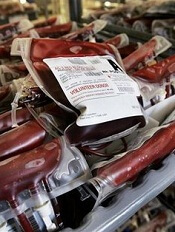
Photo by Elise Amendola
The length of time red blood cells (RBCs) are stored does not affect transfusion outcomes in critically ill patients, results of the ABLE study suggest.
Researchers compared critically ill patients who received RBCs stored for an average of about 3 weeks to those who received RBCs stored for less than a week.
And there were no significant differences between the groups with regard to mortality, transfusion reactions, and other outcomes.
“Previous observational and laboratory studies have suggested that fresh blood may be better because of the breakdown of red blood cells and accumulation of toxins during storage,” said Alan Tinmouth, MD, of the University of Ottawa in Ontario, Canada.
“But this definitive clinical trial clearly shows that these changes do not affect the quality of blood.”
Dr Tinmouth and his colleagues reported these results in NEJM.
The researchers enrolled 2430 adult intensive care patients in the trial, comparing patients who received fresh RBCs (n=1211) to those who received older RBCs (n=1219). Fresh RBCs were stored for a median of 6.1±4.9 days, and older RBCs were stored for a median of 22.0±8.4 days.
There was no significant difference between the arms with regard to the primary outcome, 90-day mortality. This endpoint was met by 37% of patients who received fresh blood and 35.3% of those who received older blood.
There were no significant differences between the fresh and older RBC arms for other mortality outcomes, either. This included death in the intensive care unit (26.7% vs 24.2%), in-hospital death (33.3% vs 31.9%), and death by day 28 (30.6% vs 28.8%).
Similarly, there were no significant differences between the fresh and older blood arms with regard to major illnesses, including multiple organ dysfunction syndrome (13.4% vs 13%), acute respiratory distress syndrome (5.7% vs 6.6%), cardiovascular failure (5.1% vs 4.2%), cardiac ischemia or infarction (4.5% vs 3.6%), venous thromboembolism (3.6% for both), nosocomial infection (34.1% vs 31.3%), and acute transfusion reaction (0.3% vs 0.5%).
In addition, there was no significant difference between the fresh RBC arm and the older RBC arm in the length of time patients required mechanical ventilation (15.0±18.0 days vs 14.7±14.9 days), cardiac or vasoactive drugs (7.1±10.2 days vs 7.5±11.2 days), or extrarenal epuration (2.5±10.1 days vs 2.5±8.3 days).
And there was no significant difference between the fresh and older blood arms in patients’ length of stay in the hospital (34.4±39.5 days vs 33.9±38.8 days) or the intensive care unit (15.3±15.4 days vs 15.3±14.8 days).
Based on these results, the researchers said there is no need to worry about the age of blood routinely used in hospitals. The team is now conducting a trial to determine if the same can be said for transfusions in pediatric patients.
Photo by Elise Amendola
The length of time red blood cells (RBCs) are stored does not affect transfusion outcomes in critically ill patients, results of the ABLE study suggest.
Researchers compared critically ill patients who received RBCs stored for an average of about 3 weeks to those who received RBCs stored for less than a week.
And there were no significant differences between the groups with regard to mortality, transfusion reactions, and other outcomes.
“Previous observational and laboratory studies have suggested that fresh blood may be better because of the breakdown of red blood cells and accumulation of toxins during storage,” said Alan Tinmouth, MD, of the University of Ottawa in Ontario, Canada.
“But this definitive clinical trial clearly shows that these changes do not affect the quality of blood.”
Dr Tinmouth and his colleagues reported these results in NEJM.
The researchers enrolled 2430 adult intensive care patients in the trial, comparing patients who received fresh RBCs (n=1211) to those who received older RBCs (n=1219). Fresh RBCs were stored for a median of 6.1±4.9 days, and older RBCs were stored for a median of 22.0±8.4 days.
There was no significant difference between the arms with regard to the primary outcome, 90-day mortality. This endpoint was met by 37% of patients who received fresh blood and 35.3% of those who received older blood.
There were no significant differences between the fresh and older RBC arms for other mortality outcomes, either. This included death in the intensive care unit (26.7% vs 24.2%), in-hospital death (33.3% vs 31.9%), and death by day 28 (30.6% vs 28.8%).
Similarly, there were no significant differences between the fresh and older blood arms with regard to major illnesses, including multiple organ dysfunction syndrome (13.4% vs 13%), acute respiratory distress syndrome (5.7% vs 6.6%), cardiovascular failure (5.1% vs 4.2%), cardiac ischemia or infarction (4.5% vs 3.6%), venous thromboembolism (3.6% for both), nosocomial infection (34.1% vs 31.3%), and acute transfusion reaction (0.3% vs 0.5%).
In addition, there was no significant difference between the fresh RBC arm and the older RBC arm in the length of time patients required mechanical ventilation (15.0±18.0 days vs 14.7±14.9 days), cardiac or vasoactive drugs (7.1±10.2 days vs 7.5±11.2 days), or extrarenal epuration (2.5±10.1 days vs 2.5±8.3 days).
And there was no significant difference between the fresh and older blood arms in patients’ length of stay in the hospital (34.4±39.5 days vs 33.9±38.8 days) or the intensive care unit (15.3±15.4 days vs 15.3±14.8 days).
Based on these results, the researchers said there is no need to worry about the age of blood routinely used in hospitals. The team is now conducting a trial to determine if the same can be said for transfusions in pediatric patients.
Photo by Elise Amendola
The length of time red blood cells (RBCs) are stored does not affect transfusion outcomes in critically ill patients, results of the ABLE study suggest.
Researchers compared critically ill patients who received RBCs stored for an average of about 3 weeks to those who received RBCs stored for less than a week.
And there were no significant differences between the groups with regard to mortality, transfusion reactions, and other outcomes.
“Previous observational and laboratory studies have suggested that fresh blood may be better because of the breakdown of red blood cells and accumulation of toxins during storage,” said Alan Tinmouth, MD, of the University of Ottawa in Ontario, Canada.
“But this definitive clinical trial clearly shows that these changes do not affect the quality of blood.”
Dr Tinmouth and his colleagues reported these results in NEJM.
The researchers enrolled 2430 adult intensive care patients in the trial, comparing patients who received fresh RBCs (n=1211) to those who received older RBCs (n=1219). Fresh RBCs were stored for a median of 6.1±4.9 days, and older RBCs were stored for a median of 22.0±8.4 days.
There was no significant difference between the arms with regard to the primary outcome, 90-day mortality. This endpoint was met by 37% of patients who received fresh blood and 35.3% of those who received older blood.
There were no significant differences between the fresh and older RBC arms for other mortality outcomes, either. This included death in the intensive care unit (26.7% vs 24.2%), in-hospital death (33.3% vs 31.9%), and death by day 28 (30.6% vs 28.8%).
Similarly, there were no significant differences between the fresh and older blood arms with regard to major illnesses, including multiple organ dysfunction syndrome (13.4% vs 13%), acute respiratory distress syndrome (5.7% vs 6.6%), cardiovascular failure (5.1% vs 4.2%), cardiac ischemia or infarction (4.5% vs 3.6%), venous thromboembolism (3.6% for both), nosocomial infection (34.1% vs 31.3%), and acute transfusion reaction (0.3% vs 0.5%).
In addition, there was no significant difference between the fresh RBC arm and the older RBC arm in the length of time patients required mechanical ventilation (15.0±18.0 days vs 14.7±14.9 days), cardiac or vasoactive drugs (7.1±10.2 days vs 7.5±11.2 days), or extrarenal epuration (2.5±10.1 days vs 2.5±8.3 days).
And there was no significant difference between the fresh and older blood arms in patients’ length of stay in the hospital (34.4±39.5 days vs 33.9±38.8 days) or the intensive care unit (15.3±15.4 days vs 15.3±14.8 days).
Based on these results, the researchers said there is no need to worry about the age of blood routinely used in hospitals. The team is now conducting a trial to determine if the same can be said for transfusions in pediatric patients.
Bivalirudin bests heparin in patients with AMI
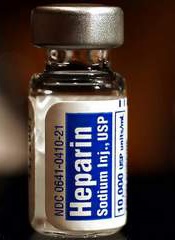
Data from the BRIGHT trial suggest bivalirudin may be more suitable than heparin alone or heparin plus tirofiban as anticoagulant therapy for patients with acute myocardial infarction (AMI) who are undergoing percutaneous coronary intervention (PCI).
At 30 days and 1 year after PCI, patients who received bivalirudin had a lower rate of net adverse clinical events (NACE)—death, reinfarction, bleeding, and
other events—than patients who received heparin.
Complete results from this study were published in JAMA alongside a related editorial.
Research has yet to reveal the optimal anticoagulant strategy for patients with AMI. Previous multicenter trials, such as HORIZONS-AMI and EUROMAX, have suggested that bivalirudin is superior to heparin plus glycoprotein IIb/IIIa inhibitors. But a recent single-center trial, HEAT-PPCI, indicated that heparin monotherapy was superior to bivalirudin alone.
So Gregg W. Stone, MD, of Columbia University Medical Center in New York, New York, and his colleagues conducted the BRIGHT trial to gain some insight into the issue.
The team analyzed 2194 patients with AMI who underwent emergency PCI at 82 Chinese sites. The patients were randomized to receive bivalirudin with a post-PCI infusion (n=735), heparin alone (n=729), or heparin plus tirofiban with a post-PCI infusion (n=730).
The primary endpoint was 30-day NACE, a composite of major adverse cardiac and cerebral events (MACCE) and bleeding. The secondary endpoints were NACE at 1 year, as well as MACCE and bleeding at 30 days and 1 year.
MACCE includes all-cause death, reinfarction, ischemia-driven target vessel revascularization, and stroke. Bleeding was defined by the Bleeding Academic Research Consortium (BARC) definition.
At 30 days, NACE had occurred in 8.8% of bivalirudin-treated patients, 13.2% of heparin-treated patients, and 17.0% of patients who received heparin plus tirofiban. The relative risk (RR) for bivalirudin vs heparin was 0.67 (P=0.008), and the RR for bivalirudin vs heparin plus tirofiban was 0.52 (P<0.001).
Patients who received bivalirudin had a lower rate of bleeding at 30 days than patients who received heparin or heparin plus tirofiban—4.1%, 7.5%, and 12.3% respectively (P<0.001).
There were no significant differences between treatments in the 30-day rates of MACCE (5.0%, 5.8%, and 4.9% respectively, P=0.74) and stent thrombosis (0.6%, 0.9%, and 0.7%, respectively, P=0.77). And there was no significant difference in acute (<24 hour) stent thrombosis (0.3% in each group).
At 1 year, patients in the bivalirudin arm still had a lower rate of NACE compared to patients in the heparin arm (12.8% vs 16.5%, RR=0.78, P=0.048) or patients who received heparin plus tirofiban (12.8% vs 20.5%, RR=0.62, P<0.001), due to lower rates of bleeding.
Rates of MACCE and stent thrombosis at 1 year were not significantly different between the treatment arms.
“By reducing bleeding with comparable rates of MACCE and stent thrombosis, bivalirudin significantly improved overall 30-day and 1-year outcomes, compared with both heparin alone and heparin plus tirofiban in patients with AMI undergoing primary PCI,” Dr Stone concluded.
The BRIGHT trial was funded, in part, by Salubris Pharmaceutical Co., makers of bivalirudin. Other funding came from the General Hospital of Shenyang Military Region and the Chinese Government National Key R&D project for the 12th five-year plan.
Data from the BRIGHT trial suggest bivalirudin may be more suitable than heparin alone or heparin plus tirofiban as anticoagulant therapy for patients with acute myocardial infarction (AMI) who are undergoing percutaneous coronary intervention (PCI).
At 30 days and 1 year after PCI, patients who received bivalirudin had a lower rate of net adverse clinical events (NACE)—death, reinfarction, bleeding, and
other events—than patients who received heparin.
Complete results from this study were published in JAMA alongside a related editorial.
Research has yet to reveal the optimal anticoagulant strategy for patients with AMI. Previous multicenter trials, such as HORIZONS-AMI and EUROMAX, have suggested that bivalirudin is superior to heparin plus glycoprotein IIb/IIIa inhibitors. But a recent single-center trial, HEAT-PPCI, indicated that heparin monotherapy was superior to bivalirudin alone.
So Gregg W. Stone, MD, of Columbia University Medical Center in New York, New York, and his colleagues conducted the BRIGHT trial to gain some insight into the issue.
The team analyzed 2194 patients with AMI who underwent emergency PCI at 82 Chinese sites. The patients were randomized to receive bivalirudin with a post-PCI infusion (n=735), heparin alone (n=729), or heparin plus tirofiban with a post-PCI infusion (n=730).
The primary endpoint was 30-day NACE, a composite of major adverse cardiac and cerebral events (MACCE) and bleeding. The secondary endpoints were NACE at 1 year, as well as MACCE and bleeding at 30 days and 1 year.
MACCE includes all-cause death, reinfarction, ischemia-driven target vessel revascularization, and stroke. Bleeding was defined by the Bleeding Academic Research Consortium (BARC) definition.
At 30 days, NACE had occurred in 8.8% of bivalirudin-treated patients, 13.2% of heparin-treated patients, and 17.0% of patients who received heparin plus tirofiban. The relative risk (RR) for bivalirudin vs heparin was 0.67 (P=0.008), and the RR for bivalirudin vs heparin plus tirofiban was 0.52 (P<0.001).
Patients who received bivalirudin had a lower rate of bleeding at 30 days than patients who received heparin or heparin plus tirofiban—4.1%, 7.5%, and 12.3% respectively (P<0.001).
There were no significant differences between treatments in the 30-day rates of MACCE (5.0%, 5.8%, and 4.9% respectively, P=0.74) and stent thrombosis (0.6%, 0.9%, and 0.7%, respectively, P=0.77). And there was no significant difference in acute (<24 hour) stent thrombosis (0.3% in each group).
At 1 year, patients in the bivalirudin arm still had a lower rate of NACE compared to patients in the heparin arm (12.8% vs 16.5%, RR=0.78, P=0.048) or patients who received heparin plus tirofiban (12.8% vs 20.5%, RR=0.62, P<0.001), due to lower rates of bleeding.
Rates of MACCE and stent thrombosis at 1 year were not significantly different between the treatment arms.
“By reducing bleeding with comparable rates of MACCE and stent thrombosis, bivalirudin significantly improved overall 30-day and 1-year outcomes, compared with both heparin alone and heparin plus tirofiban in patients with AMI undergoing primary PCI,” Dr Stone concluded.
The BRIGHT trial was funded, in part, by Salubris Pharmaceutical Co., makers of bivalirudin. Other funding came from the General Hospital of Shenyang Military Region and the Chinese Government National Key R&D project for the 12th five-year plan.
Data from the BRIGHT trial suggest bivalirudin may be more suitable than heparin alone or heparin plus tirofiban as anticoagulant therapy for patients with acute myocardial infarction (AMI) who are undergoing percutaneous coronary intervention (PCI).
At 30 days and 1 year after PCI, patients who received bivalirudin had a lower rate of net adverse clinical events (NACE)—death, reinfarction, bleeding, and
other events—than patients who received heparin.
Complete results from this study were published in JAMA alongside a related editorial.
Research has yet to reveal the optimal anticoagulant strategy for patients with AMI. Previous multicenter trials, such as HORIZONS-AMI and EUROMAX, have suggested that bivalirudin is superior to heparin plus glycoprotein IIb/IIIa inhibitors. But a recent single-center trial, HEAT-PPCI, indicated that heparin monotherapy was superior to bivalirudin alone.
So Gregg W. Stone, MD, of Columbia University Medical Center in New York, New York, and his colleagues conducted the BRIGHT trial to gain some insight into the issue.
The team analyzed 2194 patients with AMI who underwent emergency PCI at 82 Chinese sites. The patients were randomized to receive bivalirudin with a post-PCI infusion (n=735), heparin alone (n=729), or heparin plus tirofiban with a post-PCI infusion (n=730).
The primary endpoint was 30-day NACE, a composite of major adverse cardiac and cerebral events (MACCE) and bleeding. The secondary endpoints were NACE at 1 year, as well as MACCE and bleeding at 30 days and 1 year.
MACCE includes all-cause death, reinfarction, ischemia-driven target vessel revascularization, and stroke. Bleeding was defined by the Bleeding Academic Research Consortium (BARC) definition.
At 30 days, NACE had occurred in 8.8% of bivalirudin-treated patients, 13.2% of heparin-treated patients, and 17.0% of patients who received heparin plus tirofiban. The relative risk (RR) for bivalirudin vs heparin was 0.67 (P=0.008), and the RR for bivalirudin vs heparin plus tirofiban was 0.52 (P<0.001).
Patients who received bivalirudin had a lower rate of bleeding at 30 days than patients who received heparin or heparin plus tirofiban—4.1%, 7.5%, and 12.3% respectively (P<0.001).
There were no significant differences between treatments in the 30-day rates of MACCE (5.0%, 5.8%, and 4.9% respectively, P=0.74) and stent thrombosis (0.6%, 0.9%, and 0.7%, respectively, P=0.77). And there was no significant difference in acute (<24 hour) stent thrombosis (0.3% in each group).
At 1 year, patients in the bivalirudin arm still had a lower rate of NACE compared to patients in the heparin arm (12.8% vs 16.5%, RR=0.78, P=0.048) or patients who received heparin plus tirofiban (12.8% vs 20.5%, RR=0.62, P<0.001), due to lower rates of bleeding.
Rates of MACCE and stent thrombosis at 1 year were not significantly different between the treatment arms.
“By reducing bleeding with comparable rates of MACCE and stent thrombosis, bivalirudin significantly improved overall 30-day and 1-year outcomes, compared with both heparin alone and heparin plus tirofiban in patients with AMI undergoing primary PCI,” Dr Stone concluded.
The BRIGHT trial was funded, in part, by Salubris Pharmaceutical Co., makers of bivalirudin. Other funding came from the General Hospital of Shenyang Military Region and the Chinese Government National Key R&D project for the 12th five-year plan.
EC approves drug for polycythemia vera

Image courtesy of AFIP
The European Commission (EC) has approved ruxolitinib (Jakavi) to treat adults with polycythemia vera (PV) who are resistant to or cannot tolerate hydroxyurea.
This is the first targeted treatment the EC has approved for these patients.
The approval applies to all 28 member states of the European Union (EU), plus Iceland, Norway, and Liechtenstein.
Ruxolitinib is already approved to treat PV in the US, and additional regulatory applications for ruxolitinib in PV are ongoing worldwide.
The drug is also approved to treat adults with primary myelofibrosis (MF), post-PV MF, or post-essential thrombocythemia MF in more than 70 countries, including EU member states and the US.
“The European Commission’s approval of Jakavi [for PV] is encouraging news for patients,” said Claire Harrison, MD, a consultant hematologist at Guy’s and St Thomas’ NHS Foundation Trust in London, England.
“Jakavi will fill an unmet need as the first treatment shown to significantly improve hematocrit, as well as symptom control and reduce spleen size in patients with polycythemia vera resistant to or intolerant of hydroxyurea.”
RESPONSE trial
The EC’s approval is based on data from the phase 3 RESPONSE trial. The study included 222 patients who had PV for at least 24 weeks. All patients had an inadequate response to or could not tolerate hydroxyurea, had undergone a phlebotomy, and had splenomegaly.
Patients were randomized to receive ruxolitinib starting at 10 mg twice daily or best available therapy (BAT) as determined by the investigator. The ruxolitinib dose was adjusted as needed.
The study’s primary endpoint was a composite of hematocrit control and spleen reduction. To meet the endpoint, patients had to experience a 35% or greater reduction in spleen volume from baseline, as assessed by imaging at week 32.
And a patient’s hematocrit was considered under control if he was not eligible for phlebotomy from week 8 through 32 (and had no more than one instance of phlebotomy eligibility between randomization and week 8). Patients who were deemed eligible for phlebotomy had hematocrit that was greater than 45% or had increased 3 or more percentage points from the time they entered the study.
Twenty-one percent of ruxolitinib-treated patients met this endpoint (achieving hematocrit control and spleen reduction), compared to 1% of patients who received BAT (P<0.001).
And the researchers said ruxolitinib was well-tolerated. Common adverse events included headache, diarrhea, and fatigue.
Grade 3/4 anemia, grade 3/4 thrombocytopenia, and herpes zoster infections of all grades were more common in the ruxolitinib arm than the BAT arm. But thromboembolic events were more common with BAT than ruxolitinib.
This trial was funded by the Incyte Corporation, which markets ruxolitinib in the US. Novartis licensed ruxolitinib from Incyte for development and commercialization outside the US.
For more details on ruxolitinib, see the full prescribing information, available at www.jakavi.com.
Image courtesy of AFIP
The European Commission (EC) has approved ruxolitinib (Jakavi) to treat adults with polycythemia vera (PV) who are resistant to or cannot tolerate hydroxyurea.
This is the first targeted treatment the EC has approved for these patients.
The approval applies to all 28 member states of the European Union (EU), plus Iceland, Norway, and Liechtenstein.
Ruxolitinib is already approved to treat PV in the US, and additional regulatory applications for ruxolitinib in PV are ongoing worldwide.
The drug is also approved to treat adults with primary myelofibrosis (MF), post-PV MF, or post-essential thrombocythemia MF in more than 70 countries, including EU member states and the US.
“The European Commission’s approval of Jakavi [for PV] is encouraging news for patients,” said Claire Harrison, MD, a consultant hematologist at Guy’s and St Thomas’ NHS Foundation Trust in London, England.
“Jakavi will fill an unmet need as the first treatment shown to significantly improve hematocrit, as well as symptom control and reduce spleen size in patients with polycythemia vera resistant to or intolerant of hydroxyurea.”
RESPONSE trial
The EC’s approval is based on data from the phase 3 RESPONSE trial. The study included 222 patients who had PV for at least 24 weeks. All patients had an inadequate response to or could not tolerate hydroxyurea, had undergone a phlebotomy, and had splenomegaly.
Patients were randomized to receive ruxolitinib starting at 10 mg twice daily or best available therapy (BAT) as determined by the investigator. The ruxolitinib dose was adjusted as needed.
The study’s primary endpoint was a composite of hematocrit control and spleen reduction. To meet the endpoint, patients had to experience a 35% or greater reduction in spleen volume from baseline, as assessed by imaging at week 32.
And a patient’s hematocrit was considered under control if he was not eligible for phlebotomy from week 8 through 32 (and had no more than one instance of phlebotomy eligibility between randomization and week 8). Patients who were deemed eligible for phlebotomy had hematocrit that was greater than 45% or had increased 3 or more percentage points from the time they entered the study.
Twenty-one percent of ruxolitinib-treated patients met this endpoint (achieving hematocrit control and spleen reduction), compared to 1% of patients who received BAT (P<0.001).
And the researchers said ruxolitinib was well-tolerated. Common adverse events included headache, diarrhea, and fatigue.
Grade 3/4 anemia, grade 3/4 thrombocytopenia, and herpes zoster infections of all grades were more common in the ruxolitinib arm than the BAT arm. But thromboembolic events were more common with BAT than ruxolitinib.
This trial was funded by the Incyte Corporation, which markets ruxolitinib in the US. Novartis licensed ruxolitinib from Incyte for development and commercialization outside the US.
For more details on ruxolitinib, see the full prescribing information, available at www.jakavi.com.
Image courtesy of AFIP
The European Commission (EC) has approved ruxolitinib (Jakavi) to treat adults with polycythemia vera (PV) who are resistant to or cannot tolerate hydroxyurea.
This is the first targeted treatment the EC has approved for these patients.
The approval applies to all 28 member states of the European Union (EU), plus Iceland, Norway, and Liechtenstein.
Ruxolitinib is already approved to treat PV in the US, and additional regulatory applications for ruxolitinib in PV are ongoing worldwide.
The drug is also approved to treat adults with primary myelofibrosis (MF), post-PV MF, or post-essential thrombocythemia MF in more than 70 countries, including EU member states and the US.
“The European Commission’s approval of Jakavi [for PV] is encouraging news for patients,” said Claire Harrison, MD, a consultant hematologist at Guy’s and St Thomas’ NHS Foundation Trust in London, England.
“Jakavi will fill an unmet need as the first treatment shown to significantly improve hematocrit, as well as symptom control and reduce spleen size in patients with polycythemia vera resistant to or intolerant of hydroxyurea.”
RESPONSE trial
The EC’s approval is based on data from the phase 3 RESPONSE trial. The study included 222 patients who had PV for at least 24 weeks. All patients had an inadequate response to or could not tolerate hydroxyurea, had undergone a phlebotomy, and had splenomegaly.
Patients were randomized to receive ruxolitinib starting at 10 mg twice daily or best available therapy (BAT) as determined by the investigator. The ruxolitinib dose was adjusted as needed.
The study’s primary endpoint was a composite of hematocrit control and spleen reduction. To meet the endpoint, patients had to experience a 35% or greater reduction in spleen volume from baseline, as assessed by imaging at week 32.
And a patient’s hematocrit was considered under control if he was not eligible for phlebotomy from week 8 through 32 (and had no more than one instance of phlebotomy eligibility between randomization and week 8). Patients who were deemed eligible for phlebotomy had hematocrit that was greater than 45% or had increased 3 or more percentage points from the time they entered the study.
Twenty-one percent of ruxolitinib-treated patients met this endpoint (achieving hematocrit control and spleen reduction), compared to 1% of patients who received BAT (P<0.001).
And the researchers said ruxolitinib was well-tolerated. Common adverse events included headache, diarrhea, and fatigue.
Grade 3/4 anemia, grade 3/4 thrombocytopenia, and herpes zoster infections of all grades were more common in the ruxolitinib arm than the BAT arm. But thromboembolic events were more common with BAT than ruxolitinib.
This trial was funded by the Incyte Corporation, which markets ruxolitinib in the US. Novartis licensed ruxolitinib from Incyte for development and commercialization outside the US.
For more details on ruxolitinib, see the full prescribing information, available at www.jakavi.com.
4F-PCC proves more effective than plasma

Photo by Cristina Granados
Results of a phase 3 trial indicate that a 4-factor prothrombin complex concentrate (4F-PCC) is more effective than plasma for reversing acquired coagulation factor deficiency induced by vitamin K antagonist therapy in adults who require urgent surgery or an invasive procedure.
4F-PCC induced hemostasis in more patients and reduced international normalized ratios (INRs) more quickly than plasma.
And the rates of adverse events (AEs) were similar in the 2 groups.
“[4F-PCC] is more effective than plasma for INR reduction and periprocedural hemostasis in adults who are taking warfarin and require an urgent procedure,” said Joshua N. Goldstein, MD, PhD, of Massachusetts General Hospital in Boston.
He and his colleagues reported these findings in The Lancet.
The study included 181 patients, but only 168 were evaluable for efficacy. Eighty-seven of these patients received 4F-PCC, and 81 received plasma.
Ninety percent of patients treated with 4F-PCC achieved effective hemostasis, compared to 75% of patients treated with plasma (P=0.0142).
Fifty-five percent of patients who received 4F-PCC achieved rapid INR reduction (to ≤ 1.3 at 30 minutes after the end of infusion), compared to 10% of patients treated with plasma (P<0.0001).
In post-hoc analysis, the median time from the start of infusion to the start of the urgent surgical procedure was shorter in the 4F-PCC group than in the plasma group—3.6 hours and 8.5 hours, respectively (P=0.0098).
Eighty-eight patients in each group were evaluable for safety. And the incidence of AEs was similar in the 4F-PCC and plasma groups, at 56% and 60%, respectively.
Treatment-related AEs occurred in 9% of 4F-PCC-treated patients and 17% of plasma-treated patients. In both groups, 3% of these AEs were serious.
The rate of death at day 45 was 3% in the 4F-PCC group and 9% in the plasma group. The rates of thromboembolic AEs were 7% and 8%, respectively.
The rates of fluid overload or similar cardiac events were 3% and 13%, respectively. And the rates of bleeding after the primary outcome assessment were 3% and 5%, respectively.
This study was funded by CSL Behring, makers of 4F-PCC, which is marketed as Kcentra, Beriplex, or Confidex.
Photo by Cristina Granados
Results of a phase 3 trial indicate that a 4-factor prothrombin complex concentrate (4F-PCC) is more effective than plasma for reversing acquired coagulation factor deficiency induced by vitamin K antagonist therapy in adults who require urgent surgery or an invasive procedure.
4F-PCC induced hemostasis in more patients and reduced international normalized ratios (INRs) more quickly than plasma.
And the rates of adverse events (AEs) were similar in the 2 groups.
“[4F-PCC] is more effective than plasma for INR reduction and periprocedural hemostasis in adults who are taking warfarin and require an urgent procedure,” said Joshua N. Goldstein, MD, PhD, of Massachusetts General Hospital in Boston.
He and his colleagues reported these findings in The Lancet.
The study included 181 patients, but only 168 were evaluable for efficacy. Eighty-seven of these patients received 4F-PCC, and 81 received plasma.
Ninety percent of patients treated with 4F-PCC achieved effective hemostasis, compared to 75% of patients treated with plasma (P=0.0142).
Fifty-five percent of patients who received 4F-PCC achieved rapid INR reduction (to ≤ 1.3 at 30 minutes after the end of infusion), compared to 10% of patients treated with plasma (P<0.0001).
In post-hoc analysis, the median time from the start of infusion to the start of the urgent surgical procedure was shorter in the 4F-PCC group than in the plasma group—3.6 hours and 8.5 hours, respectively (P=0.0098).
Eighty-eight patients in each group were evaluable for safety. And the incidence of AEs was similar in the 4F-PCC and plasma groups, at 56% and 60%, respectively.
Treatment-related AEs occurred in 9% of 4F-PCC-treated patients and 17% of plasma-treated patients. In both groups, 3% of these AEs were serious.
The rate of death at day 45 was 3% in the 4F-PCC group and 9% in the plasma group. The rates of thromboembolic AEs were 7% and 8%, respectively.
The rates of fluid overload or similar cardiac events were 3% and 13%, respectively. And the rates of bleeding after the primary outcome assessment were 3% and 5%, respectively.
This study was funded by CSL Behring, makers of 4F-PCC, which is marketed as Kcentra, Beriplex, or Confidex.
Photo by Cristina Granados
Results of a phase 3 trial indicate that a 4-factor prothrombin complex concentrate (4F-PCC) is more effective than plasma for reversing acquired coagulation factor deficiency induced by vitamin K antagonist therapy in adults who require urgent surgery or an invasive procedure.
4F-PCC induced hemostasis in more patients and reduced international normalized ratios (INRs) more quickly than plasma.
And the rates of adverse events (AEs) were similar in the 2 groups.
“[4F-PCC] is more effective than plasma for INR reduction and periprocedural hemostasis in adults who are taking warfarin and require an urgent procedure,” said Joshua N. Goldstein, MD, PhD, of Massachusetts General Hospital in Boston.
He and his colleagues reported these findings in The Lancet.
The study included 181 patients, but only 168 were evaluable for efficacy. Eighty-seven of these patients received 4F-PCC, and 81 received plasma.
Ninety percent of patients treated with 4F-PCC achieved effective hemostasis, compared to 75% of patients treated with plasma (P=0.0142).
Fifty-five percent of patients who received 4F-PCC achieved rapid INR reduction (to ≤ 1.3 at 30 minutes after the end of infusion), compared to 10% of patients treated with plasma (P<0.0001).
In post-hoc analysis, the median time from the start of infusion to the start of the urgent surgical procedure was shorter in the 4F-PCC group than in the plasma group—3.6 hours and 8.5 hours, respectively (P=0.0098).
Eighty-eight patients in each group were evaluable for safety. And the incidence of AEs was similar in the 4F-PCC and plasma groups, at 56% and 60%, respectively.
Treatment-related AEs occurred in 9% of 4F-PCC-treated patients and 17% of plasma-treated patients. In both groups, 3% of these AEs were serious.
The rate of death at day 45 was 3% in the 4F-PCC group and 9% in the plasma group. The rates of thromboembolic AEs were 7% and 8%, respectively.
The rates of fluid overload or similar cardiac events were 3% and 13%, respectively. And the rates of bleeding after the primary outcome assessment were 3% and 5%, respectively.
This study was funded by CSL Behring, makers of 4F-PCC, which is marketed as Kcentra, Beriplex, or Confidex.
Novel anticoagulant system no better than existing drug

SAN DIEGO—In a now-terminated phase 3 trial, a novel anticoagulant system proved about as effective as an established drug in patients undergoing percutaneous coronary intervention (PCI).
The system also conferred higher rates of bleeding and prompted more allergic reactions.
The trial, known as REGULATE-PCI, was designed to compare the Revolixys Kit (also known as the REG-1 Anticoagulation System) to bivalirudin (Angiomax).
The study was officially halted in August due to an excess of severe allergic reactions associated with the Revolixys Kit. Given the early termination, investigators said the data should be considered exploratory.
Roxana Mehran, MD, of Mount Sinai Hospital in New York, New York, presented the study’s results at the American College of Cardiology’s 64th Annual Scientific Session (abstract 402-12).
The goal of the REGULATE-PCI trial was to compare the reversible thrombin inhibitor bivalirudin to the Revolixys Kit—a 2-component system consisting of pegnivacogin, an anticoagulant aptamer targeting coagulation factor IXa, and its complementary oligonucleotide active control agent, anivamersen—in patients undergoing PCI.
Before the trial was stopped, 3232 patients were enrolled. They underwent PCI at 225 hospitals in 17 countries. Patients were equally randomized to the bivalirudin or Revolixys arms, and investigators collected data at 3 days and 30 days.
Efficacy and safety results
There were no differences between the treatment arms in terms of the study’s primary efficacy endpoint—a composite of all-cause death, heart attack, stroke, or urgent revascularization.
The endpoint occurred in 6.7% of patients in the Revolixys arm and 6.4% of patients receiving bivalirudin 3 days after PCI (P=0.72). Efficacy was still comparable at 30 days.
In addition, the Revolixys system failed to show a benefit over bivalirudin with regard to the primary safety endpoint of bleeding.
The rate of BARC 3 or 5 bleeding was 0.4% in the Revolixys arm and 0.1% in the bivalirudin arm (P=0.09). And the rates of BARC 2, 3, or 5 bleeding were 6.5% and 4.1%, respectively (P=0.002).
Serious allergic reactions occurred in 10 of 1605 patients in the Revolixys arm. One of these reactions was fatal, and the others were anaphylactic reactions. Only one patient in the bivalirudin group had a serious allergic event.
“This anticoagulant system is associated with infrequent but an unacceptably high rate of severe allergic reactions,” Dr Mehran said.
Research is ongoing to determine the exact cause of the allergic reactions, and Dr Mehran said she hopes this does not deter the search for novel anticoagulants for use in this patient population.
More about REGULATE-PCI
Investigators started recruiting patients to the trial in September 2013. In April, because there were a handful of allergic reactions seen in the earlier phase 2 trial, a data safety and monitoring board reviewed all of the safety endpoints for the first 1000 patients enrolled in REGULATE-PCI.
In June, both the executive committee and the sponsor decided to suspend the trial, and the US Food and Drug Administration announced a clinical hold in July. The trial was permanently halted in August.
This study was funded by Regado Biosciences Inc., the company developing the Revolixys kit. Dr Mehran has served on the scientific advisory board for Regado Biosciences.
SAN DIEGO—In a now-terminated phase 3 trial, a novel anticoagulant system proved about as effective as an established drug in patients undergoing percutaneous coronary intervention (PCI).
The system also conferred higher rates of bleeding and prompted more allergic reactions.
The trial, known as REGULATE-PCI, was designed to compare the Revolixys Kit (also known as the REG-1 Anticoagulation System) to bivalirudin (Angiomax).
The study was officially halted in August due to an excess of severe allergic reactions associated with the Revolixys Kit. Given the early termination, investigators said the data should be considered exploratory.
Roxana Mehran, MD, of Mount Sinai Hospital in New York, New York, presented the study’s results at the American College of Cardiology’s 64th Annual Scientific Session (abstract 402-12).
The goal of the REGULATE-PCI trial was to compare the reversible thrombin inhibitor bivalirudin to the Revolixys Kit—a 2-component system consisting of pegnivacogin, an anticoagulant aptamer targeting coagulation factor IXa, and its complementary oligonucleotide active control agent, anivamersen—in patients undergoing PCI.
Before the trial was stopped, 3232 patients were enrolled. They underwent PCI at 225 hospitals in 17 countries. Patients were equally randomized to the bivalirudin or Revolixys arms, and investigators collected data at 3 days and 30 days.
Efficacy and safety results
There were no differences between the treatment arms in terms of the study’s primary efficacy endpoint—a composite of all-cause death, heart attack, stroke, or urgent revascularization.
The endpoint occurred in 6.7% of patients in the Revolixys arm and 6.4% of patients receiving bivalirudin 3 days after PCI (P=0.72). Efficacy was still comparable at 30 days.
In addition, the Revolixys system failed to show a benefit over bivalirudin with regard to the primary safety endpoint of bleeding.
The rate of BARC 3 or 5 bleeding was 0.4% in the Revolixys arm and 0.1% in the bivalirudin arm (P=0.09). And the rates of BARC 2, 3, or 5 bleeding were 6.5% and 4.1%, respectively (P=0.002).
Serious allergic reactions occurred in 10 of 1605 patients in the Revolixys arm. One of these reactions was fatal, and the others were anaphylactic reactions. Only one patient in the bivalirudin group had a serious allergic event.
“This anticoagulant system is associated with infrequent but an unacceptably high rate of severe allergic reactions,” Dr Mehran said.
Research is ongoing to determine the exact cause of the allergic reactions, and Dr Mehran said she hopes this does not deter the search for novel anticoagulants for use in this patient population.
More about REGULATE-PCI
Investigators started recruiting patients to the trial in September 2013. In April, because there were a handful of allergic reactions seen in the earlier phase 2 trial, a data safety and monitoring board reviewed all of the safety endpoints for the first 1000 patients enrolled in REGULATE-PCI.
In June, both the executive committee and the sponsor decided to suspend the trial, and the US Food and Drug Administration announced a clinical hold in July. The trial was permanently halted in August.
This study was funded by Regado Biosciences Inc., the company developing the Revolixys kit. Dr Mehran has served on the scientific advisory board for Regado Biosciences.
SAN DIEGO—In a now-terminated phase 3 trial, a novel anticoagulant system proved about as effective as an established drug in patients undergoing percutaneous coronary intervention (PCI).
The system also conferred higher rates of bleeding and prompted more allergic reactions.
The trial, known as REGULATE-PCI, was designed to compare the Revolixys Kit (also known as the REG-1 Anticoagulation System) to bivalirudin (Angiomax).
The study was officially halted in August due to an excess of severe allergic reactions associated with the Revolixys Kit. Given the early termination, investigators said the data should be considered exploratory.
Roxana Mehran, MD, of Mount Sinai Hospital in New York, New York, presented the study’s results at the American College of Cardiology’s 64th Annual Scientific Session (abstract 402-12).
The goal of the REGULATE-PCI trial was to compare the reversible thrombin inhibitor bivalirudin to the Revolixys Kit—a 2-component system consisting of pegnivacogin, an anticoagulant aptamer targeting coagulation factor IXa, and its complementary oligonucleotide active control agent, anivamersen—in patients undergoing PCI.
Before the trial was stopped, 3232 patients were enrolled. They underwent PCI at 225 hospitals in 17 countries. Patients were equally randomized to the bivalirudin or Revolixys arms, and investigators collected data at 3 days and 30 days.
Efficacy and safety results
There were no differences between the treatment arms in terms of the study’s primary efficacy endpoint—a composite of all-cause death, heart attack, stroke, or urgent revascularization.
The endpoint occurred in 6.7% of patients in the Revolixys arm and 6.4% of patients receiving bivalirudin 3 days after PCI (P=0.72). Efficacy was still comparable at 30 days.
In addition, the Revolixys system failed to show a benefit over bivalirudin with regard to the primary safety endpoint of bleeding.
The rate of BARC 3 or 5 bleeding was 0.4% in the Revolixys arm and 0.1% in the bivalirudin arm (P=0.09). And the rates of BARC 2, 3, or 5 bleeding were 6.5% and 4.1%, respectively (P=0.002).
Serious allergic reactions occurred in 10 of 1605 patients in the Revolixys arm. One of these reactions was fatal, and the others were anaphylactic reactions. Only one patient in the bivalirudin group had a serious allergic event.
“This anticoagulant system is associated with infrequent but an unacceptably high rate of severe allergic reactions,” Dr Mehran said.
Research is ongoing to determine the exact cause of the allergic reactions, and Dr Mehran said she hopes this does not deter the search for novel anticoagulants for use in this patient population.
More about REGULATE-PCI
Investigators started recruiting patients to the trial in September 2013. In April, because there were a handful of allergic reactions seen in the earlier phase 2 trial, a data safety and monitoring board reviewed all of the safety endpoints for the first 1000 patients enrolled in REGULATE-PCI.
In June, both the executive committee and the sponsor decided to suspend the trial, and the US Food and Drug Administration announced a clinical hold in July. The trial was permanently halted in August.
This study was funded by Regado Biosciences Inc., the company developing the Revolixys kit. Dr Mehran has served on the scientific advisory board for Regado Biosciences.
Group reprograms B-ALL cells into macrophage-like cells

pseudopodia to engulf particles
Investigators have reported methods for reprogramming leukemia cells into non-leukemic, macrophage-like cells.
The team reprogrammed cells derived from patients with BCR-ABL1+ precursor B-cell acute lymphoblastic leukemia (B-ALL) by exposing the cells to myeloid differentiation-promoting cytokines or by transient expression of certain transcription factors.
The group described this work in Proceedings of the National Academy of Sciences.
The research began when the investigators were trying to keep patient-derived leukemia cells alive in culture.
“We were throwing everything at them to help them survive,” said Ravindra Majeti, MD, PhD, of Stanford University School of Medicine in California.
Then, James Scott McClellan, MD, PhD, also of Stanford University School of Medicine, mentioned that some of the cells were changing shape and size, morphing into what looked like macrophages.
Dr Majeti concurred with that observation, but the reasons for the changed cells were a mystery. That is, until he remembered an old research paper, which showed that early B-cell mouse progenitor cells could be forced to become macrophages when exposed to certain transcription factors.
So he and his colleagues set out to confirm that they could transform leukemic cells into macrophage-like cells.
The team isolated CD19+CD34+ blasts from 12 adults with BCR-ABL1+ B-ALL and cultured the blasts in the presence of myeloid-differentiation-promoting cytokines. This resulted in CD14high/CD19low cells that expressed the surface markers and had the functional properties typical of normal macrophages.
The investigators also cultured B-ALL cells with the myeloid transcription factor C/EBPα or the myeloid/lymphoid transcription factor PU.1. Both factors were able to reprogram blasts into macrophage-like cells.
Experiments in mice revealed that reprogramming the blasts into macrophage-like cells eliminated their leukemogenicity.
And the investigators’ final experiments suggested that myeloid reprogramming occurs, to some degree, in humans. In samples from patients with BCR-ABL1+ B-ALL, the team found primary CD14+ monocytes/macrophages that had the BCR-ABL1+ translocation and clonally recombined VDJ regions.
Dr Majeti and his colleagues said they have reason to hope that, when the leukemic cells become macrophage-like cells, they are not only neutralized but may actually assist in fighting the leukemia.
“Because the macrophage cells came from the cancer cells, they will already carry with them the chemical signals that will identify the cancer cells, making an immune attack against the cancer more likely,” Dr Majeti said.
pseudopodia to engulf particles
Investigators have reported methods for reprogramming leukemia cells into non-leukemic, macrophage-like cells.
The team reprogrammed cells derived from patients with BCR-ABL1+ precursor B-cell acute lymphoblastic leukemia (B-ALL) by exposing the cells to myeloid differentiation-promoting cytokines or by transient expression of certain transcription factors.
The group described this work in Proceedings of the National Academy of Sciences.
The research began when the investigators were trying to keep patient-derived leukemia cells alive in culture.
“We were throwing everything at them to help them survive,” said Ravindra Majeti, MD, PhD, of Stanford University School of Medicine in California.
Then, James Scott McClellan, MD, PhD, also of Stanford University School of Medicine, mentioned that some of the cells were changing shape and size, morphing into what looked like macrophages.
Dr Majeti concurred with that observation, but the reasons for the changed cells were a mystery. That is, until he remembered an old research paper, which showed that early B-cell mouse progenitor cells could be forced to become macrophages when exposed to certain transcription factors.
So he and his colleagues set out to confirm that they could transform leukemic cells into macrophage-like cells.
The team isolated CD19+CD34+ blasts from 12 adults with BCR-ABL1+ B-ALL and cultured the blasts in the presence of myeloid-differentiation-promoting cytokines. This resulted in CD14high/CD19low cells that expressed the surface markers and had the functional properties typical of normal macrophages.
The investigators also cultured B-ALL cells with the myeloid transcription factor C/EBPα or the myeloid/lymphoid transcription factor PU.1. Both factors were able to reprogram blasts into macrophage-like cells.
Experiments in mice revealed that reprogramming the blasts into macrophage-like cells eliminated their leukemogenicity.
And the investigators’ final experiments suggested that myeloid reprogramming occurs, to some degree, in humans. In samples from patients with BCR-ABL1+ B-ALL, the team found primary CD14+ monocytes/macrophages that had the BCR-ABL1+ translocation and clonally recombined VDJ regions.
Dr Majeti and his colleagues said they have reason to hope that, when the leukemic cells become macrophage-like cells, they are not only neutralized but may actually assist in fighting the leukemia.
“Because the macrophage cells came from the cancer cells, they will already carry with them the chemical signals that will identify the cancer cells, making an immune attack against the cancer more likely,” Dr Majeti said.
pseudopodia to engulf particles
Investigators have reported methods for reprogramming leukemia cells into non-leukemic, macrophage-like cells.
The team reprogrammed cells derived from patients with BCR-ABL1+ precursor B-cell acute lymphoblastic leukemia (B-ALL) by exposing the cells to myeloid differentiation-promoting cytokines or by transient expression of certain transcription factors.
The group described this work in Proceedings of the National Academy of Sciences.
The research began when the investigators were trying to keep patient-derived leukemia cells alive in culture.
“We were throwing everything at them to help them survive,” said Ravindra Majeti, MD, PhD, of Stanford University School of Medicine in California.
Then, James Scott McClellan, MD, PhD, also of Stanford University School of Medicine, mentioned that some of the cells were changing shape and size, morphing into what looked like macrophages.
Dr Majeti concurred with that observation, but the reasons for the changed cells were a mystery. That is, until he remembered an old research paper, which showed that early B-cell mouse progenitor cells could be forced to become macrophages when exposed to certain transcription factors.
So he and his colleagues set out to confirm that they could transform leukemic cells into macrophage-like cells.
The team isolated CD19+CD34+ blasts from 12 adults with BCR-ABL1+ B-ALL and cultured the blasts in the presence of myeloid-differentiation-promoting cytokines. This resulted in CD14high/CD19low cells that expressed the surface markers and had the functional properties typical of normal macrophages.
The investigators also cultured B-ALL cells with the myeloid transcription factor C/EBPα or the myeloid/lymphoid transcription factor PU.1. Both factors were able to reprogram blasts into macrophage-like cells.
Experiments in mice revealed that reprogramming the blasts into macrophage-like cells eliminated their leukemogenicity.
And the investigators’ final experiments suggested that myeloid reprogramming occurs, to some degree, in humans. In samples from patients with BCR-ABL1+ B-ALL, the team found primary CD14+ monocytes/macrophages that had the BCR-ABL1+ translocation and clonally recombined VDJ regions.
Dr Majeti and his colleagues said they have reason to hope that, when the leukemic cells become macrophage-like cells, they are not only neutralized but may actually assist in fighting the leukemia.
“Because the macrophage cells came from the cancer cells, they will already carry with them the chemical signals that will identify the cancer cells, making an immune attack against the cancer more likely,” Dr Majeti said.
Lowering the cost of cancer drugs in the US

Photo by Petr Kratochvil
Increasingly high prices for cancer drugs are affecting patient care and the overall healthcare system in the US, according to authors of an article in Mayo Clinic Proceedings.
The authors noted that the average price of cancer drugs for about a year of therapy increased from $5000 to $10,000 before 2000, and to more than $100,000 by 2012.
Over nearly the same period, the average household income in the US decreased by about 8%.
“Americans with cancer pay 50% to 100% more for the same patented drug than patients in other countries,” said author S. Vincent Rajkumar, MD, of the Mayo Clinic in Rochester, Minnesota.
“As oncologists, we have a moral obligation to advocate for affordable cancer drugs for our patients.”
Dr Rajkumar and co-author Hagop Kantarjian, MD, of MD Anderson Cancer Center in Houston, Texas, rebutted the major arguments the pharmaceutical industry uses to justify the high price of cancer drugs; namely, the expense of conducting research and drug development, the comparative benefits to patients, that market forces will settle prices to reasonable levels, and that price controls on cancer drugs will stifle innovation.
“One of the facts that people do not realize is that cancer drugs, for the most part, are not operating under a free market economy,” Dr Rajkumar said. “The fact that there are 5 approved drugs to treat an incurable cancer does not mean there is competition.”
“Typically, the standard of care is that each drug is used sequentially or in combination, so that each new drug represents a monopoly with exclusivity granted by patent protection for many years.”
Drs Rajkumar and Kantarjian said other reasons for the high cost of cancer drugs include legislation that prevents Medicare from being able to negotiate drug prices and a lack of value-based pricing, which ties the cost of a drug to its relative effectiveness compared to other drugs.
The authors recommended a set of potential solutions to help control and reduce the high cost of cancer drugs in the US. Some of their recommendations are already in practice in other developed countries. Their recommendations include:
- Allow Medicare to negotiate drug prices
- Develop cancer treatment pathways/guidelines that incorporate the cost and benefit of cancer drugs
- Allow the Food and Drug Administration or physician panels to recommend target prices based on a drug’s magnitude of benefit (value-based pricing)
- Eliminate “pay-for-delay” strategies in which a pharmaceutical company with a brand name drug shares profits on that drug with a generic drug manufacturer for the remainder of a patent period, effectively eliminating a patent challenge and competition
- Allow the importation of drugs from abroad for personal use
- Allow the Patient-Centered Outcomes Research Institute and other cancer advocacy groups to consider cost in their recommendations
- Create patient-driven grassroots movements and organizations to advocate effectively for the interests of patients with cancer to balance advocacy efforts of pharmaceutical companies, insurance companies, pharmacy outlets, and hospitals.
Dr Kantarjian has organized a petition, which is available on change.org, asking the federal government to implement these changes.
Photo by Petr Kratochvil
Increasingly high prices for cancer drugs are affecting patient care and the overall healthcare system in the US, according to authors of an article in Mayo Clinic Proceedings.
The authors noted that the average price of cancer drugs for about a year of therapy increased from $5000 to $10,000 before 2000, and to more than $100,000 by 2012.
Over nearly the same period, the average household income in the US decreased by about 8%.
“Americans with cancer pay 50% to 100% more for the same patented drug than patients in other countries,” said author S. Vincent Rajkumar, MD, of the Mayo Clinic in Rochester, Minnesota.
“As oncologists, we have a moral obligation to advocate for affordable cancer drugs for our patients.”
Dr Rajkumar and co-author Hagop Kantarjian, MD, of MD Anderson Cancer Center in Houston, Texas, rebutted the major arguments the pharmaceutical industry uses to justify the high price of cancer drugs; namely, the expense of conducting research and drug development, the comparative benefits to patients, that market forces will settle prices to reasonable levels, and that price controls on cancer drugs will stifle innovation.
“One of the facts that people do not realize is that cancer drugs, for the most part, are not operating under a free market economy,” Dr Rajkumar said. “The fact that there are 5 approved drugs to treat an incurable cancer does not mean there is competition.”
“Typically, the standard of care is that each drug is used sequentially or in combination, so that each new drug represents a monopoly with exclusivity granted by patent protection for many years.”
Drs Rajkumar and Kantarjian said other reasons for the high cost of cancer drugs include legislation that prevents Medicare from being able to negotiate drug prices and a lack of value-based pricing, which ties the cost of a drug to its relative effectiveness compared to other drugs.
The authors recommended a set of potential solutions to help control and reduce the high cost of cancer drugs in the US. Some of their recommendations are already in practice in other developed countries. Their recommendations include:
- Allow Medicare to negotiate drug prices
- Develop cancer treatment pathways/guidelines that incorporate the cost and benefit of cancer drugs
- Allow the Food and Drug Administration or physician panels to recommend target prices based on a drug’s magnitude of benefit (value-based pricing)
- Eliminate “pay-for-delay” strategies in which a pharmaceutical company with a brand name drug shares profits on that drug with a generic drug manufacturer for the remainder of a patent period, effectively eliminating a patent challenge and competition
- Allow the importation of drugs from abroad for personal use
- Allow the Patient-Centered Outcomes Research Institute and other cancer advocacy groups to consider cost in their recommendations
- Create patient-driven grassroots movements and organizations to advocate effectively for the interests of patients with cancer to balance advocacy efforts of pharmaceutical companies, insurance companies, pharmacy outlets, and hospitals.
Dr Kantarjian has organized a petition, which is available on change.org, asking the federal government to implement these changes.
Photo by Petr Kratochvil
Increasingly high prices for cancer drugs are affecting patient care and the overall healthcare system in the US, according to authors of an article in Mayo Clinic Proceedings.
The authors noted that the average price of cancer drugs for about a year of therapy increased from $5000 to $10,000 before 2000, and to more than $100,000 by 2012.
Over nearly the same period, the average household income in the US decreased by about 8%.
“Americans with cancer pay 50% to 100% more for the same patented drug than patients in other countries,” said author S. Vincent Rajkumar, MD, of the Mayo Clinic in Rochester, Minnesota.
“As oncologists, we have a moral obligation to advocate for affordable cancer drugs for our patients.”
Dr Rajkumar and co-author Hagop Kantarjian, MD, of MD Anderson Cancer Center in Houston, Texas, rebutted the major arguments the pharmaceutical industry uses to justify the high price of cancer drugs; namely, the expense of conducting research and drug development, the comparative benefits to patients, that market forces will settle prices to reasonable levels, and that price controls on cancer drugs will stifle innovation.
“One of the facts that people do not realize is that cancer drugs, for the most part, are not operating under a free market economy,” Dr Rajkumar said. “The fact that there are 5 approved drugs to treat an incurable cancer does not mean there is competition.”
“Typically, the standard of care is that each drug is used sequentially or in combination, so that each new drug represents a monopoly with exclusivity granted by patent protection for many years.”
Drs Rajkumar and Kantarjian said other reasons for the high cost of cancer drugs include legislation that prevents Medicare from being able to negotiate drug prices and a lack of value-based pricing, which ties the cost of a drug to its relative effectiveness compared to other drugs.
The authors recommended a set of potential solutions to help control and reduce the high cost of cancer drugs in the US. Some of their recommendations are already in practice in other developed countries. Their recommendations include:
- Allow Medicare to negotiate drug prices
- Develop cancer treatment pathways/guidelines that incorporate the cost and benefit of cancer drugs
- Allow the Food and Drug Administration or physician panels to recommend target prices based on a drug’s magnitude of benefit (value-based pricing)
- Eliminate “pay-for-delay” strategies in which a pharmaceutical company with a brand name drug shares profits on that drug with a generic drug manufacturer for the remainder of a patent period, effectively eliminating a patent challenge and competition
- Allow the importation of drugs from abroad for personal use
- Allow the Patient-Centered Outcomes Research Institute and other cancer advocacy groups to consider cost in their recommendations
- Create patient-driven grassroots movements and organizations to advocate effectively for the interests of patients with cancer to balance advocacy efforts of pharmaceutical companies, insurance companies, pharmacy outlets, and hospitals.
Dr Kantarjian has organized a petition, which is available on change.org, asking the federal government to implement these changes.
EMA grants vaccine orphan status for MM
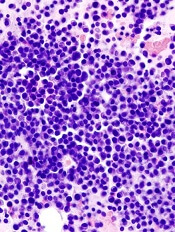
showing MM
The European Medicines Agency (EMA) has given a novel vaccine orphan designation as a treatment for multiple myeloma (MM).
The vaccine, known as ImMucin, targets the signal peptide domain of the MUC1 tumor antigen.
ImMucin works by “teaching” the immune system to identify and destroy cells that display a short, specific, 21-mer portion from MUC1, which appears on 90% of all cancer cells but not in patients’ blood.
Results of a phase 1/2 trial suggested that ImMucin was safe and active in MM patients. The trial included 15 MUC1-positive patients who had residual or biochemically progressive disease after autologous stem cell transplant.
The patients received 6 or 12 bi-weekly intradermal doses of ImMucin co-administered with human granulocyte-macrophage colony-stimulating factor.
The researchers said the vaccine was well-tolerated, as all adverse events were temporary, grade 1-2 in nature, and resolved spontaneously.
There was a significant decrease in soluble MUC1 levels in 9 patients, and 11 patients had stable disease or clinical improvement that persisted for 17.5 months to more than 41.3 months.
A follow-on study (which is ongoing) in patients who responded to ImMucin has shown that some patients can go more than 4 years without requiring any further treatment for their disease.
ImMucin is also being evaluated in a phase 1/2 study to treat patients with metastatic breast cancer who are receiving first-line hormone therapy.
ImMucin is under development by Vaxil Biotherapeutics Ltd.
About orphan designation
The EMA grants orphan designation to promote the clinical development of drugs that treat rare, life-threatening, or debilitating conditions and are expected to provide significant therapeutic advantage over existing treatments.
Orphan designation provides the company developing a drug with significant benefits, including 10 years of market exclusivity following approval, reductions in the fees and costs of the regulatory process, and scientific assistance from the EMA in clinical development.
showing MM
The European Medicines Agency (EMA) has given a novel vaccine orphan designation as a treatment for multiple myeloma (MM).
The vaccine, known as ImMucin, targets the signal peptide domain of the MUC1 tumor antigen.
ImMucin works by “teaching” the immune system to identify and destroy cells that display a short, specific, 21-mer portion from MUC1, which appears on 90% of all cancer cells but not in patients’ blood.
Results of a phase 1/2 trial suggested that ImMucin was safe and active in MM patients. The trial included 15 MUC1-positive patients who had residual or biochemically progressive disease after autologous stem cell transplant.
The patients received 6 or 12 bi-weekly intradermal doses of ImMucin co-administered with human granulocyte-macrophage colony-stimulating factor.
The researchers said the vaccine was well-tolerated, as all adverse events were temporary, grade 1-2 in nature, and resolved spontaneously.
There was a significant decrease in soluble MUC1 levels in 9 patients, and 11 patients had stable disease or clinical improvement that persisted for 17.5 months to more than 41.3 months.
A follow-on study (which is ongoing) in patients who responded to ImMucin has shown that some patients can go more than 4 years without requiring any further treatment for their disease.
ImMucin is also being evaluated in a phase 1/2 study to treat patients with metastatic breast cancer who are receiving first-line hormone therapy.
ImMucin is under development by Vaxil Biotherapeutics Ltd.
About orphan designation
The EMA grants orphan designation to promote the clinical development of drugs that treat rare, life-threatening, or debilitating conditions and are expected to provide significant therapeutic advantage over existing treatments.
Orphan designation provides the company developing a drug with significant benefits, including 10 years of market exclusivity following approval, reductions in the fees and costs of the regulatory process, and scientific assistance from the EMA in clinical development.
showing MM
The European Medicines Agency (EMA) has given a novel vaccine orphan designation as a treatment for multiple myeloma (MM).
The vaccine, known as ImMucin, targets the signal peptide domain of the MUC1 tumor antigen.
ImMucin works by “teaching” the immune system to identify and destroy cells that display a short, specific, 21-mer portion from MUC1, which appears on 90% of all cancer cells but not in patients’ blood.
Results of a phase 1/2 trial suggested that ImMucin was safe and active in MM patients. The trial included 15 MUC1-positive patients who had residual or biochemically progressive disease after autologous stem cell transplant.
The patients received 6 or 12 bi-weekly intradermal doses of ImMucin co-administered with human granulocyte-macrophage colony-stimulating factor.
The researchers said the vaccine was well-tolerated, as all adverse events were temporary, grade 1-2 in nature, and resolved spontaneously.
There was a significant decrease in soluble MUC1 levels in 9 patients, and 11 patients had stable disease or clinical improvement that persisted for 17.5 months to more than 41.3 months.
A follow-on study (which is ongoing) in patients who responded to ImMucin has shown that some patients can go more than 4 years without requiring any further treatment for their disease.
ImMucin is also being evaluated in a phase 1/2 study to treat patients with metastatic breast cancer who are receiving first-line hormone therapy.
ImMucin is under development by Vaxil Biotherapeutics Ltd.
About orphan designation
The EMA grants orphan designation to promote the clinical development of drugs that treat rare, life-threatening, or debilitating conditions and are expected to provide significant therapeutic advantage over existing treatments.
Orphan designation provides the company developing a drug with significant benefits, including 10 years of market exclusivity following approval, reductions in the fees and costs of the regulatory process, and scientific assistance from the EMA in clinical development.