User login
Emicizumab beats factor VIII prophylaxis by a wide margin
In patients with hemophilia A who do not have factor VIII inhibitors, emicizumab therapy outperformed factor VIII prophylaxis, according to a results of a randomized, open-label, phase 3 trial.

Patients treated with emicizumab had a significantly lower bleeding rate than without prophylaxis, and more than half of the treated patients had no treated bleeding events during the trial, reported lead author Johnny Mahlangu, MD, of the University of the Witwatersrand in Johannesburg, South Africa, and his colleagues.
For patients with severe hemophilia A, factor VIII infusions are standard prophylaxis for bleeding events; however, because of the short half-life of factor VIII, multiple infusions are needed each week, and bleeding events may still occur.
“Treatments with a high efficacy and reduced burden are needed,” the authors wrote in the New England Journal of Medicine.
Emicizumab may serve as such a treatment. It is a monoclonal antibody that joins activated factor IX with factor X. This combination restores hemostasis by replacing missing factor VIII. In 2017, the FDA approved emicizumab for patients with hemophilia A and anti-factor VIII alloantibodies (inhibitors).
The HAVEN 3 trial involved 152 patients with hemophilia A who did not have inhibitors. Patients were divided into four groups. The first three groups (A, B, and C) consisted of patients who had previously been receiving episodic factor VIII therapy. During the trial, group A received emicizumab 1.5 mg/kg per week, group B received emicizumab 3.0 mg/kg every 2 weeks, and group C received no prophylaxis. The fourth group (D) consisted of patients who had previously received factor VIII prophylaxis. This group received emicizumab 1.5 mg/kg per week.
Patients who received no prophylaxis had an annualized bleeding rate of 38.2 events. For patients treated with emicizumab, the annualized bleeding rates were 1.5 events for group A (96% lower than no prophylaxis; P less than .001) and 1.3 events for group B (97% lower than no prophylaxis; P less than .001).
More than half of the patients treated with emicizumab had no treated bleeding events during the trial; in comparison, all of the patients who did not receive prophylaxis had bleeding events. An intraindividual comparison of 48 patients (group D) showed that individuals treated with emicizumab had a 68% lower annualized bleeding rate than when they were receiving factor VIII prophylaxis (decrease from 4.8 events to 1.5 events; P less than .001).
The most common adverse event associated with emicizumab was injection-site reaction in 38 patients (25%). No thrombotic events, thrombotic microangiopathies, or deaths occurred.
“Although it is difficult to predict how the treatment approach will evolve, emicizumab therapy represents one option that holds promise to improve the care of patients with hemophilia A,” the researchers wrote.
The HAVEN 3 trial was funded by F. Hoffmann-La Roche and Chugai Pharmaceutical. The researchers reported support from Bayer, Baxalta, CSL Behring, and others.
SOURCE: Mahlangu et al. N Engl J Med. 2018;379:811-22.
The HAVEN 3 trial by Mahlangu et al. showed that emicizumab can significantly decrease the incidence of bleeding events in patients with hemophilia A, but questions remain about impacts on factor VIII tolerance and the role of emicizumab in long-term management, according to Margaret V. Ragni, MD.
The HAVEN 3 results showed that emicizumab was highly effective for hemophilia A patients who did not have inhibitors. In addition, thrombosis or thrombotic microangiopathy did not occur in the trial, as breakthrough bleeding was treated with factor VIII concentrate instead of prothrombin concentrate, which was used in previous trials.
“The absence of thrombosis with factor VIII concentrate is probably related to the fact that factor VIII has an affinity for binding factors IXa and X that is 10 times as high as that of emicizumab, so it displaces emicizumab, thereby avoiding potential additive toxicity,” Dr. Ragni wrote.
A survey conducted in the trial showed that patients preferred emicizumab over factor VIII, but Dr. Ragni noted that “there was no direct comparison, nor was the basis specified for the preference, such as a simpler route of administration or a reduction in the incidence of joint bleeding events or pain severity.”
Questions surrounding joint disease, efficacy for acute bleeding, and cost should be addressed before emicizumab replaces factor VIII therapy as standard of care. Additionally, the relationship between emicizumab and inhibitor immune tolerance remains unclear. One trial participant exhibited recurrence of anti-factor VIII antibody, “a finding that suggests incomplete inhibitor suppression by emicizumab prophylaxis.”
“Until more is known, it will be important for discussions between providers and patients to focus on risk, benefit, cost, and participation in observational studies and clinical trials,” Dr. Ragni wrote.
Margaret V. Ragni, MD , is with the division of hematology/oncology at the University of Pittsburgh. Dr. Ragni reported funding from Bayer, Biomarin, NovoNordisk, and others. These comments are adapted from an accompanying editorial ( N Engl J Med. 2018;379:880-2 ).
The HAVEN 3 trial by Mahlangu et al. showed that emicizumab can significantly decrease the incidence of bleeding events in patients with hemophilia A, but questions remain about impacts on factor VIII tolerance and the role of emicizumab in long-term management, according to Margaret V. Ragni, MD.
The HAVEN 3 results showed that emicizumab was highly effective for hemophilia A patients who did not have inhibitors. In addition, thrombosis or thrombotic microangiopathy did not occur in the trial, as breakthrough bleeding was treated with factor VIII concentrate instead of prothrombin concentrate, which was used in previous trials.
“The absence of thrombosis with factor VIII concentrate is probably related to the fact that factor VIII has an affinity for binding factors IXa and X that is 10 times as high as that of emicizumab, so it displaces emicizumab, thereby avoiding potential additive toxicity,” Dr. Ragni wrote.
A survey conducted in the trial showed that patients preferred emicizumab over factor VIII, but Dr. Ragni noted that “there was no direct comparison, nor was the basis specified for the preference, such as a simpler route of administration or a reduction in the incidence of joint bleeding events or pain severity.”
Questions surrounding joint disease, efficacy for acute bleeding, and cost should be addressed before emicizumab replaces factor VIII therapy as standard of care. Additionally, the relationship between emicizumab and inhibitor immune tolerance remains unclear. One trial participant exhibited recurrence of anti-factor VIII antibody, “a finding that suggests incomplete inhibitor suppression by emicizumab prophylaxis.”
“Until more is known, it will be important for discussions between providers and patients to focus on risk, benefit, cost, and participation in observational studies and clinical trials,” Dr. Ragni wrote.
Margaret V. Ragni, MD , is with the division of hematology/oncology at the University of Pittsburgh. Dr. Ragni reported funding from Bayer, Biomarin, NovoNordisk, and others. These comments are adapted from an accompanying editorial ( N Engl J Med. 2018;379:880-2 ).
The HAVEN 3 trial by Mahlangu et al. showed that emicizumab can significantly decrease the incidence of bleeding events in patients with hemophilia A, but questions remain about impacts on factor VIII tolerance and the role of emicizumab in long-term management, according to Margaret V. Ragni, MD.
The HAVEN 3 results showed that emicizumab was highly effective for hemophilia A patients who did not have inhibitors. In addition, thrombosis or thrombotic microangiopathy did not occur in the trial, as breakthrough bleeding was treated with factor VIII concentrate instead of prothrombin concentrate, which was used in previous trials.
“The absence of thrombosis with factor VIII concentrate is probably related to the fact that factor VIII has an affinity for binding factors IXa and X that is 10 times as high as that of emicizumab, so it displaces emicizumab, thereby avoiding potential additive toxicity,” Dr. Ragni wrote.
A survey conducted in the trial showed that patients preferred emicizumab over factor VIII, but Dr. Ragni noted that “there was no direct comparison, nor was the basis specified for the preference, such as a simpler route of administration or a reduction in the incidence of joint bleeding events or pain severity.”
Questions surrounding joint disease, efficacy for acute bleeding, and cost should be addressed before emicizumab replaces factor VIII therapy as standard of care. Additionally, the relationship between emicizumab and inhibitor immune tolerance remains unclear. One trial participant exhibited recurrence of anti-factor VIII antibody, “a finding that suggests incomplete inhibitor suppression by emicizumab prophylaxis.”
“Until more is known, it will be important for discussions between providers and patients to focus on risk, benefit, cost, and participation in observational studies and clinical trials,” Dr. Ragni wrote.
Margaret V. Ragni, MD , is with the division of hematology/oncology at the University of Pittsburgh. Dr. Ragni reported funding from Bayer, Biomarin, NovoNordisk, and others. These comments are adapted from an accompanying editorial ( N Engl J Med. 2018;379:880-2 ).
In patients with hemophilia A who do not have factor VIII inhibitors, emicizumab therapy outperformed factor VIII prophylaxis, according to a results of a randomized, open-label, phase 3 trial.
Patients treated with emicizumab had a significantly lower bleeding rate than without prophylaxis, and more than half of the treated patients had no treated bleeding events during the trial, reported lead author Johnny Mahlangu, MD, of the University of the Witwatersrand in Johannesburg, South Africa, and his colleagues.
For patients with severe hemophilia A, factor VIII infusions are standard prophylaxis for bleeding events; however, because of the short half-life of factor VIII, multiple infusions are needed each week, and bleeding events may still occur.
“Treatments with a high efficacy and reduced burden are needed,” the authors wrote in the New England Journal of Medicine.
Emicizumab may serve as such a treatment. It is a monoclonal antibody that joins activated factor IX with factor X. This combination restores hemostasis by replacing missing factor VIII. In 2017, the FDA approved emicizumab for patients with hemophilia A and anti-factor VIII alloantibodies (inhibitors).
The HAVEN 3 trial involved 152 patients with hemophilia A who did not have inhibitors. Patients were divided into four groups. The first three groups (A, B, and C) consisted of patients who had previously been receiving episodic factor VIII therapy. During the trial, group A received emicizumab 1.5 mg/kg per week, group B received emicizumab 3.0 mg/kg every 2 weeks, and group C received no prophylaxis. The fourth group (D) consisted of patients who had previously received factor VIII prophylaxis. This group received emicizumab 1.5 mg/kg per week.
Patients who received no prophylaxis had an annualized bleeding rate of 38.2 events. For patients treated with emicizumab, the annualized bleeding rates were 1.5 events for group A (96% lower than no prophylaxis; P less than .001) and 1.3 events for group B (97% lower than no prophylaxis; P less than .001).
More than half of the patients treated with emicizumab had no treated bleeding events during the trial; in comparison, all of the patients who did not receive prophylaxis had bleeding events. An intraindividual comparison of 48 patients (group D) showed that individuals treated with emicizumab had a 68% lower annualized bleeding rate than when they were receiving factor VIII prophylaxis (decrease from 4.8 events to 1.5 events; P less than .001).
The most common adverse event associated with emicizumab was injection-site reaction in 38 patients (25%). No thrombotic events, thrombotic microangiopathies, or deaths occurred.
“Although it is difficult to predict how the treatment approach will evolve, emicizumab therapy represents one option that holds promise to improve the care of patients with hemophilia A,” the researchers wrote.
The HAVEN 3 trial was funded by F. Hoffmann-La Roche and Chugai Pharmaceutical. The researchers reported support from Bayer, Baxalta, CSL Behring, and others.
SOURCE: Mahlangu et al. N Engl J Med. 2018;379:811-22.
In patients with hemophilia A who do not have factor VIII inhibitors, emicizumab therapy outperformed factor VIII prophylaxis, according to a results of a randomized, open-label, phase 3 trial.
Patients treated with emicizumab had a significantly lower bleeding rate than without prophylaxis, and more than half of the treated patients had no treated bleeding events during the trial, reported lead author Johnny Mahlangu, MD, of the University of the Witwatersrand in Johannesburg, South Africa, and his colleagues.
For patients with severe hemophilia A, factor VIII infusions are standard prophylaxis for bleeding events; however, because of the short half-life of factor VIII, multiple infusions are needed each week, and bleeding events may still occur.
“Treatments with a high efficacy and reduced burden are needed,” the authors wrote in the New England Journal of Medicine.
Emicizumab may serve as such a treatment. It is a monoclonal antibody that joins activated factor IX with factor X. This combination restores hemostasis by replacing missing factor VIII. In 2017, the FDA approved emicizumab for patients with hemophilia A and anti-factor VIII alloantibodies (inhibitors).
The HAVEN 3 trial involved 152 patients with hemophilia A who did not have inhibitors. Patients were divided into four groups. The first three groups (A, B, and C) consisted of patients who had previously been receiving episodic factor VIII therapy. During the trial, group A received emicizumab 1.5 mg/kg per week, group B received emicizumab 3.0 mg/kg every 2 weeks, and group C received no prophylaxis. The fourth group (D) consisted of patients who had previously received factor VIII prophylaxis. This group received emicizumab 1.5 mg/kg per week.
Patients who received no prophylaxis had an annualized bleeding rate of 38.2 events. For patients treated with emicizumab, the annualized bleeding rates were 1.5 events for group A (96% lower than no prophylaxis; P less than .001) and 1.3 events for group B (97% lower than no prophylaxis; P less than .001).
More than half of the patients treated with emicizumab had no treated bleeding events during the trial; in comparison, all of the patients who did not receive prophylaxis had bleeding events. An intraindividual comparison of 48 patients (group D) showed that individuals treated with emicizumab had a 68% lower annualized bleeding rate than when they were receiving factor VIII prophylaxis (decrease from 4.8 events to 1.5 events; P less than .001).
The most common adverse event associated with emicizumab was injection-site reaction in 38 patients (25%). No thrombotic events, thrombotic microangiopathies, or deaths occurred.
“Although it is difficult to predict how the treatment approach will evolve, emicizumab therapy represents one option that holds promise to improve the care of patients with hemophilia A,” the researchers wrote.
The HAVEN 3 trial was funded by F. Hoffmann-La Roche and Chugai Pharmaceutical. The researchers reported support from Bayer, Baxalta, CSL Behring, and others.
SOURCE: Mahlangu et al. N Engl J Med. 2018;379:811-22.
FROM THE NEW ENGLAND JOURNAL OF MEDICINE
Key clinical point:
Major finding: Treatment with emicizumab resulted in 68% fewer bleeding events, compared with factor VIII prophylaxis (P less than .001).
Study details: HAVEN 3 was a randomized, open-label phase 3 trial involving 152 patients who had hemophilia A without inhibitors.
Disclosures: The study was funded by F. Hoffmann-La Roche and Chugai Pharmaceutical. The authors reported support from Bayer, Baxalta, CSL Behring, and others.
Source: Mahlangu et al. N Engl J Med. 2018;379:811-22.
Capmatinib plus gefitinib overcomes EGFR resistance in NSCLC
A combination of capmatinib and gefitinib shows promise for patients with EGFR-mutated, MET-dysregulated non–small-cell lung cancer (NSCLC) after EGFR inhibitor failure, investigators said.
Patients with MET-amplified disease had the most robust responses, reported lead author Yi-Long Wu, MD, of the Guangdong Lung Cancer Institute in Guangzhou, China, and his colleagues.
“Patients with EGFR-mutated NSCLC usually relapse within a year, despite high response rates to EGFR-TKIs,” the authors wrote in the Journal of Clinical Oncology. MET amplification is responsible for resistance in 5%-26% of NSCLC cases with EGFR inhibitor resistance.
Capmatinib is a highly specific MET inhibitor that has been effective in preclinical models as a single agent and in combination with first- or third-generation EGFR-TKIs. It also promotes apoptosis and restores erlotinib sensitivity in erlotinib-resistant NSCLC. Gefitinib, like erlotinib, is an EGFR-TKI.
The phase 1b/2 study involved 161 patients with EGFR-mutated, MET-dysregulated (amplified/overexpressed) NSCLC who had disease progression during EGFR-TKI therapy. In the dose escalating, phase 1b portion of the study, 61 patients received capmatinib 100-800 mg daily or 200-600 mg twice daily, plus gefitinib 250 mg daily. During phase 2, 100 patients received capmatinib 400 mg twice daily plus gefitinib 250 mg daily. The primary endpoint was overall response rate (ORR).
Across both phases of the study, approximately one-quarter of the patients responded to the drug combination (ORR = 27%). In patients with a high level of MET amplification (MET gene copy number greater than or equal to 6), responses were more common, with almost half of the patients responding (ORR = 47%).
The treatment regimen was generally well tolerated. The most common adverse events were nausea (28%), peripheral edema (22%), reduced appetite (21%), and rash (20%). Grade 3 or higher adverse events were uncommon; increased lipase and increased amylase occurred most frequently (6% for each).
“The combination of capmatinib with gefitinib has been shown to be both feasible and rational,” the authors concluded, “and the data from this study suggest that the combination of capmatinib with an EGFR-TKI may be a promising treatment option for patients with EGFR-mutated, MET-dysregulated NSCLC and particularly for patients with MET-amplified tumors.”
Novartis funded the study. The authors reported affiliations with Novartis and others.
SOURCE: Wu et al. J Clin Oncol. Aug 29. doi: 10.1200/JCO.2018.77.7326.
A combination of capmatinib and gefitinib shows promise for patients with EGFR-mutated, MET-dysregulated non–small-cell lung cancer (NSCLC) after EGFR inhibitor failure, investigators said.
Patients with MET-amplified disease had the most robust responses, reported lead author Yi-Long Wu, MD, of the Guangdong Lung Cancer Institute in Guangzhou, China, and his colleagues.
“Patients with EGFR-mutated NSCLC usually relapse within a year, despite high response rates to EGFR-TKIs,” the authors wrote in the Journal of Clinical Oncology. MET amplification is responsible for resistance in 5%-26% of NSCLC cases with EGFR inhibitor resistance.
Capmatinib is a highly specific MET inhibitor that has been effective in preclinical models as a single agent and in combination with first- or third-generation EGFR-TKIs. It also promotes apoptosis and restores erlotinib sensitivity in erlotinib-resistant NSCLC. Gefitinib, like erlotinib, is an EGFR-TKI.
The phase 1b/2 study involved 161 patients with EGFR-mutated, MET-dysregulated (amplified/overexpressed) NSCLC who had disease progression during EGFR-TKI therapy. In the dose escalating, phase 1b portion of the study, 61 patients received capmatinib 100-800 mg daily or 200-600 mg twice daily, plus gefitinib 250 mg daily. During phase 2, 100 patients received capmatinib 400 mg twice daily plus gefitinib 250 mg daily. The primary endpoint was overall response rate (ORR).
Across both phases of the study, approximately one-quarter of the patients responded to the drug combination (ORR = 27%). In patients with a high level of MET amplification (MET gene copy number greater than or equal to 6), responses were more common, with almost half of the patients responding (ORR = 47%).
The treatment regimen was generally well tolerated. The most common adverse events were nausea (28%), peripheral edema (22%), reduced appetite (21%), and rash (20%). Grade 3 or higher adverse events were uncommon; increased lipase and increased amylase occurred most frequently (6% for each).
“The combination of capmatinib with gefitinib has been shown to be both feasible and rational,” the authors concluded, “and the data from this study suggest that the combination of capmatinib with an EGFR-TKI may be a promising treatment option for patients with EGFR-mutated, MET-dysregulated NSCLC and particularly for patients with MET-amplified tumors.”
Novartis funded the study. The authors reported affiliations with Novartis and others.
SOURCE: Wu et al. J Clin Oncol. Aug 29. doi: 10.1200/JCO.2018.77.7326.
A combination of capmatinib and gefitinib shows promise for patients with EGFR-mutated, MET-dysregulated non–small-cell lung cancer (NSCLC) after EGFR inhibitor failure, investigators said.
Patients with MET-amplified disease had the most robust responses, reported lead author Yi-Long Wu, MD, of the Guangdong Lung Cancer Institute in Guangzhou, China, and his colleagues.
“Patients with EGFR-mutated NSCLC usually relapse within a year, despite high response rates to EGFR-TKIs,” the authors wrote in the Journal of Clinical Oncology. MET amplification is responsible for resistance in 5%-26% of NSCLC cases with EGFR inhibitor resistance.
Capmatinib is a highly specific MET inhibitor that has been effective in preclinical models as a single agent and in combination with first- or third-generation EGFR-TKIs. It also promotes apoptosis and restores erlotinib sensitivity in erlotinib-resistant NSCLC. Gefitinib, like erlotinib, is an EGFR-TKI.
The phase 1b/2 study involved 161 patients with EGFR-mutated, MET-dysregulated (amplified/overexpressed) NSCLC who had disease progression during EGFR-TKI therapy. In the dose escalating, phase 1b portion of the study, 61 patients received capmatinib 100-800 mg daily or 200-600 mg twice daily, plus gefitinib 250 mg daily. During phase 2, 100 patients received capmatinib 400 mg twice daily plus gefitinib 250 mg daily. The primary endpoint was overall response rate (ORR).
Across both phases of the study, approximately one-quarter of the patients responded to the drug combination (ORR = 27%). In patients with a high level of MET amplification (MET gene copy number greater than or equal to 6), responses were more common, with almost half of the patients responding (ORR = 47%).
The treatment regimen was generally well tolerated. The most common adverse events were nausea (28%), peripheral edema (22%), reduced appetite (21%), and rash (20%). Grade 3 or higher adverse events were uncommon; increased lipase and increased amylase occurred most frequently (6% for each).
“The combination of capmatinib with gefitinib has been shown to be both feasible and rational,” the authors concluded, “and the data from this study suggest that the combination of capmatinib with an EGFR-TKI may be a promising treatment option for patients with EGFR-mutated, MET-dysregulated NSCLC and particularly for patients with MET-amplified tumors.”
Novartis funded the study. The authors reported affiliations with Novartis and others.
SOURCE: Wu et al. J Clin Oncol. Aug 29. doi: 10.1200/JCO.2018.77.7326.
FROM JOURNAL OF CLINICAL ONCOLOGY
Key clinical point: A combination of capmatinib and gefitinib is effective for some patients with EGFR-mutated, MET-dysregulated non–small-cell lung cancer (NSCLC) who have developed EGFR inhibitor resistance.
Major finding: The overall response rate was 47% for patients with a high level of MET amplification (MET gene copy number greater than or equal to 6).
Study details: A phase 1b/2 trial involving 161 patients with EGFR-mutated, MET-dysregulated NSCLC and EGFR inhibitor resistance.
Disclosures: Novartis funded the study. The authors reported affiliations with Novartis and others.
Source: Wu et al. J Clin Oncol. 2018 Aug 29. doi: 10.1200/JCO.2018.77.7326.
Rivaroxaban no help for heart failure outcomes
MUNICH – For patients with heart disease, coronary artery disease, and normal sinus rhythm, giving , investigators in the COMMANDER trial said.
Rivaroxaban did not improve rehospitalization rates either, reported lead author Faiez Zannad, MD, PhD, from the University of Henri Poincaré in Nancy, France, and his co-investigators.
“After an episode of worsening chronic heart failure, rates of readmission to the hospital and of death are high, especially in the first few months,” they said in a presentation at the annual congress of the European Society of Cardiology. The report of the research was published simultaneously in the New England Journal of Medicine.
Findings from previous research have suggested that, for patients with coronary artery disease, a combination of antiplatelet agents and low-dose rivaroxaban (2.5 mg twice daily) reduced incidence of death, myocardial infarction, and stroke. The authors designed the COMMANDER trial to test a similar regimen in patients with chronic heart failure and coronary heart disease without an arrhythmia. Results were published simultaneously in the New England Journal of Medicine.
The COMMANDER trial involved 5,022 patients with coronary artery disease, reduced left ventricular ejection fraction (less than or equal to 40%), worsening chronic heart failure (index event within past 21 days), and normal splasma concentration of brain natriuretic peptide (BNP) of at least 200 ng per liter or N-terminal pro-brain natriuretic peptide (NT-proBNP) of at least 800 ng per liter.
Patients were randomly assigned to receive rivaroxaban 2.5 mg twice daily (n = 2,507) or placebo (n = 2,515). Treatment was given in addition to standard care for coronary disease or heart failure (single or dual antiplatelet therapy was allowed). Patients were assessed at week 4 and week 12, then every 12 weeks.
The primary efficacy outcome was a composite of stroke, myocardial infarction, or death from any cause. Secondary efficacy outcomes included death from cardiovascular disease, rehospitalization for heart failure, a composite of either, or rehospitalization for cardiovascular events. The principal safety outcome was a composite of bleeding into a critical space with potential for permanent disability or fatal bleeding.
Death, myocardial failure, or stroke occurred in 626 patients (25%) in the rivaroxaban group compared with 658 patients (26.2%) in the placebo group (P = .27). Secondary efficacy outcomes were also highly similar between groups, differing at most by 0.9%. The principal safety outcome (fatal bleeding or bleeding into a critical space) occurred in 18 patients (0.7%) in the rivaroxaban group and 23 patients (0.9%) in the placebo group (P = .25). Again, no significant difference was found between groups.
These results suggest that while low-dose rivaroxaban may be safe, it also offers no treatment benefit. “The most likely reason for the failure … is that thrombin-mediated events are not the major driver of heart failure-related events in patients with recent hospitalization for heart failure,” the authors wrote.
“Whether a higher dose of rivaroxaban could have led to a more favorable outcome remains unknown,” they concluded.
The COMMANDER trial was funded by Janssen Research and Development. Authors reported compensation from Bayer, Servier, Novartis, Impulse Dynamics, and others.
cardnews@mdedge.com
SOURCE: Zannad F et al. NEJM/ESC.
.
MUNICH – For patients with heart disease, coronary artery disease, and normal sinus rhythm, giving , investigators in the COMMANDER trial said.
Rivaroxaban did not improve rehospitalization rates either, reported lead author Faiez Zannad, MD, PhD, from the University of Henri Poincaré in Nancy, France, and his co-investigators.
“After an episode of worsening chronic heart failure, rates of readmission to the hospital and of death are high, especially in the first few months,” they said in a presentation at the annual congress of the European Society of Cardiology. The report of the research was published simultaneously in the New England Journal of Medicine.
Findings from previous research have suggested that, for patients with coronary artery disease, a combination of antiplatelet agents and low-dose rivaroxaban (2.5 mg twice daily) reduced incidence of death, myocardial infarction, and stroke. The authors designed the COMMANDER trial to test a similar regimen in patients with chronic heart failure and coronary heart disease without an arrhythmia. Results were published simultaneously in the New England Journal of Medicine.
The COMMANDER trial involved 5,022 patients with coronary artery disease, reduced left ventricular ejection fraction (less than or equal to 40%), worsening chronic heart failure (index event within past 21 days), and normal splasma concentration of brain natriuretic peptide (BNP) of at least 200 ng per liter or N-terminal pro-brain natriuretic peptide (NT-proBNP) of at least 800 ng per liter.
Patients were randomly assigned to receive rivaroxaban 2.5 mg twice daily (n = 2,507) or placebo (n = 2,515). Treatment was given in addition to standard care for coronary disease or heart failure (single or dual antiplatelet therapy was allowed). Patients were assessed at week 4 and week 12, then every 12 weeks.
The primary efficacy outcome was a composite of stroke, myocardial infarction, or death from any cause. Secondary efficacy outcomes included death from cardiovascular disease, rehospitalization for heart failure, a composite of either, or rehospitalization for cardiovascular events. The principal safety outcome was a composite of bleeding into a critical space with potential for permanent disability or fatal bleeding.
Death, myocardial failure, or stroke occurred in 626 patients (25%) in the rivaroxaban group compared with 658 patients (26.2%) in the placebo group (P = .27). Secondary efficacy outcomes were also highly similar between groups, differing at most by 0.9%. The principal safety outcome (fatal bleeding or bleeding into a critical space) occurred in 18 patients (0.7%) in the rivaroxaban group and 23 patients (0.9%) in the placebo group (P = .25). Again, no significant difference was found between groups.
These results suggest that while low-dose rivaroxaban may be safe, it also offers no treatment benefit. “The most likely reason for the failure … is that thrombin-mediated events are not the major driver of heart failure-related events in patients with recent hospitalization for heart failure,” the authors wrote.
“Whether a higher dose of rivaroxaban could have led to a more favorable outcome remains unknown,” they concluded.
The COMMANDER trial was funded by Janssen Research and Development. Authors reported compensation from Bayer, Servier, Novartis, Impulse Dynamics, and others.
cardnews@mdedge.com
SOURCE: Zannad F et al. NEJM/ESC.
.
MUNICH – For patients with heart disease, coronary artery disease, and normal sinus rhythm, giving , investigators in the COMMANDER trial said.
Rivaroxaban did not improve rehospitalization rates either, reported lead author Faiez Zannad, MD, PhD, from the University of Henri Poincaré in Nancy, France, and his co-investigators.
“After an episode of worsening chronic heart failure, rates of readmission to the hospital and of death are high, especially in the first few months,” they said in a presentation at the annual congress of the European Society of Cardiology. The report of the research was published simultaneously in the New England Journal of Medicine.
Findings from previous research have suggested that, for patients with coronary artery disease, a combination of antiplatelet agents and low-dose rivaroxaban (2.5 mg twice daily) reduced incidence of death, myocardial infarction, and stroke. The authors designed the COMMANDER trial to test a similar regimen in patients with chronic heart failure and coronary heart disease without an arrhythmia. Results were published simultaneously in the New England Journal of Medicine.
The COMMANDER trial involved 5,022 patients with coronary artery disease, reduced left ventricular ejection fraction (less than or equal to 40%), worsening chronic heart failure (index event within past 21 days), and normal splasma concentration of brain natriuretic peptide (BNP) of at least 200 ng per liter or N-terminal pro-brain natriuretic peptide (NT-proBNP) of at least 800 ng per liter.
Patients were randomly assigned to receive rivaroxaban 2.5 mg twice daily (n = 2,507) or placebo (n = 2,515). Treatment was given in addition to standard care for coronary disease or heart failure (single or dual antiplatelet therapy was allowed). Patients were assessed at week 4 and week 12, then every 12 weeks.
The primary efficacy outcome was a composite of stroke, myocardial infarction, or death from any cause. Secondary efficacy outcomes included death from cardiovascular disease, rehospitalization for heart failure, a composite of either, or rehospitalization for cardiovascular events. The principal safety outcome was a composite of bleeding into a critical space with potential for permanent disability or fatal bleeding.
Death, myocardial failure, or stroke occurred in 626 patients (25%) in the rivaroxaban group compared with 658 patients (26.2%) in the placebo group (P = .27). Secondary efficacy outcomes were also highly similar between groups, differing at most by 0.9%. The principal safety outcome (fatal bleeding or bleeding into a critical space) occurred in 18 patients (0.7%) in the rivaroxaban group and 23 patients (0.9%) in the placebo group (P = .25). Again, no significant difference was found between groups.
These results suggest that while low-dose rivaroxaban may be safe, it also offers no treatment benefit. “The most likely reason for the failure … is that thrombin-mediated events are not the major driver of heart failure-related events in patients with recent hospitalization for heart failure,” the authors wrote.
“Whether a higher dose of rivaroxaban could have led to a more favorable outcome remains unknown,” they concluded.
The COMMANDER trial was funded by Janssen Research and Development. Authors reported compensation from Bayer, Servier, Novartis, Impulse Dynamics, and others.
cardnews@mdedge.com
SOURCE: Zannad F et al. NEJM/ESC.
.
Key clinical point: For patients with heart failure and coronary artery disease, rivaroxaban does not significantly reduce the risk of death, myocardial infarction, or stroke.
Major finding: Death, myocardial failure, or stroke occurred in 25.0% of patients in the rivaroxaban group compared with 26.2% of patients in the placebo group (P = .27).
Study details: The COMMANDER study was a double-blind, randomized trial involving 5,022 patients. Patients had heart failure, normal sinus rhythm, and coronary artery disease.
Disclosures: Funding was provided by Janssen Research and Development. Authors reported compensation from Bayer, Servier, Novartis, Impulse Dynamics, and others.
Source: Zannad F et al. NEJM/ESC.
VTE risk unchanged by rivaroxaban after discharge
For patients hospitalized for medical illness, giving rivaroxaban after discharge does not significantly reduce the risk of venous thromboembolism, investigators reported.
Previous research suggested that the risk of major bleeding from rivaroxaban outweighed its benefits; however, major bleeding was uncommon in the MARINER trial, reported lead author Alex C. Spyropoulos, MD, of Hofstra University in Hempstead, N.Y., and his colleagues.
“Patients who are hospitalized for acute medical illnesses, such as heart failure, respiratory insufficiency, stroke, and infectious or inflammatory diseases, are at increased risk for venous thromboembolism,” they wrote in the New England Journal of Medicine. The results were also presented at the annual congress of the European Society of Cardiology.
Although the increased risk of thromboembolism continues for at least 6 weeks after hospitalization, postdischarge anticoagulants, such as rivaroxaban, are controversial.
“Studies of extended thromboprophylaxis have shown either excess major bleeding or a benefit that is based mainly on reducing the risk of asymptomatic deep-vein thrombosis,” the investigators wrote.
The researchers aimed to clarify the benefits of rivaroxaban after hospitalization while modifying previous study regimens to limit major bleeding risk.
The double-blind MARINER study involved 12,019 patients who were hospitalized for medical illness and had an increased risk of venous thromboembolism. Hospitalization lasted 3-10 consecutive days. Sufficient risk of thromboembolism was defined by a modified International Medical Prevention Registry on Venous Thromboembolism (IMPROVE) score of 4 or higher (range, 0-10), or an IMPROVE score of 2 or 3 with a plasma D-dimer measurement more than double the upper normal limit.
Patients were randomized to receive either 10 mg of rivaroxaban daily (n = 6,007) or placebo (n = 6,012) for 45 days after discharge. Patients with renal impairment had a reduced dose of 7.5 mg rivaroxaban.
A composite of symptomatic or fatal venous thromboembolism was the primary efficacy outcome. Major bleeding was the safety benchmark.
Efficacy was similar in both groups. Symptomatic or fatal venous thromboembolism occurred in 50 patients (0.83%) in the rivaroxaban group, compared with 66 patients (1.10%) in the placebo group (P = .14). These findings suggest that rivaroxaban provides a minor and insignificant benefit.
Although major bleeding was slightly more common in patients receiving rivaroxaban, compared with patients receiving placebo (0.28% vs. 0.15%), the researchers suggested that, in large populations, the marginal benefit of rivaroxaban might outweigh the increased bleeding risk. Still, the authors noted that “the usefulness of extended thromboprophylaxis remains uncertain.”
“Future studies should more accurately identify deaths caused by thrombotic mechanisms and focus on the patients who are at highest risk and who may benefit from anticoagulant prophylaxis,” the researchers wrote.
Funding was provided by Janssen Research and Development. Most of the study authors reported fees or grants from Janssen during the study, and relationships with other companies outside of the submitted work.
SOURCE : Spyropoulos AC et al. N Engl J Med. 2018 Aug 26. doi: 10.1056/NEJMoa1805090.
For patients hospitalized for medical illness, giving rivaroxaban after discharge does not significantly reduce the risk of venous thromboembolism, investigators reported.
Previous research suggested that the risk of major bleeding from rivaroxaban outweighed its benefits; however, major bleeding was uncommon in the MARINER trial, reported lead author Alex C. Spyropoulos, MD, of Hofstra University in Hempstead, N.Y., and his colleagues.
“Patients who are hospitalized for acute medical illnesses, such as heart failure, respiratory insufficiency, stroke, and infectious or inflammatory diseases, are at increased risk for venous thromboembolism,” they wrote in the New England Journal of Medicine. The results were also presented at the annual congress of the European Society of Cardiology.
Although the increased risk of thromboembolism continues for at least 6 weeks after hospitalization, postdischarge anticoagulants, such as rivaroxaban, are controversial.
“Studies of extended thromboprophylaxis have shown either excess major bleeding or a benefit that is based mainly on reducing the risk of asymptomatic deep-vein thrombosis,” the investigators wrote.
The researchers aimed to clarify the benefits of rivaroxaban after hospitalization while modifying previous study regimens to limit major bleeding risk.
The double-blind MARINER study involved 12,019 patients who were hospitalized for medical illness and had an increased risk of venous thromboembolism. Hospitalization lasted 3-10 consecutive days. Sufficient risk of thromboembolism was defined by a modified International Medical Prevention Registry on Venous Thromboembolism (IMPROVE) score of 4 or higher (range, 0-10), or an IMPROVE score of 2 or 3 with a plasma D-dimer measurement more than double the upper normal limit.
Patients were randomized to receive either 10 mg of rivaroxaban daily (n = 6,007) or placebo (n = 6,012) for 45 days after discharge. Patients with renal impairment had a reduced dose of 7.5 mg rivaroxaban.
A composite of symptomatic or fatal venous thromboembolism was the primary efficacy outcome. Major bleeding was the safety benchmark.
Efficacy was similar in both groups. Symptomatic or fatal venous thromboembolism occurred in 50 patients (0.83%) in the rivaroxaban group, compared with 66 patients (1.10%) in the placebo group (P = .14). These findings suggest that rivaroxaban provides a minor and insignificant benefit.
Although major bleeding was slightly more common in patients receiving rivaroxaban, compared with patients receiving placebo (0.28% vs. 0.15%), the researchers suggested that, in large populations, the marginal benefit of rivaroxaban might outweigh the increased bleeding risk. Still, the authors noted that “the usefulness of extended thromboprophylaxis remains uncertain.”
“Future studies should more accurately identify deaths caused by thrombotic mechanisms and focus on the patients who are at highest risk and who may benefit from anticoagulant prophylaxis,” the researchers wrote.
Funding was provided by Janssen Research and Development. Most of the study authors reported fees or grants from Janssen during the study, and relationships with other companies outside of the submitted work.
SOURCE : Spyropoulos AC et al. N Engl J Med. 2018 Aug 26. doi: 10.1056/NEJMoa1805090.
For patients hospitalized for medical illness, giving rivaroxaban after discharge does not significantly reduce the risk of venous thromboembolism, investigators reported.
Previous research suggested that the risk of major bleeding from rivaroxaban outweighed its benefits; however, major bleeding was uncommon in the MARINER trial, reported lead author Alex C. Spyropoulos, MD, of Hofstra University in Hempstead, N.Y., and his colleagues.
“Patients who are hospitalized for acute medical illnesses, such as heart failure, respiratory insufficiency, stroke, and infectious or inflammatory diseases, are at increased risk for venous thromboembolism,” they wrote in the New England Journal of Medicine. The results were also presented at the annual congress of the European Society of Cardiology.
Although the increased risk of thromboembolism continues for at least 6 weeks after hospitalization, postdischarge anticoagulants, such as rivaroxaban, are controversial.
“Studies of extended thromboprophylaxis have shown either excess major bleeding or a benefit that is based mainly on reducing the risk of asymptomatic deep-vein thrombosis,” the investigators wrote.
The researchers aimed to clarify the benefits of rivaroxaban after hospitalization while modifying previous study regimens to limit major bleeding risk.
The double-blind MARINER study involved 12,019 patients who were hospitalized for medical illness and had an increased risk of venous thromboembolism. Hospitalization lasted 3-10 consecutive days. Sufficient risk of thromboembolism was defined by a modified International Medical Prevention Registry on Venous Thromboembolism (IMPROVE) score of 4 or higher (range, 0-10), or an IMPROVE score of 2 or 3 with a plasma D-dimer measurement more than double the upper normal limit.
Patients were randomized to receive either 10 mg of rivaroxaban daily (n = 6,007) or placebo (n = 6,012) for 45 days after discharge. Patients with renal impairment had a reduced dose of 7.5 mg rivaroxaban.
A composite of symptomatic or fatal venous thromboembolism was the primary efficacy outcome. Major bleeding was the safety benchmark.
Efficacy was similar in both groups. Symptomatic or fatal venous thromboembolism occurred in 50 patients (0.83%) in the rivaroxaban group, compared with 66 patients (1.10%) in the placebo group (P = .14). These findings suggest that rivaroxaban provides a minor and insignificant benefit.
Although major bleeding was slightly more common in patients receiving rivaroxaban, compared with patients receiving placebo (0.28% vs. 0.15%), the researchers suggested that, in large populations, the marginal benefit of rivaroxaban might outweigh the increased bleeding risk. Still, the authors noted that “the usefulness of extended thromboprophylaxis remains uncertain.”
“Future studies should more accurately identify deaths caused by thrombotic mechanisms and focus on the patients who are at highest risk and who may benefit from anticoagulant prophylaxis,” the researchers wrote.
Funding was provided by Janssen Research and Development. Most of the study authors reported fees or grants from Janssen during the study, and relationships with other companies outside of the submitted work.
SOURCE : Spyropoulos AC et al. N Engl J Med. 2018 Aug 26. doi: 10.1056/NEJMoa1805090.
REPORTING FROM THE ESC CONGRESS 2018
Key clinical point:
Major finding: Symptomatic or fatal venous thromboembolism occurred in 0.83% of patients given rivaroxaban, compared with 1.10% of patients given placebo (P = .14).
Study details: The MARINER study was a double-blind, randomized trial involving 12,019 patients. Patients were recently hospitalized for medical illness and had an increased risk of venous thromboembolism.
Disclosures: Funding was provided by Janssen Research and Development. Most of the study authors reported fees or grants from Janssen during the study, and relationships with other companies outside of the submitted work.
Source: Spyropoulos AC et al. N Engl J Med. 2018 Aug 26. doi: 10.1056/NEJMoa1805090.
Hypofractionated radiation has untapped potential as RCC mets therapy
Hypofractionated radiation therapy (RT) may be a more viable treatment option for oligometastatic renal cell carcinoma (RCC) than is generally recognized, a recent literature review has suggested.
Advances in stereotactic RT offer “new opportunities in RCC management” with limited toxicity, reported Francesca De Felice, PhD, of Sapienza University in Rome and her coauthor. The authors suggested that future studies investigate RT in combination with immunotherapy.
“Due to the assumption that RCC is a radioresistant tumor,” the authors wrote in Critical Reviews in Oncology/Hematology, “RT has long been considered a futile approach to manage primary disease” and is predominantly used for treatment of distant metastases with palliative intent. “This review provides highlights in current RCC strategies to potentially suggest a more tailored treatment approach in clinical daily practice.”
The investigators concluded that hypofractionated RT (greater than 3 Gy/fraction) deserves more serious consideration. “It has enormous advantages,” the authors wrote, “assuring ablative doses to the target meanwhile preserving surrounding normal tissues. Using stereotactic technique, surprising high local control rates have been achieved in several tumors (such as lung, liver, and bone), in both primary and oligometastatic setting[s].”
In five studies, single-dose RT (ranging from 8 to 24 Gy) was used to treat patients with RCC and extracranial metastases. Of the patients in these studies, 89% of them achieved local control, median overall survival (OS) ranged from 11.7 months to 21 months, and severe RT-related toxicity occurred 0%-4% of the time.
“Although [there is a] high level of data heterogeneity,” the authors wrote, “this systematic review suggested that stereotactic RT is associated with excellent local control rates and low toxicity incidence. Thus, if feasible, stereotactic RT represents an effective and safe approach to treat RCC metastasis.”
The authors cautioned that “the optimal high dose required for local tumor control has not yet been defined.”
The authors suggested that, in the future, immunotherapy in combination with RT may “produce synergistic effects, resulting in better response rate and duration, given the known immune-modulated abscopal effect of RT.” First, questions about treatment sequencing, dosing, and patient selection would need to be answered. “Further research should be aimed at these clinical needs in order to achieve the maximum benefit to RCC patient[s].”
This study did not receive specific funding.
SOURCE: Felice F et al. Crit Rev Oncol Hematol. 2018 Aug 1. doi: 10.1016/j.critrevonc.2018.06.002
Hypofractionated radiation therapy (RT) may be a more viable treatment option for oligometastatic renal cell carcinoma (RCC) than is generally recognized, a recent literature review has suggested.
Advances in stereotactic RT offer “new opportunities in RCC management” with limited toxicity, reported Francesca De Felice, PhD, of Sapienza University in Rome and her coauthor. The authors suggested that future studies investigate RT in combination with immunotherapy.
“Due to the assumption that RCC is a radioresistant tumor,” the authors wrote in Critical Reviews in Oncology/Hematology, “RT has long been considered a futile approach to manage primary disease” and is predominantly used for treatment of distant metastases with palliative intent. “This review provides highlights in current RCC strategies to potentially suggest a more tailored treatment approach in clinical daily practice.”
The investigators concluded that hypofractionated RT (greater than 3 Gy/fraction) deserves more serious consideration. “It has enormous advantages,” the authors wrote, “assuring ablative doses to the target meanwhile preserving surrounding normal tissues. Using stereotactic technique, surprising high local control rates have been achieved in several tumors (such as lung, liver, and bone), in both primary and oligometastatic setting[s].”
In five studies, single-dose RT (ranging from 8 to 24 Gy) was used to treat patients with RCC and extracranial metastases. Of the patients in these studies, 89% of them achieved local control, median overall survival (OS) ranged from 11.7 months to 21 months, and severe RT-related toxicity occurred 0%-4% of the time.
“Although [there is a] high level of data heterogeneity,” the authors wrote, “this systematic review suggested that stereotactic RT is associated with excellent local control rates and low toxicity incidence. Thus, if feasible, stereotactic RT represents an effective and safe approach to treat RCC metastasis.”
The authors cautioned that “the optimal high dose required for local tumor control has not yet been defined.”
The authors suggested that, in the future, immunotherapy in combination with RT may “produce synergistic effects, resulting in better response rate and duration, given the known immune-modulated abscopal effect of RT.” First, questions about treatment sequencing, dosing, and patient selection would need to be answered. “Further research should be aimed at these clinical needs in order to achieve the maximum benefit to RCC patient[s].”
This study did not receive specific funding.
SOURCE: Felice F et al. Crit Rev Oncol Hematol. 2018 Aug 1. doi: 10.1016/j.critrevonc.2018.06.002
Hypofractionated radiation therapy (RT) may be a more viable treatment option for oligometastatic renal cell carcinoma (RCC) than is generally recognized, a recent literature review has suggested.
Advances in stereotactic RT offer “new opportunities in RCC management” with limited toxicity, reported Francesca De Felice, PhD, of Sapienza University in Rome and her coauthor. The authors suggested that future studies investigate RT in combination with immunotherapy.
“Due to the assumption that RCC is a radioresistant tumor,” the authors wrote in Critical Reviews in Oncology/Hematology, “RT has long been considered a futile approach to manage primary disease” and is predominantly used for treatment of distant metastases with palliative intent. “This review provides highlights in current RCC strategies to potentially suggest a more tailored treatment approach in clinical daily practice.”
The investigators concluded that hypofractionated RT (greater than 3 Gy/fraction) deserves more serious consideration. “It has enormous advantages,” the authors wrote, “assuring ablative doses to the target meanwhile preserving surrounding normal tissues. Using stereotactic technique, surprising high local control rates have been achieved in several tumors (such as lung, liver, and bone), in both primary and oligometastatic setting[s].”
In five studies, single-dose RT (ranging from 8 to 24 Gy) was used to treat patients with RCC and extracranial metastases. Of the patients in these studies, 89% of them achieved local control, median overall survival (OS) ranged from 11.7 months to 21 months, and severe RT-related toxicity occurred 0%-4% of the time.
“Although [there is a] high level of data heterogeneity,” the authors wrote, “this systematic review suggested that stereotactic RT is associated with excellent local control rates and low toxicity incidence. Thus, if feasible, stereotactic RT represents an effective and safe approach to treat RCC metastasis.”
The authors cautioned that “the optimal high dose required for local tumor control has not yet been defined.”
The authors suggested that, in the future, immunotherapy in combination with RT may “produce synergistic effects, resulting in better response rate and duration, given the known immune-modulated abscopal effect of RT.” First, questions about treatment sequencing, dosing, and patient selection would need to be answered. “Further research should be aimed at these clinical needs in order to achieve the maximum benefit to RCC patient[s].”
This study did not receive specific funding.
SOURCE: Felice F et al. Crit Rev Oncol Hematol. 2018 Aug 1. doi: 10.1016/j.critrevonc.2018.06.002
FROM CRITICAL REVIEWS IN ONCOLOGY/HEMATOLOGY
Key clinical point: Hypofractionated radiation therapy (RT) is a safe and efficient treatment strategy in patients with oligometastatic renal cell carcinoma (RCC).
Major finding: In five studies, single-dose RT was used to treat patients with RCC and extracranial metastases; 89% of patients achieved local control, median overall survival (OS) was as high as 21 months, and severe RT-related toxicity occurred 0%-4% of the time.
Study details: A literature review of radiation therapy for RCC.
Disclosures: None.
Source: Felice F et al. Crit Rev Oncol Hematol. 2018 Aug 1. doi: 10.1016/j.critrevonc.2018.06.002.
Increasing incidence of metastatic RCC raises concerns for SREs
The incidence of metastatic renal cell carcinoma (RCC) continues to rise, according to a recent study. In turn, skeletal-related events are also becoming more common.
Many patients with metastatic disease have skeletal involvement, so knowledge of skeletal-related events (SREs) is more important than ever, reported Masood Umer, MD, of Aga Khan University Hospital in Karachi, Pakistan, and his coauthors. SREs include nerve compression, hypercalcemia, impending fractures, and pathological fractures, any one of which may require medical or surgical intervention.
Beyond SREs, “bone metastases in RCC [have a] negative impact on progression-free survival and overall survival of patients treated with systemic therapies,” the authors wrote in Annals of Medicine and Surgery.
The authors conducted a literature review of skeletal metastasis in RCC, which included 947 patients, assessing incidence and discussing appropriate medical and surgical interventions.
A total of 26.7% of patients with RCC also had skeletal metastasis. The most common sites of metastasis were the proximal femur, pelvis, and spine. It was estimated that 85% of patients with metastatic RCC may experience SREs and related complications, with an average of more than two events per individual.
A multimodal approach is required, potentially involving surgical and medical interventions. For isolated bony metastases and fractures, surgery is often beneficial. Denosumab is the leading medical treatment; compared with zoledronic acid, denosumab prolongs time to first SRE by a median of approximately 8 months and reduces risk of first SRE by almost 20%. Risks of osteonecrosis are similar between agents.
The authors noted that research concerning the impact of targeted therapies on rates of bone metastasis and SREs is limited by patient exclusions in clinical trials. Granted, these agents have likely made for better outcomes.
“Advancement in targeted therapy in recent decades [has] made some improvement in treatment of SREs and has helped in improving patent’s quality of life, but still we are in need of further improvement in treatment modalities,” they concluded
This study did not receive specific funding.
SOURCE: Umer M et al. Ann Med Surg. 2018 Jan 21. doi: 10.1016/j.amsu.2018.01.002.
The incidence of metastatic renal cell carcinoma (RCC) continues to rise, according to a recent study. In turn, skeletal-related events are also becoming more common.
Many patients with metastatic disease have skeletal involvement, so knowledge of skeletal-related events (SREs) is more important than ever, reported Masood Umer, MD, of Aga Khan University Hospital in Karachi, Pakistan, and his coauthors. SREs include nerve compression, hypercalcemia, impending fractures, and pathological fractures, any one of which may require medical or surgical intervention.
Beyond SREs, “bone metastases in RCC [have a] negative impact on progression-free survival and overall survival of patients treated with systemic therapies,” the authors wrote in Annals of Medicine and Surgery.
The authors conducted a literature review of skeletal metastasis in RCC, which included 947 patients, assessing incidence and discussing appropriate medical and surgical interventions.
A total of 26.7% of patients with RCC also had skeletal metastasis. The most common sites of metastasis were the proximal femur, pelvis, and spine. It was estimated that 85% of patients with metastatic RCC may experience SREs and related complications, with an average of more than two events per individual.
A multimodal approach is required, potentially involving surgical and medical interventions. For isolated bony metastases and fractures, surgery is often beneficial. Denosumab is the leading medical treatment; compared with zoledronic acid, denosumab prolongs time to first SRE by a median of approximately 8 months and reduces risk of first SRE by almost 20%. Risks of osteonecrosis are similar between agents.
The authors noted that research concerning the impact of targeted therapies on rates of bone metastasis and SREs is limited by patient exclusions in clinical trials. Granted, these agents have likely made for better outcomes.
“Advancement in targeted therapy in recent decades [has] made some improvement in treatment of SREs and has helped in improving patent’s quality of life, but still we are in need of further improvement in treatment modalities,” they concluded
This study did not receive specific funding.
SOURCE: Umer M et al. Ann Med Surg. 2018 Jan 21. doi: 10.1016/j.amsu.2018.01.002.
The incidence of metastatic renal cell carcinoma (RCC) continues to rise, according to a recent study. In turn, skeletal-related events are also becoming more common.
Many patients with metastatic disease have skeletal involvement, so knowledge of skeletal-related events (SREs) is more important than ever, reported Masood Umer, MD, of Aga Khan University Hospital in Karachi, Pakistan, and his coauthors. SREs include nerve compression, hypercalcemia, impending fractures, and pathological fractures, any one of which may require medical or surgical intervention.
Beyond SREs, “bone metastases in RCC [have a] negative impact on progression-free survival and overall survival of patients treated with systemic therapies,” the authors wrote in Annals of Medicine and Surgery.
The authors conducted a literature review of skeletal metastasis in RCC, which included 947 patients, assessing incidence and discussing appropriate medical and surgical interventions.
A total of 26.7% of patients with RCC also had skeletal metastasis. The most common sites of metastasis were the proximal femur, pelvis, and spine. It was estimated that 85% of patients with metastatic RCC may experience SREs and related complications, with an average of more than two events per individual.
A multimodal approach is required, potentially involving surgical and medical interventions. For isolated bony metastases and fractures, surgery is often beneficial. Denosumab is the leading medical treatment; compared with zoledronic acid, denosumab prolongs time to first SRE by a median of approximately 8 months and reduces risk of first SRE by almost 20%. Risks of osteonecrosis are similar between agents.
The authors noted that research concerning the impact of targeted therapies on rates of bone metastasis and SREs is limited by patient exclusions in clinical trials. Granted, these agents have likely made for better outcomes.
“Advancement in targeted therapy in recent decades [has] made some improvement in treatment of SREs and has helped in improving patent’s quality of life, but still we are in need of further improvement in treatment modalities,” they concluded
This study did not receive specific funding.
SOURCE: Umer M et al. Ann Med Surg. 2018 Jan 21. doi: 10.1016/j.amsu.2018.01.002.
FROM ANNALS OF MEDICINE AND SURGERY
Key clinical point: As the incidence of metastatic renal cell carcinoma (RCC) continues to rise, knowledge of skeletal-related events and appropriate interventions is essential.
Major finding: About 85% of patients with metastatic RCC experience skeletal-related events and associated complications.
Study details: A literature review of skeletal metastasis in RCC.
Disclosures: The study did not receive specific funding.
Source: Umer M et al. Ann Med Surg. 2018 Jan 21. doi: 10.1016/j.amsu.2018.01.002.
Nivolumab plus ipilimumab boosts response rate in refractory esophagogastric cancer
Nivolumab alone or in combination with ipilimumab met multiple endpoints against metastatic or locally advanced chemotherapy-refractory esophagogastric cancer in the recent phase 1/2 CheckMate-032 trial, thereby opening doors to a future phase 3 trial.
The agents demonstrated “clinically meaningful antitumor activity,” reported Yelena Y. Janjigian, MD, of Memorial Sloan Kettering Cancer Center, New York, and her coauthors.
After the 2017 ATTRACTION-2 trial demonstrated improved survival rates, “nivolumab was approved in Japan for the treatment of patients with chemotherapy-refractory gastric and gastroesophageal junction [GEJ] cancers regardless of programmed death-ligand 1 [PD-L1] status,” the authors wrote in the Journal of Clinical Oncology.
Nivolumab is a checkpoint inhibitor, like pembrolizumab, which “was approved for the treatment of patients with chemotherapy-refractory PD-L1–positive gastric/GEJ cancer on the basis of the promising clinical activity observed in the KEYNOTE-059 trial,” the authors noted. Testing nivolumab in a Western population would therefore build on these previous trials. Combining nivolumab, a PD-l inhibitor, with ipilimumab, a monoclonal antibody targeting cytotoxic T-lymphocyte antigen 4, was based on “synergistic activity” reported in preclinical models, the authors wrote.
Results from the ongoing CheckMate-032 trial included 160 patients with metastatic or locally advanced chemotherapy-refractory esophageal, gastric, or gastroesophageal junction cancer treated at centers in Europe and the United States. Just under 80% of patients had received two or more prior therapies.
In the present trial, patients were given one of three treatment regimens: nivolumab 3 mg/kg every 2 weeks, nivolumab 1 mg/kg plus ipilimumab 3 mg/kg every 3 weeks for four cycles (NIVO1 + IPI3), or nivolumab 3 mg/kg plus ipilimumab 1 mg/kg every 3 weeks for four cycles (NIVO3 + IPI1). The primary endpoint was objective response rate (ORR). Secondary endpoints included 12-month progression-free survival and 12-month overall survival (OS).
Patients in the NIVO1 + IPI3 group achieved the best ORR (24%) and 12-month progression-free survival (17%) and also showed a promising 12-month OS (35%), second only to nivolumab monotherapy (39%). PD-L1 status was not predictive of treatment response.
Although NIVO1 + IPI3 was the most clinically effective, almost half (47%) of these patients also had grade 3 or higher adverse events, compared with more favorable rates of 17% and 27% for nivolumab monotherapy and NIVO3 + IPI1, respectively.
Still, the authors concluded, “on the basis of the numerically higher overall response and landmark OS rates in the NIVO1 + IPI3 arm, this combination was considered more likely to offer clinical benefit relative to currently available treatment regimens for first-line metastatic esophagogastric cancer and was selected for further evaluation in the phase 3 CheckMate-649 study (NCT02872116).” This trial, along with another to investigate nivolumab in the adjuvant setting (NCT02743494), are ongoing.
CheckMate-032 was supported by Bristol-Myers Squibb. The authors also reported funding from Merck, Incyte, Gilead Sciences, and others.
SOURCE: Janjigian YY et al. J Clin Oncol. 2018 Aug 15. doi: 10.1200/JCO.2017.76.6212.
Nivolumab alone or in combination with ipilimumab met multiple endpoints against metastatic or locally advanced chemotherapy-refractory esophagogastric cancer in the recent phase 1/2 CheckMate-032 trial, thereby opening doors to a future phase 3 trial.
The agents demonstrated “clinically meaningful antitumor activity,” reported Yelena Y. Janjigian, MD, of Memorial Sloan Kettering Cancer Center, New York, and her coauthors.
After the 2017 ATTRACTION-2 trial demonstrated improved survival rates, “nivolumab was approved in Japan for the treatment of patients with chemotherapy-refractory gastric and gastroesophageal junction [GEJ] cancers regardless of programmed death-ligand 1 [PD-L1] status,” the authors wrote in the Journal of Clinical Oncology.
Nivolumab is a checkpoint inhibitor, like pembrolizumab, which “was approved for the treatment of patients with chemotherapy-refractory PD-L1–positive gastric/GEJ cancer on the basis of the promising clinical activity observed in the KEYNOTE-059 trial,” the authors noted. Testing nivolumab in a Western population would therefore build on these previous trials. Combining nivolumab, a PD-l inhibitor, with ipilimumab, a monoclonal antibody targeting cytotoxic T-lymphocyte antigen 4, was based on “synergistic activity” reported in preclinical models, the authors wrote.
Results from the ongoing CheckMate-032 trial included 160 patients with metastatic or locally advanced chemotherapy-refractory esophageal, gastric, or gastroesophageal junction cancer treated at centers in Europe and the United States. Just under 80% of patients had received two or more prior therapies.
In the present trial, patients were given one of three treatment regimens: nivolumab 3 mg/kg every 2 weeks, nivolumab 1 mg/kg plus ipilimumab 3 mg/kg every 3 weeks for four cycles (NIVO1 + IPI3), or nivolumab 3 mg/kg plus ipilimumab 1 mg/kg every 3 weeks for four cycles (NIVO3 + IPI1). The primary endpoint was objective response rate (ORR). Secondary endpoints included 12-month progression-free survival and 12-month overall survival (OS).
Patients in the NIVO1 + IPI3 group achieved the best ORR (24%) and 12-month progression-free survival (17%) and also showed a promising 12-month OS (35%), second only to nivolumab monotherapy (39%). PD-L1 status was not predictive of treatment response.
Although NIVO1 + IPI3 was the most clinically effective, almost half (47%) of these patients also had grade 3 or higher adverse events, compared with more favorable rates of 17% and 27% for nivolumab monotherapy and NIVO3 + IPI1, respectively.
Still, the authors concluded, “on the basis of the numerically higher overall response and landmark OS rates in the NIVO1 + IPI3 arm, this combination was considered more likely to offer clinical benefit relative to currently available treatment regimens for first-line metastatic esophagogastric cancer and was selected for further evaluation in the phase 3 CheckMate-649 study (NCT02872116).” This trial, along with another to investigate nivolumab in the adjuvant setting (NCT02743494), are ongoing.
CheckMate-032 was supported by Bristol-Myers Squibb. The authors also reported funding from Merck, Incyte, Gilead Sciences, and others.
SOURCE: Janjigian YY et al. J Clin Oncol. 2018 Aug 15. doi: 10.1200/JCO.2017.76.6212.
Nivolumab alone or in combination with ipilimumab met multiple endpoints against metastatic or locally advanced chemotherapy-refractory esophagogastric cancer in the recent phase 1/2 CheckMate-032 trial, thereby opening doors to a future phase 3 trial.
The agents demonstrated “clinically meaningful antitumor activity,” reported Yelena Y. Janjigian, MD, of Memorial Sloan Kettering Cancer Center, New York, and her coauthors.
After the 2017 ATTRACTION-2 trial demonstrated improved survival rates, “nivolumab was approved in Japan for the treatment of patients with chemotherapy-refractory gastric and gastroesophageal junction [GEJ] cancers regardless of programmed death-ligand 1 [PD-L1] status,” the authors wrote in the Journal of Clinical Oncology.
Nivolumab is a checkpoint inhibitor, like pembrolizumab, which “was approved for the treatment of patients with chemotherapy-refractory PD-L1–positive gastric/GEJ cancer on the basis of the promising clinical activity observed in the KEYNOTE-059 trial,” the authors noted. Testing nivolumab in a Western population would therefore build on these previous trials. Combining nivolumab, a PD-l inhibitor, with ipilimumab, a monoclonal antibody targeting cytotoxic T-lymphocyte antigen 4, was based on “synergistic activity” reported in preclinical models, the authors wrote.
Results from the ongoing CheckMate-032 trial included 160 patients with metastatic or locally advanced chemotherapy-refractory esophageal, gastric, or gastroesophageal junction cancer treated at centers in Europe and the United States. Just under 80% of patients had received two or more prior therapies.
In the present trial, patients were given one of three treatment regimens: nivolumab 3 mg/kg every 2 weeks, nivolumab 1 mg/kg plus ipilimumab 3 mg/kg every 3 weeks for four cycles (NIVO1 + IPI3), or nivolumab 3 mg/kg plus ipilimumab 1 mg/kg every 3 weeks for four cycles (NIVO3 + IPI1). The primary endpoint was objective response rate (ORR). Secondary endpoints included 12-month progression-free survival and 12-month overall survival (OS).
Patients in the NIVO1 + IPI3 group achieved the best ORR (24%) and 12-month progression-free survival (17%) and also showed a promising 12-month OS (35%), second only to nivolumab monotherapy (39%). PD-L1 status was not predictive of treatment response.
Although NIVO1 + IPI3 was the most clinically effective, almost half (47%) of these patients also had grade 3 or higher adverse events, compared with more favorable rates of 17% and 27% for nivolumab monotherapy and NIVO3 + IPI1, respectively.
Still, the authors concluded, “on the basis of the numerically higher overall response and landmark OS rates in the NIVO1 + IPI3 arm, this combination was considered more likely to offer clinical benefit relative to currently available treatment regimens for first-line metastatic esophagogastric cancer and was selected for further evaluation in the phase 3 CheckMate-649 study (NCT02872116).” This trial, along with another to investigate nivolumab in the adjuvant setting (NCT02743494), are ongoing.
CheckMate-032 was supported by Bristol-Myers Squibb. The authors also reported funding from Merck, Incyte, Gilead Sciences, and others.
SOURCE: Janjigian YY et al. J Clin Oncol. 2018 Aug 15. doi: 10.1200/JCO.2017.76.6212.
FROM THE JOURNAL OF CLINICAL ONCOLOGY
Key clinical point: Both nivolumab and nivolumab plus ipilimumab were effective in patients with chemotherapy-refractory esophagogastric cancer.
Major finding: Treatment with nivolumab plus ipilimumab was associated with an objective response rate of 24%.
Study details: CheckMate-032 is an ongoing phase 1/2 trial involving 160 patients with metastatic or locally advanced chemotherapy-refractory esophageal, gastric, or gastroesophageal junction cancer from centers in Europe and the United States.
Disclosures: The study was supported by Bristol-Myers Squibb. The authors also reported funding from Merck, Incyte, Gilead Sciences, and others.
Source: Janjigian YY et al. J Clin Oncol. 2018 Aug 15. doi: 10.1200/JCO.2017.76.6212.
Vadastuximab talirine gives big boost to AML remission
For elderly patients with CD33-positive acute myeloid leukemia (AML), vadastuximab talirine in combination with a hypomethylating agent (HMA) improves remission rates, compared with HMA therapy alone, according to a phase 1 trial.
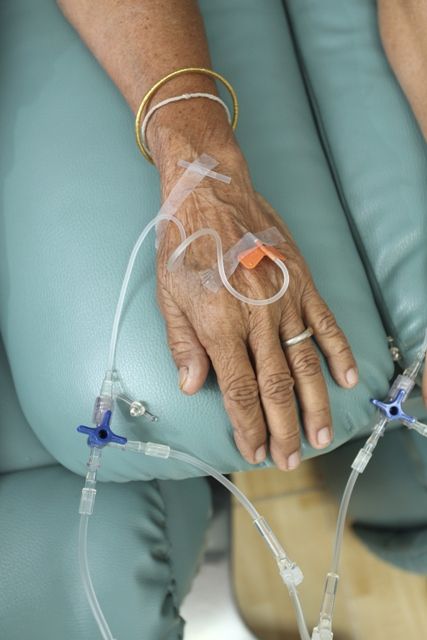
More than half of the patients treated with combination therapy achieved deep remission, defined as a negative-flow cytometry test for minimal residual disease. Despite these promising results, hematologic toxicity concerns may limit future trials.
“Outcomes for patients with acute myeloid leukemia (AML) remain poor, particularly in older patients,” wrote Amir T. Fathi, MD, of the division of hematology and oncology at Massachusetts General Hospital Cancer Center, Boston, and his coauthors.
Many elderly patients currently receive hypomethylating agents HMAs as a form of low-intensity therapy, but associated remission rates are low. “The development of novel, well-tolerated therapies to enhance the efficacy of HMAs could meaningfully improve the standard of care for older patients with AML,” the investigators wrote in Blood. Vadastuximab talirine is a novel antibody therapy that targets CD33; preclinical data suggested that it could be an effective combination with HMA therapy.
The phase 1 trial involved 53 patients with newly diagnosed, CD33-positive AML and a median age of 75 years. Patients were naive to HMA therapy but could have previously received other low-intensity treatments. HMA therapy was administered first; either azacitidine (75 mg/m2 subcutaneous IV for 7 days) or decitabine (20 mg/m2 IV for 5 days), according to institutional standards. On the last day of HMA therapy, vadastuximab talirine (10 mcg/kg IV) was given. This protocol was repeated in 28-day cycles for up to four cycles. Patients who tolerated the combination and showed a clinical response were eligible to continue therapy.
The composite remission rate (CRc: complete remission and complete remission with incomplete blood count recovery) with combination therapy was 70%. Historically, HMA monotherapies have much lower composite remission rates (decitabine, 17.8%; azacytidine, 27.8%). Of all patients achieving remission, 51% tested negative by flow cytometry for minimal residual disease. Median overall survival was 11.3 months and median relapse-free survival was 7.7 months.
“Nevertheless, the increased response rate with the addition of vadastuximab talirine to HMAs was also associated with increased toxicity when compared to single-agent HMA therapy – indicative of the greater degree of myelosuppression,” the researchers wrote. The most common grade 3 or higher adverse events were thrombocytopenia (57%), febrile neutropenia (49%), anemia (45%), neutropenia (42%), and fatigue (15%).
The investigators stated that “the overall safety profile was similar for patients treated with vadastuximab talirine in combination with azacitidine versus decitabine (with the exception of incidence of febrile neutropenia).”
Following the encouraging results of this phase 1 trial, the CASCADE phase 3 trial was launched to again compare this combination with HMA monotherapy; however, the trial was halted early because of deaths in the combination arm. The investigators cited the need for stricter protocols to ensure safety during future trials.
“With such guidance and precaution, promising combinations for AML, a disease affecting predominantly older and more frail patients, may be more effectively studied so as to enhance our current suboptimal therapeutic options,” they wrote.
Seattle Genetics provided study funding and author compensation.
SOURCE: Fathi AT et al. Blood. 2018 Jul 25. doi: 10.1182/blood-2018-03-841171.
For elderly patients with CD33-positive acute myeloid leukemia (AML), vadastuximab talirine in combination with a hypomethylating agent (HMA) improves remission rates, compared with HMA therapy alone, according to a phase 1 trial.
More than half of the patients treated with combination therapy achieved deep remission, defined as a negative-flow cytometry test for minimal residual disease. Despite these promising results, hematologic toxicity concerns may limit future trials.
“Outcomes for patients with acute myeloid leukemia (AML) remain poor, particularly in older patients,” wrote Amir T. Fathi, MD, of the division of hematology and oncology at Massachusetts General Hospital Cancer Center, Boston, and his coauthors.
Many elderly patients currently receive hypomethylating agents HMAs as a form of low-intensity therapy, but associated remission rates are low. “The development of novel, well-tolerated therapies to enhance the efficacy of HMAs could meaningfully improve the standard of care for older patients with AML,” the investigators wrote in Blood. Vadastuximab talirine is a novel antibody therapy that targets CD33; preclinical data suggested that it could be an effective combination with HMA therapy.
The phase 1 trial involved 53 patients with newly diagnosed, CD33-positive AML and a median age of 75 years. Patients were naive to HMA therapy but could have previously received other low-intensity treatments. HMA therapy was administered first; either azacitidine (75 mg/m2 subcutaneous IV for 7 days) or decitabine (20 mg/m2 IV for 5 days), according to institutional standards. On the last day of HMA therapy, vadastuximab talirine (10 mcg/kg IV) was given. This protocol was repeated in 28-day cycles for up to four cycles. Patients who tolerated the combination and showed a clinical response were eligible to continue therapy.
The composite remission rate (CRc: complete remission and complete remission with incomplete blood count recovery) with combination therapy was 70%. Historically, HMA monotherapies have much lower composite remission rates (decitabine, 17.8%; azacytidine, 27.8%). Of all patients achieving remission, 51% tested negative by flow cytometry for minimal residual disease. Median overall survival was 11.3 months and median relapse-free survival was 7.7 months.
“Nevertheless, the increased response rate with the addition of vadastuximab talirine to HMAs was also associated with increased toxicity when compared to single-agent HMA therapy – indicative of the greater degree of myelosuppression,” the researchers wrote. The most common grade 3 or higher adverse events were thrombocytopenia (57%), febrile neutropenia (49%), anemia (45%), neutropenia (42%), and fatigue (15%).
The investigators stated that “the overall safety profile was similar for patients treated with vadastuximab talirine in combination with azacitidine versus decitabine (with the exception of incidence of febrile neutropenia).”
Following the encouraging results of this phase 1 trial, the CASCADE phase 3 trial was launched to again compare this combination with HMA monotherapy; however, the trial was halted early because of deaths in the combination arm. The investigators cited the need for stricter protocols to ensure safety during future trials.
“With such guidance and precaution, promising combinations for AML, a disease affecting predominantly older and more frail patients, may be more effectively studied so as to enhance our current suboptimal therapeutic options,” they wrote.
Seattle Genetics provided study funding and author compensation.
SOURCE: Fathi AT et al. Blood. 2018 Jul 25. doi: 10.1182/blood-2018-03-841171.
For elderly patients with CD33-positive acute myeloid leukemia (AML), vadastuximab talirine in combination with a hypomethylating agent (HMA) improves remission rates, compared with HMA therapy alone, according to a phase 1 trial.
More than half of the patients treated with combination therapy achieved deep remission, defined as a negative-flow cytometry test for minimal residual disease. Despite these promising results, hematologic toxicity concerns may limit future trials.
“Outcomes for patients with acute myeloid leukemia (AML) remain poor, particularly in older patients,” wrote Amir T. Fathi, MD, of the division of hematology and oncology at Massachusetts General Hospital Cancer Center, Boston, and his coauthors.
Many elderly patients currently receive hypomethylating agents HMAs as a form of low-intensity therapy, but associated remission rates are low. “The development of novel, well-tolerated therapies to enhance the efficacy of HMAs could meaningfully improve the standard of care for older patients with AML,” the investigators wrote in Blood. Vadastuximab talirine is a novel antibody therapy that targets CD33; preclinical data suggested that it could be an effective combination with HMA therapy.
The phase 1 trial involved 53 patients with newly diagnosed, CD33-positive AML and a median age of 75 years. Patients were naive to HMA therapy but could have previously received other low-intensity treatments. HMA therapy was administered first; either azacitidine (75 mg/m2 subcutaneous IV for 7 days) or decitabine (20 mg/m2 IV for 5 days), according to institutional standards. On the last day of HMA therapy, vadastuximab talirine (10 mcg/kg IV) was given. This protocol was repeated in 28-day cycles for up to four cycles. Patients who tolerated the combination and showed a clinical response were eligible to continue therapy.
The composite remission rate (CRc: complete remission and complete remission with incomplete blood count recovery) with combination therapy was 70%. Historically, HMA monotherapies have much lower composite remission rates (decitabine, 17.8%; azacytidine, 27.8%). Of all patients achieving remission, 51% tested negative by flow cytometry for minimal residual disease. Median overall survival was 11.3 months and median relapse-free survival was 7.7 months.
“Nevertheless, the increased response rate with the addition of vadastuximab talirine to HMAs was also associated with increased toxicity when compared to single-agent HMA therapy – indicative of the greater degree of myelosuppression,” the researchers wrote. The most common grade 3 or higher adverse events were thrombocytopenia (57%), febrile neutropenia (49%), anemia (45%), neutropenia (42%), and fatigue (15%).
The investigators stated that “the overall safety profile was similar for patients treated with vadastuximab talirine in combination with azacitidine versus decitabine (with the exception of incidence of febrile neutropenia).”
Following the encouraging results of this phase 1 trial, the CASCADE phase 3 trial was launched to again compare this combination with HMA monotherapy; however, the trial was halted early because of deaths in the combination arm. The investigators cited the need for stricter protocols to ensure safety during future trials.
“With such guidance and precaution, promising combinations for AML, a disease affecting predominantly older and more frail patients, may be more effectively studied so as to enhance our current suboptimal therapeutic options,” they wrote.
Seattle Genetics provided study funding and author compensation.
SOURCE: Fathi AT et al. Blood. 2018 Jul 25. doi: 10.1182/blood-2018-03-841171.
FROM BLOOD
Key clinical point:
Major finding: The composite remission rate in patients treated with vadastuximab talirine and HMA therapy was 70%, compared with 17.8%-27.8% for patients treated with HMA therapy alone historically.
Study details: A prospective, phase 1 trial involving 53 elderly patients with CD33-positive AML at 14 treatment centers.
Disclosures: Seattle Genetics provided study funding and author compensation.
Source: Fathi AT et al. Blood. 2018 Jul 25. doi: 10.1182/blood-2018-03-841171.
RA seroconversion not associated with sustained drug-free remission
In patients with seropositive rheumatoid arthritis, seroconversion within the first year of treatment is not associated with long-term sustained drug-free remission (SDFR), according to results of a randomized, treat-to-target study of patients with early RA.

“The clinical significance of seroconversion in RA and especially its relationship with long-term SDFR, an approximation of disease ‘cure’ of RA, is a topic of major interest,” wrote Emma C. de Moel, of the department of rheumatology at Leiden (Netherlands) University Medical Center, and her coauthors.
“Previous studies found no association of seroconversion with remission or radiographic damage,” the investigators wrote in Annals of the Rheumatic Diseases. “We here investigated the association between seroconversion and ... SDFR and found no association.”
The study involved 381 patients with early RA (less than 2 years) from the IMPROVED trial who were treated with methotrexate and high-dose prednisone. At baseline and 12 months, 14 RA-associated autoantibodies were measured by ELISA, including anti-CCP2 and rheumatoid factor. Patients were monitored for long-term SDFR, defined as remission lasting longer than 1 year, beginning at any time, and persisting until the maximum follow-up of 5 years.
An association between seroconversion and SDFR was not found. At 12 months, 6 of 170 patients (3.5%) had seroconverted all autoantibodies to negative, and 2 of these 6 patients achieved SDFR, compared with 19 of 164 seropositive patients (11.6%) who achieved SDFR without seroconversion (P = .11). Additionally, neither the proportion of autoantibodies converted to negative nor relative decreases in autoantibody levels were associated with SDFR.
“It appears that seroconversion (as measured by current standards) does not identify a group of patients in ... true immunological remission, and is not superior to signals of low inflammatory load (e.g. by DAS 6) for predicting successful drug tapering,” the investigators concluded. “Future studies are needed to identify whether other immunological parameters such as the numbers or phenotype of circulating autoreactive B or T cells might be a better reflection of disease persistence and markers for immunological remission.”
The study was funded by ZonMw (the Netherlands Organization for Health Research and Development)-consortium Molecular Diagnostics in RA (MODIRA).
SOURCE: de Moel EC et al. Ann Rheum Dis. 2018 Jul 25. doi: 10.1136/annrheumdis-2018-213823.
In patients with seropositive rheumatoid arthritis, seroconversion within the first year of treatment is not associated with long-term sustained drug-free remission (SDFR), according to results of a randomized, treat-to-target study of patients with early RA.
“The clinical significance of seroconversion in RA and especially its relationship with long-term SDFR, an approximation of disease ‘cure’ of RA, is a topic of major interest,” wrote Emma C. de Moel, of the department of rheumatology at Leiden (Netherlands) University Medical Center, and her coauthors.
“Previous studies found no association of seroconversion with remission or radiographic damage,” the investigators wrote in Annals of the Rheumatic Diseases. “We here investigated the association between seroconversion and ... SDFR and found no association.”
The study involved 381 patients with early RA (less than 2 years) from the IMPROVED trial who were treated with methotrexate and high-dose prednisone. At baseline and 12 months, 14 RA-associated autoantibodies were measured by ELISA, including anti-CCP2 and rheumatoid factor. Patients were monitored for long-term SDFR, defined as remission lasting longer than 1 year, beginning at any time, and persisting until the maximum follow-up of 5 years.
An association between seroconversion and SDFR was not found. At 12 months, 6 of 170 patients (3.5%) had seroconverted all autoantibodies to negative, and 2 of these 6 patients achieved SDFR, compared with 19 of 164 seropositive patients (11.6%) who achieved SDFR without seroconversion (P = .11). Additionally, neither the proportion of autoantibodies converted to negative nor relative decreases in autoantibody levels were associated with SDFR.
“It appears that seroconversion (as measured by current standards) does not identify a group of patients in ... true immunological remission, and is not superior to signals of low inflammatory load (e.g. by DAS 6) for predicting successful drug tapering,” the investigators concluded. “Future studies are needed to identify whether other immunological parameters such as the numbers or phenotype of circulating autoreactive B or T cells might be a better reflection of disease persistence and markers for immunological remission.”
The study was funded by ZonMw (the Netherlands Organization for Health Research and Development)-consortium Molecular Diagnostics in RA (MODIRA).
SOURCE: de Moel EC et al. Ann Rheum Dis. 2018 Jul 25. doi: 10.1136/annrheumdis-2018-213823.
In patients with seropositive rheumatoid arthritis, seroconversion within the first year of treatment is not associated with long-term sustained drug-free remission (SDFR), according to results of a randomized, treat-to-target study of patients with early RA.
“The clinical significance of seroconversion in RA and especially its relationship with long-term SDFR, an approximation of disease ‘cure’ of RA, is a topic of major interest,” wrote Emma C. de Moel, of the department of rheumatology at Leiden (Netherlands) University Medical Center, and her coauthors.
“Previous studies found no association of seroconversion with remission or radiographic damage,” the investigators wrote in Annals of the Rheumatic Diseases. “We here investigated the association between seroconversion and ... SDFR and found no association.”
The study involved 381 patients with early RA (less than 2 years) from the IMPROVED trial who were treated with methotrexate and high-dose prednisone. At baseline and 12 months, 14 RA-associated autoantibodies were measured by ELISA, including anti-CCP2 and rheumatoid factor. Patients were monitored for long-term SDFR, defined as remission lasting longer than 1 year, beginning at any time, and persisting until the maximum follow-up of 5 years.
An association between seroconversion and SDFR was not found. At 12 months, 6 of 170 patients (3.5%) had seroconverted all autoantibodies to negative, and 2 of these 6 patients achieved SDFR, compared with 19 of 164 seropositive patients (11.6%) who achieved SDFR without seroconversion (P = .11). Additionally, neither the proportion of autoantibodies converted to negative nor relative decreases in autoantibody levels were associated with SDFR.
“It appears that seroconversion (as measured by current standards) does not identify a group of patients in ... true immunological remission, and is not superior to signals of low inflammatory load (e.g. by DAS 6) for predicting successful drug tapering,” the investigators concluded. “Future studies are needed to identify whether other immunological parameters such as the numbers or phenotype of circulating autoreactive B or T cells might be a better reflection of disease persistence and markers for immunological remission.”
The study was funded by ZonMw (the Netherlands Organization for Health Research and Development)-consortium Molecular Diagnostics in RA (MODIRA).
SOURCE: de Moel EC et al. Ann Rheum Dis. 2018 Jul 25. doi: 10.1136/annrheumdis-2018-213823.
FROM ANNALS OF THE RHEUMATIC DISEASES
Key clinical point:
Major finding: At 12 months, 6 of 170 seropositive patients (3.5%) had seroconverted, and 2 of these 6 patients achieved long-term SDFR, compared with 19 of 164 seropositive patients (11.6%) who achieved long-term SDFR without seroconversion (P = .11).
Study details: Baseline and 12-month serum autoantibody analysis of 381 RA patients from the IMPROVED trial; a randomized, treat-to-target study of patients with early RA (less than 2 years).
Disclosures: Funding was provided by ZonMw (the Netherlands Organization for Health Research and Development)-consortium Molecular Diagnostics in RA (MODIRA).
Source: de Moel EC et al. Ann Rheum Dis. 2018 Jul 25. doi: 10.1136/annrheumdis-2018-213823.
Third-line avelumab for gastric cancer safer than chemotherapy
according to a recent study.
Although no primary or secondary endpoints were met, avelumab demonstrated similar antitumor activity compared with chemotherapy, reported Yung-Jue Bang, MD, PhD, of Seoul National University College of Medicine, South Korea, and his coauthors.
“There currently are no internationally recognized treatment guidelines for patients with advanced gastric cancer/gastroesophageal junction cancer [GC/GEJC] in whom two prior lines of therapy have failed,” the investigators wrote in Annals of Oncology.
The phase 3, randomized JAVELIN Gastric 300 trial compared avelumab, an anti–programmed death ligand 1 (PD-L1) monoclonal antibody, with physician’s choice of chemotherapy in 371 patients with metastatic GC/GEJC who had received two previous lines of systemic therapy. A total of 185 patients received avelumab and 186 patients received chemotherapy. Of those in the chemotherapy group, 120 (64.5%) were given irinotecan, 50 (29.0%) were given paclitaxel, and 3 (1.6%) received best supportive care only. The primary endpoint was overall survival, and secondary endpoints were objective response rate and progression-free survival. Safety and tolerability were also evaluated.
Neither primary nor secondary endpoints were met, and no significant difference in efficacy was found between treatment arms. However, tolerability was notably better in the avelumab treatment group. Treatment-related adverse events occurred in 90 patients (48.9%) in the avelumab group, compared with 131 patients (74.0%) in the chemotherapy group. Grade 3 or higher treatment-related adverse events were also less common in the avelumab group (9.2% vs. 31.6%). In the avelumab treatment arm, 4 patients (2.2%) had grade 3 or higher immune-related adverse events (autoimmune hypothyroidism, autoimmune hepatitis, elevated AST, and colitis).
“These results demonstrate that avelumab is better tolerated than chemotherapy in patients with heavily pretreated GC/GEJC, supporting the potential of avelumab for combination or maintenance therapy, even in later stages of disease,” the investigators wrote. “Nevertheless, the optimal strategy for incorporating checkpoint inhibitors into the continuum of care for patients with advanced GC/GEJC is still unknown, and studies of alternative anti–PD-1/PD-L1 treatment strategies in earlier lines of therapy are warranted.”
The study was funded by Merck and Pfizer. Authors reported compensation from AstraZeneca, Eli Lilly, Novartis, and others.
SOURCE: Bang YJ et al. Ann Oncol. 2018 Jul 24. doi:10.1093/annonc/mdy264.
according to a recent study.
Although no primary or secondary endpoints were met, avelumab demonstrated similar antitumor activity compared with chemotherapy, reported Yung-Jue Bang, MD, PhD, of Seoul National University College of Medicine, South Korea, and his coauthors.
“There currently are no internationally recognized treatment guidelines for patients with advanced gastric cancer/gastroesophageal junction cancer [GC/GEJC] in whom two prior lines of therapy have failed,” the investigators wrote in Annals of Oncology.
The phase 3, randomized JAVELIN Gastric 300 trial compared avelumab, an anti–programmed death ligand 1 (PD-L1) monoclonal antibody, with physician’s choice of chemotherapy in 371 patients with metastatic GC/GEJC who had received two previous lines of systemic therapy. A total of 185 patients received avelumab and 186 patients received chemotherapy. Of those in the chemotherapy group, 120 (64.5%) were given irinotecan, 50 (29.0%) were given paclitaxel, and 3 (1.6%) received best supportive care only. The primary endpoint was overall survival, and secondary endpoints were objective response rate and progression-free survival. Safety and tolerability were also evaluated.
Neither primary nor secondary endpoints were met, and no significant difference in efficacy was found between treatment arms. However, tolerability was notably better in the avelumab treatment group. Treatment-related adverse events occurred in 90 patients (48.9%) in the avelumab group, compared with 131 patients (74.0%) in the chemotherapy group. Grade 3 or higher treatment-related adverse events were also less common in the avelumab group (9.2% vs. 31.6%). In the avelumab treatment arm, 4 patients (2.2%) had grade 3 or higher immune-related adverse events (autoimmune hypothyroidism, autoimmune hepatitis, elevated AST, and colitis).
“These results demonstrate that avelumab is better tolerated than chemotherapy in patients with heavily pretreated GC/GEJC, supporting the potential of avelumab for combination or maintenance therapy, even in later stages of disease,” the investigators wrote. “Nevertheless, the optimal strategy for incorporating checkpoint inhibitors into the continuum of care for patients with advanced GC/GEJC is still unknown, and studies of alternative anti–PD-1/PD-L1 treatment strategies in earlier lines of therapy are warranted.”
The study was funded by Merck and Pfizer. Authors reported compensation from AstraZeneca, Eli Lilly, Novartis, and others.
SOURCE: Bang YJ et al. Ann Oncol. 2018 Jul 24. doi:10.1093/annonc/mdy264.
according to a recent study.
Although no primary or secondary endpoints were met, avelumab demonstrated similar antitumor activity compared with chemotherapy, reported Yung-Jue Bang, MD, PhD, of Seoul National University College of Medicine, South Korea, and his coauthors.
“There currently are no internationally recognized treatment guidelines for patients with advanced gastric cancer/gastroesophageal junction cancer [GC/GEJC] in whom two prior lines of therapy have failed,” the investigators wrote in Annals of Oncology.
The phase 3, randomized JAVELIN Gastric 300 trial compared avelumab, an anti–programmed death ligand 1 (PD-L1) monoclonal antibody, with physician’s choice of chemotherapy in 371 patients with metastatic GC/GEJC who had received two previous lines of systemic therapy. A total of 185 patients received avelumab and 186 patients received chemotherapy. Of those in the chemotherapy group, 120 (64.5%) were given irinotecan, 50 (29.0%) were given paclitaxel, and 3 (1.6%) received best supportive care only. The primary endpoint was overall survival, and secondary endpoints were objective response rate and progression-free survival. Safety and tolerability were also evaluated.
Neither primary nor secondary endpoints were met, and no significant difference in efficacy was found between treatment arms. However, tolerability was notably better in the avelumab treatment group. Treatment-related adverse events occurred in 90 patients (48.9%) in the avelumab group, compared with 131 patients (74.0%) in the chemotherapy group. Grade 3 or higher treatment-related adverse events were also less common in the avelumab group (9.2% vs. 31.6%). In the avelumab treatment arm, 4 patients (2.2%) had grade 3 or higher immune-related adverse events (autoimmune hypothyroidism, autoimmune hepatitis, elevated AST, and colitis).
“These results demonstrate that avelumab is better tolerated than chemotherapy in patients with heavily pretreated GC/GEJC, supporting the potential of avelumab for combination or maintenance therapy, even in later stages of disease,” the investigators wrote. “Nevertheless, the optimal strategy for incorporating checkpoint inhibitors into the continuum of care for patients with advanced GC/GEJC is still unknown, and studies of alternative anti–PD-1/PD-L1 treatment strategies in earlier lines of therapy are warranted.”
The study was funded by Merck and Pfizer. Authors reported compensation from AstraZeneca, Eli Lilly, Novartis, and others.
SOURCE: Bang YJ et al. Ann Oncol. 2018 Jul 24. doi:10.1093/annonc/mdy264.
FROM ANNALS OF ONCOLOGY
Key clinical point: Third-line avelumab for patients with gastric cancer is safer, but no more effective, than chemotherapy.
Major finding: Grade 3 or higher treatment-related adverse events occurred in 9.2% of patients treated with avelumab, compared with 31.6% of patients treated with chemotherapy.
Study details: The phase 3 JAVELIN Gastric 300 trial involved 371 patients with metastatic, nonresectable gastric cancer who had received two previous lines of systemic therapy.
Disclosures: The study was funded by Merck and Pfizer. Authors reported compensation from AstraZeneca, Eli Lilly, Novartis, and others.
Source: Bang YJ et al. Ann Oncol. 2018 Jul 24. doi:10.1093/annonc/mdy264.